

Dry Decontamination in Extreme Cold Conditions Field Test with FAST-ACT
The Challenge: Decontamination in Extreme Cold
Effective decontamination is a critical process for mitigating chemical threats, but what happens when temperatures drop below freezing? Traditional liquid-based decontaminants face significant challenges in extreme cold environments. Many aqueous decontaminants freeze at subzero temperatures, rendering them ineffective and unusable. Given the potential for chemical spills, hazardous material exposure, and vapor threats in Arctic and other cold environments, a reliable decontamination solution is essential.
For more insights into how FAST-ACT and dry decontamination in extreme cold plays a vital role in chemical decontamination processes, check out our out most recent blog:
Advantages of Dry Decontamination in Extremely Cold Temperatures.
To address this challenge, FAST-ACT underwent rigorous testing in extreme cold conditions, pushing the limits of its effectiveness and proving its unparalleled capabilities in real-world scenarios.
Testing FAST-ACT in Subzero Conditions
Test Conditions and Setup
The FAST-ACT decontamination trials were conducted under NATO AECTP-230 C2 cold climatic conditions, with temperatures reaching as low as -45°C. The tests took place in a specialized facility, using a controlled environment to simulate real-world cold-weather decontamination scenarios.
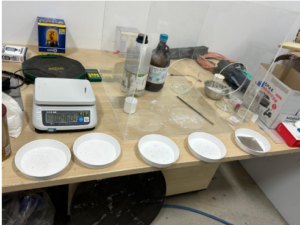
FAST-ACT powder and pressurized cylinders were tested against various hazardous chemicals, including:
- Sulfuric Acid (H2SO4): A highly corrosive acid requiring rapid neutralization.
- Dimethyl Methylphosphonate (DMMP): A chemical simulant for nerve agents.
- Chlorine Gas (Cl2): A hazardous vapor requiring immediate containment.
Performance of FAST-ACT in Cold Environments
1. Sulfuric Acid Neutralization
Despite extreme cold conditions, FAST-ACT remained fully functional in its powder form. The test demonstrated that:
- 10g of FAST-ACT powder effectively neutralized 5ml of 35% sulfuric acid at -45°C.
- The reaction occurred immediately, confirming FAST-ACT’s efficacy even at subzero temperatures.

2. Chlorine Gas Neutralization
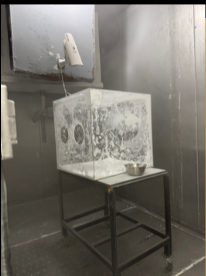
One of the most remarkable findings was FAST-ACT’s ability to neutralize chlorine gas using its pressurized cylinder:
- The FAST-ACT pressurized cylinder was stored at -45°C for 70 minutes before being deployed.
- The cylinder functioned flawlessly, immediately neutralizing chlorine gas upon application.
- The test demonstrated that FAST-ACT is the only decontamination product tested and proven to work in extreme cold temperatures.
Why FAST-ACT is the Ultimate Cold-Weather Decontamination Solution
The First Dry Decontamination Solution in the Market
FAST-ACT revolutionized the decontamination industry by introducing the first dry decontamination technology on the market. Unlike traditional liquid-based decontaminants that are prone to freezing in extreme temperatures, FAST-ACT’s innovative dry formulation ensures rapid and effective neutralization of hazardous chemicals without the limitations of liquid solutions.
Traditional decontaminants rely on liquids, which freeze in cold conditions. FAST-ACT stands out as the first dry decontamination technology available, ensuring usability in all environments.
The Only Powder for Neutralization
FAST-ACT is the only powdered solution capable of neutralizing both liquid and vapor threats, while others simply just decontaminate, making it a vital tool for military, first responders, and industrial safety teams, etc.
Tested in Extreme Weather Conditions
Unlike other decontamination products, FAST-ACT has been tested and proven to perform in subzero temperatures for chemical decontamination processes, ensuring reliability when it matters most.
Conclusion: FAST-ACT Dry Decontamination in Extreme Cold
The FAST-ACT trials in cold climatic conditions confirm its unparalleled effectiveness in neutralizing hazardous chemical accidents in extreme environments. Whether responding to chemical spills, vapor threats, or hazardous material incidents, FAST-ACT remains fully functional in even the coldest temperatures.
FAST-ACT is setting the new standard for effective decontamination in every climate—cold, hot, and everything in between.
For more information, access the full test report below:
About Timilon Corporation:
Timilon Corporation is the manufacturer of FAST-ACT®, a proprietary formulation of non-toxic high-performance specialty materials effective at neutralizing a wide range of toxic chemicals with the added capability to destroy chemical warfare agents. The FAST-ACT technology is utilized by leading defense agencies, chemical industrial companies, first responders and HAZMAT teams to quickly and safely eliminate chemical hazards. For more information, reach out to Leticia Menzzano, Marketing Manager, lmenzzano@timilon.com.
FAQs
Why is chemical decontamination challenging in extreme cold environments?


Traditional liquid-based decontamination solutions can freeze at subzero temperatures, making them ineffective or unusable. In extreme cold environments, this creates significant risks when responding to chemical spills, vapor releases, or hazardous material incidents.
How does dry decontamination work in freezing temperatures?
Dry decontamination does not rely on water or liquid solutions, allowing it to remain functional in subzero conditions. FAST-ACT’s dry formulation enables chemical neutralization without freezing, even in extreme cold climates.
Has FAST-ACT been tested in extreme cold conditions?
Yes. FAST-ACT has undergone rigorous testing under NATO AECTP-230 C2 cold climatic conditions, with temperatures reaching as low as -45°C, to validate performance in real-world cold-weather scenarios.
What chemicals were tested during FAST-ACT extreme cold trials?
FAST-ACT was tested against multiple hazardous chemicals, including sulfuric acid (H₂SO₄), dimethyl methylphosphonate (DMMP, a nerve agent simulant), and chlorine gas, demonstrating effectiveness against both liquid and vapor threats.