

Hazardous Materials Shipping by Air: Why Compliance Matters and What Happens When It Fails
Hazardous materials shipping by air plays a critical role in global supply chains, enabling the rapid transport of dangerous goods such as lithium batteries, chemicals, and controlled substances. To reduce risk, strict hazardous materials regulations enforced by the United States Department of Transportation authorities govern how these materials are classified, packaged, and transported.
However, recent enforcement actions from the Federal Aviation Administration highlight that violations still occur, from undeclared hazardous materials to improper packaging and shipping documentation. These incidents reinforce a key reality: even with well-established safety standards and regulations in place, failures in hazardous materials shipping by air can still happen.
This article will cover why hazardous materials shipping by air is so tightly regulated, what can go wrong when compliance breaks down, and how organizations can strengthen response preparedness when incidents occur.
Why Hazardous Materials Shipping by Air Is Strictly Regulated
Transporting hazardous materials by air introduces unique risks that are not present in other modes of transportation. Aircraft environments involve confined spaces, pressure changes, and limited response options during flight, increasing the potential impact of any incident.
Organizations such as the International Air Transport Association and the International Civil Aviation Organization have established dangerous goods regulations and safety standards to minimize these risks. These frameworks ensure that hazardous materials are properly classified, supported by a Safety Data Sheet (SDS), and handled by trained hazmat employees under defined hazard communication requirements.
These regulations are designed to prevent:
- Fire risks associated with lithium batteries
- Vapor release in cargo holds or transport vehicles
- Contamination of aircraft systems and cargo
When followed correctly, these protocols significantly reduce risk, but they do not eliminate it.
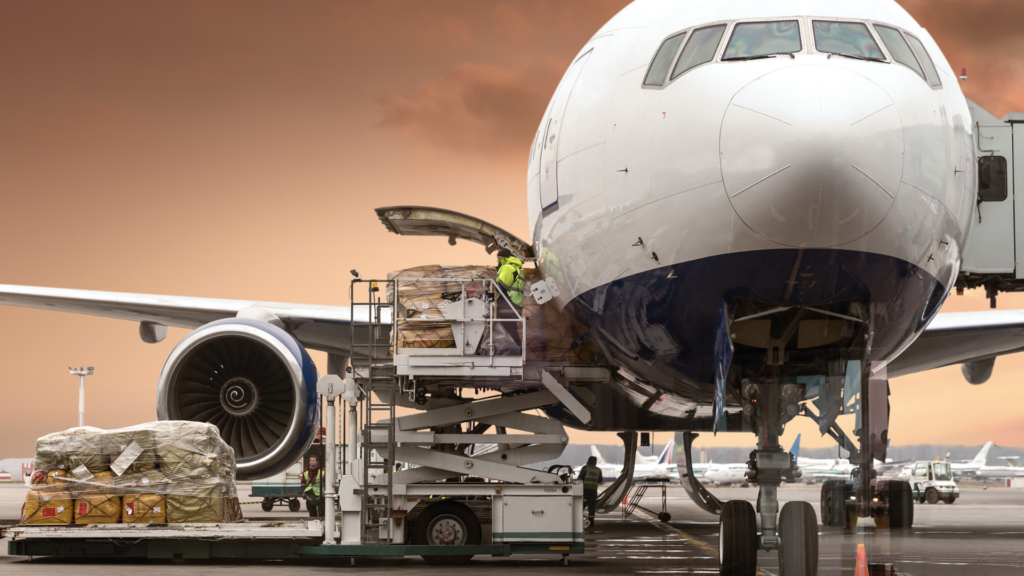
What Happens When Hazardous Materials Shipping by Air Fails
Failures in hazardous materials shipping by air often stem from breakdowns in compliance, training, or documentation.
Common issues include:
- Mis declared or undeclared dangerous goods
- Improper packaging or failure to meet packaging standards
- Missing or incorrect shipping documentation records
- Inadequate recurrent training for hazmat employees
When these failures occur, the consequences can extend far beyond regulatory penalties. Chemical leaks, vapor release, and exposure to hazardous materials may occur during transit or handling and often without immediate detection.
In some cases, incidents are only discovered after cargo is unloaded, creating situations where airport personnel, emergency response teams, or cargo handlers are exposed to unknown hazards without proper context.
The Hidden Risk: Exposure Beyond the Aircraft
One of the most overlooked aspects of hazardous materials shipping by air is what happens after materials reach their destination.
Risks frequently emerge in:
- Cargo handling and inspection areas
- Airport warehouses and distribution centers
- Security screening zones
Even properly packaged materials can become hazardous if damaged during transport. Lithium batteries, for example, may release toxic gases during thermal runaway events, while leaking containers can introduce both liquid and vapor hazards into the environment. Transportation hubs face unique risks from unknown powders, chemical threats, and lithium-ion battery incidents that can quickly escalate into public safety concerns if not addressed immediately.
This reinforces a critical point: compliance reduces risk, but it does not eliminate the need for preparedness.
Strengthening Hazardous Materials Shipping by Air Beyond Compliance
Regulatory compliance is essential, but it should not be the only line of defense. Organizations involved in hazardous materials shipping by air must also be prepared to respond when incidents occur—especially in environments where exposure risks can escalate quickly.
Preparedness starts with clearly defined emergency response protocols. Teams must understand how to identify hazards, isolate affected areas, and initiate response procedures without delay. This is particularly important in air transport environments, where time and containment are critical.
Training also plays a key role. Programs aligned with Environmental Health and Safety (EH&S) standards help ensure that hazmat employees and response personnel are equipped to manage both expected and unexpected scenarios. Without regular training, even well-documented procedures can break down under pressure.
In addition to planning and training, organizations should ensure access to the right tools at the point of need. This includes:
- Spill containment materials to manage hazardous liquids quickly
- Decontamination tools that can be deployed without complex setup
- Equipment capable of addressing both liquid and vapor hazards
By combining preparation, training, and accessible response tools, organizations can move beyond compliance and build a more resilient approach to hazardous materials shipping by air—one that reduces exposure risk and maintains operational control when incidents occur.
Where FAST-ACT® Fits into Hazardous Materials Shipping by Air
Even with strict adherence to hazardous material shipping regulations, incidents can still occur during transport and handling. When they do, an immediate response is critical.
FAST-ACT® provides dry decontamination solutions designed to support rapid emergency response in transportation and aviation environments. Unlike traditional methods that rely on water or a complex setup, FAST-ACT® enables personnel to neutralize chemical threats almost immediately and without delay.
These solutions are designed for different environments such as airports and cargo facilities, where chemical spills and vapor hazards must be addressed quickly to protect both personnel and infrastructure.
This approach is particularly valuable in scenarios involving:
- Unknown substances identified during cargo inspection
- Chemical leaks in handling or storage areas
- Vapor release from damaged lithium batteries
- Contamination of equipment, baggage, or surfaces
FAST-ACT® Pressurized Cylinders, FAST-ACT® Decontamination Mitts, FAST-ACT® Decontamination Wipes, and specialized response kits are designed to:
- Neutralize both liquid and vapor chemical threats
- Be deployed immediately without water or preparation
- Be used safely on skin, surfaces, and sensitive equipment
Because these tools require no external infrastructure, they are well-suited for dynamic transportation environments where speed and accessibility are critical.
Conclusion
Hazardous materials shipping by air is essential to modern logistics, but it also introduces risks that must be carefully managed through both compliance and preparedness. While hazardous materials regulations from organizations like the Department of Transportation, IATA, and ICAO provide a strong foundation for safety, real-world incidents demonstrate that failures can still occur. When they do, the ability to respond quickly and effectively becomes just as important as prevention. For organizations involved in hazardous materials shipping by air, the objective is clear: build strategies that not only ensure compliance but also prepare teams to manage incidents when they happen.
If your organization is involved in hazardous materials shipping by air and looking to improve emergency response capabilities, FAST-ACT® can support your operations with solutions designed for real-world transportation environments.
About Timilon Corporation:
Timilon Corporation is the manufacturer of FAST-ACT®, a proprietary formulation of non-toxic high-performance specialty materials effective at neutralizing a wide range of toxic chemicals with the added capability to destroy chemical warfare agents. The FAST-ACT technology is utilized by leading defense agencies, chemical industrial companies, first responders and HAZMAT teams to quickly and safely eliminate chemical hazards. For more information, reach out to Leticia Menzzano, Marketing Manager, lmenzzano@timilon.com.
FAQs
What is hazardous materials shipping by air?


Hazardous materials shipping by air refers to the transportation of dangerous goods—such as chemicals, lithium batteries, and controlled substances—via aircraft under strict safety regulations to reduce risk to passengers, crew, and cargo handlers.
How does FAST-ACT support hazardous materials shipping by air incidents?
FAST-ACT supports hazardous materials shipping by air by enabling rapid response to chemical incidents during transport and handling. Its dry decontamination technology allows teams to neutralize hazardous substances immediately—helping reduce exposure risks in cargo areas, airports, and transportation hubs.
Can FAST-ACT be used for both liquid spills and vapor hazards?
Yes. FAST-ACT is designed to address both liquid and vapor chemical hazards. This is critical in air transport environments, where incidents such as chemical leaks or lithium battery failures can release both hazardous liquids and toxic gases.
How does FAST-ACT improve emergency response readiness?
FAST-ACT enhances emergency response by providing tools that can be deployed immediately at the point of exposure. This helps organizations move beyond compliance and take action quickly to contain hazards, reduce contamination, and protect personnel.