

Hazmat Safety at Large Events: What the Olympics and World Cup Teach Us About Preparedness
From opening ceremonies to packed stadiums and global audiences, major public events like the Olympic Games and the 2026 FIFA World Cup present extraordinary opportunities—and unique safety challenges. One of those challenges is ensuring hazmat safety at large events, particularly in crowded environments, where hazardous materials incidents, infrastructure failures, or intentional threats could pose serious risks.
For first responders, venue managers, government agencies, and stadium operations teams, integrating hazardous materials planning into the broader event security plan is essential. Large public events require layered emergency response capabilities that address both traditional security risks and potential chemical exposure scenarios.
This blog will cover:
- Why hazmat safety at large events matters
- Common hazardous materials risks at global sporting events
- How emergency response and hazmat teams prepare
- Key planning principles for large crowd environments
- Where FAST-ACT fits into operational readiness strategies
Why Hazmat Safety at Large Events Matters
Large-scale sporting events bring together dense populations, temporary infrastructure, and complex logistics. These conditions can increase the impact of even minor hazmat incidents.
Hazardous materials risks at public events may involve:
- Hazardous chemicals used in facility operations
- Fuel storage or hazmat containers supporting generators
- Temporary refrigeration systems
- Pyrotechnics or smoke effects
- Increased transportation of industrial materials near venues
The HazMat Magazine article on Olympic preparedness highlights how even non-malicious chemical accidents—such as smoke irritants or infrastructure-related releases—can trigger emergency response protocols and require coordination among hazmat responders and local agencies.
Even a small spill or exposure involving nitrogen oxides, ammonium nitrate, or other hazardous substances can require rapid hazard identification and implementation of emergency procedures. In high-density environments, crowd management and rapid communication are critical to prevent panic and ensure orderly response.
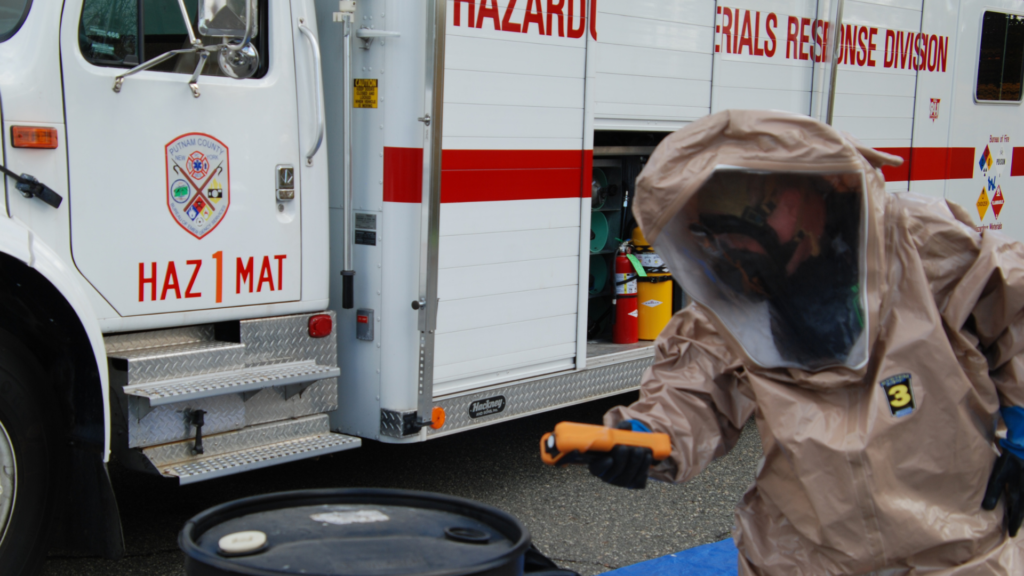
Hazardous Materials Risks at the Olympics and World Cup
Events like the Olympics and World Cup require comprehensive hazardous waste operations and emergency response considerations as part of broader disaster planning.
Potential hazards include:
- Infrastructure failures: Gas leaks, generator malfunctions, or hazardous material spills around stadium operations.
- Chemical accidents: Accidental releases during setup, maintenance, or vendor operations.
- Transportation risks: Increased movement of hazardous materials through ports, rail, and highway corridors near venues.
- Intentional threats: Although rare, high-profile public events require preparedness for chemical emergency response scenarios.
In these cases, hazmat response teams and hazardous materials technicians must act quickly within defined vulnerability zones to contain hazards and protect spectators. Emergency Information sharing between agencies supports faster coordination.
Learn more why global events require more than traditional security
How First Responders and Event Planners Prepare
Ensuring hazmat safety at large events requires coordination between multiple stakeholders:
- HazMat response teams and local hazmat teams
- Emergency Management Coordinators
- Security personnel and venue managers
- Public health officials
- Stadium operations teams
Preparation typically includes:
- Emergency response planning: Developing an emergency response plan aligned with regulatory standards and local safety and health programs.
- Hazmat training programs: Conducting drills for hazardous materials specialists, hazardous materials technicians, and Site safety and health supervisors.
- Equipment staging: Pre-positioning spill kits, hazmat containers, personal protective equipment, and personal protection equipment near decontamination areas.
- Crowd management coordination: Integrating chemical emergency response protocols into the broader event security plan.

Agencies may reference guidance such as the United States Environmental Protection Agency’s Risk Management Plan framework.
Operational readiness also depends on ensuring:
- Access to potable water for emergency showers and safety showers
- Access to quick deployable decontamination tools
- Functional eyewash stations
- Clearly marked decontamination areas
- Defined permissible exposure limits awareness for responders
Strong workplace safety protocols reduce the risk to both hazmat responders and event staff.
Best Practices for Hazmat Safety at Large Events
To strengthen hazmat safety at large events, planners should incorporate:
- Pre-event hazard identification assessments
- Clearly defined safety controls
- A documented safety and health plan
- Layered communication strategies
- Cross-agency emergency response guide alignment
Even minor hazmat incidents can escalate quickly in high-density environments. Proactive planning improves response time and reduces operational disruption during small and large-scale incidents alike.
Where FAST-ACT Fits into Hazmat Safety at Large Events
Large public events require practical tools that support early-phase emergency responses before full-scale hazmat systems are deployed.
FAST-ACT solutions can be integrated into event preparedness strategies to support early containment and personal decontamination efforts. For example:
- FAST-ACT Decontamination Mitts and FAST-ACT Decontamination Wipes can be staged at first aid tents or medical stations to address potential chemical exposure quickly. *CE classified as a Class I medical device for use on skin and surfaces in the EU.
- FAST-ACT Pressurized Cylinders can support rapid deployment in the event of a hazardous material spill before larger hazmat teams establish full decontamination areas.
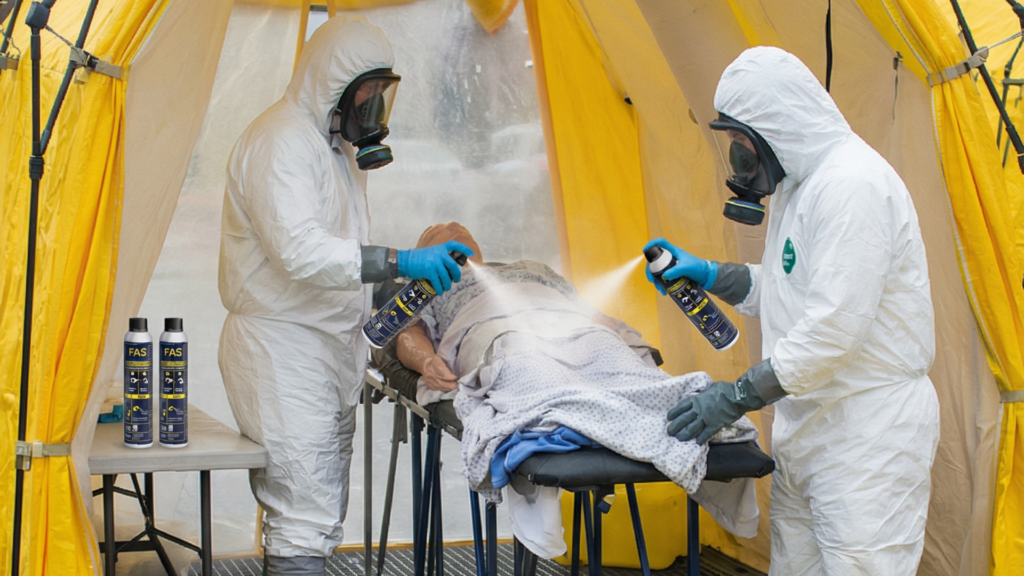
These tools support layered emergency procedures working alongside traditional decon tools and help reduce contaminant transfer during the critical early minutes of a hazmat incident.
For first responders, venue managers, and security teams, integrating flexible decontamination resources into broader safety and health programs enhances preparedness without disrupting normal event operations.
Preparing for the Next Global Event
Whether planning for the Olympic Games, the 2026 World Cup, or other high-profile public events, the scale of attendance and infrastructure demands a structured approach to hazardous materials’ risk.
By combining hazard identification, coordinated emergency response planning, hazmat training, and practical early-response tools, stakeholders strengthen hazmat safety at large events—protecting spectators, responders, and critical infrastructures alike.
Contact our team to see how FAST-ACT can support you and your team prepare for upcoming global events.
About Timilon Corporation:
Timilon Corporation is the manufacturer of FAST-ACT®, a proprietary formulation of non-toxic high-performance specialty materials effective at neutralizing a wide range of toxic chemicals with the added capability to destroy chemical warfare agents. The FAST-ACT technology is utilized by leading defense agencies, chemical industrial companies, first responders and HAZMAT teams to quickly and safely eliminate chemical hazards. For more information, reach out to Leticia Menzzano, Marketing Manager, lmenzzano@timilon.com.
FAQs
Why is hazmat safety at large events important?


Hazmat safety at large events is critical because high crowd density increases the impact of even minor hazardous materials incidents. A chemical spill, infrastructure leak, or accidental release of hazardous substances can escalate quickly without a coordinated emergency response plan.
What types of hazardous materials risks exist at events like the Olympics and World Cup?
Large sporting events may involve risks such as fuel storage leaks, hazardous material spills, smoke effects, transportation-related chemical accidents, or exposure to hazardous chemicals. These events require preparedness for both accidental and intentional hazmat incidents.
How can early decontamination tools support hazmat safety at large events?
Early-response tools such as FAST-ACT solutions can support personal decontamination and rapid containment during the initial stages of a hazardous material spill. These tools complement larger decontamination systems and help reduce contaminant transfer before full hazmat operations are established.
Can FAST-ACT be used by First Responders at large public events?
Yes. FAST-ACT solutions are designed to support First Responders and hazmat teams during early-stage hazardous materials incidents at large public events. Portable tools such as FAST-ACT Pressurized Cylinders, FAST-ACT Decontamination Mitts, and FAST-ACT Decontamination Wipes can be pre-positioned at medical tents, triage points, or staging areas to support rapid response before full decontamination systems are deployed.
How does FAST-ACT improve operational readiness for major sporting events?
FAST-ACT supports operational readiness by providing dry decontamination capabilities that can be deployed quickly without requiring extensive infrastructure. When integrated into an emergency response plan, FAST-ACT solutions enhance early containment efforts, help reduce contaminant transfer, and complement established hazmat safety protocols for large-scale events like the Olympics and World Cup.