

Chemical Preparedness Beyond Stadiums: Fan Zones, Watch Parties, and Opening Ceremonies at the 2026 World Cup
As preparations continue for the 2026 FIFA World Cup, much of the attention surrounding emergency preparedness has focused on stadium security, venue operations, and transportation systems. However, some of the largest public gathering environments associated with the tournament exist beyond stadium walls. Fan zones, FIFA Fan Festival™ locations, watch parties, and opening ceremony venues create a very different set of operational realities that emergency responders and public safety agencies must prepare for. Chemical and CBRN preparedness demands at the 2026 FIFA World Cup extend well beyond the stadium footprint, and fan zones represent one of the most operationally complex environments response teams will face.
Unlike stadiums with controlled entry points and defined security perimeters, these environments are designed to encourage movement, accessibility, and a festival atmosphere. Every host city participating in the 2026 FIFA World Cup will operate at least one official FIFA Fan Festival™, with some cities, including Los Angeles and Seattle, expected to host multiple fan gathering locations throughout their regions. These events will operate across the tournament’s entire 39-day schedule, creating a prolonged operational footprint extending far beyond matchday activities.
The scale alone is significant. During the 2014 FIFA World Cup, Rio de Janeiro’s Fan Festival drew more than one million visitors over the course of the tournament. With 16 host cities participating in 2026, FIFA’s fan zone program is expected to become the largest in World Cup history.
Chemical preparedness for fan zones requires organizations to think beyond traditional venue security models and prepare for operational environments where crowd movement, hazard recognition, and incident management become significantly more difficult. Large-scale public events introduce chemical preparedness challenges that go far beyond what traditional security planning is designed to handle.
This blog explores the unique challenges associated with fan zones, watch parties, and opening ceremonies and why these environments require a different approach to chemical preparedness and emergency response.

Why Are Fan Zones Different From Stadiums?
Fan zones are often designed to recreate the atmosphere and energy of a stadium environment while providing a more open and accessible experience for visitors. However, that same openness can create additional preparedness challenges. The operational realities of chemical spill response and decontamination in stadium environments are already complex, but fan zones introduce an entirely different set of variables that response teams must plan for.
Philadelphia’s Lemon Hill Park Fan Festival is expected to host approximately 25,000 visitors, while Liberty State Park in Jersey City will operate a 40-day Fan Fest expected to become one of the tournament’s largest public viewing spaces. Seattle plans to host multiple Fan Celebration Locations with capacities approaching 15,000 people on match days while also supporting additional gathering sites throughout Washington.
Unlike stadiums, these environments frequently involve temporary infrastructure, multiple public entry points, varied security activities, public transit integration, food vendors, entertainment spaces, and less consistent access control measures.
These environments often require coordination among:
- Security personnel and private security agencies
- Emergency responders and first responder agencies
- Public safety organizations
- Local authorities and host committees
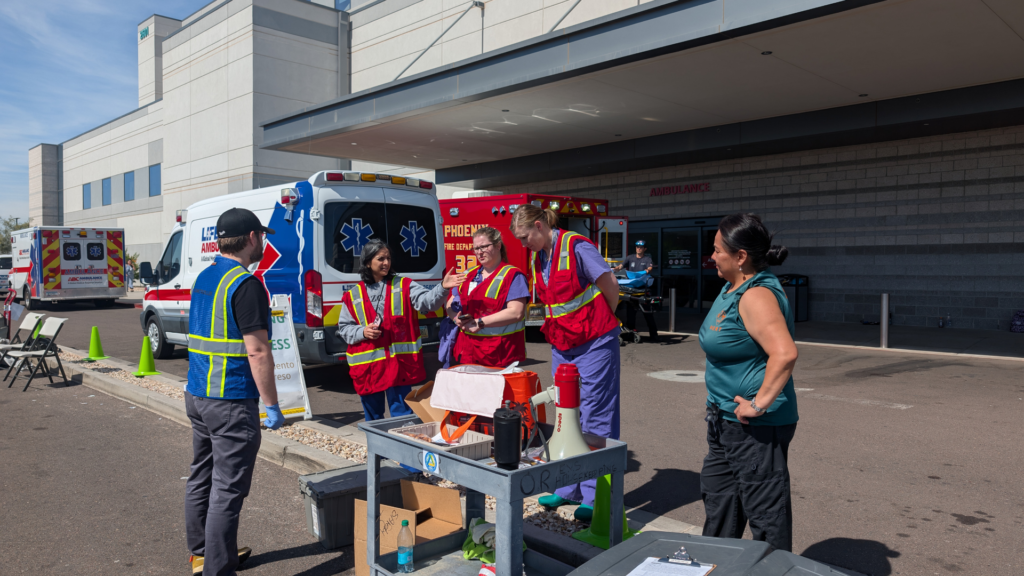
Maintaining situational awareness across multiple locations simultaneously becomes increasingly difficult when movement patterns are unrestricted and crowd density shifts throughout the day. Hazardous materials preparedness for large public events must account for these less controlled environments where traditional security perimeters do not exist.
Why Do Opening Ceremonies Create Unique Operational Challenges?
The 2026 FIFA World Cup introduces another operational layer through its trilogy of opening ceremonies. Unlike previous tournaments centered around a single host city, opening ceremonies will occur across Mexico City, Toronto, and Los Angeles, with events beginning approximately 90 minutes before each host nation’s opening match.
Mexico City’s Estadio Azteca, with a capacity exceeding 83,000 attendees, will host the first ceremony and become the first venue in history to host matches across three separate FIFA World Cups.
Operational complexity extends well beyond the ceremonies themselves. Stadium gates are expected to open four hours before kickoff, increasing the duration of crowd gathering and expanding the time window during which security activities, public messaging, and crowd control operations must remain active. Critical infrastructure preparedness during large-scale public events requires strategies that account for extended crowd gathering windows and overlapping operational demands.
Opening ceremonies also create overlapping transportation demands involving transit hubs, public transit systems, rideshare activity, pedestrian traffic, and surrounding public gathering spaces. Unlike a traditional matchday environment, large numbers of attendees may arrive hours early and remain concentrated within surrounding public areas.
These overlapping conditions create operational environments where emergency responders and security personnel may be required to manage multiple gathering areas simultaneously.
Why Is Hazard Recognition More Difficult in Open Public Environments?
According to FEMA’s guidance on chemical incident recognition, recognition of chemical incidents can be slow and challenging without adequate detection systems. Open public environments introduce additional complexity because they often lack the fixed infrastructure and controlled operational conditions commonly found inside professional sports venues.
Chemical incident challenges in fan zones may include:
- Unrestricted crowd movement
- Delayed symptom recognition
- Limited detection infrastructure
- Multiple jurisdictions and agencies
Unlike stadium environments where crowd movement can often be directed through established pathways, fan zones frequently involve unrestricted movement patterns extending into nearby streets, transportation systems, restaurants, and surrounding metropolitan areas. Decontamination challenges in high-risk public environments become significantly more difficult to manage when incident boundaries are undefined and crowd movement is unrestricted.
FEMA’s chemical incident consequence management framework also notes that many chemical incidents occur without warning and that the scope of an incident may not be immediately obvious. For emergency responders operating in less structured environments, delayed recognition can rapidly increase operational complexity. Preparing for CBRN threats during large-scale global events requires early situational awareness and rapid response coordination that accounts for open environments where hazard detection infrastructure is limited.
Why Can Delayed Exposure Create Broader Response Challenges?
One of the most significant challenges associated with chemical preparedness for fan zones involves delayed exposure recognition.
According to FEMA’s chemical incident guidance, when symptoms are not immediately visible, exposed individuals often continue moving throughout cities, transportation systems, and surrounding regions before an incident is identified. In open fan environments where crowd movement remains largely unrestricted, this challenge becomes significantly amplified. Having a defined strategy for responding to unknown hazardous materials incidents before an incident occurs is essential in environments where delayed recognition can allow exposures to spread far beyond the original scene.
The World Health Organization reports that nearly 2,000 technological disasters involving chemical releases occurred globally between 2009 and 2018, resulting in approximately 65,000 deaths and more than 600,000 affected individuals.
Chemical agents such as crowd-control chemicals like chloropicrin represent a realistic open-air threat profile at large public gatherings where detection and response windows are narrow. Similarly, fentanyl and synthetic opioid risks in high-density public environments present unique decontamination and detection challenges in fan zones where substance identification may be significantly delayed and secondary exposure risks are high.
Unlike controlled environments where incidents may remain isolated to a defined location, fan zones and public gathering spaces may allow exposures to spread far beyond the original scene before response operations begin. These realities reinforce why chemical preparedness for fan zones requires planning that accounts for both immediate response actions and broader operational impacts.
How Does FAST-ACT® Support Chemical Preparedness for Fan Zones?
Chemical preparedness for fan zones requires response capabilities that support dynamic environments where movement patterns, operational conditions, and hazards can change rapidly.
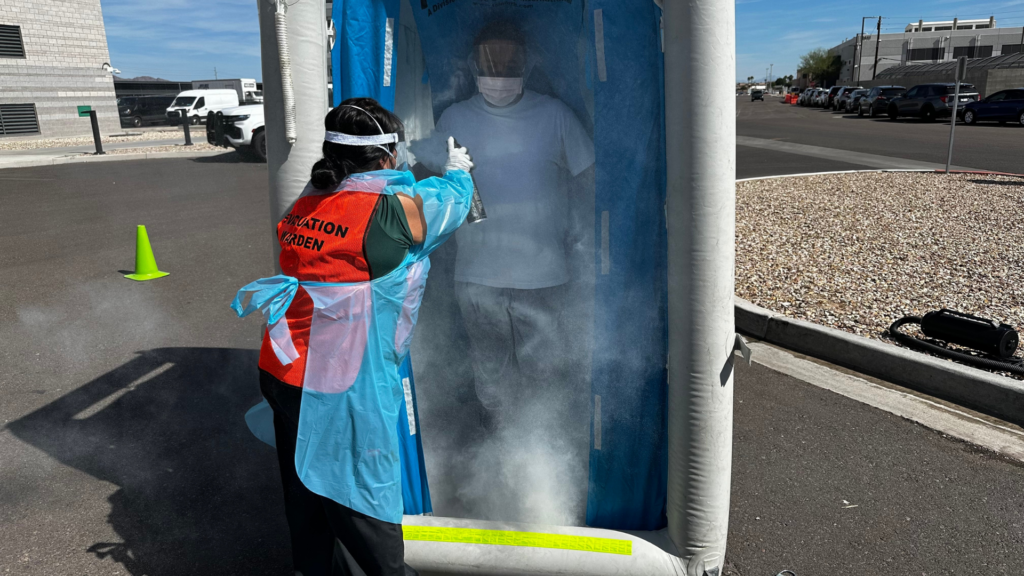
FAST-ACT® supports hazardous materials response through dry decontamination technology designed for environments where rapid deployment and operational flexibility are critical. Because FAST-ACT® does not require water or extensive setup procedures, response teams can support decontamination efforts without introducing additional operational complexity. Understanding when to use dry vs. wet decontamination procedures is especially important in open fan zone environments where water access and setup time may be significantly limited.
FAST-ACT® solutions supporting public gathering preparedness may include:
- FAST-ACT Rapid Decontamination Kit (RDK): a compact, portable response kit designed to support rapid dry decontamination and hazardous materials response in dynamic field environments
- FAST-ACT DEFEND Kit: a scalable preparedness solution designed to help responders manage contamination concerns involving fentanyl and derivatives
- FAST-ACT Pressurized Cylinders: designed for rapid deployment and broader-area application during incidents involving vapor hazards and contamination concerns
- FAST-ACT Decontamination Mitts and FAST-ACT Decontamination Wipes: portable tools designed for targeted decontamination of personnel, PPE, skin, and localized contamination areas. *CE classified as a class I medical device for use on skin and surfaces in the EU.
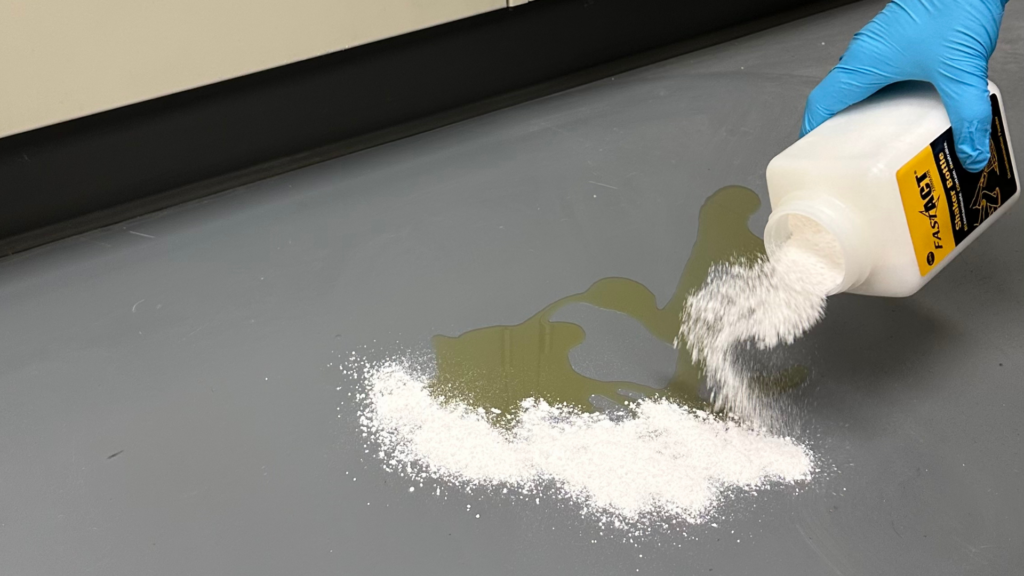
- FAST-ACT Shaker Bottle and FAST-ACT Bulk Pail: flexible deployment solutions that support contamination management across large-scale open environments
These scalable tools can help support hazardous materials response and contamination management efforts across dynamic public environments while helping organizations maintain operational continuity. Regular emergency management training ensures response teams are prepared to deploy these capabilities effectively in the fast-moving, less controlled conditions, that fan zones and open public gathering spaces present.
Strengthening Chemical Preparedness Beyond Stadiums
Fan zones, opening ceremonies, and public watch parties may not receive the same attention as stadium environments, but they create their own operational realities that emergency responders and public safety agencies must prepare for.
The combination of large crowds, unrestricted movement, multiple gathering locations, and delayed hazard recognition creates preparedness challenges extending beyond traditional venue security planning. Explore how modern chemical decontamination approaches are improving response operations in complex environments and what that means for preparedness planning ahead of the 2026 FIFA World Cup.
Follow along with our 2026 World Cup preparedness blog series as we continue exploring how hospitals, transportation systems, environmental response teams, and public safety agencies are preparing for the operational challenges surrounding large-scale public events.

About Timilon Corporation:
Timilon Corporation is the manufacturer of FAST-ACT®, a proprietary formulation of non-toxic high-performance specialty materials effective at neutralizing a wide range of toxic chemicals with the added capability to destroy chemical warfare agents. The FAST-ACT technology is utilized by leading defense agencies, chemical industrial companies, first responders and HAZMAT teams to quickly and safely eliminate chemical hazards. For more information, reach out to Leticia Menzzano, Marketing Manager, [email protected].
FAQs
How can delayed exposure complicate emergency response operations?


When symptoms from chemical exposure are not immediately visible, affected individuals may continue moving throughout cities, transportation systems, and surrounding regions before an incident is identified. This can increase operational complexity and expand the scope of response efforts.
What types of chemical threats must response teams prepare for during large public events?
Preparedness planning may involve scenarios involving toxic industrial chemicals, unknown hazardous materials, biological irritants, vapor hazards, and other CBRN threats capable of impacting large public gathering environments.
How does FAST-ACT® support chemical preparedness for fan zones?
FAST-ACT® supports hazardous materials response through dry decontamination technology designed for rapidly evolving operational environments. FAST-ACT® solutions help support contamination management efforts without requiring water or extensive setup procedures.
Why is dry decontamination important for fan zones and watch parties?
Fan zones and public gathering spaces may present limited water access, temporary infrastructure, and rapidly changing operational conditions. Dry decontamination solutions can support rapid deployment and operational flexibility during active incidents.