
Gaps between hospitals and first responders can create critical decontamination challenges during chemical incidents. Learn the five most common pitfalls and how FAST-ACT® dry decontamination helps reduce risk and strengthen response outcomes.


Tag: mass casualty incidents
Rethinking Hospital Decontamination: Why Dry Decon Belongs in Your Emergency Plan
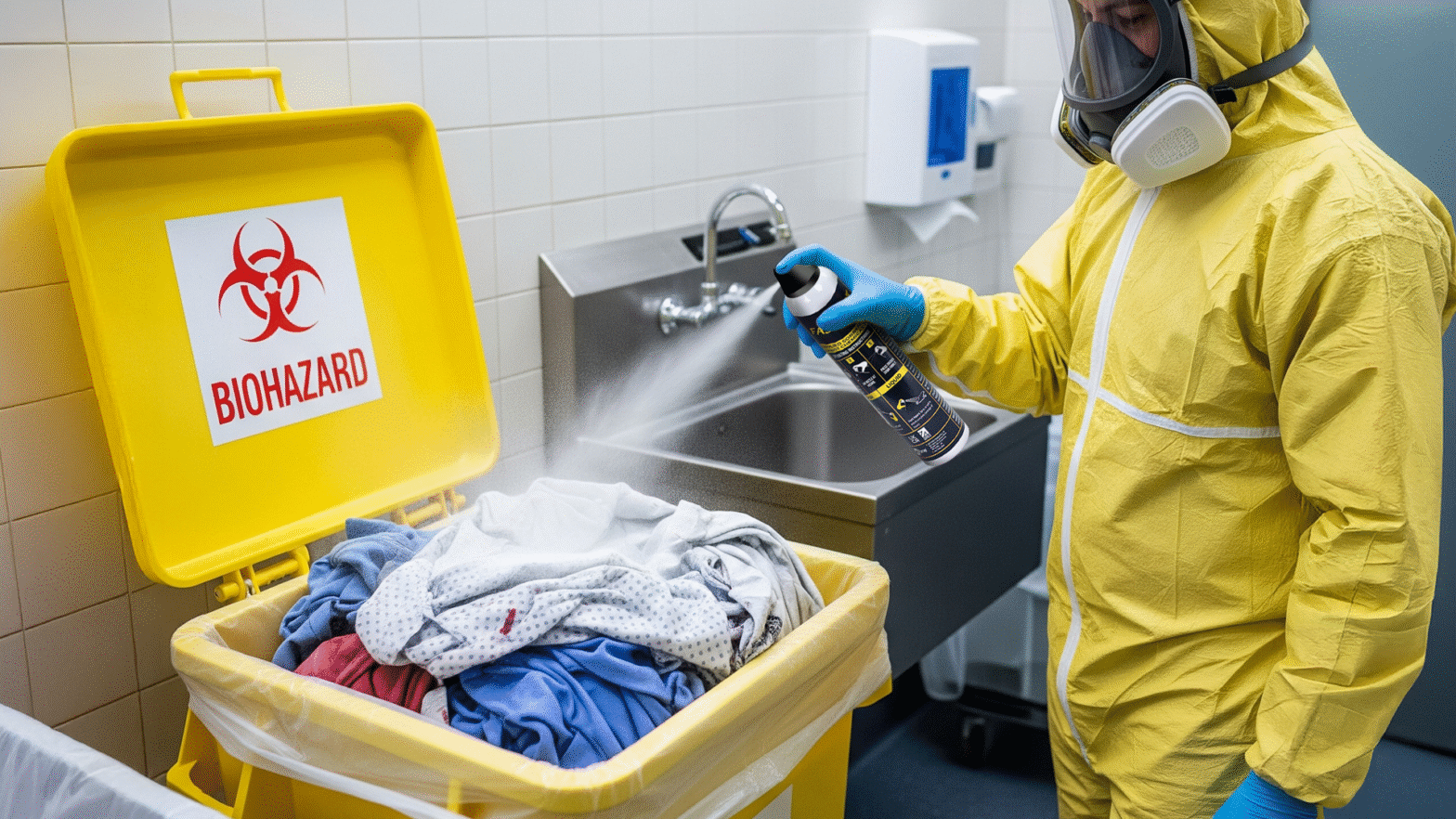
In the event of a chemical incident or mass casualty event, hospitals must act quickly to protect patients, staff, and infrastructure. Traditional water-based technical decontamination has long been a standard protocol, but it brings limitations—especially during high-pressure scenarios where rapid, scalable response is critical.