
Gaps between hospitals and first responders can create critical decontamination challenges during chemical incidents. Learn the five most common pitfalls and how FAST-ACT® dry decontamination helps reduce risk and strengthen response outcomes.


Tag: dry decontamination solutions
FAST-ACT February Highlights: Advancing Dry Decontamination Readiness Through Training and Global Engagement
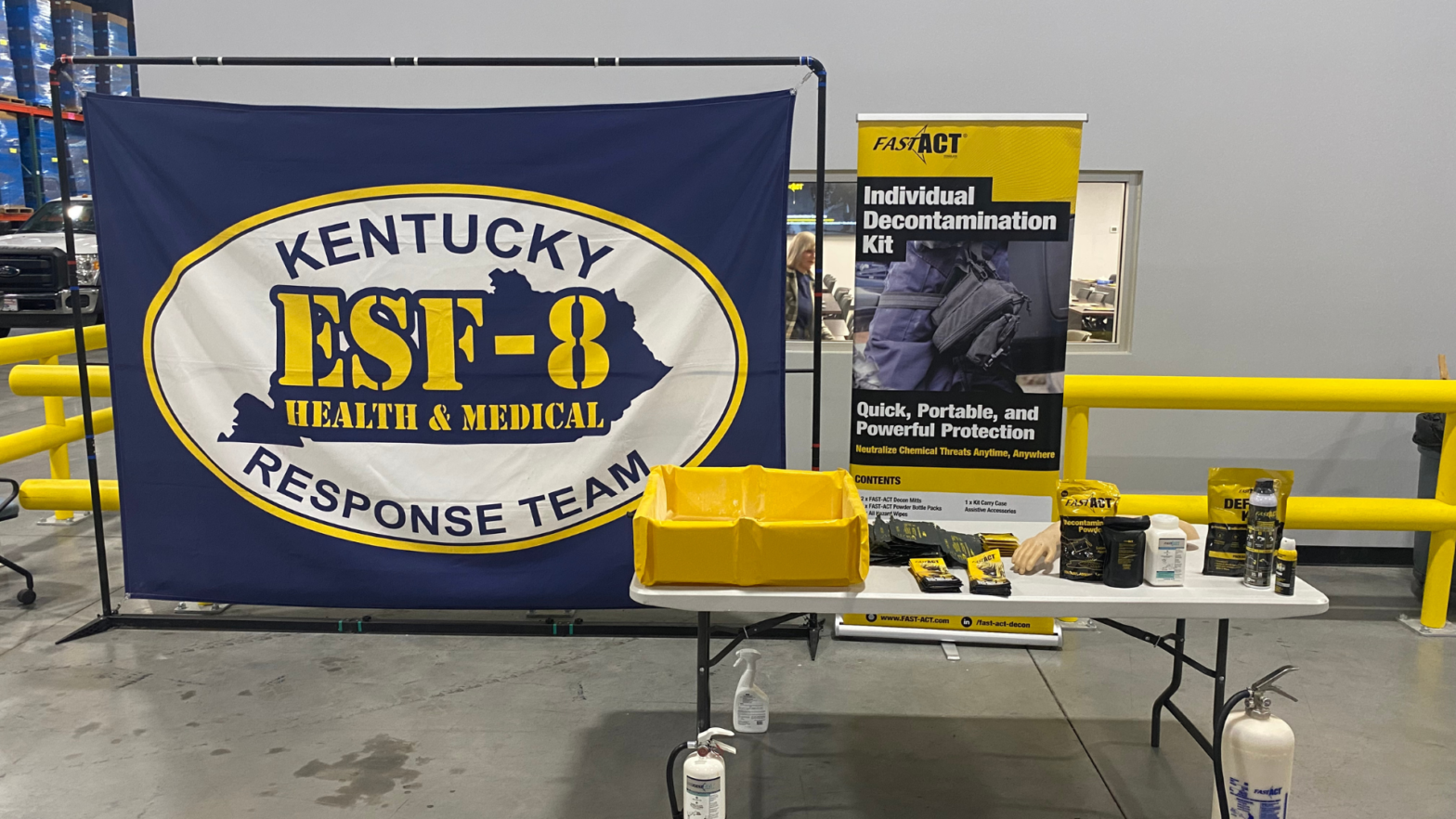
February was a strong month for FAST-ACT as our team continued supporting responder preparedness through hands-on demonstrations and international engagement.
Decontamination in High-Risk Environments: Operational Realities Across Critical Sectors
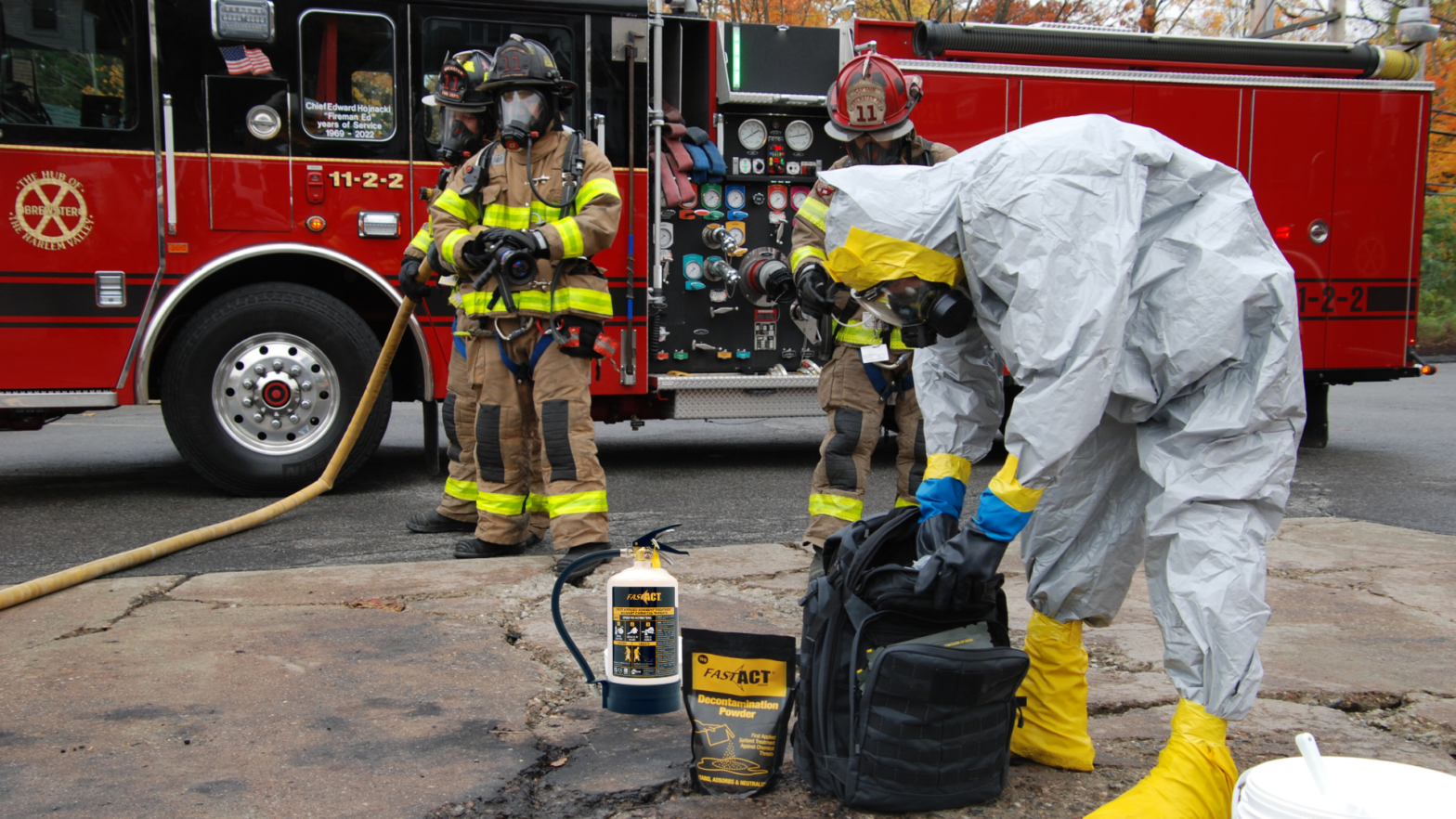
Decontamination in high-risk environments varies across sectors, each with unique operational challenges and chemical threats. Learn how FAST-ACT® dry decontamination supports rapid response, protects personnel and equipment, and maintains continuity in critical operations.
Dry Decontamination in Cold Weather: Managing Chemical and Vapor Hazards When Temperatures Drop
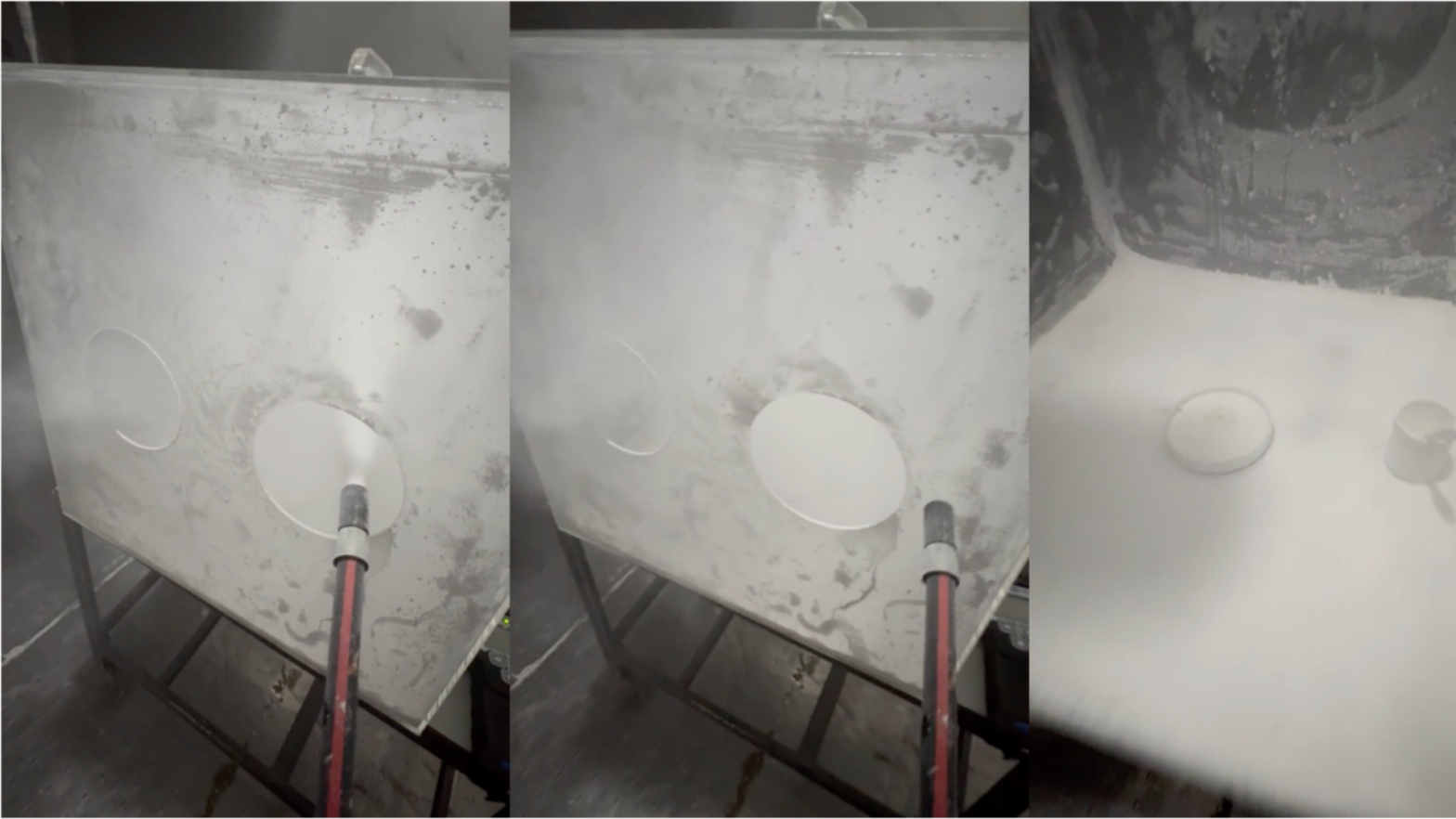
Cold weather creates significant challenges for chemical and vapor decontamination, especially when traditional methods fail. Learn how FAST-ACT® dry decontamination supports rapid response, remains effective in freezing conditions, and improves safety in extreme environments.
DOT HazMat Inspection Priorities: What PHMSA’s New Focus Means for Hazardous Materials Transport
New DOT hazmat inspection priorities are shifting focus toward high-risk materials, data-driven enforcement, and stricter oversight. Learn how FAST-ACT® dry decontamination supports preparedness, reduces risk, and strengthens response capabilities across hazardous materials transport operations.
Fentanyl Decontamination and Responder Safety: Why Federal Designation Matters for First Responders
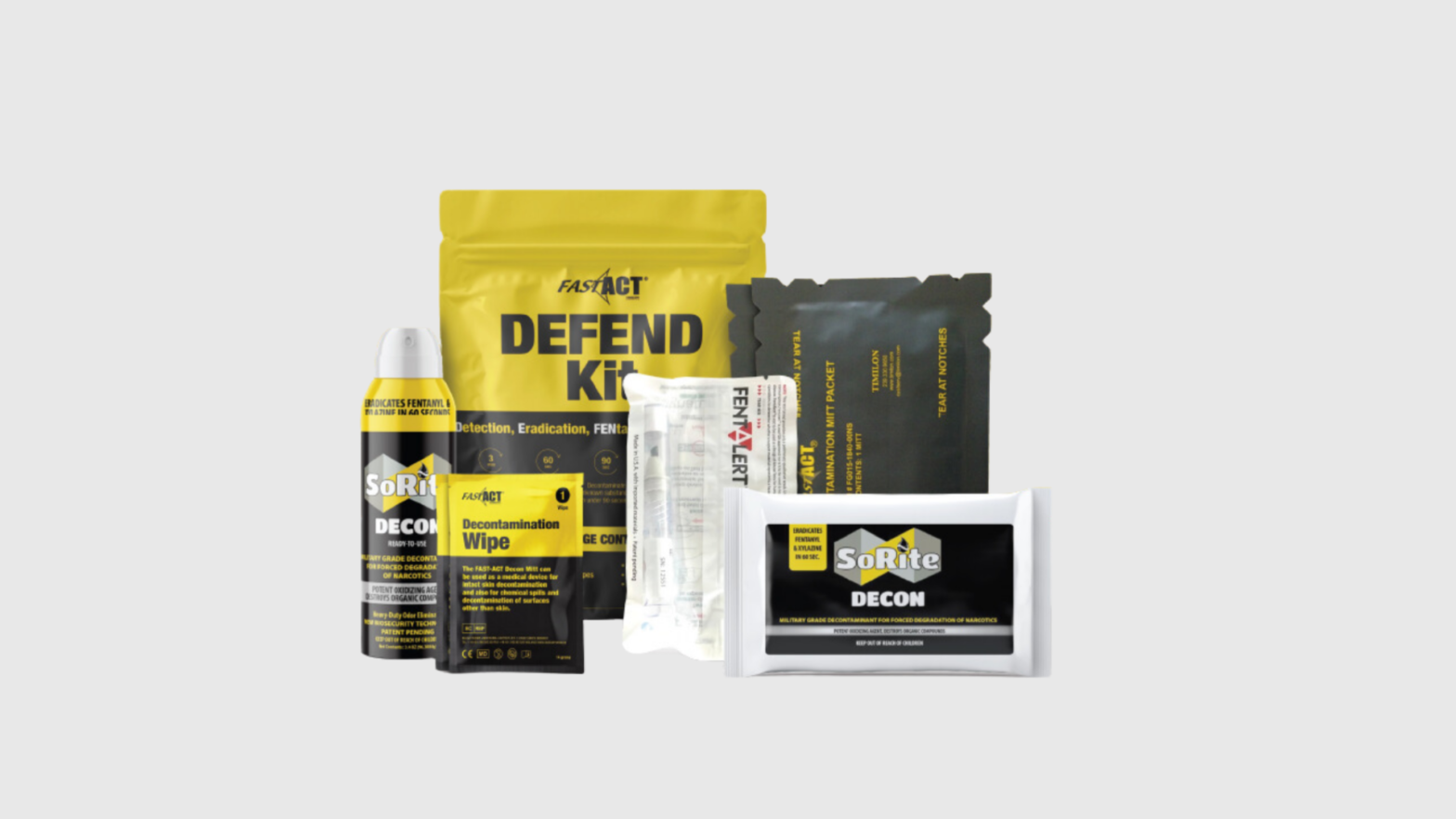
Federal designation of fentanyl as a WMD highlights its risks as a hazardous material for first responders. Learn how FAST-ACT® dry decontamination supports safer handling, reduces exposure risk, and strengthens response protocols.
What Is Your Unidentified Hazardous Materials Response Strategy?

Unidentified hazardous materials present immediate risks when response strategies are unclear or delayed. Learn how FAST-ACT® dry decontamination supports rapid assessment, reduces exposure, and strengthens response effectiveness when managing unknown chemical threats.
How Global Defense Investments Signal a Growing Need for Advanced Chemical Response Readiness

Rising global defense investments highlight the growing need for advanced chemical response readiness across sectors. This shift underscores the importance of scalable decontamination strategies that reduce risk and improve preparedness in evolving threat environments.
FAST-ACT December Event Highlights: Strengthening Chemical Response Readiness Across Agencies

This month, FAST-ACT continued advancing chemical preparedness through demonstrations and follow-up engagements with emergency response and military units.
National Environmental Awareness Month: Strengthening Environmental Chemical Hazard Response Across Industrial Operations

Chemical hazard response across industrial operations requires rapid action to protect personnel, equipment, and continuity. Effective strategies focus on neutralization, exposure reduction, and minimizing downtime in environments where hazardous materials are part of daily operations.