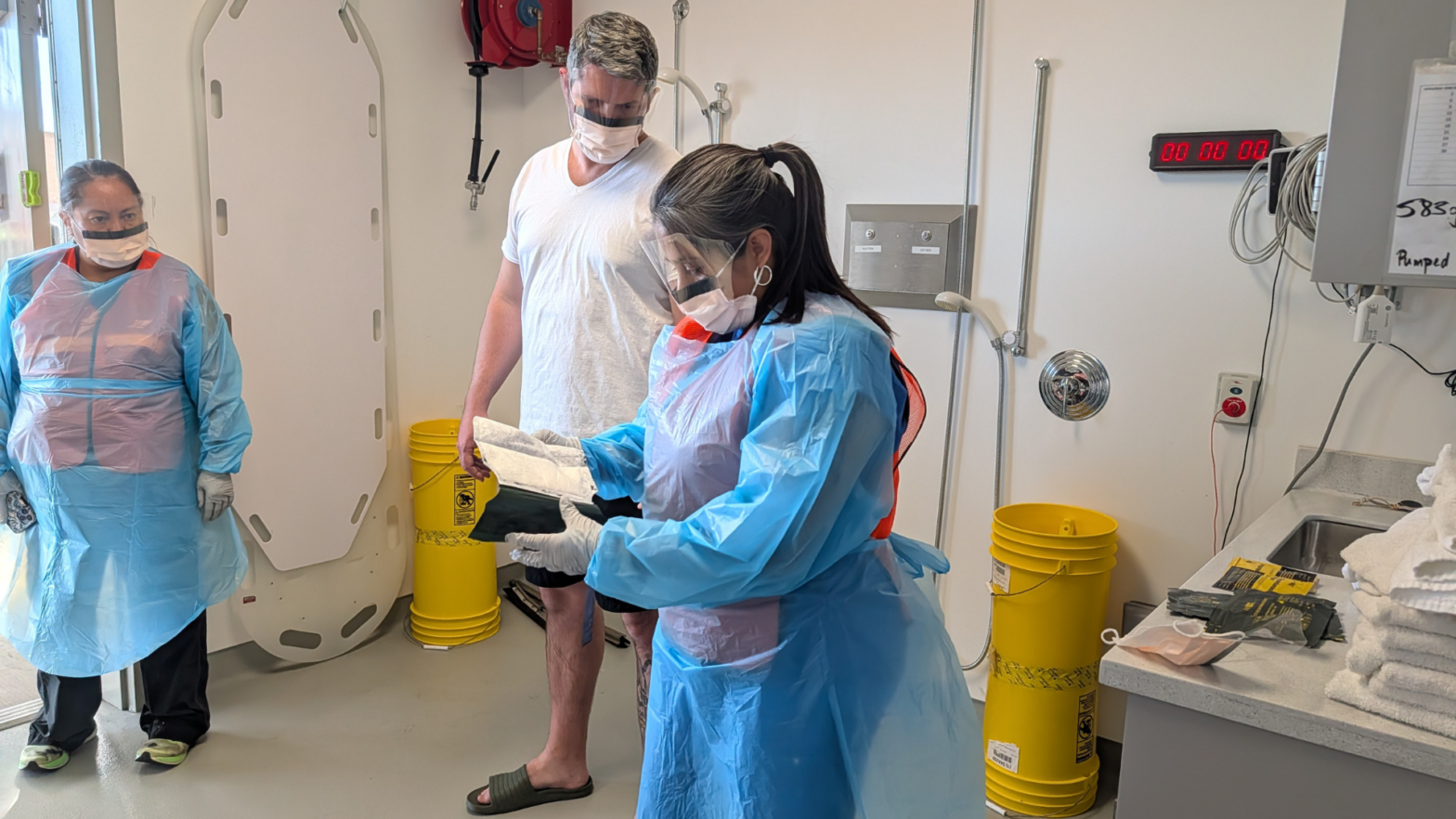
Hospital decontamination procedures are critical during chemical incidents, but the highest risk often occurs before systems are fully in place. This blog explores zones, triage, and the importance of early response.


Tag: ppe decontamination
DOT HazMat Inspection Priorities: What PHMSA’s New Focus Means for Hazardous Materials Transport
New DOT hazmat inspection priorities are shifting focus toward high-risk materials, data-driven enforcement, and stricter oversight. Learn how FAST-ACT® dry decontamination supports preparedness, reduces risk, and strengthens response capabilities across hazardous materials transport operations.
How Global Defense Investments Signal a Growing Need for Advanced Chemical Response Readiness

Rising global defense investments highlight the growing need for advanced chemical response readiness across sectors. This shift underscores the importance of scalable decontamination strategies that reduce risk and improve preparedness in evolving threat environments.
FAST-ACT December Event Highlights: Strengthening Chemical Response Readiness Across Agencies

This month, FAST-ACT continued advancing chemical preparedness through demonstrations and follow-up engagements with emergency response and military units.
Why Combined Wet and Dry Decontamination Is the New Gold Standard for Hospital Emergency Preparedness
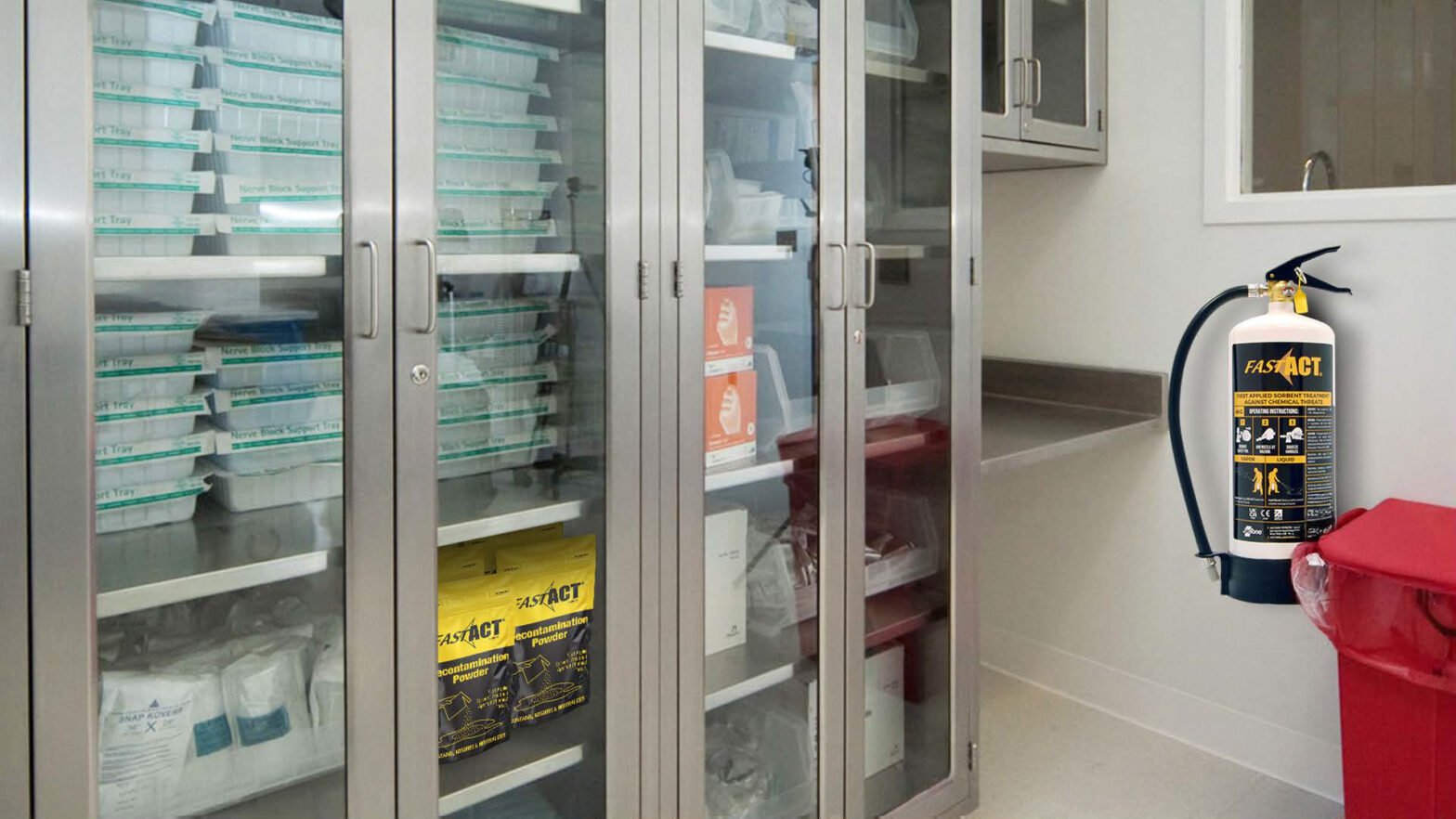
Combining wet and dry decontamination improves hospital response by addressing a wider range of chemical hazards. This integrated approach enhances speed, reduces exposure risks, and supports more effective patient care during complex incidents.
FAST-ACT Dry Decontamination Demo Strengthens Chemical Response Readiness in Dallas, TX
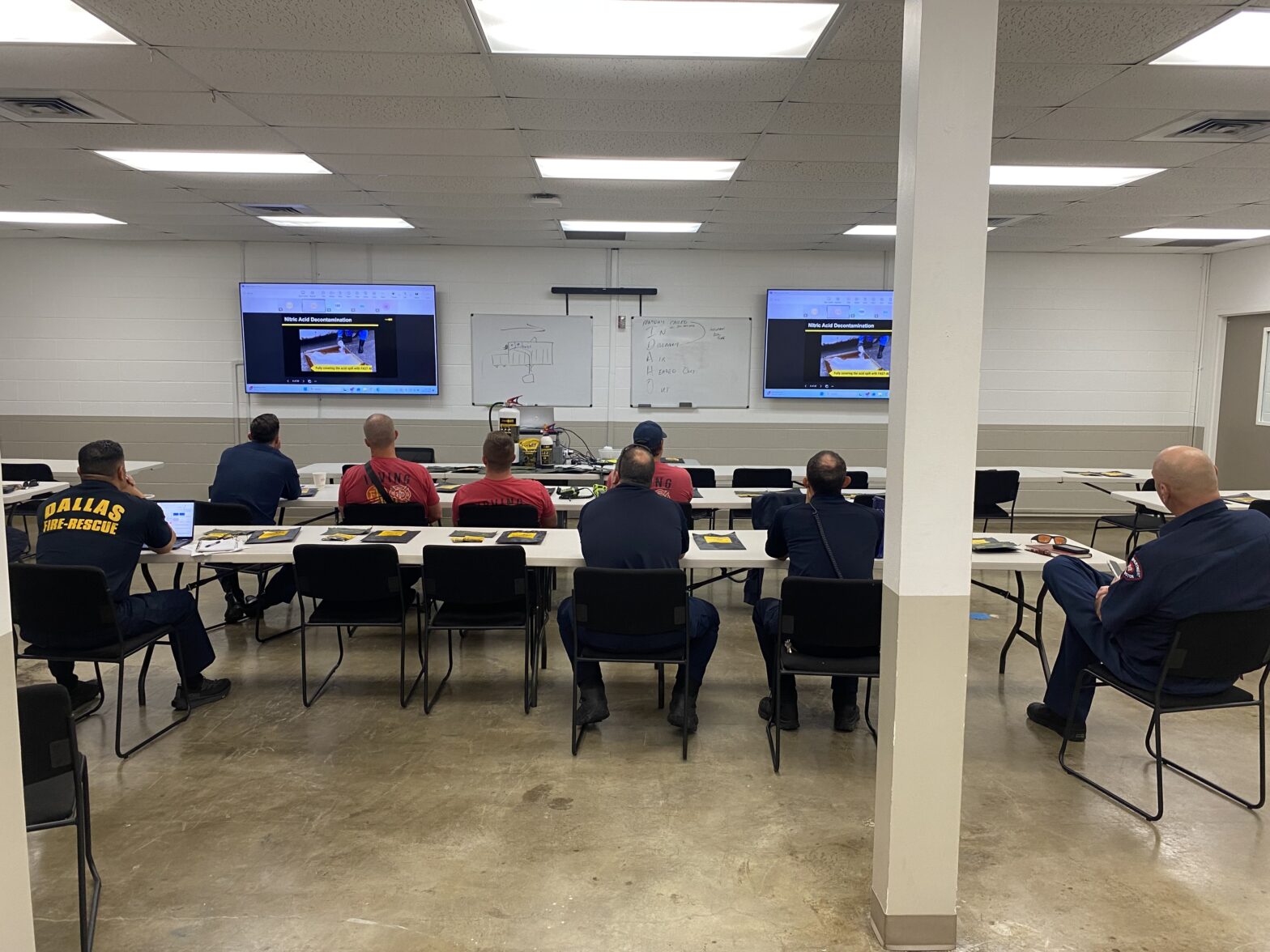
FAST-ACT conducted a live dry decontamination demonstration with the Dallas Fire Department and multiple Dallas-area agencies, showcasing how first responders can rapidly and safely neutralize chemical threats using FAST-ACT technology.
Hospital Dry Decontamination: A Faster, More Efficient Approach to Emergency Response
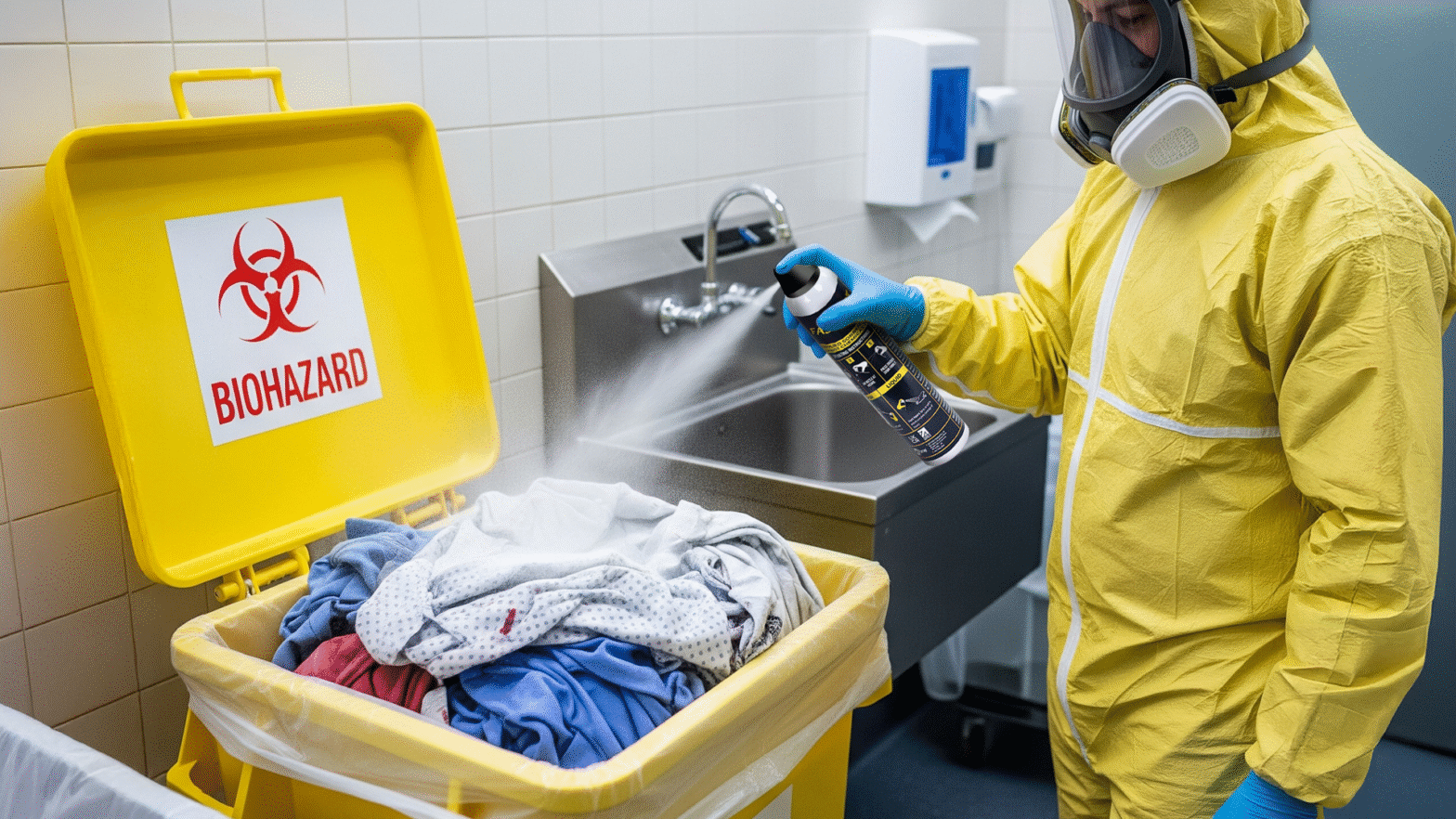
Hospital dry decontamination enables faster emergency response by eliminating delays associated with traditional water-based systems. This approach improves efficiency, reduces resource demands, and supports safer patient and staff management during chemical incidents.
FAST-ACT September Event Highlights: Expanding Training & Global Engagement
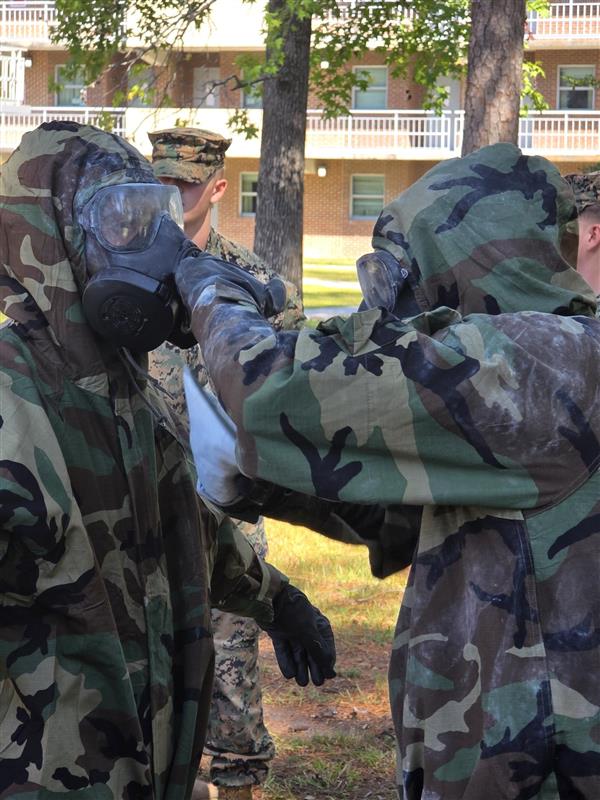
This September, FAST-ACT continues its mission of equipping first responders and defense partners with proven chemical decontamination solutions.
Advantages of Dry Decontamination in Extremely Cold Temperatures
Dry Decontamination in extremely cold temperatures presents a critical solution, ensuring effective contaminant removal without water, allowing for safer and more efficient hazmat response in harsh environments. Explore FAST-ACT dry decontamination solutions for extreme weather conditions.
The Rise of Electric Vehicles Fires and Effective PPE Decontamination for First Responders

As electric vehicles (EVs) become increasingly prevalent, first responders face new challenges associated with lithium-ion battery fires.