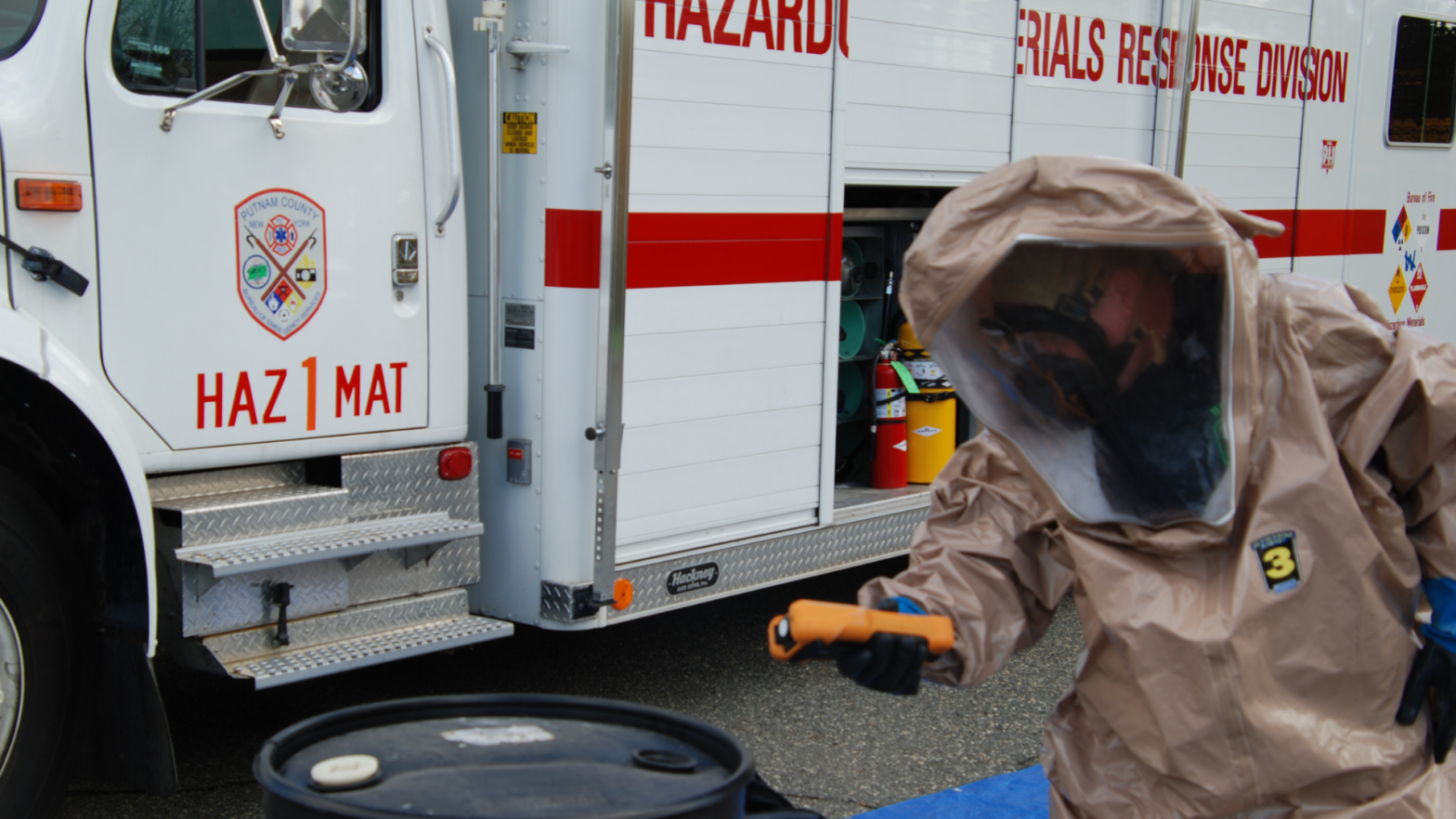
Fire and HAZMAT teams may encounter chemical contamination before full technical decontamination is established. Learn how emergency, interim, and dry decontamination can support early response, contamination control, and coordination with receiving hospitals.


Tag: HAZMAT training
What the Latest HAZMAT Study Teaches Us About Hazardous Materials Response
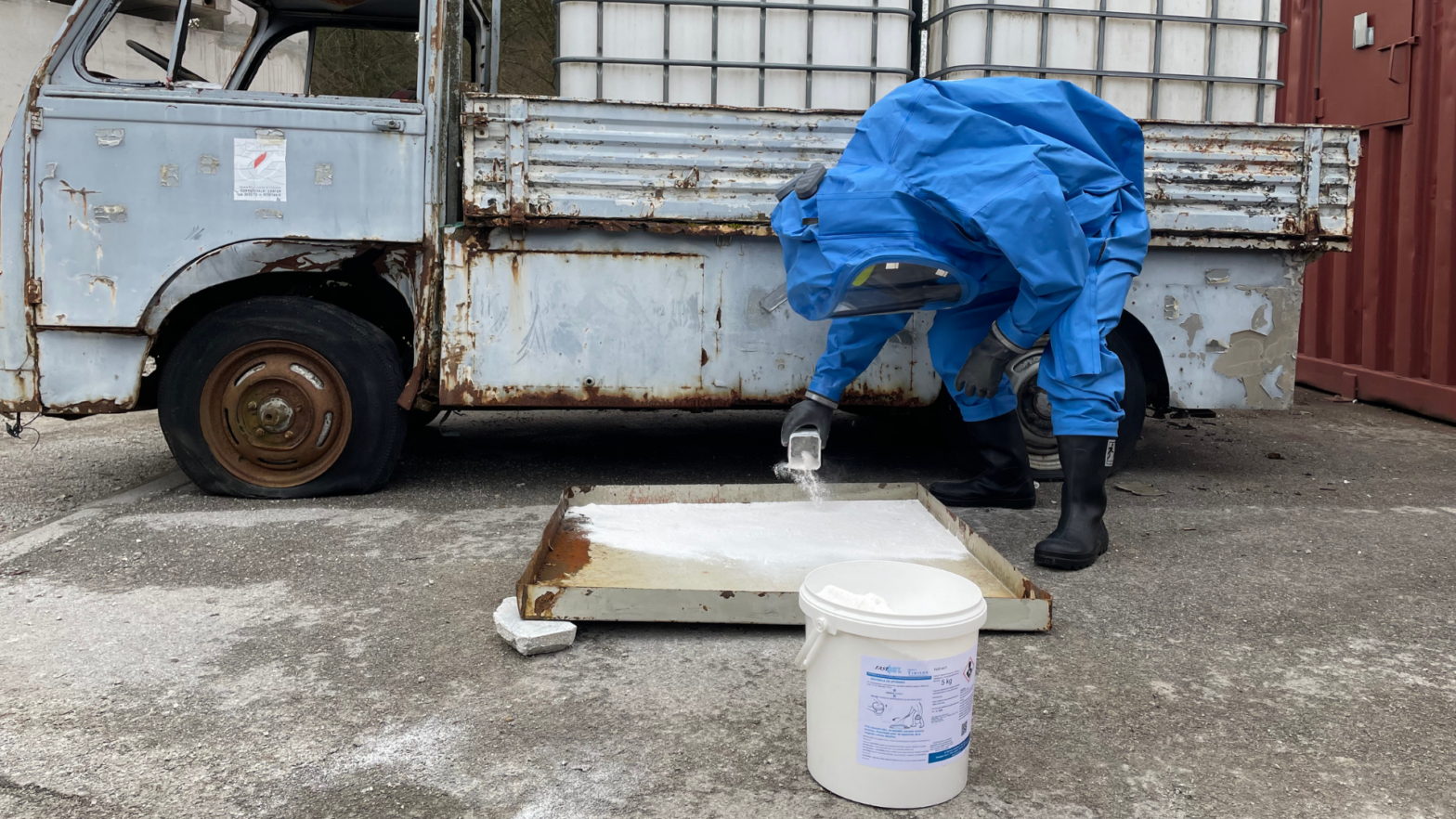
Learn what the latest hazardous materials incident data reveals about chemical response, decontamination, and emergency preparedness—and how organizations can improve responder safety.
DOT HazMat Inspection Priorities: What PHMSA’s New Focus Means for Hazardous Materials Transport
New DOT hazmat inspection priorities are shifting focus toward high-risk materials, data-driven enforcement, and stricter oversight. Learn how FAST-ACT® dry decontamination supports preparedness, reduces risk, and strengthens response capabilities across hazardous materials transport operations.
How Global Defense Investments Signal a Growing Need for Advanced Chemical Response Readiness

Rising global defense investments highlight the growing need for advanced chemical response readiness across sectors. This shift underscores the importance of scalable decontamination strategies that reduce risk and improve preparedness in evolving threat environments.
National Environmental Awareness Month: Strengthening Environmental Chemical Hazard Response Across Industrial Operations

Chemical hazard response across industrial operations requires rapid action to protect personnel, equipment, and continuity. Effective strategies focus on neutralization, exposure reduction, and minimizing downtime in environments where hazardous materials are part of daily operations.
When Seconds Matter: Why Annual Decontamination Training is Critical for Emergency Response Teams

Annual decontamination training ensures responders stay sharp, adapt to new threats, and master the latest technologies. Without it, critical skills fade, and response efficiency suffers. Don’t wait until an emergency to find gaps in readiness. Discover why ongoing training is essential for protecting both responders and the public.