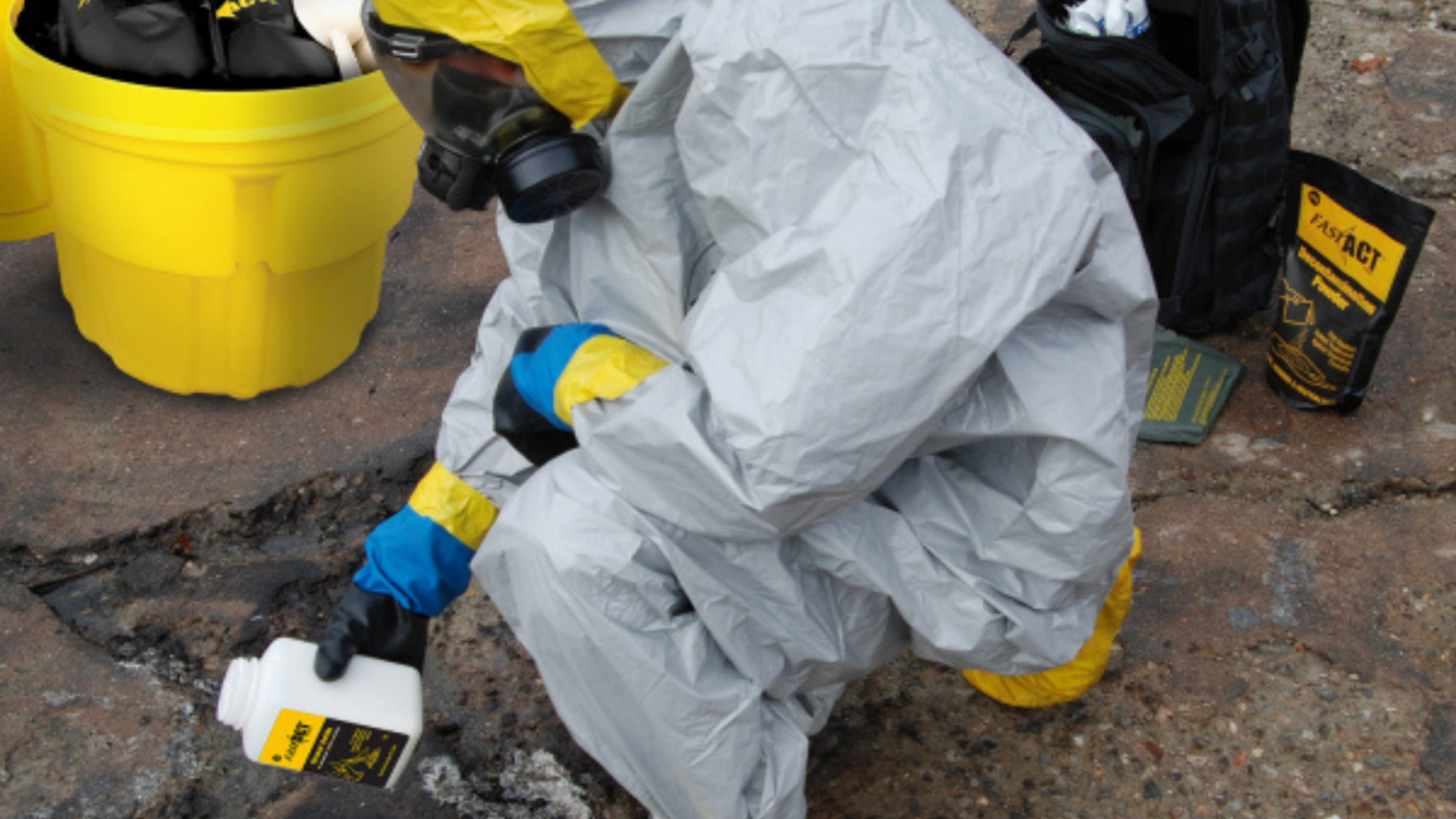
On May 26, 2026, a 900,000-gallon chemical tank at the Nippon Dynawave facility in Longview, Washington catastrophically failed, despite three inspections flagging it as unsafe. Learn what the timeline of warnings teaches industrial facilities about chemical spill preparedness and early response.


Tag: industrial chemical spills
Hazardous Materials Emergency Response: What Recent Incidents Teach First Responders
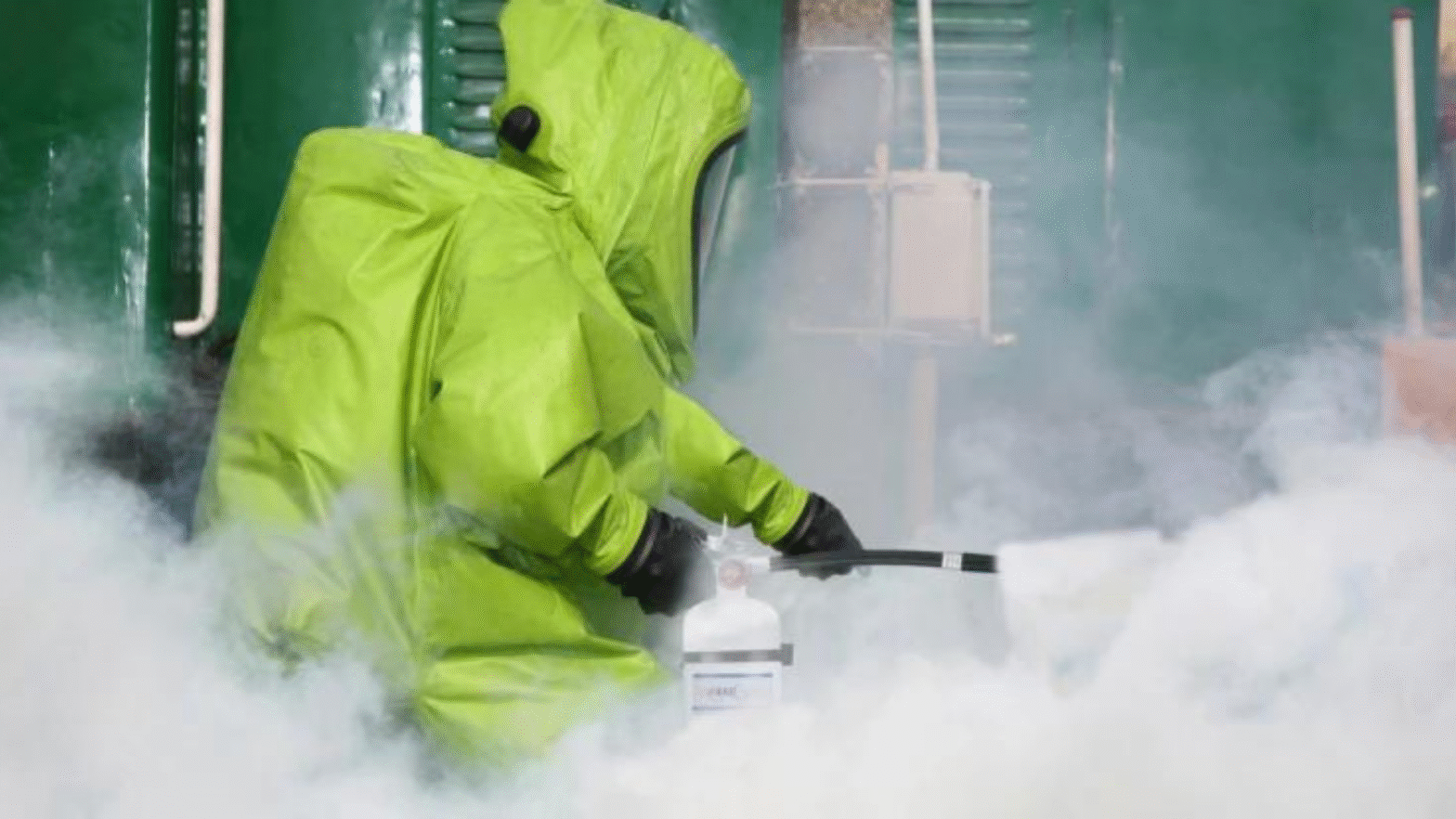
Hazardous materials emergencies can develop quickly from unexpected chemical reactions, equipment failures, unknown substances, or toxic vapor releases. Learn how first responders can prepare for chemical hazards, manage vapor threats, reduce secondary contamination, and strengthen decontamination capabilities.
What the Longview Paper Mill Disaster Teaches Us About Industrial Chemical Spill Preparedness
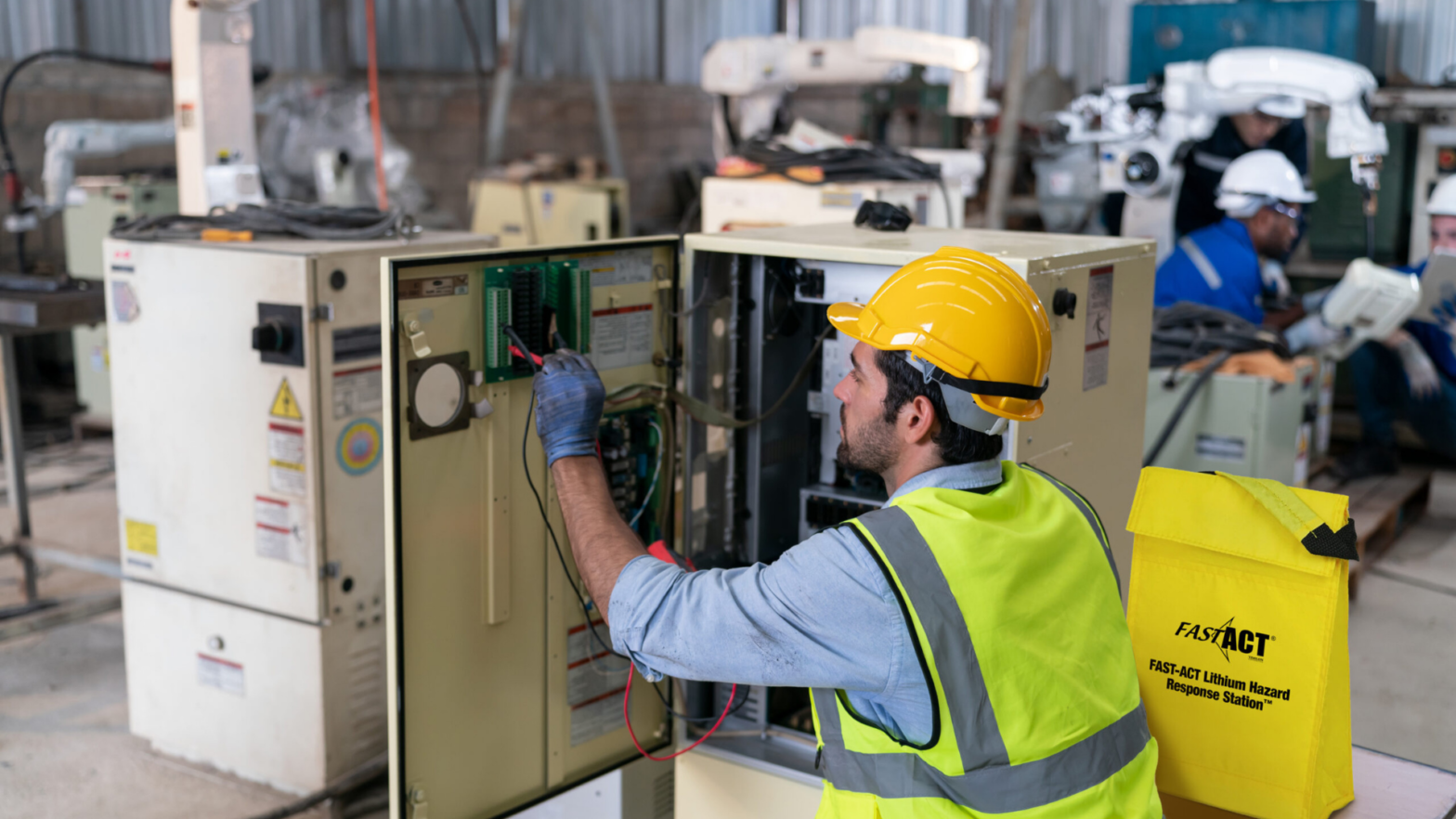
The Longview paper mill disaster highlights why industrial chemical spill preparedness is critical. Learn how facilities can improve chemical spill response, contamination management, and worker safety before an incident occurs.
Chemical Spill Response: Reducing Risk and Cleanup Complexity from the Start
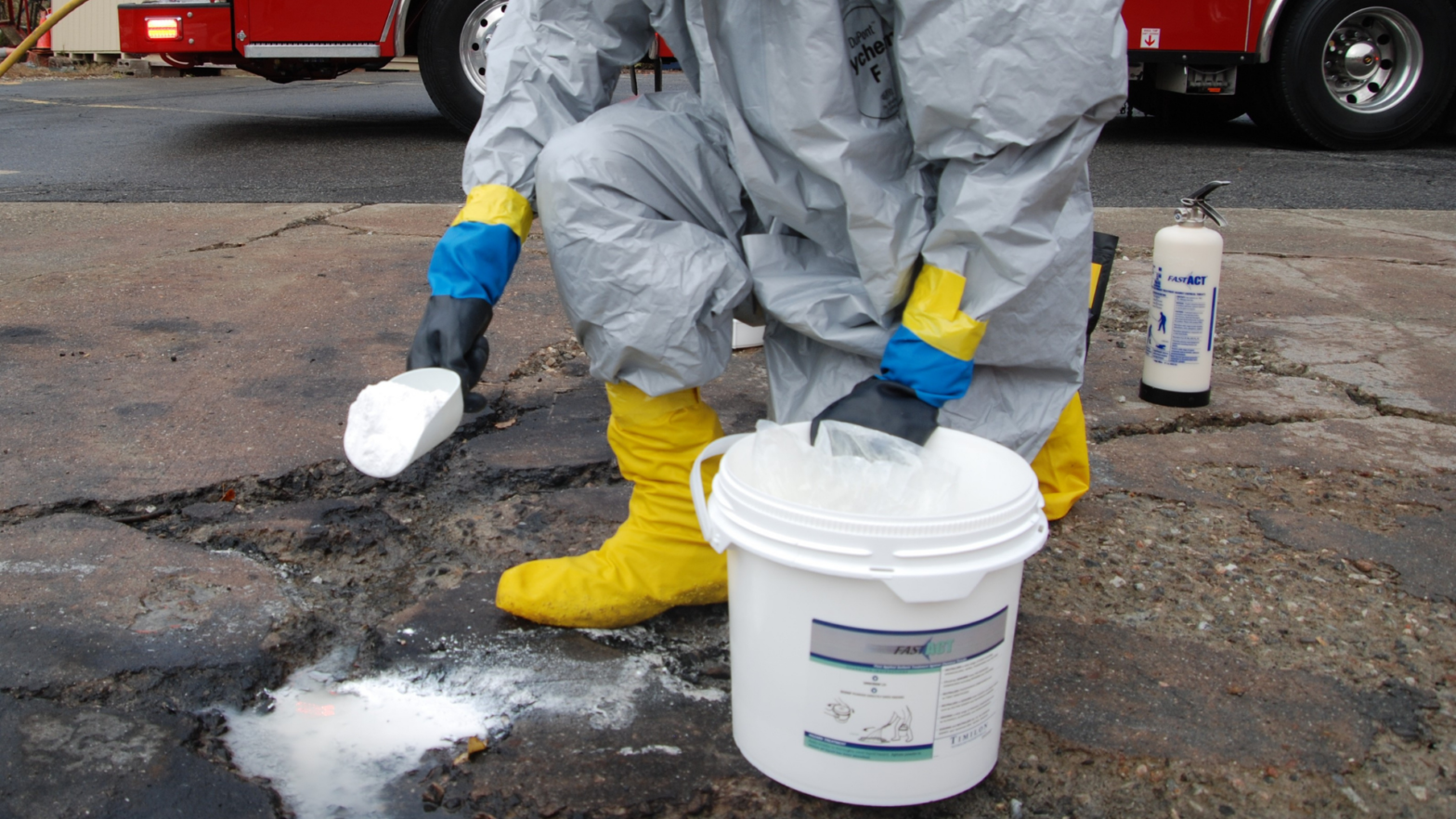
Chemical spill response requires more than containment alone. This article explores the challenges of managing unknown hazardous chemical spills, the risks of active contamination, and how FAST-ACT® supports rapid containment, neutralization, and cleanup efficiency across complex response environments.
Hazardous Materials Shipping by Air: Why Compliance Matters and What Happens When It Fails

Hazardous materials shipping by air carries serious risks when compliance fails. This blog explores common failures and how FAST-ACT supports rapid response to chemical spills, vapor hazards, and unknown exposures in transportation environments.
DOT HazMat Inspection Priorities: What PHMSA’s New Focus Means for Hazardous Materials Transport
New DOT hazmat inspection priorities are shifting focus toward high-risk materials, data-driven enforcement, and stricter oversight. Learn how FAST-ACT® dry decontamination supports preparedness, reduces risk, and strengthens response capabilities across hazardous materials transport operations.
National Environmental Awareness Month: Strengthening Environmental Chemical Hazard Response Across Industrial Operations

Chemical hazard response across industrial operations requires rapid action to protect personnel, equipment, and continuity. Effective strategies focus on neutralization, exposure reduction, and minimizing downtime in environments where hazardous materials are part of daily operations.
Understanding Lithium-Ion Battery Chemical Hazards: What Recent Incidents Teach Us About Preparedness

Lithium-ion battery incidents highlight evolving chemical hazards, including toxic gases, fires, and re-ignition risks. Understanding these threats is critical to improving preparedness, strengthening response strategies, and protecting responders and communities from emerging energy-related hazards.
When Seconds Matter: Lessons in Chemical Incident Preparedness from the Tennessee Explosion
The Tennessee explosion highlights how quickly chemical incidents can escalate, causing widespread damage and loss of life. These events reinforce the need for immediate response, effective containment, and preparedness strategies to reduce risk and improve outcomes.
Why Effective Chemical Spill Response Matters in Industrial Settings
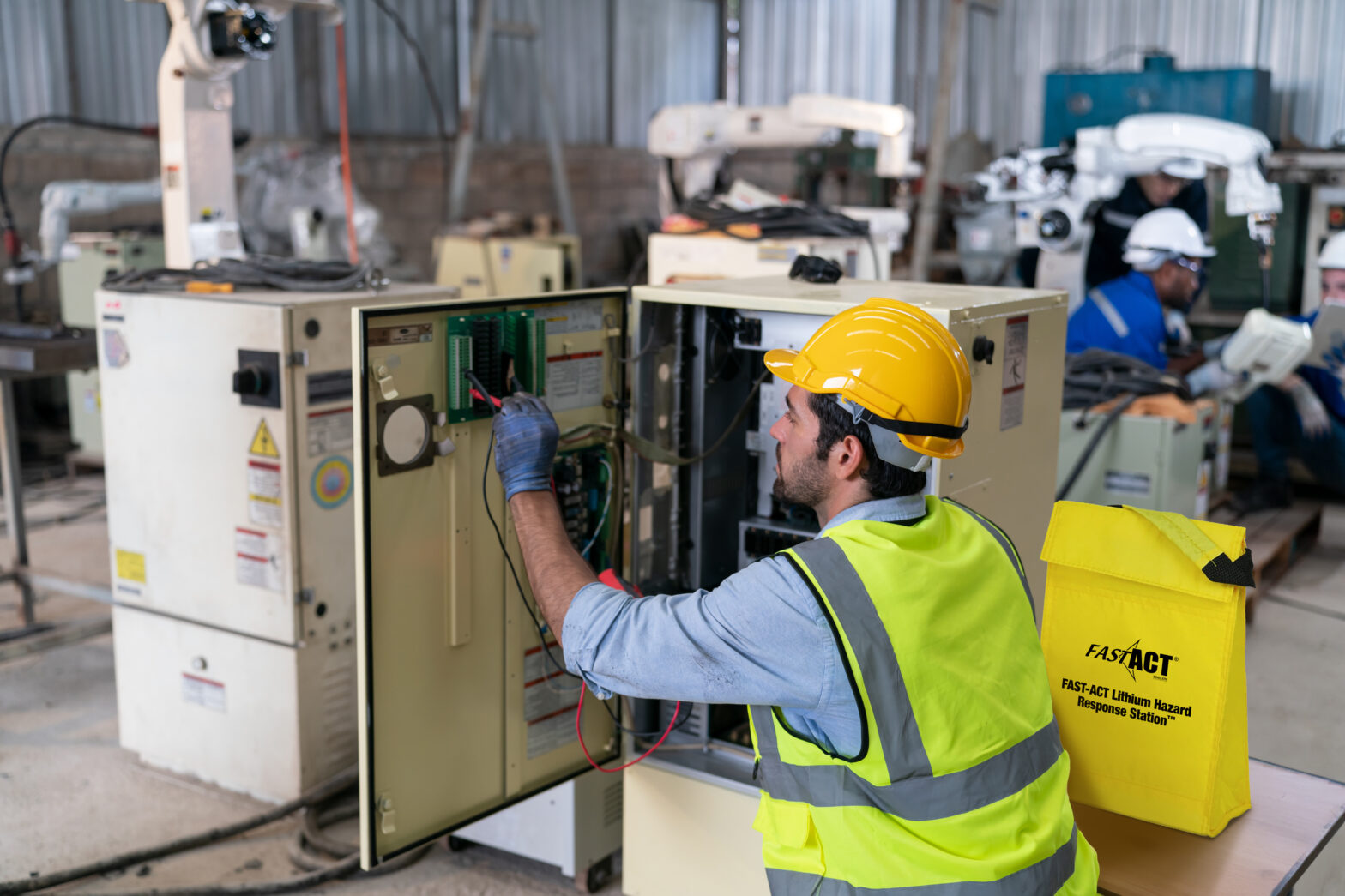
We’ll look at several industries where chemical spills are a pressing concern—including lithium-ion battery facilities, mining operations, and transportation hubs such as airports and ports—and explore how the right tools and response strategies can protect workers, reduce risks, and keep operations running safely.