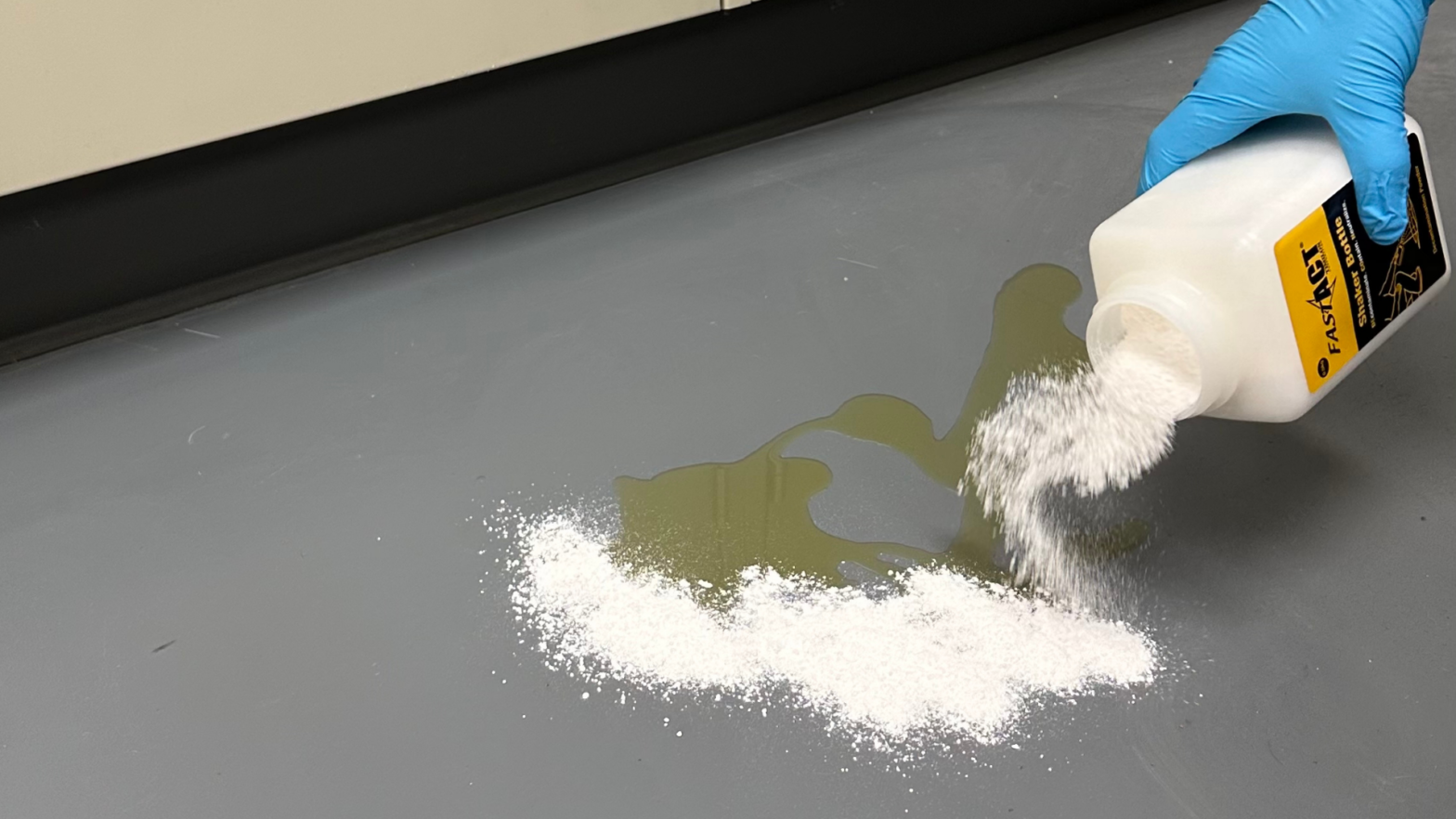
Suspicious substance incidents targeting political offices are rising ahead of the 2026 midterms, with at least 36 lawmakers and election offices in 10 states receiving suspicious envelopes in a coordinated wave. Learn why protective detail teams need a chemical response plan and how dry decontamination supports VIP security preparedness.


Tag: rapid decontamination
The Hidden Threat of Contaminated Clothing: Off-Gassing After Chemical Exposure
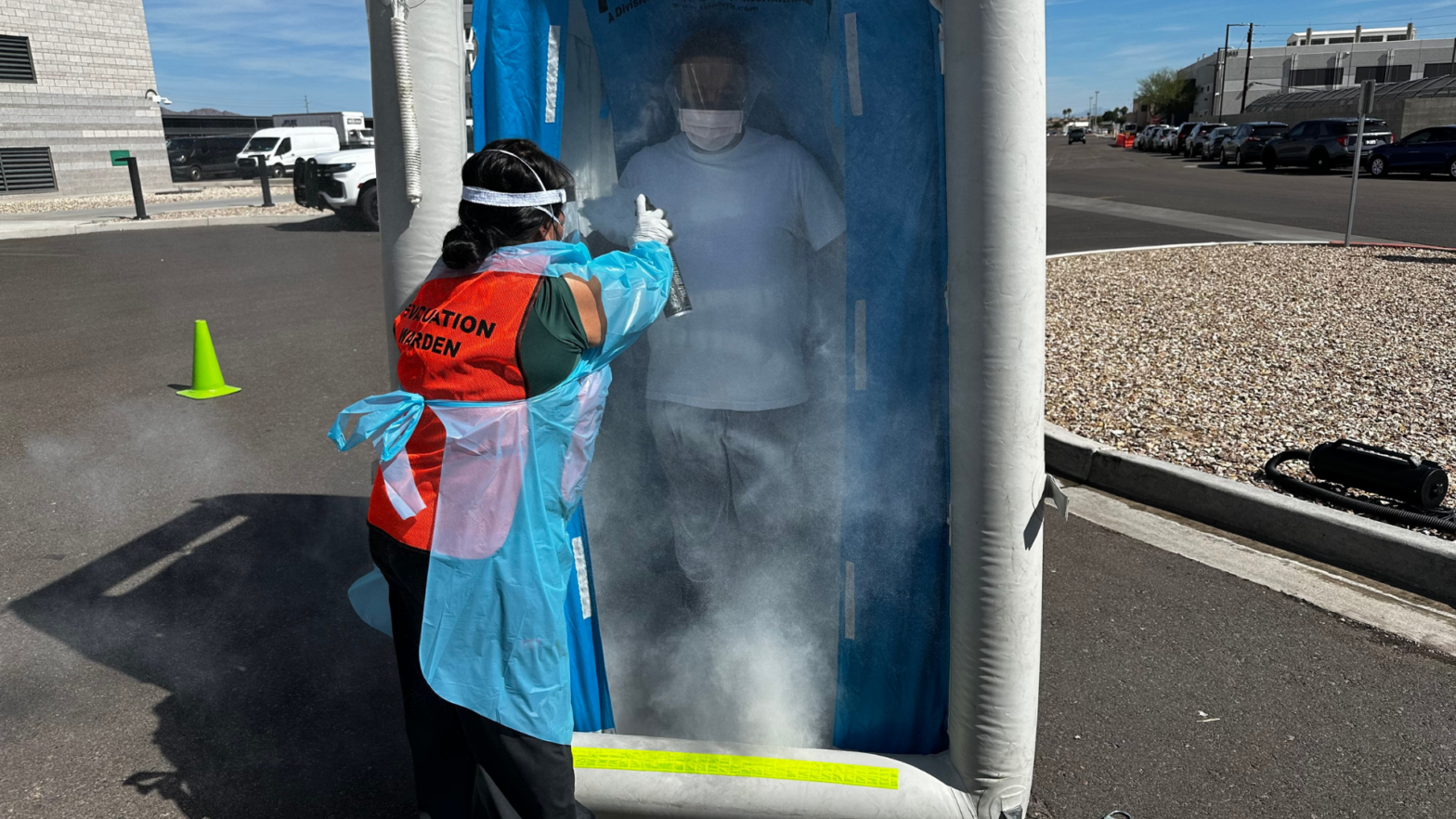
Learn why contaminated clothing continues to release hazardous vapor after chemical exposure, and how early clothing removal and dry decontamination can help EMS, Fire and HAZMAT teams, and hospital first receivers manage that risk before full decontamination is established.
Where Dry Decontamination Fits in Hospital Chemical Response
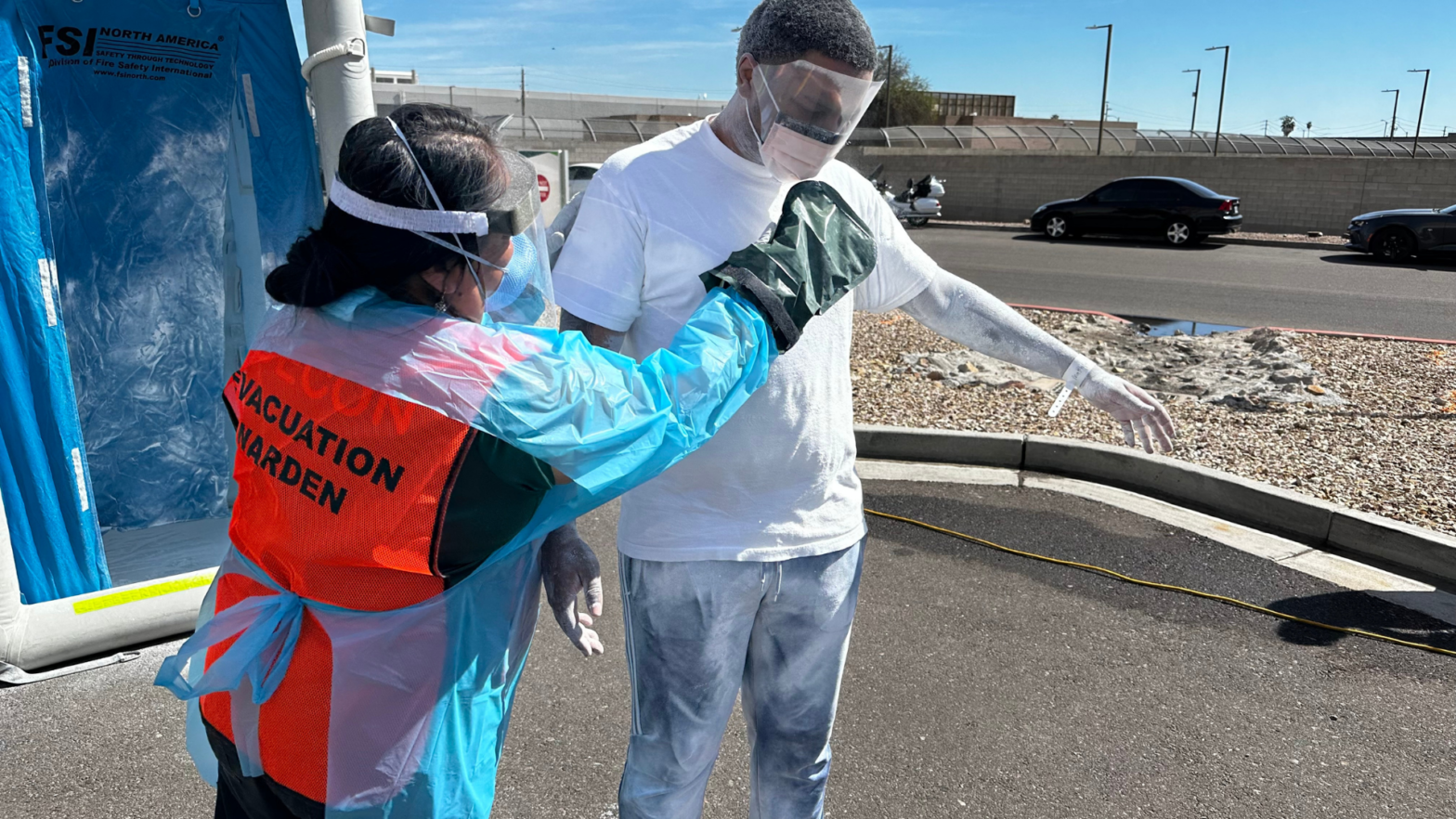
When a contaminated patient arrives before full hospital decontamination is ready, healthcare teams need options for managing the early response. Learn how dry decontamination can help hospitals address chemical contamination while supporting staff safety.
Dry Decontamination Isn’t Always the Finish Line: Where It Fits in Fire & HAZMAT Response
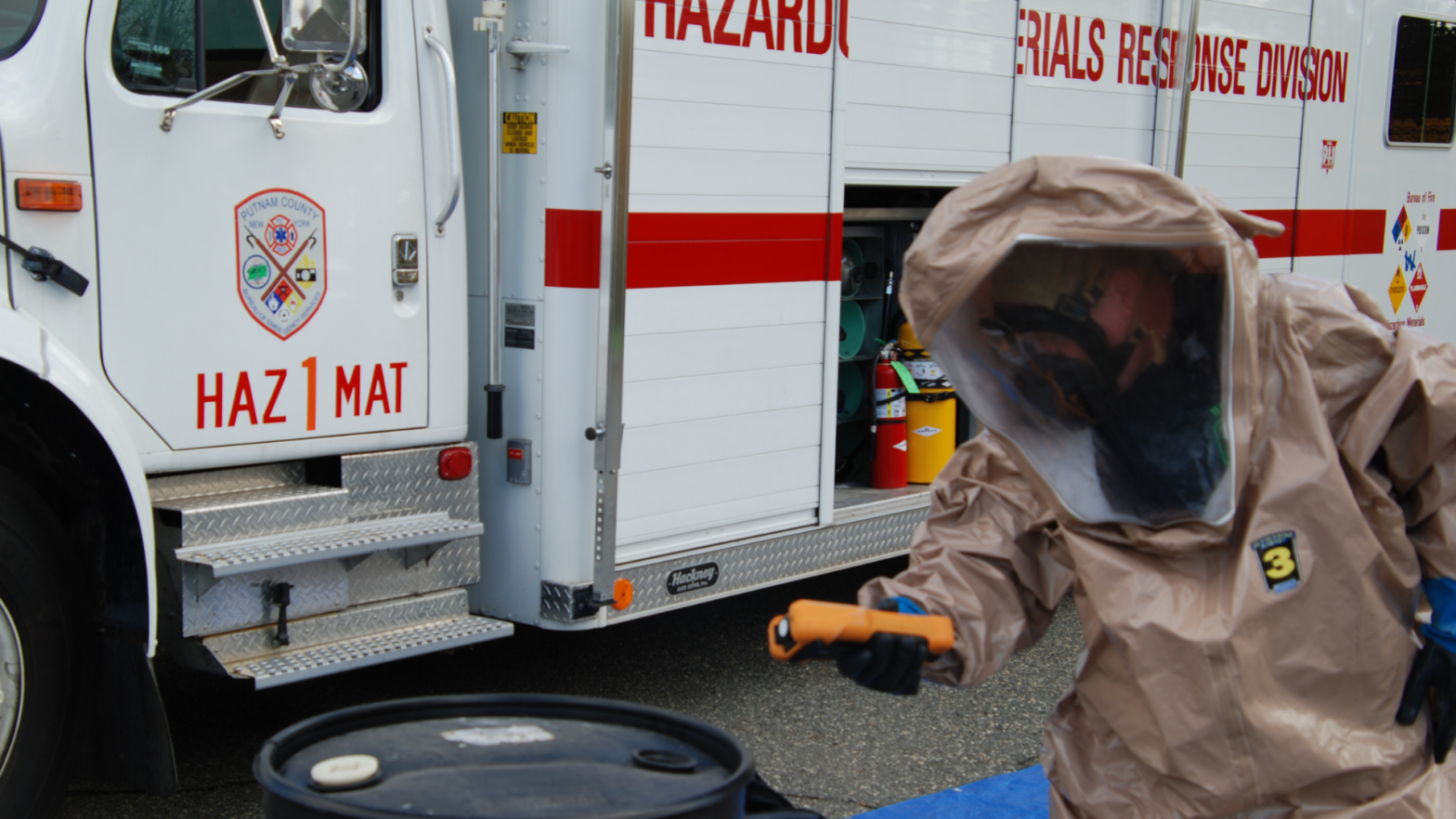
Fire and HAZMAT teams may encounter chemical contamination before full technical decontamination is established. Learn how emergency, interim, and dry decontamination can support early response, contamination control, and coordination with receiving hospitals.
Dry Decontamination Isn’t the Finish Line: Where It Fits in EMS Chemical Response
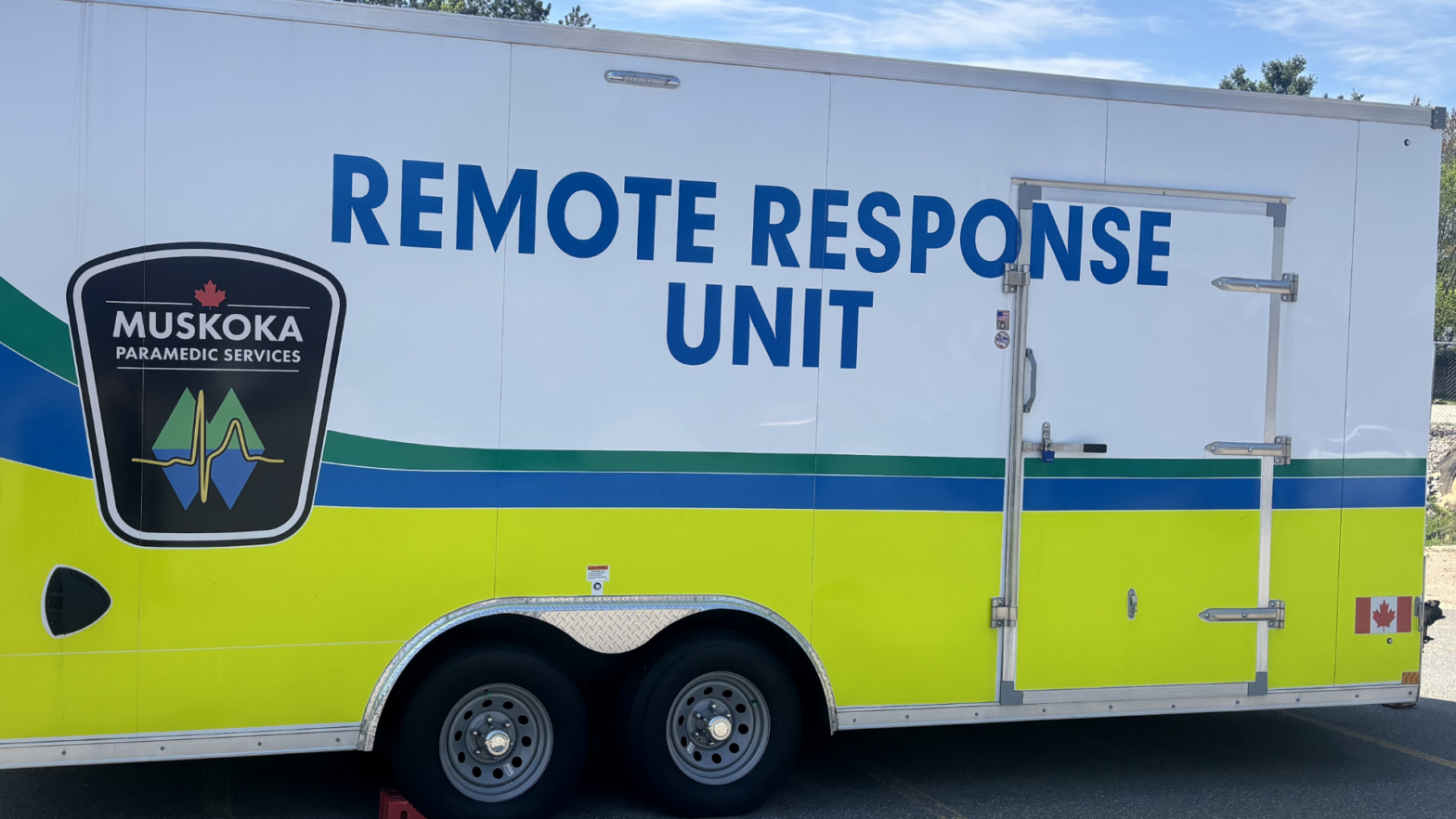
EMS may encounter chemically contaminated patients before full HAZMAT decontamination is established. Learn how early dry decontamination can help manage contamination, reduce secondary exposure, and bridge the gap to comprehensive decontamination.
Before Full Decontamination Is Ready: What Should First Responders Do in the First Minutes?
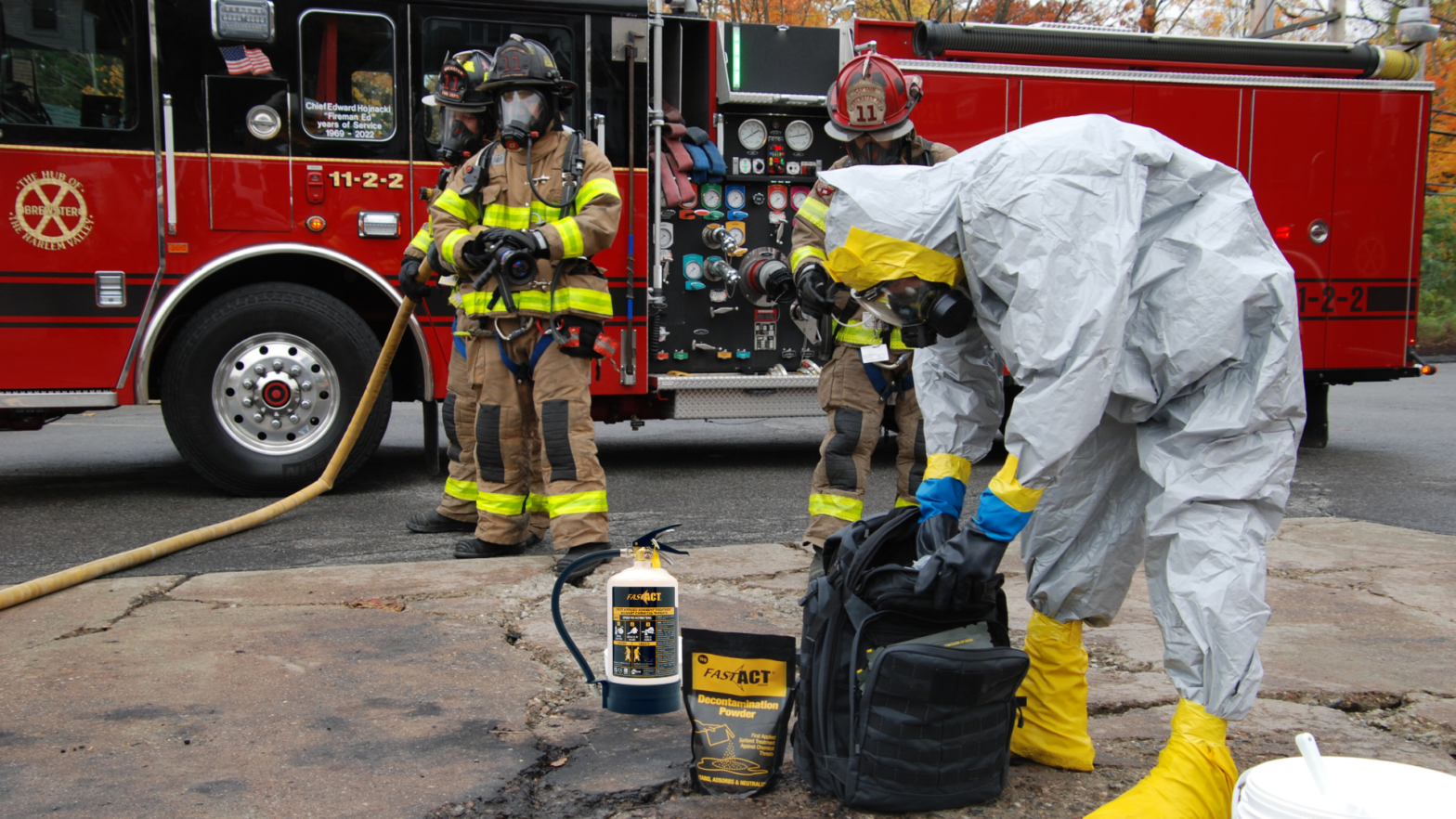
Full technical decontamination takes time to establish. Learn what Fire and HAZMAT teams can do during the critical early response window to protect responders, manage contamination, coordinate with EMS, and begin appropriate decontamination.
EMS HAZMAT Hospital Coordination: What Needs to Happen Before the Patient Reaches the Hospital
Effective EMS-Hospital HAZMAT coordination starts before the patient reaches the emergency department. Learn how early communication, standardized handoffs, and dry decontamination can help reduce risk during chemical incidents.
Who Responds to a Chemical Spill? Understanding the Role of Every Agency During a HAZMAT Incident
When a hazardous materials incident occurs, most people expect the local fire department to handle the emergency. In reality, chemical spill response often requires a coordinated effort between multiple agencies, each bringing specialized training, equipment, and expertise to safely manage the incident. A recent response in Lexington, Massachusetts demonstrates why. On July 20, 2026, the Lexington Fire Department responded after a… Continue reading Who Responds to a Chemical Spill? Understanding the Role of Every Agency During a HAZMAT Incident
Join Our FREE Expert Panel Discussion on Standardizing Rapid Hazardous Materials Response
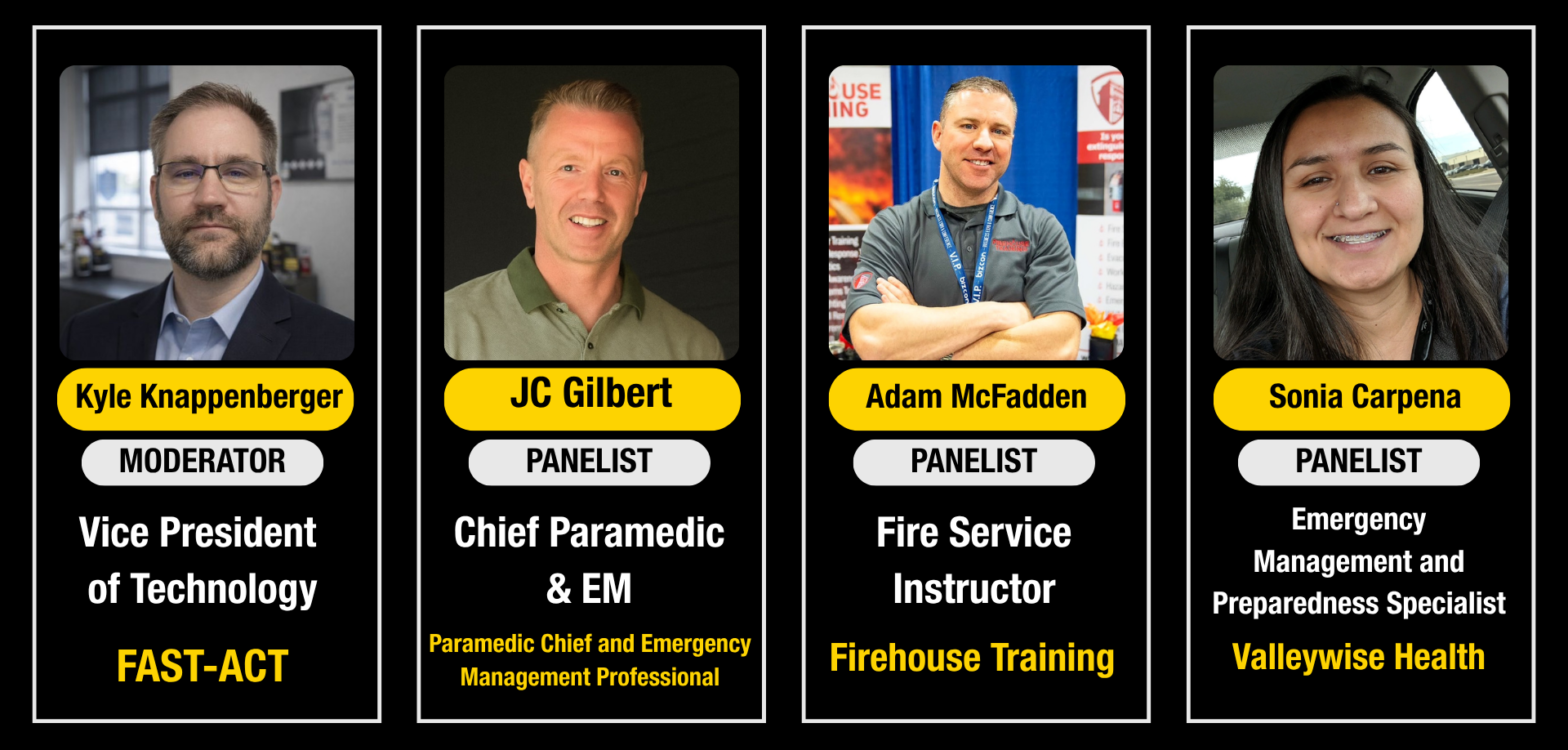
Join FAST-ACT for a FREE live expert panel discussion exploring how hospitals, EMS, fire, and HAZMAT teams can strengthen coordination during the critical first 15 minutes of a hazardous materials incident. Gain practical insights from industry experts on emergency preparedness, dry decontamination, and interagency response.
When Wildfires Cross the Border, Chemical Risk Follows: What First Responders and Facilities Need to Know

As wildfires increasingly threaten industrial facilities, energy infrastructure, and transportation systems, responders must prepare for more than fire. Learn how hazardous chemical releases, contaminated wildfire debris, and damaged lithium-ion batteries are reshaping emergency response, and how FAST-ACT dry decontamination technology supports safer HAZMAT operations.