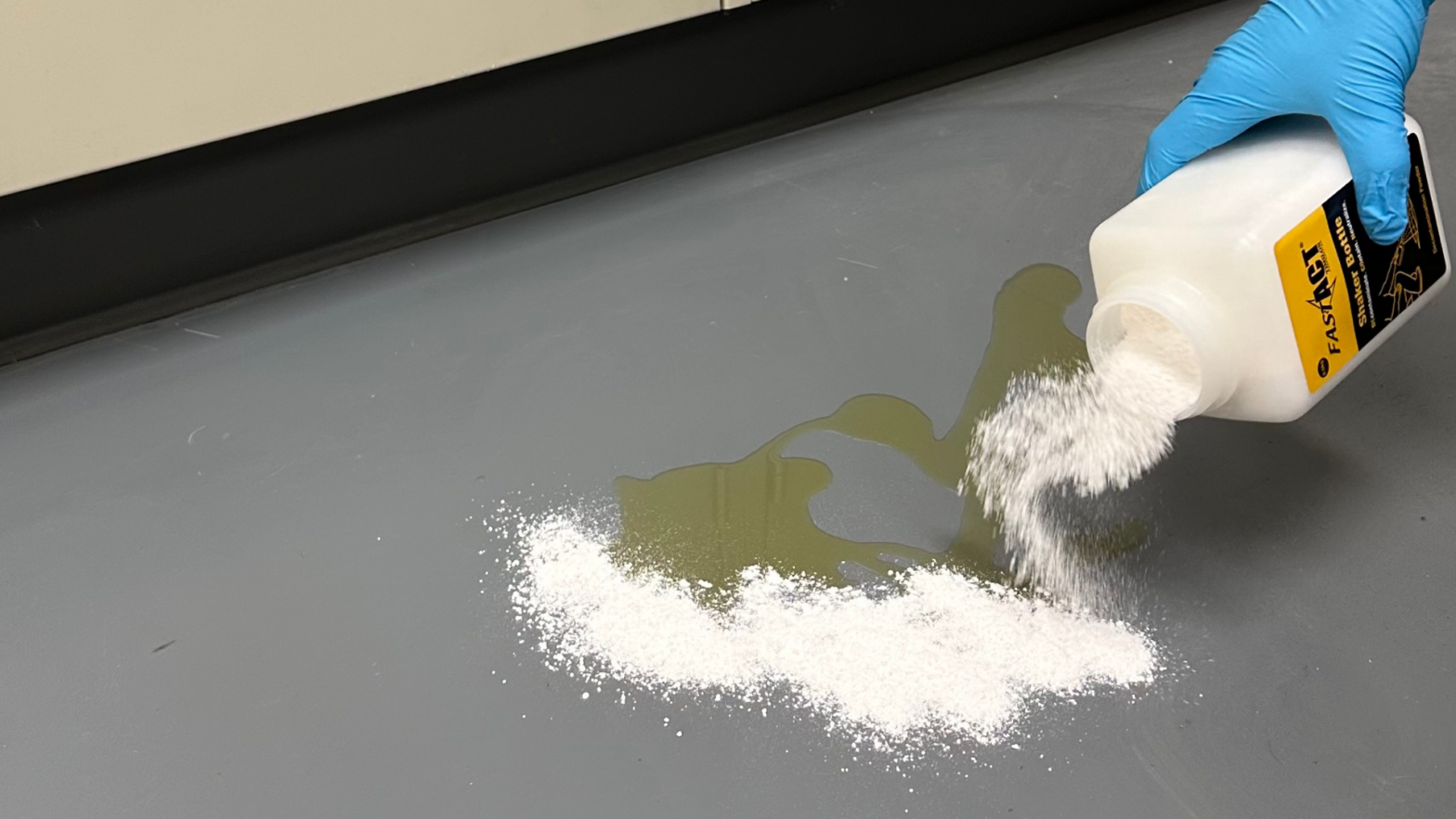
Suspicious substance incidents targeting political offices are rising ahead of the 2026 midterms, with at least 36 lawmakers and election offices in 10 states receiving suspicious envelopes in a coordinated wave. Learn why protective detail teams need a chemical response plan and how dry decontamination supports VIP security preparedness.


Tag: unknown powder decontamination
Who Responds to a Chemical Spill? Understanding the Role of Every Agency During a HAZMAT Incident
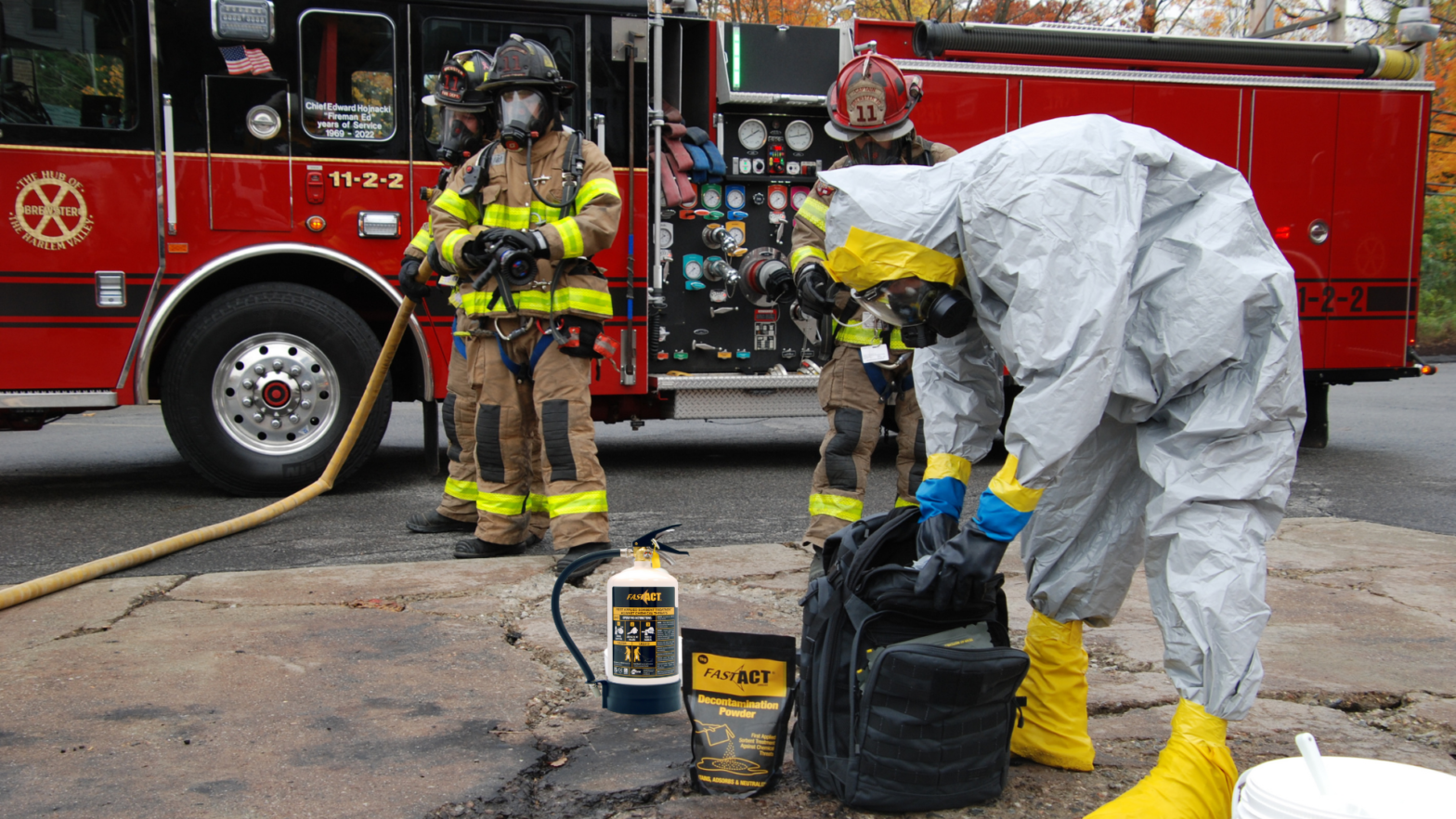
When a hazardous materials incident occurs, most people expect the local fire department to handle the emergency. In reality, chemical spill response often requires a coordinated effort between multiple agencies, each bringing specialized training, equipment, and expertise to safely manage the incident. A recent response in Lexington, Massachusetts demonstrates why. On July 20, 2026, the Lexington Fire Department responded after a… Continue reading Who Responds to a Chemical Spill? Understanding the Role of Every Agency During a HAZMAT Incident
Join Our FREE Expert Panel Discussion on Standardizing Rapid Hazardous Materials Response
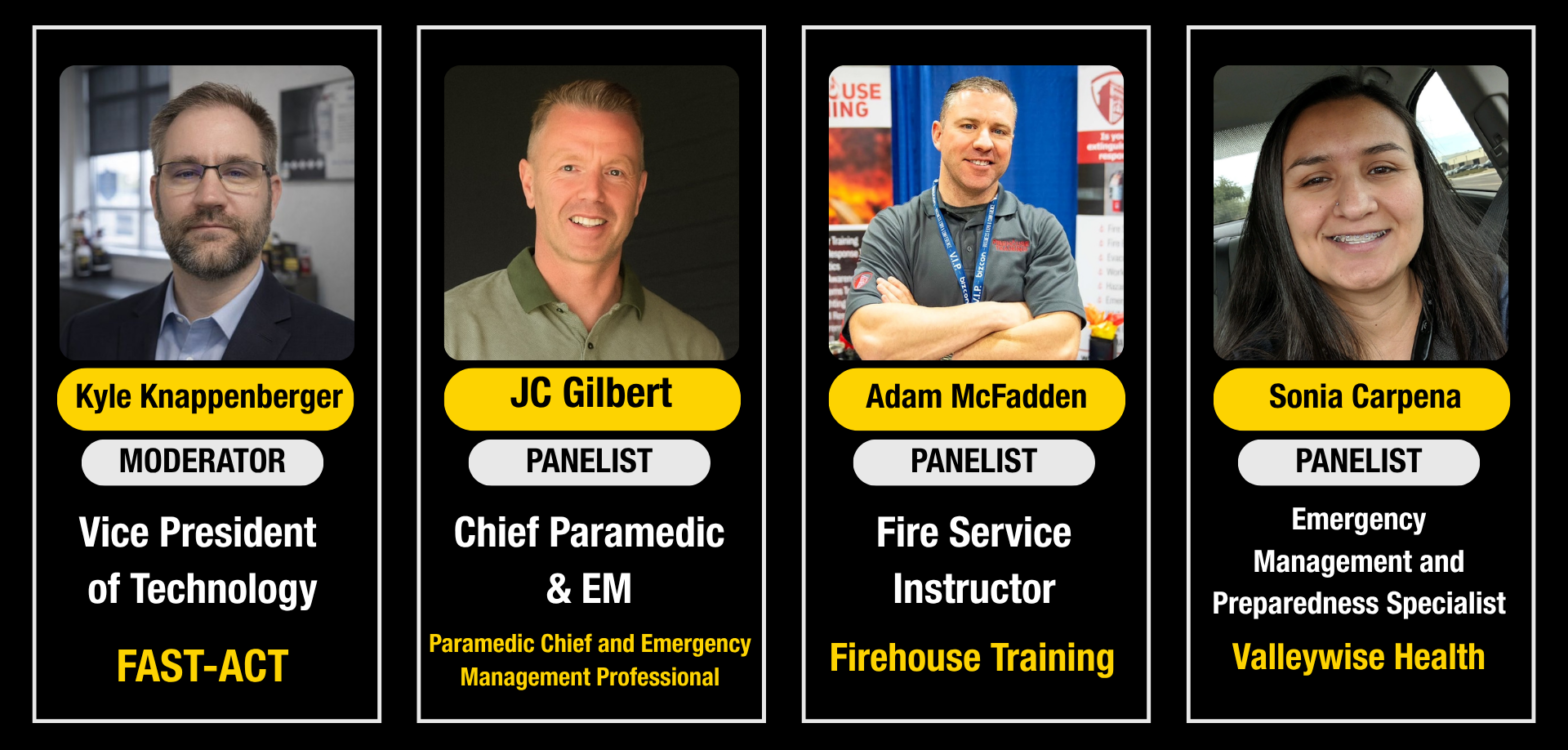
Join FAST-ACT for a FREE live expert panel discussion exploring how hospitals, EMS, fire, and HAZMAT teams can strengthen coordination during the critical first 15 minutes of a hazardous materials incident. Gain practical insights from industry experts on emergency preparedness, dry decontamination, and interagency response.
Environmental Remediation and Cleanup Lessons from Large-Scale Public Events
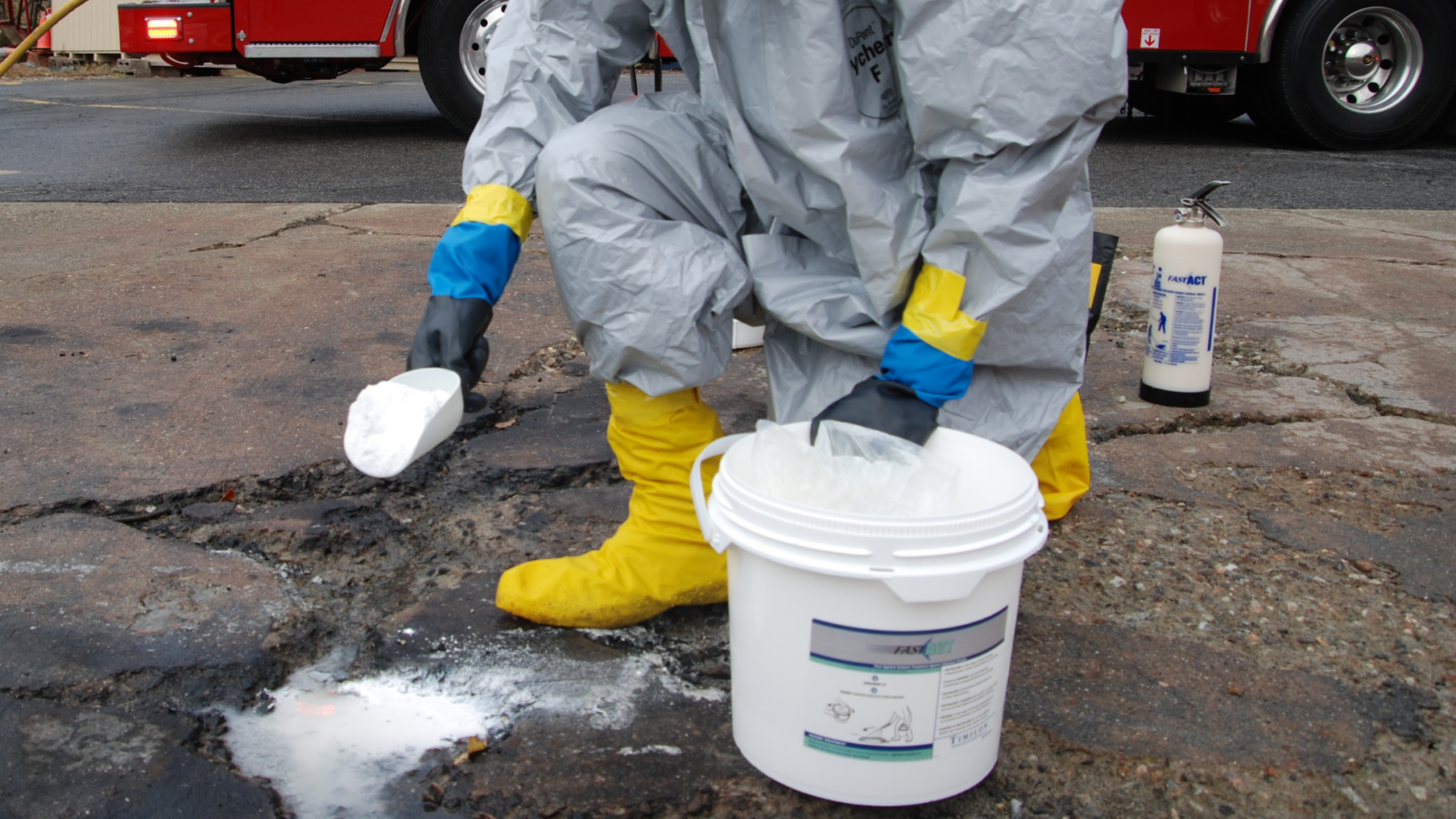
Environmental remediation is often the longest and most complex phase of a chemical incident. Learn how contamination management, infrastructure restoration, waste handling, and modern decontamination technologies influence recovery efforts following large-scale public events such as the 2026 FIFA World Cup.
Defending Against the Unknown: Why the FAST-ACT DEFEND Kit is Critical for First Responders
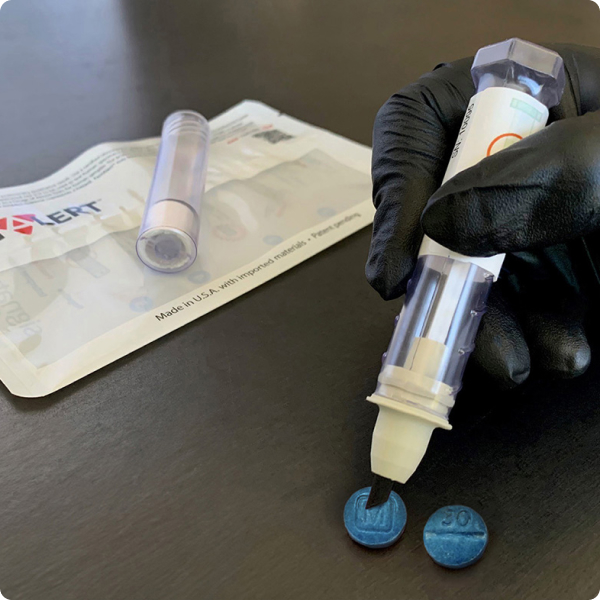
The rise of fentanyl and other illicit drugs has amplified these risks. For those on the front lines, having a reliable, field-ready solution for both detection and decontamination is no longer optional—it’s essential.