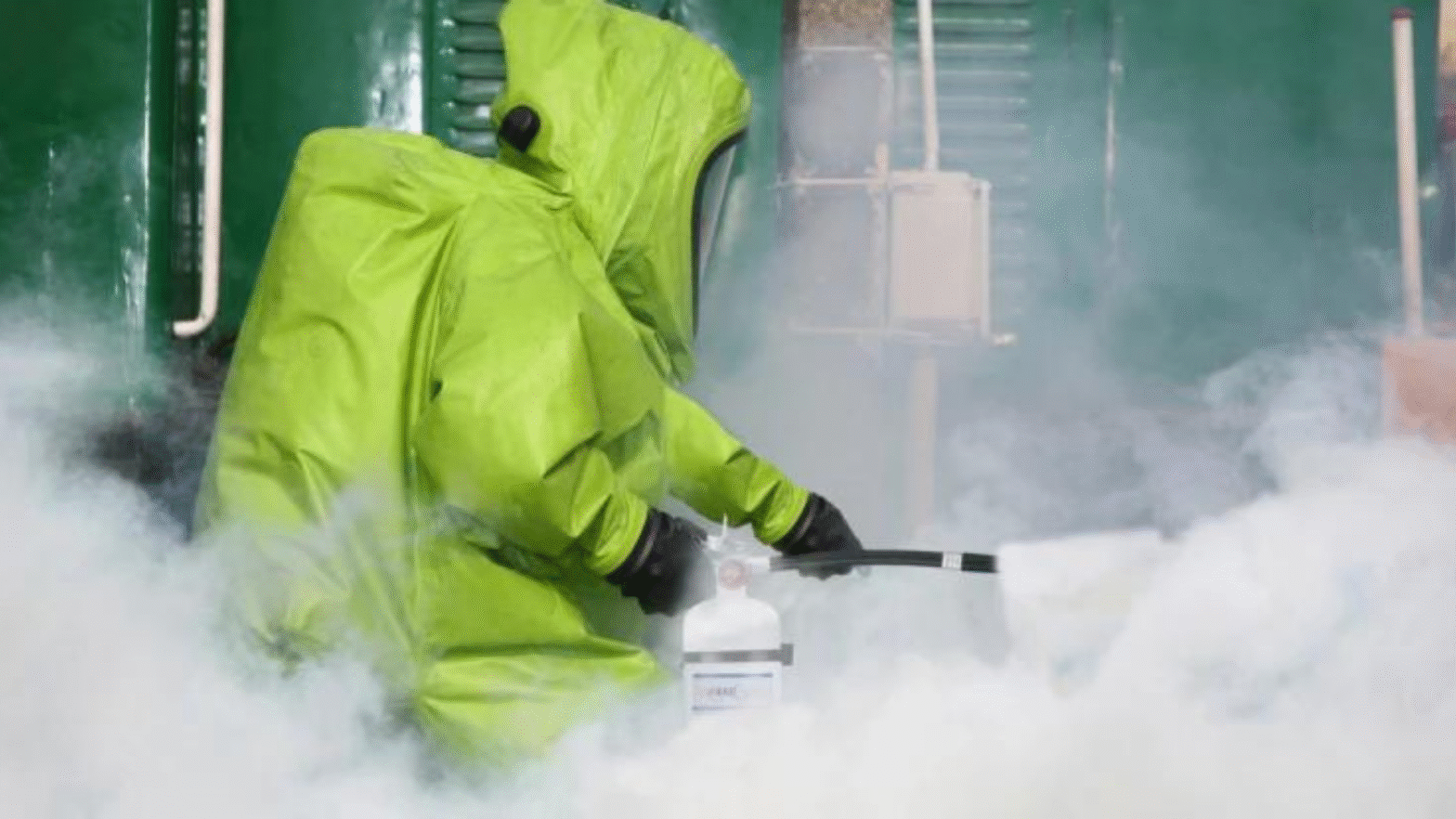
Hazardous materials emergencies can develop quickly from unexpected chemical reactions, equipment failures, unknown substances, or toxic vapor releases. Learn how first responders can prepare for chemical hazards, manage vapor threats, reduce secondary contamination, and strengthen decontamination capabilities.


Tag: Chemical Suicide
Who Responds to a Chemical Spill? Understanding the Role of Every Agency During a HAZMAT Incident
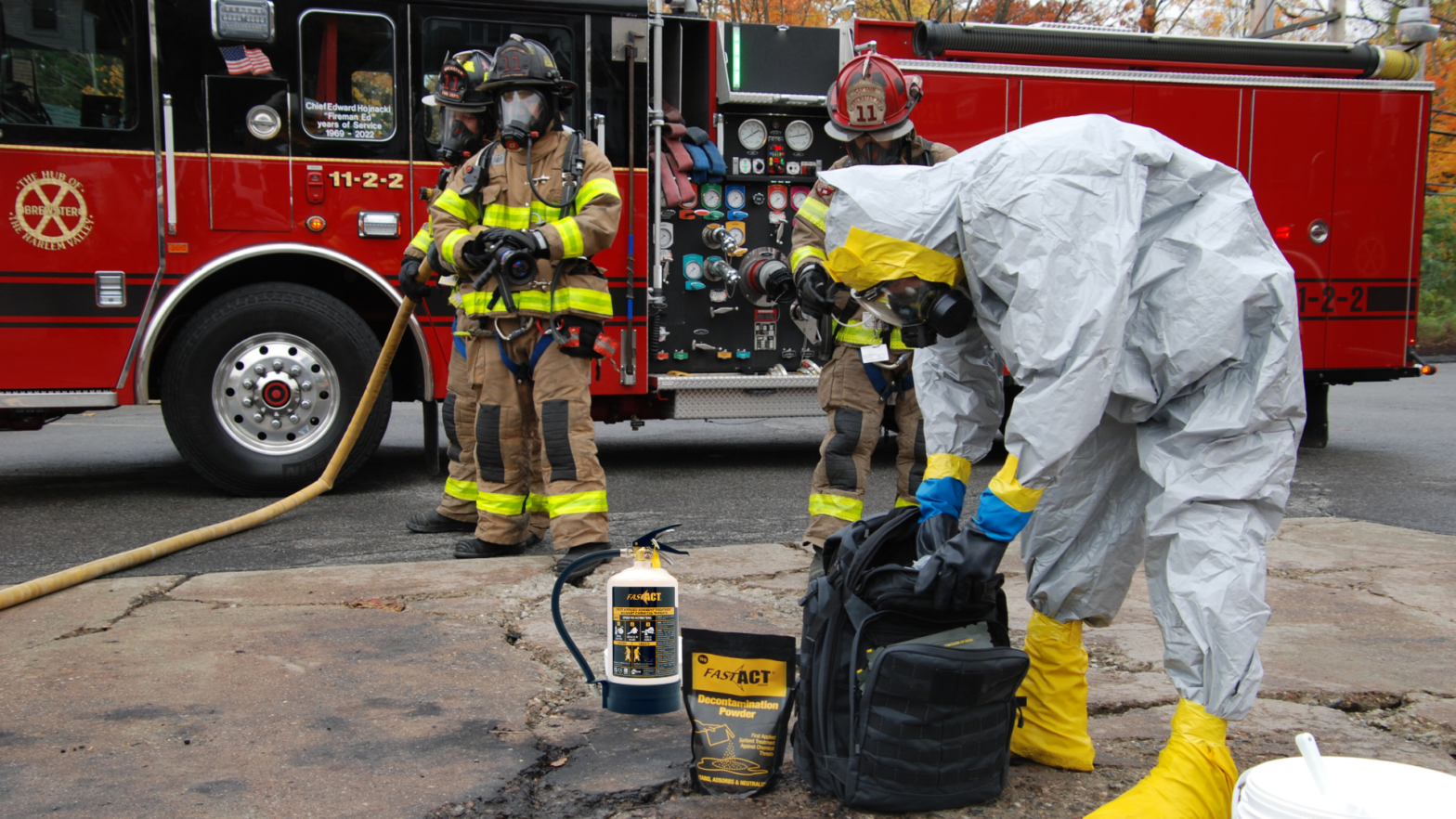
When a hazardous materials incident occurs, most people expect the local fire department to handle the emergency. In reality, chemical spill response often requires a coordinated effort between multiple agencies, each bringing specialized training, equipment, and expertise to safely manage the incident. A recent response in Lexington, Massachusetts demonstrates why. On July 20, 2026, the Lexington Fire Department responded after a… Continue reading Who Responds to a Chemical Spill? Understanding the Role of Every Agency During a HAZMAT Incident
What Are the Five Most Common Hazardous Materials Encountered by First Responders?
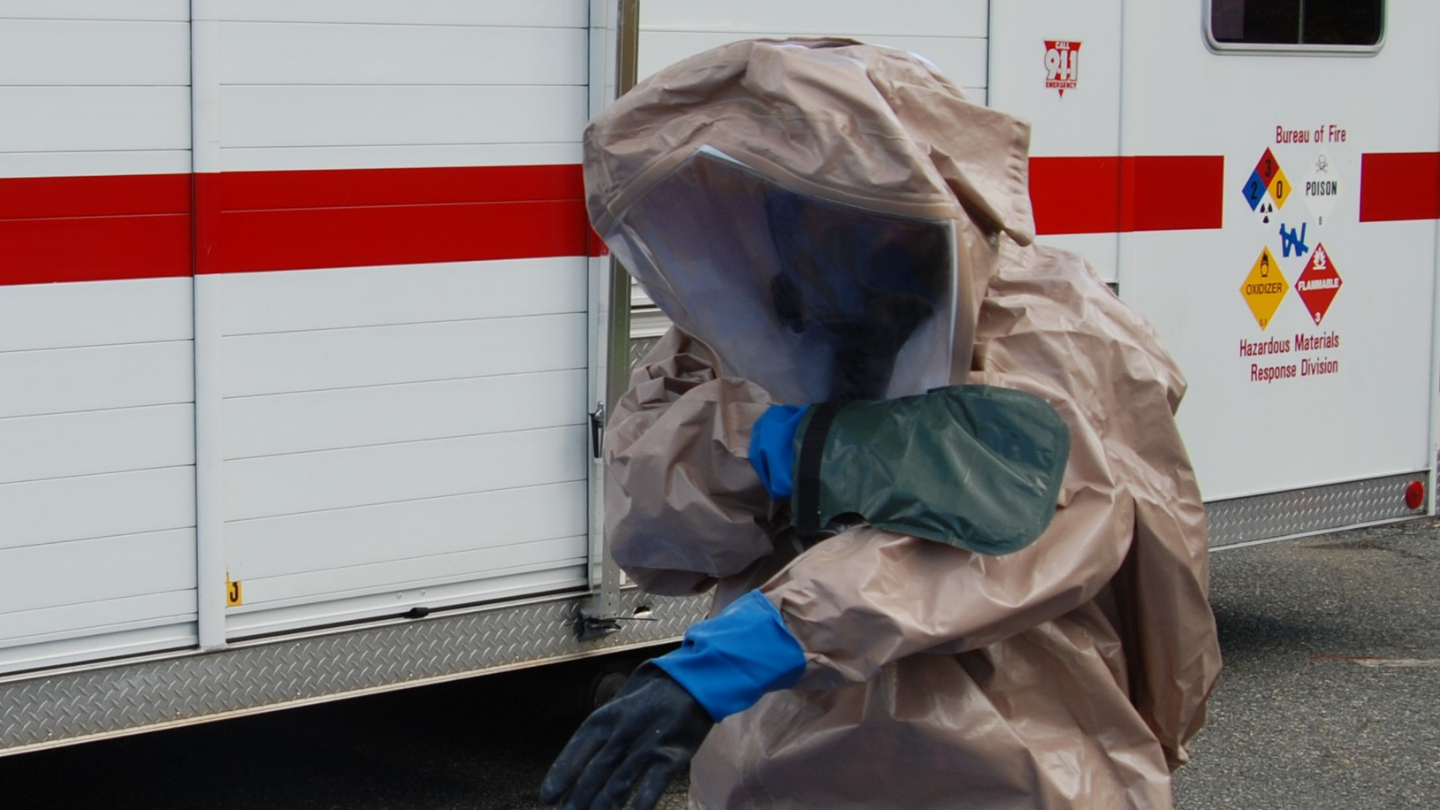
First responders face a wide range of hazardous materials, each requiring a rapid and informed response. Learn about five of the most common HAZMAT threats and key considerations for protecting personnel, limiting contamination, and supporting effective incident response.
How Can Hospitals and First Responders Begin Dry Decontamination Before Full Decon Is Established?

Learn how hospitals and first responders can use dry decontamination during the critical first 15 minutes of a chemical incident to reduce contamination before full decontamination operations are established.
Decontamination in High-Risk Environments: Operational Realities Across Critical Sectors
Decontamination in high-risk environments varies across sectors, each with unique operational challenges and chemical threats. Learn how FAST-ACT® dry decontamination supports rapid response, protects personnel and equipment, and maintains continuity in critical operations.
Hospital Decontamination Without Compromise: Protecting Patients, Staff, and Equipment
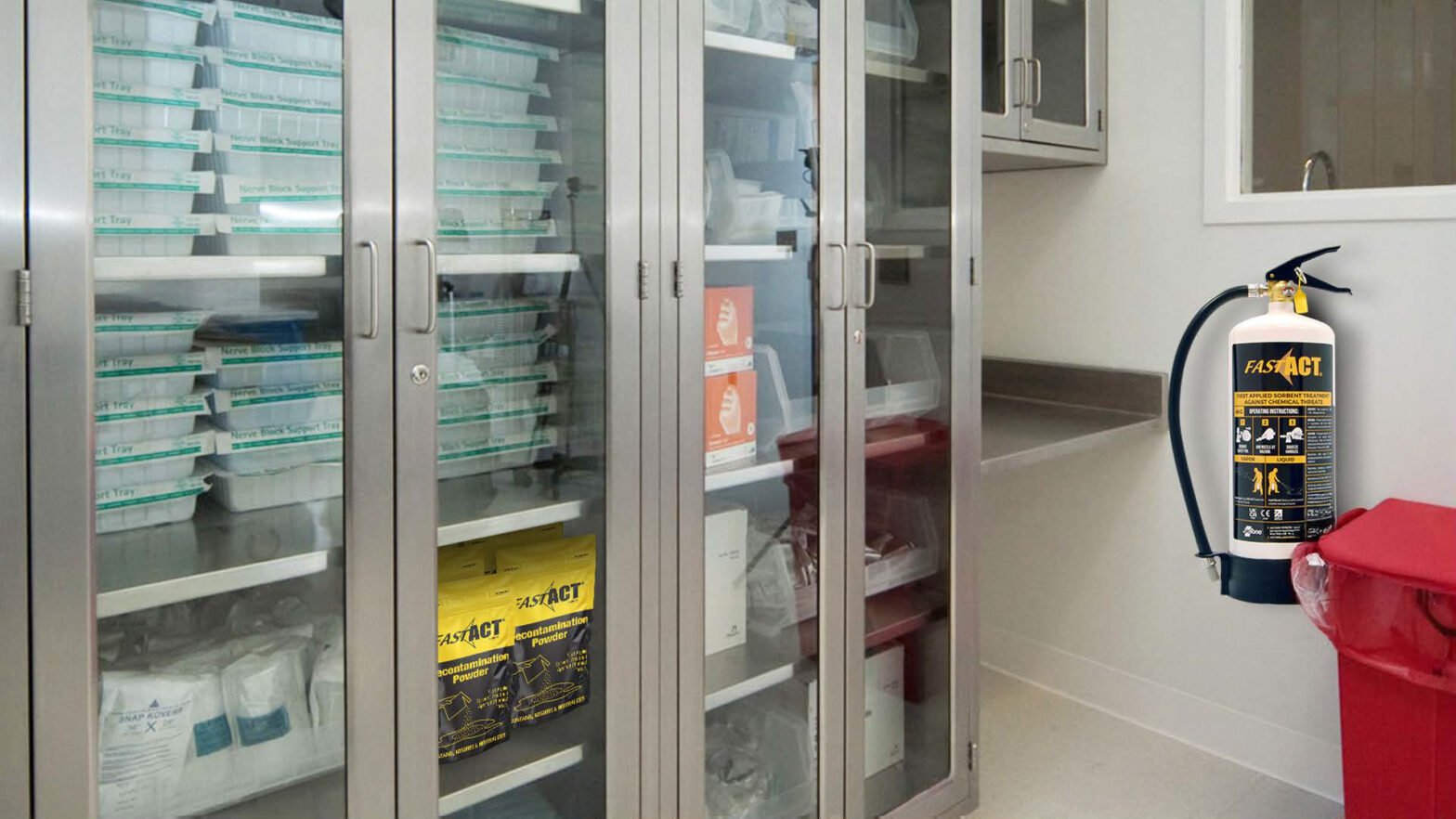
This post concludes our hospital decontamination blog series, following Part 1: Rethinking Hospital Decontamination and Part 2: Inside the Protocol: A Hospital SOP for Dry Chemical Decontamination.
Responding to Chemical Suicide with Dry Decontamination Products for First Responders

Gain insights into the risks to responding to chemical suicide and how first responders can effectively manage these hazardous situations.