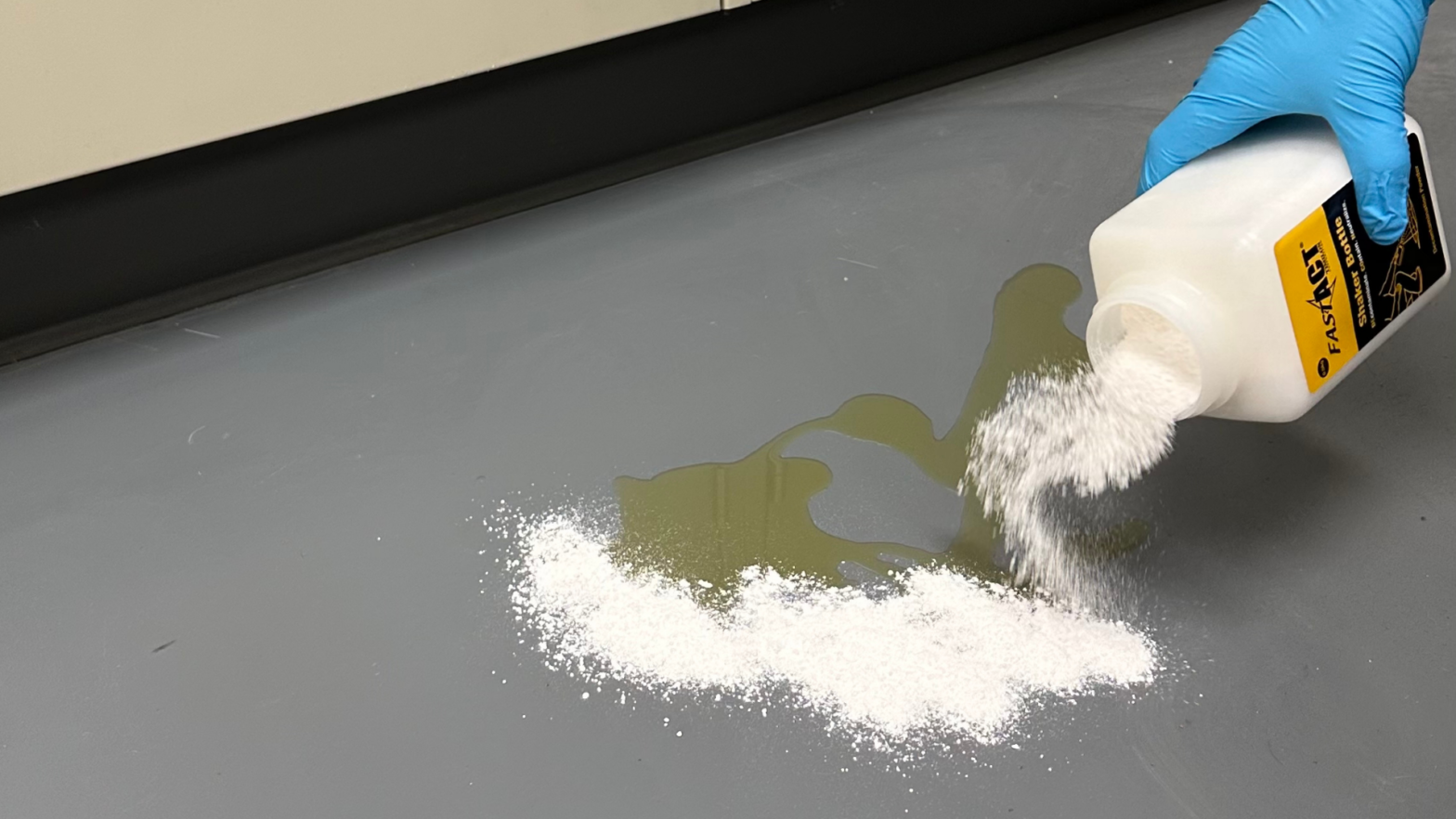
Suspicious substance incidents targeting political offices are rising ahead of the 2026 midterms, with at least 36 lawmakers and election offices in 10 states receiving suspicious envelopes in a coordinated wave. Learn why protective detail teams need a chemical response plan and how dry decontamination supports VIP security preparedness.


Tag: chemical spill
Industrial Chemical Preparedness: Longview Paper Mill Disaster
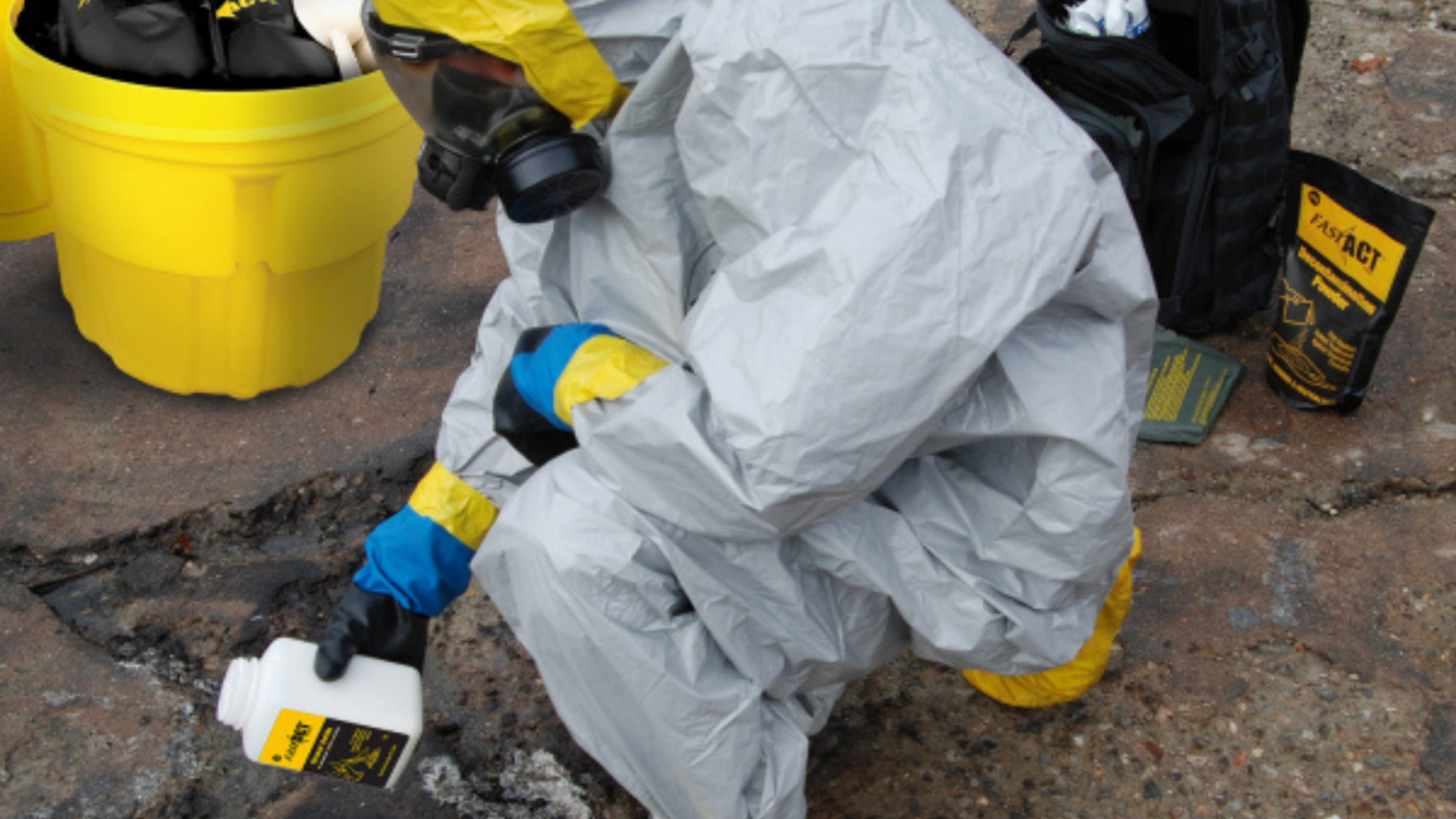
On May 26, 2026, a 900,000-gallon chemical tank at the Nippon Dynawave facility in Longview, Washington catastrophically failed, despite three inspections flagging it as unsafe. Learn what the timeline of warnings teaches industrial facilities about chemical spill preparedness and early response.
The Hidden Threat of Contaminated Clothing: Off-Gassing After Chemical Exposure
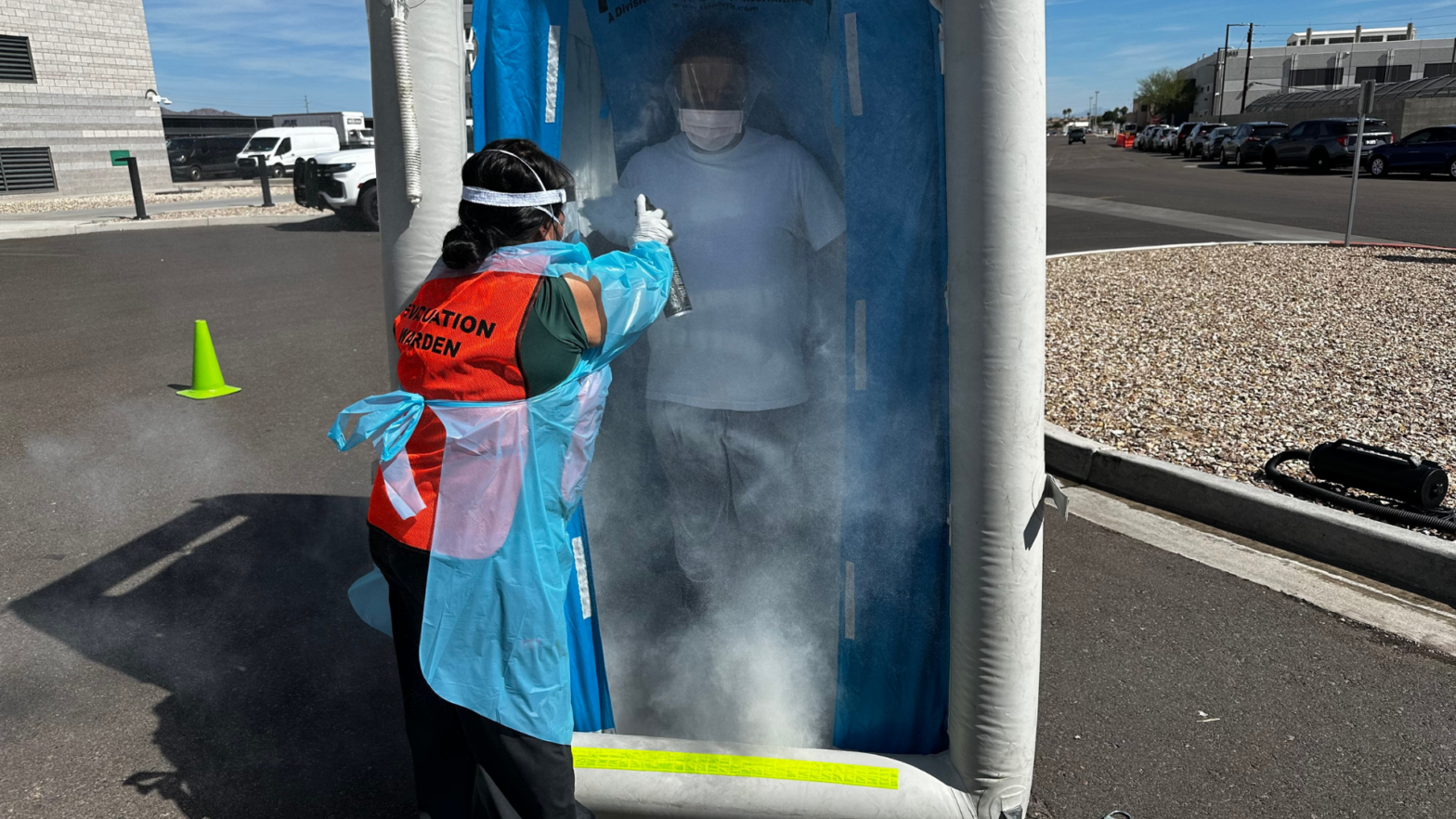
Learn why contaminated clothing continues to release hazardous vapor after chemical exposure, and how early clothing removal and dry decontamination can help EMS, Fire and HAZMAT teams, and hospital first receivers manage that risk before full decontamination is established.
Dry Decontamination in Japan: FAST-ACT Showcased to CBRN Leaders by Partner Taroumaru
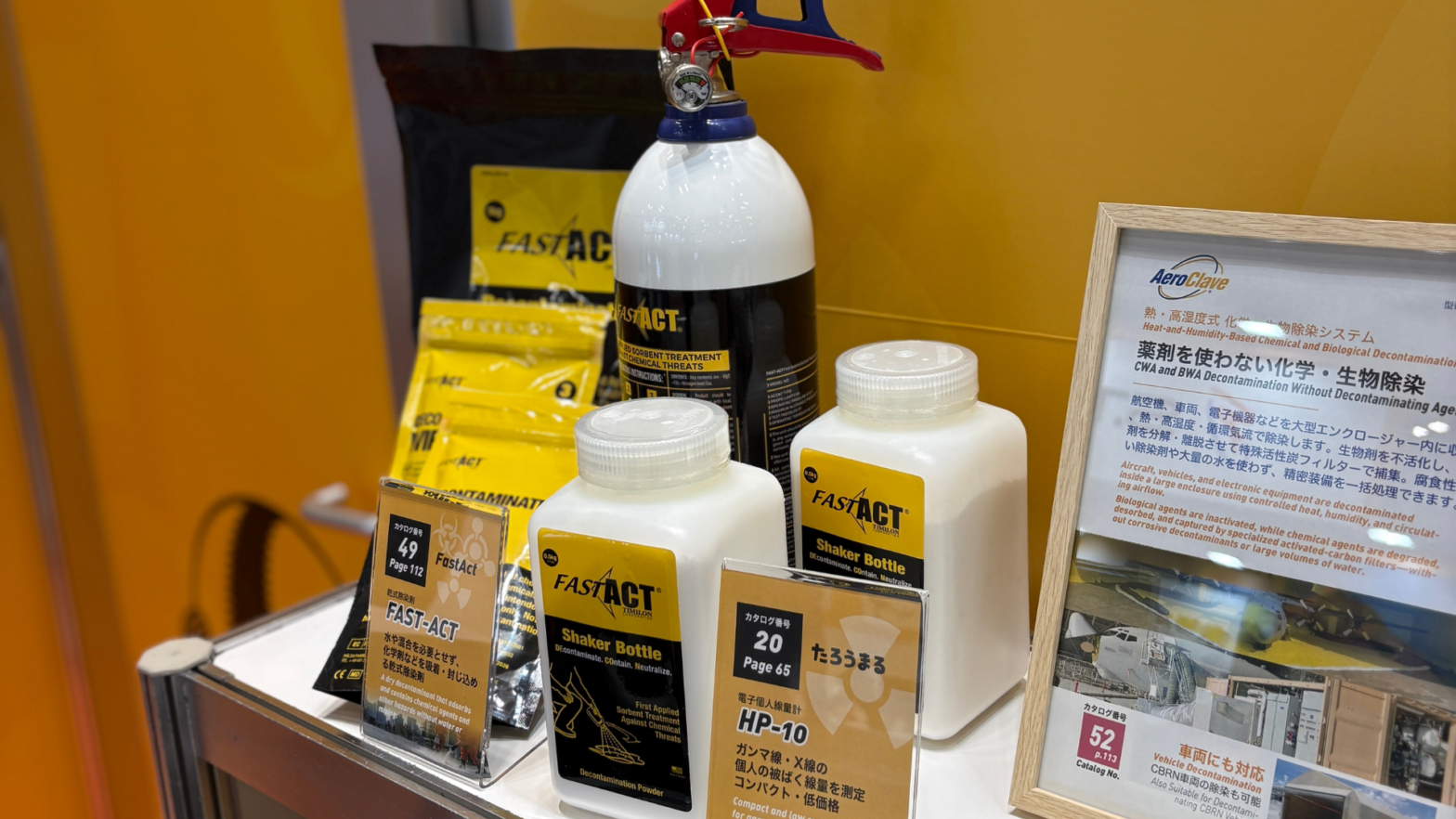
FAST-ACT made its debut before Japan’s CBRN community through our partner Taroumaru Co., Ltd. Teams from the Japan Self-Defense Forces and several local fire departments expressed interest in dry decontamination for aircraft, runways, and protective suits. Here is what happened, and where FAST-ACT goes next in Japan.
Dry Decontamination Isn’t Always the Finish Line: Where It Fits in Fire & HAZMAT Response
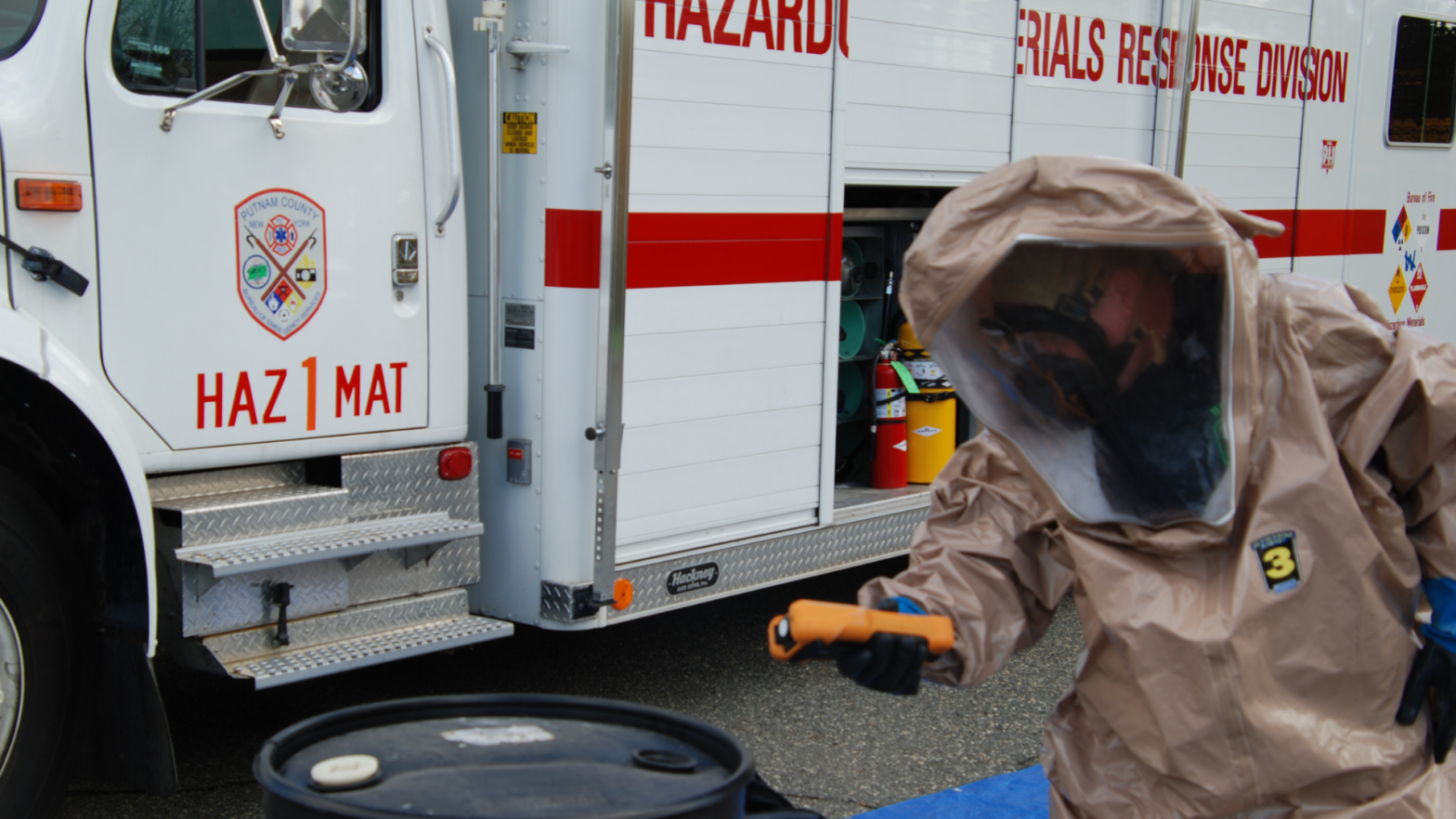
Fire and HAZMAT teams may encounter chemical contamination before full technical decontamination is established. Learn how emergency, interim, and dry decontamination can support early response, contamination control, and coordination with receiving hospitals.
Dry Decontamination Isn’t the Finish Line: Where It Fits in EMS Chemical Response
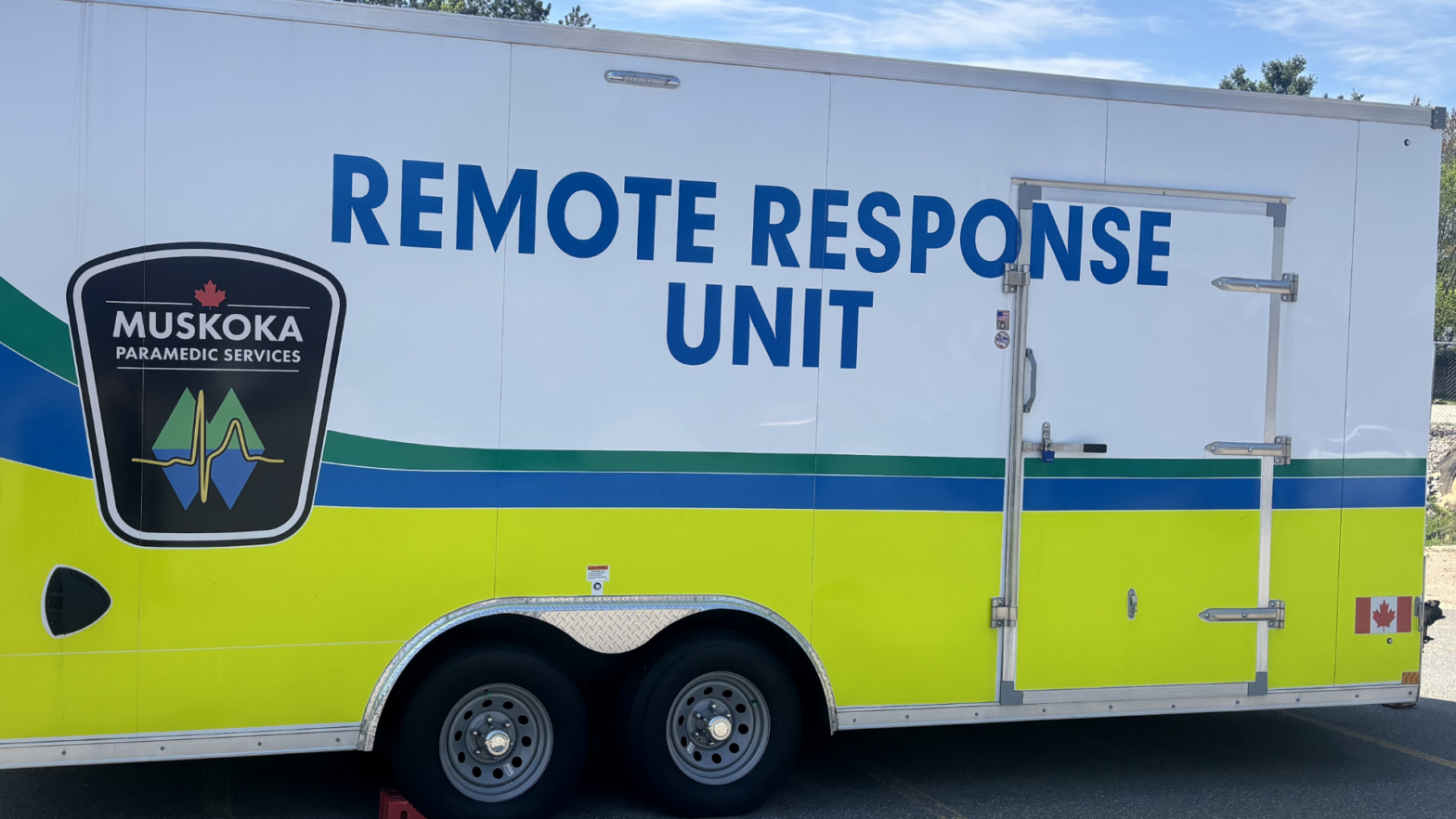
EMS may encounter chemically contaminated patients before full HAZMAT decontamination is established. Learn how early dry decontamination can help manage contamination, reduce secondary exposure, and bridge the gap to comprehensive decontamination.
Before Full Decontamination Is Ready: What Should First Responders Do in the First Minutes?
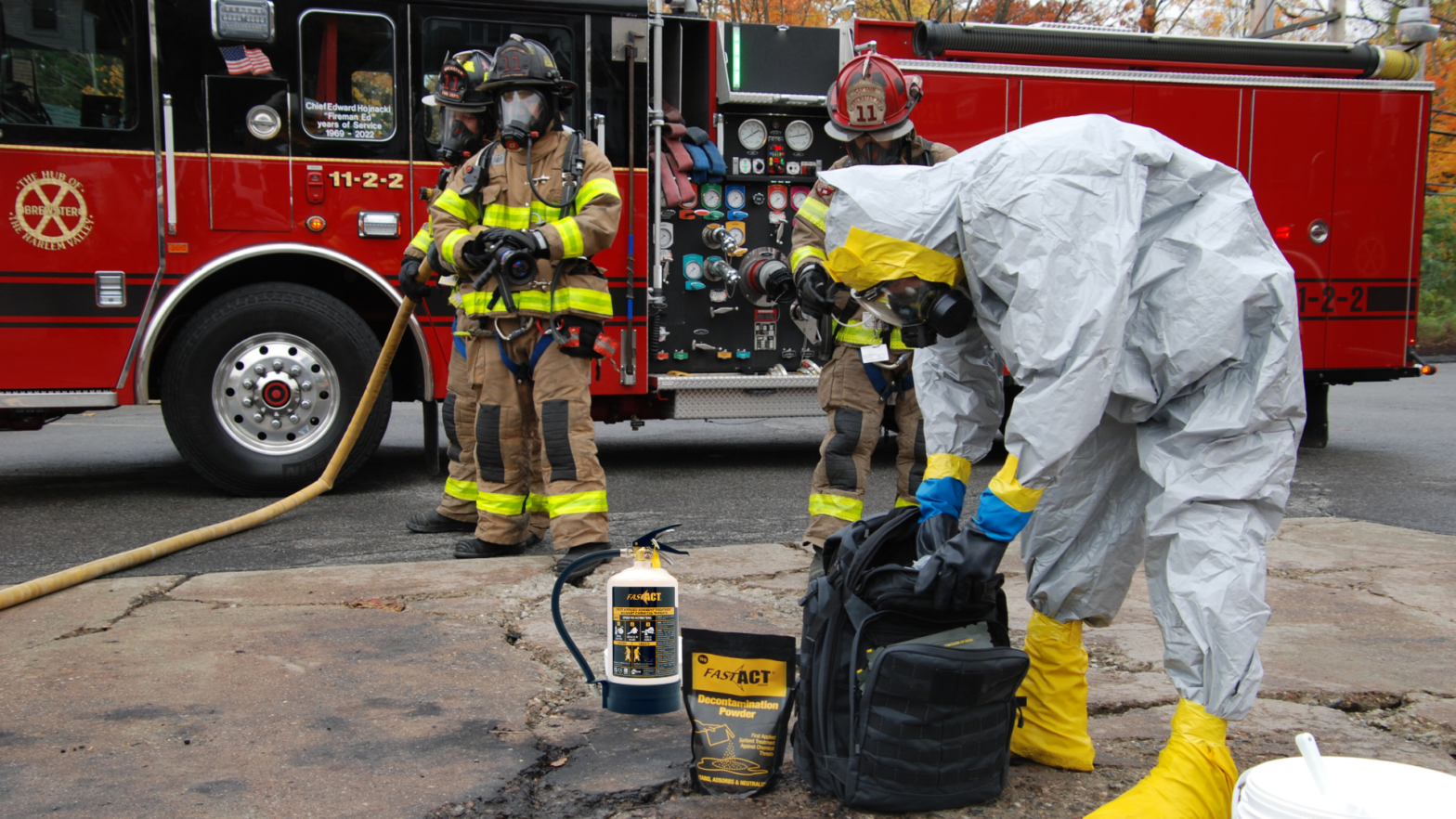
Full technical decontamination takes time to establish. Learn what Fire and HAZMAT teams can do during the critical early response window to protect responders, manage contamination, coordinate with EMS, and begin appropriate decontamination.
EMS HAZMAT Hospital Coordination: What Needs to Happen Before the Patient Reaches the Hospital
Effective EMS-Hospital HAZMAT coordination starts before the patient reaches the emergency department. Learn how early communication, standardized handoffs, and dry decontamination can help reduce risk during chemical incidents.
Hazardous Materials Emergency Response: What Recent Incidents Teach First Responders
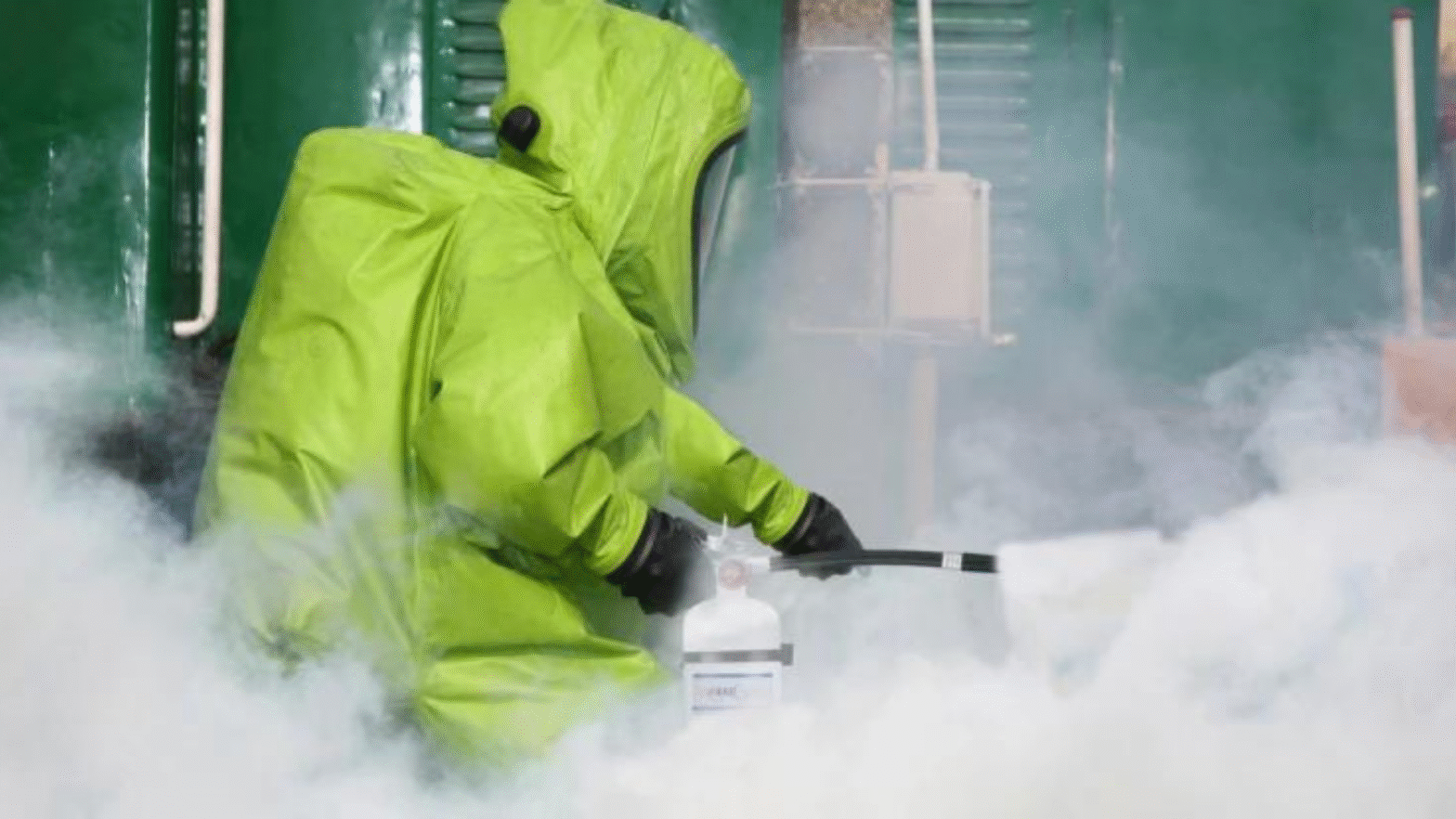
Hazardous materials emergencies can develop quickly from unexpected chemical reactions, equipment failures, unknown substances, or toxic vapor releases. Learn how first responders can prepare for chemical hazards, manage vapor threats, reduce secondary contamination, and strengthen decontamination capabilities.
Who Responds to a Chemical Spill? Understanding the Role of Every Agency During a HAZMAT Incident
When a hazardous materials incident occurs, most people expect the local fire department to handle the emergency. In reality, chemical spill response often requires a coordinated effort between multiple agencies, each bringing specialized training, equipment, and expertise to safely manage the incident. A recent response in Lexington, Massachusetts demonstrates why. On July 20, 2026, the Lexington Fire Department responded after a… Continue reading Who Responds to a Chemical Spill? Understanding the Role of Every Agency During a HAZMAT Incident