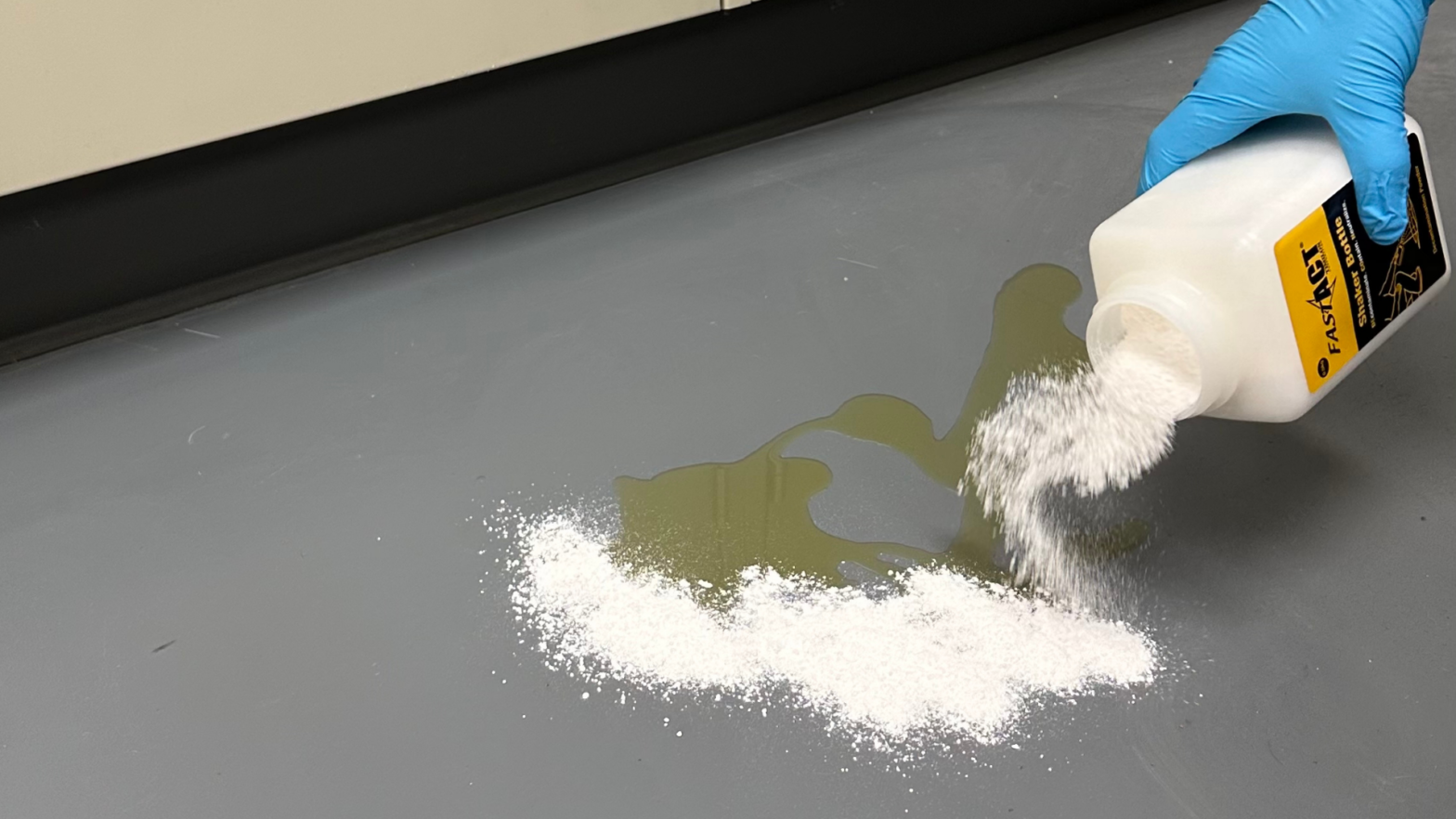
Suspicious substance incidents targeting political offices are rising ahead of the 2026 midterms, with at least 36 lawmakers and election offices in 10 states receiving suspicious envelopes in a coordinated wave. Learn why protective detail teams need a chemical response plan and how dry decontamination supports VIP security preparedness.


Tag: Sensitive equipment
What the Longview Paper Mill Disaster Teaches Us About Industrial Chemical Spill Preparedness
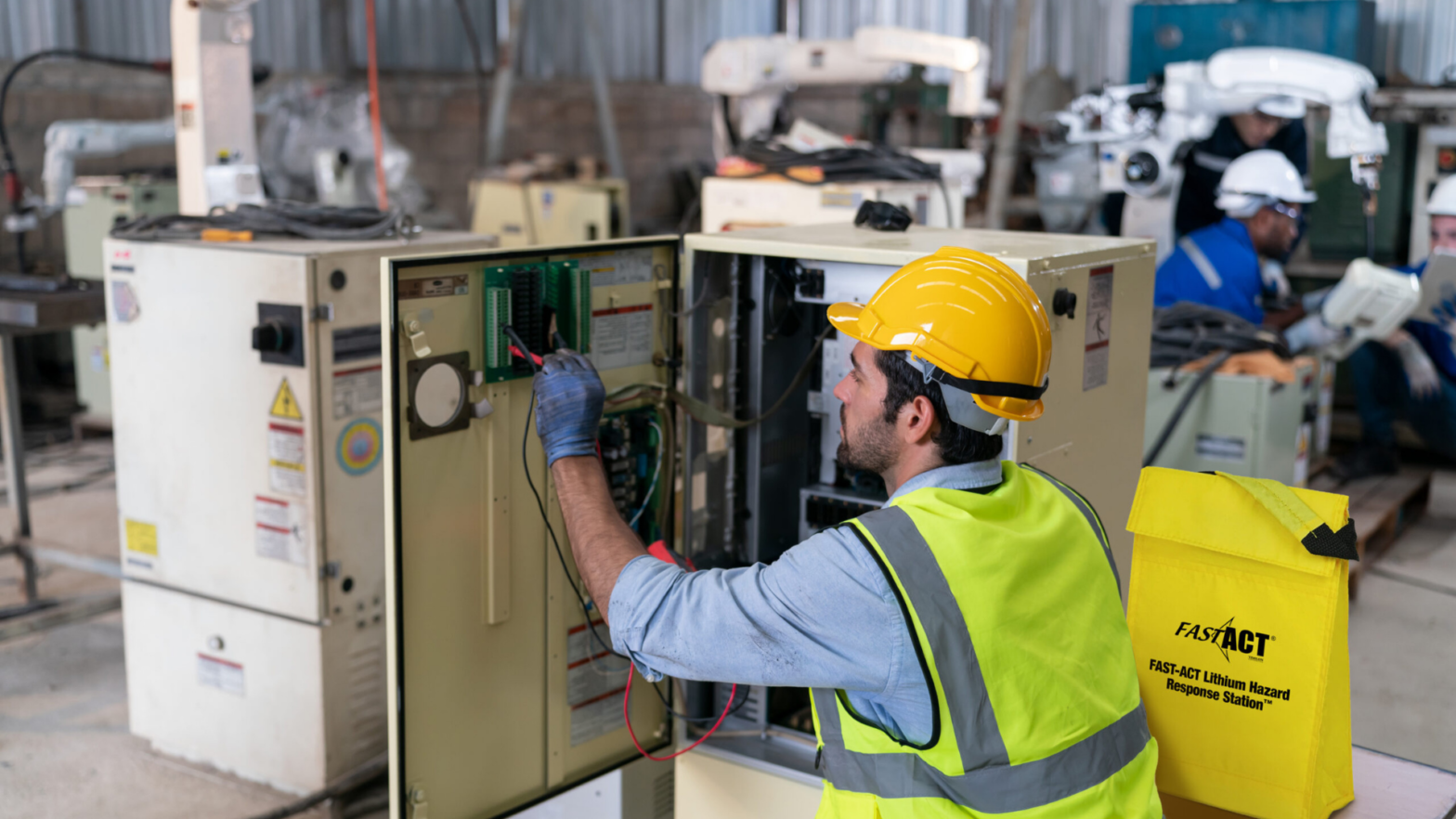
The Longview paper mill disaster highlights why industrial chemical spill preparedness is critical. Learn how facilities can improve chemical spill response, contamination management, and worker safety before an incident occurs.
FAST-ACT® Demonstrates Rapid Contamination Reduction Strategies at Southlake Health
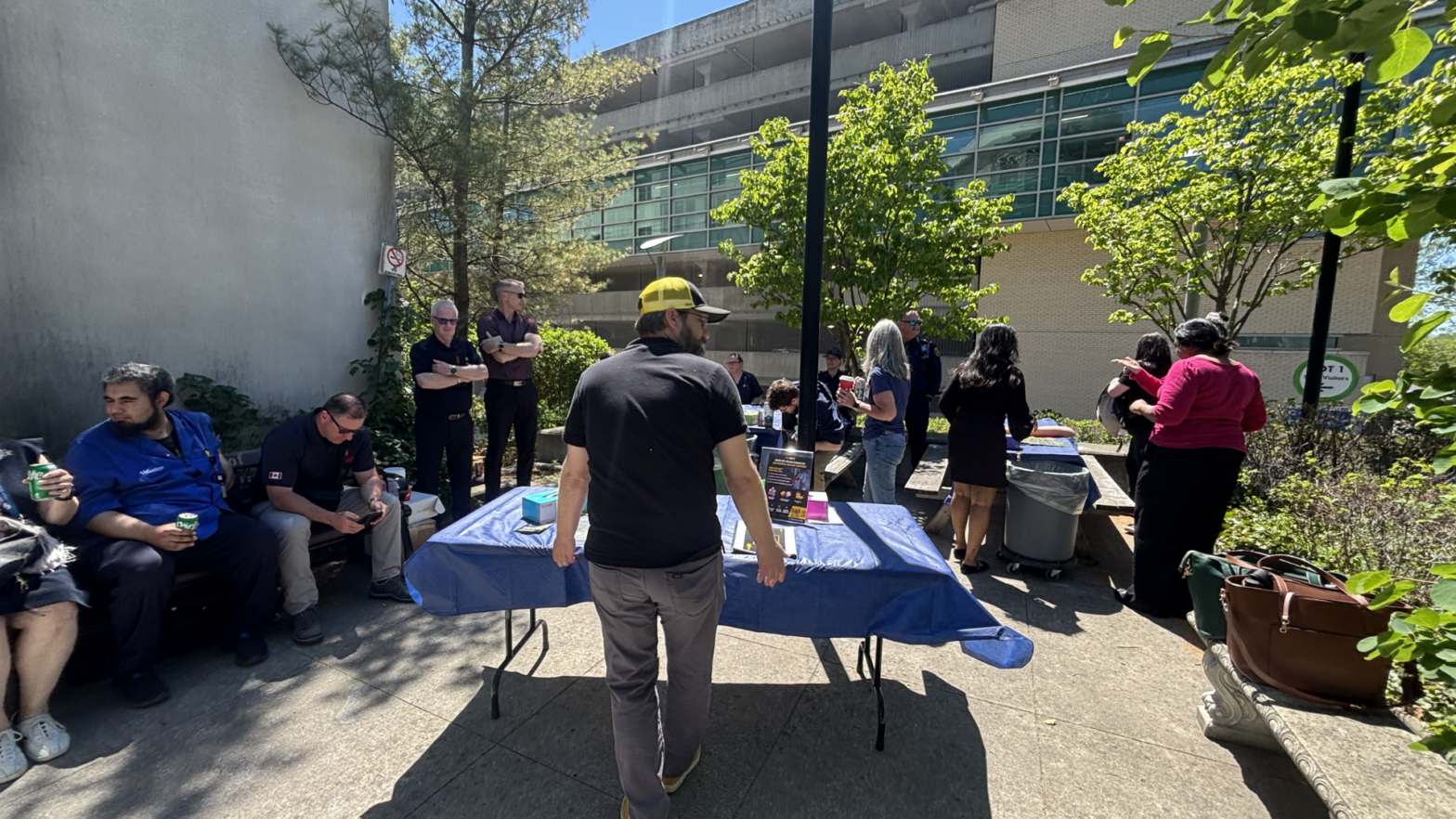
FAST-ACT® partnered with Southlake Health and Allied Medical to demonstrate rapid dry decontamination techniques for healthcare, HAZMAT, and emergency response professionals.
Hospital Decontamination Procedures: Zones, Triage, and the Importance of Early Response
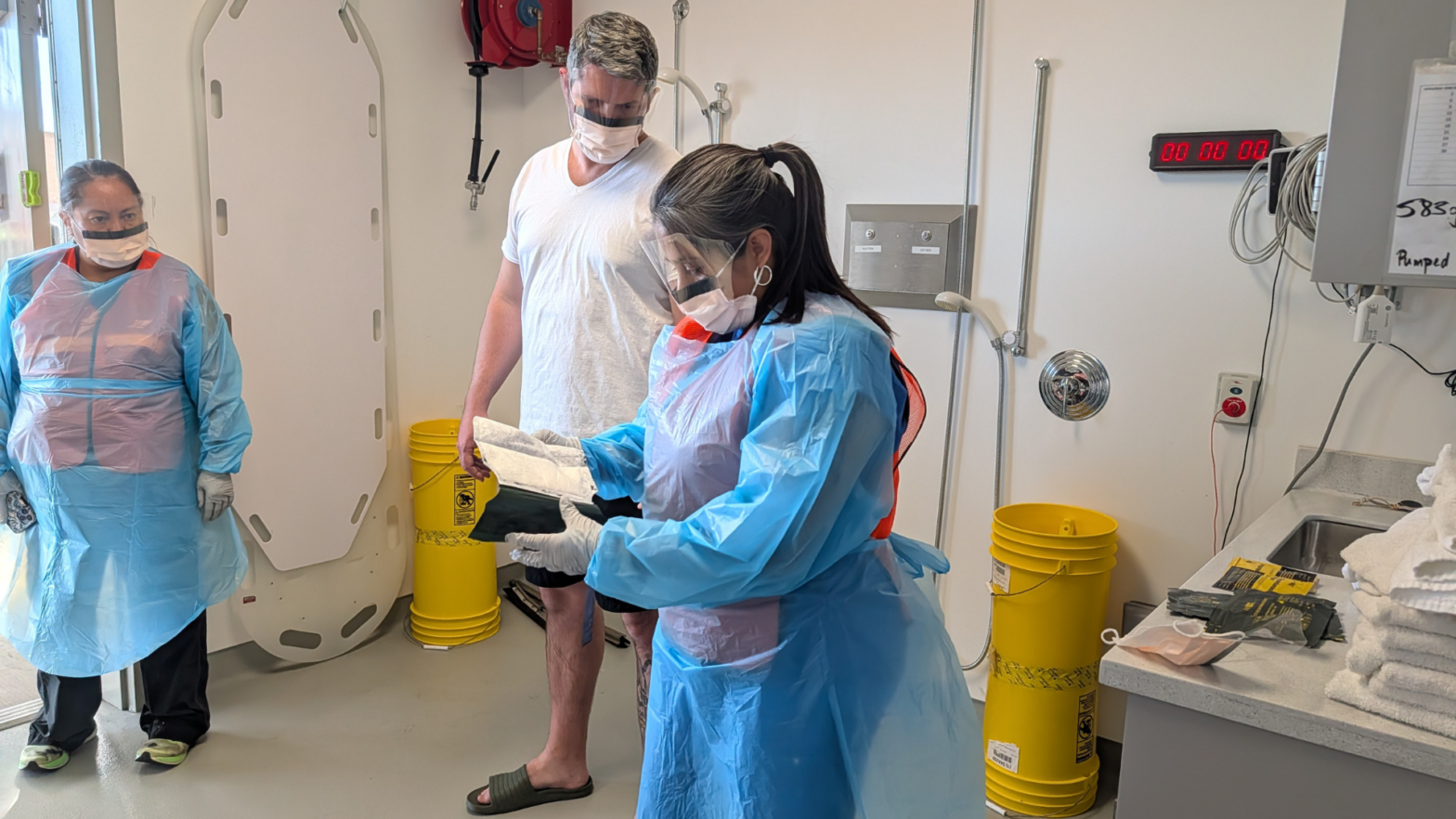
Hospital decontamination procedures are critical during chemical incidents, but the highest risk often occurs before systems are fully in place. This blog explores zones, triage, and the importance of early response.
DOT HazMat Inspection Priorities: What PHMSA’s New Focus Means for Hazardous Materials Transport
New DOT hazmat inspection priorities are shifting focus toward high-risk materials, data-driven enforcement, and stricter oversight. Learn how FAST-ACT® dry decontamination supports preparedness, reduces risk, and strengthens response capabilities across hazardous materials transport operations.
How Global Defense Investments Signal a Growing Need for Advanced Chemical Response Readiness

Rising global defense investments highlight the growing need for advanced chemical response readiness across sectors. This shift underscores the importance of scalable decontamination strategies that reduce risk and improve preparedness in evolving threat environments.
FAST-ACT December Event Highlights: Strengthening Chemical Response Readiness Across Agencies

This month, FAST-ACT continued advancing chemical preparedness through demonstrations and follow-up engagements with emergency response and military units.
Hospital Chemical Decontamination Readiness: Why Many Facilities Are Still Unprepared

Hospitals face ongoing gaps in chemical decontamination preparedness, including limitations in infrastructure, training, and rapid response capabilities. Addressing these challenges is critical to improving safety, reducing exposure risks, and strengthening overall emergency readiness.
National Environmental Awareness Month: Strengthening Environmental Chemical Hazard Response Across Industrial Operations

Chemical hazard response across industrial operations requires rapid action to protect personnel, equipment, and continuity. Effective strategies focus on neutralization, exposure reduction, and minimizing downtime in environments where hazardous materials are part of daily operations.
Why Combined Wet and Dry Decontamination Is the New Gold Standard for Hospital Emergency Preparedness
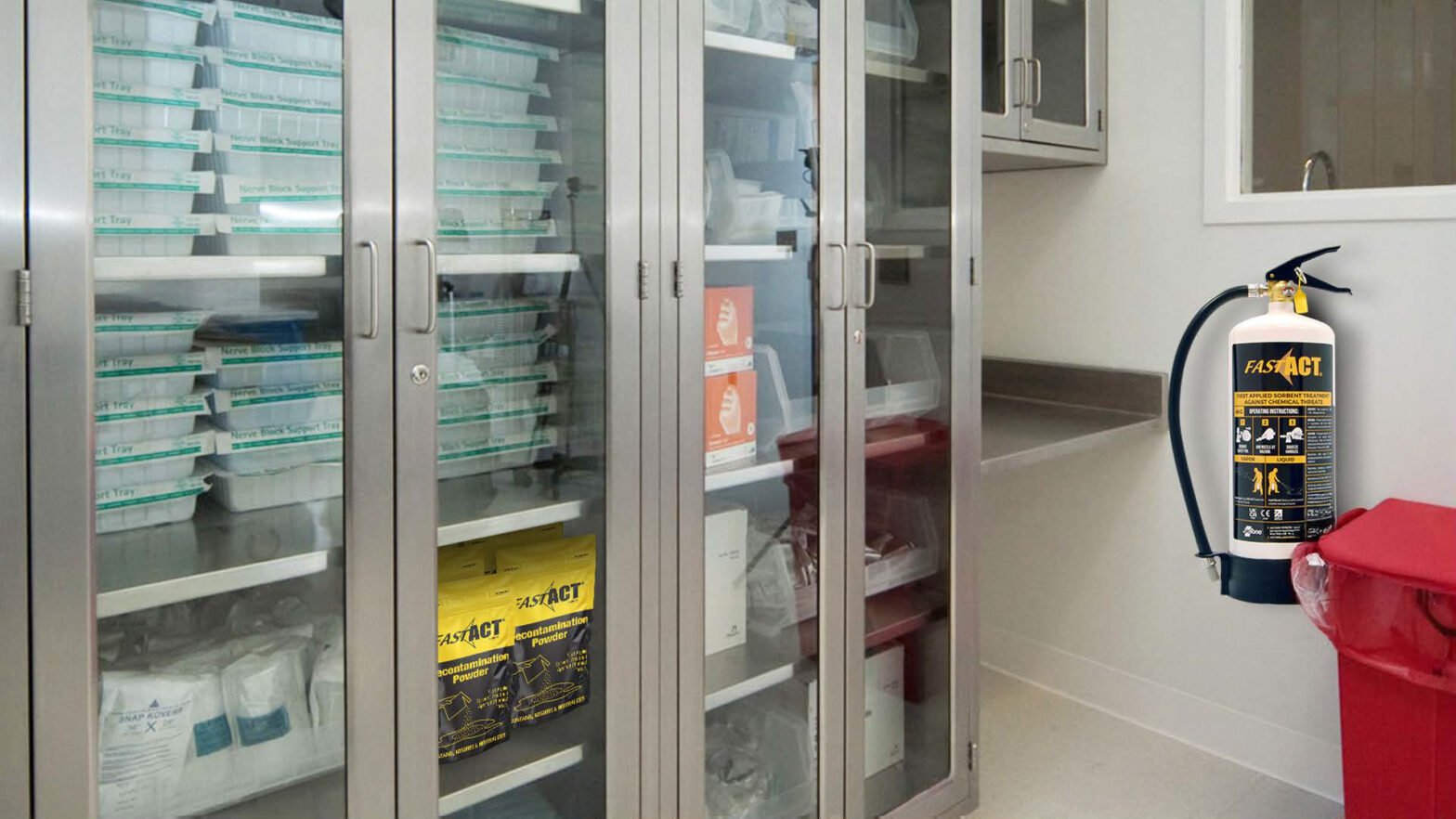
Combining wet and dry decontamination improves hospital response by addressing a wider range of chemical hazards. This integrated approach enhances speed, reduces exposure risks, and supports more effective patient care during complex incidents.