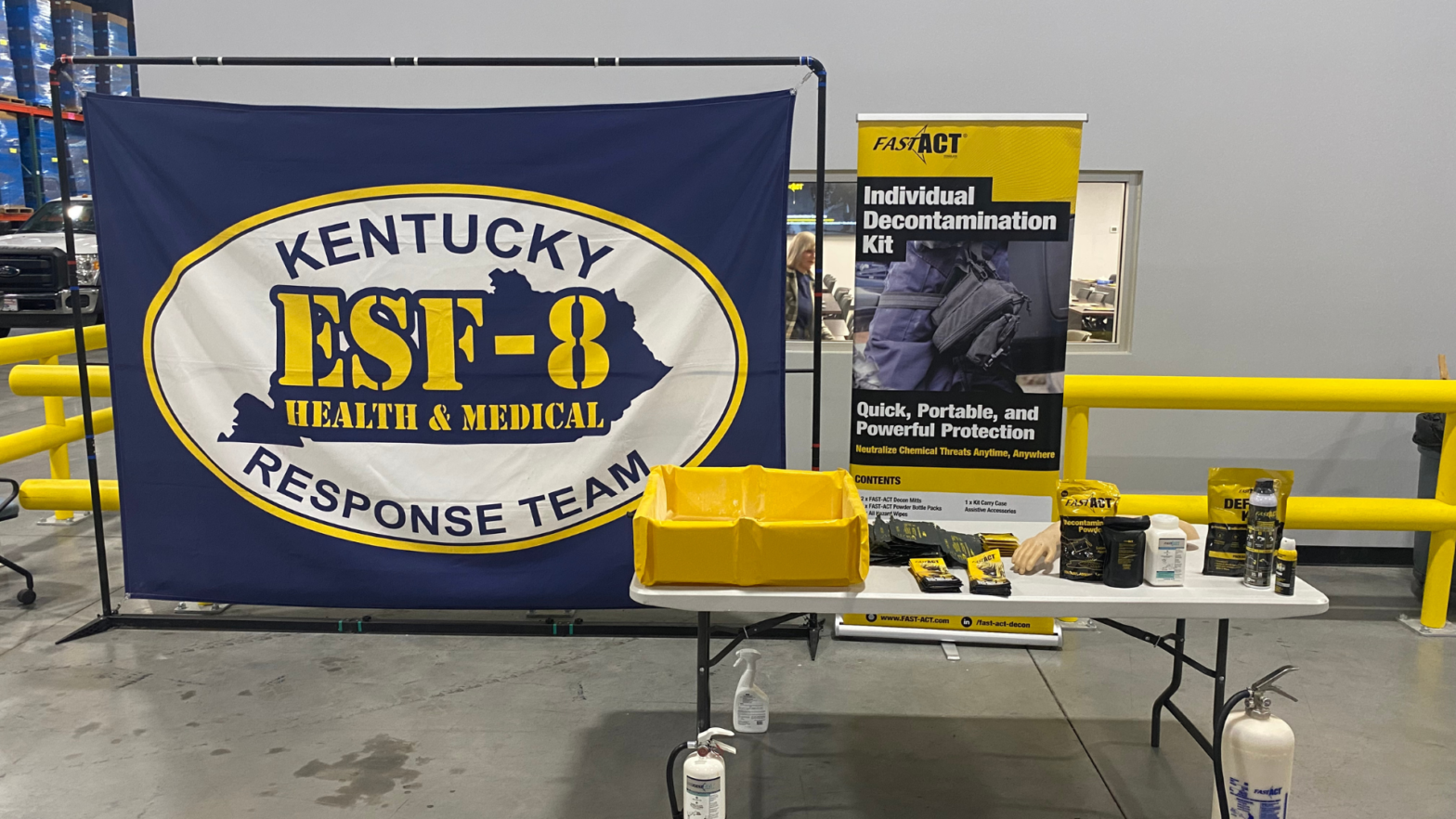
February was a strong month for FAST-ACT as our team continued supporting responder preparedness through hands-on demonstrations and international engagement.


Tag: CBRN training
Decontamination in High-Risk Environments: Operational Realities Across Critical Sectors
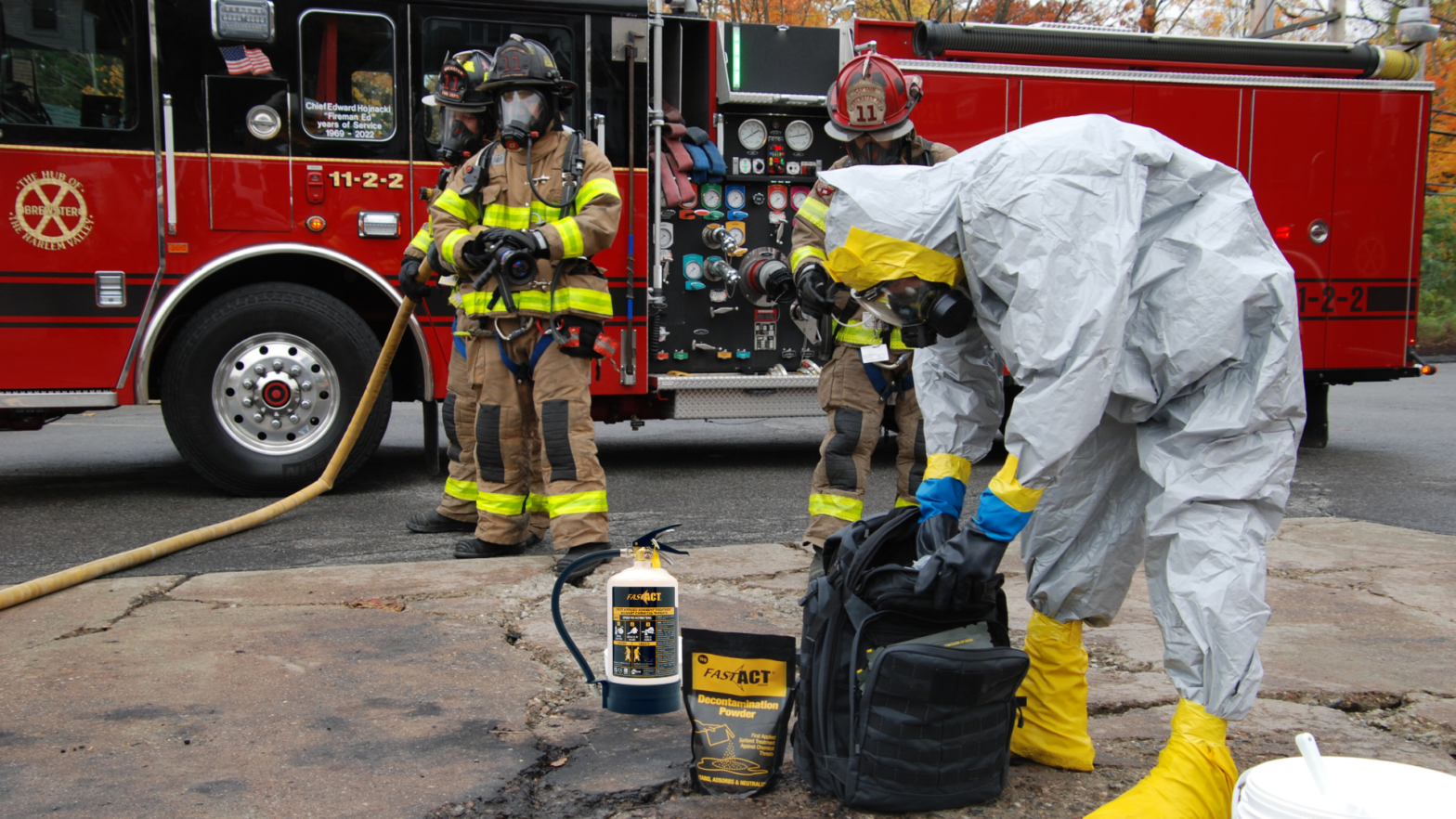
Decontamination in high-risk environments varies across sectors, each with unique operational challenges and chemical threats. Learn how FAST-ACT® dry decontamination supports rapid response, protects personnel and equipment, and maintains continuity in critical operations.
Fentanyl Decontamination and Responder Safety: Why Federal Designation Matters for First Responders
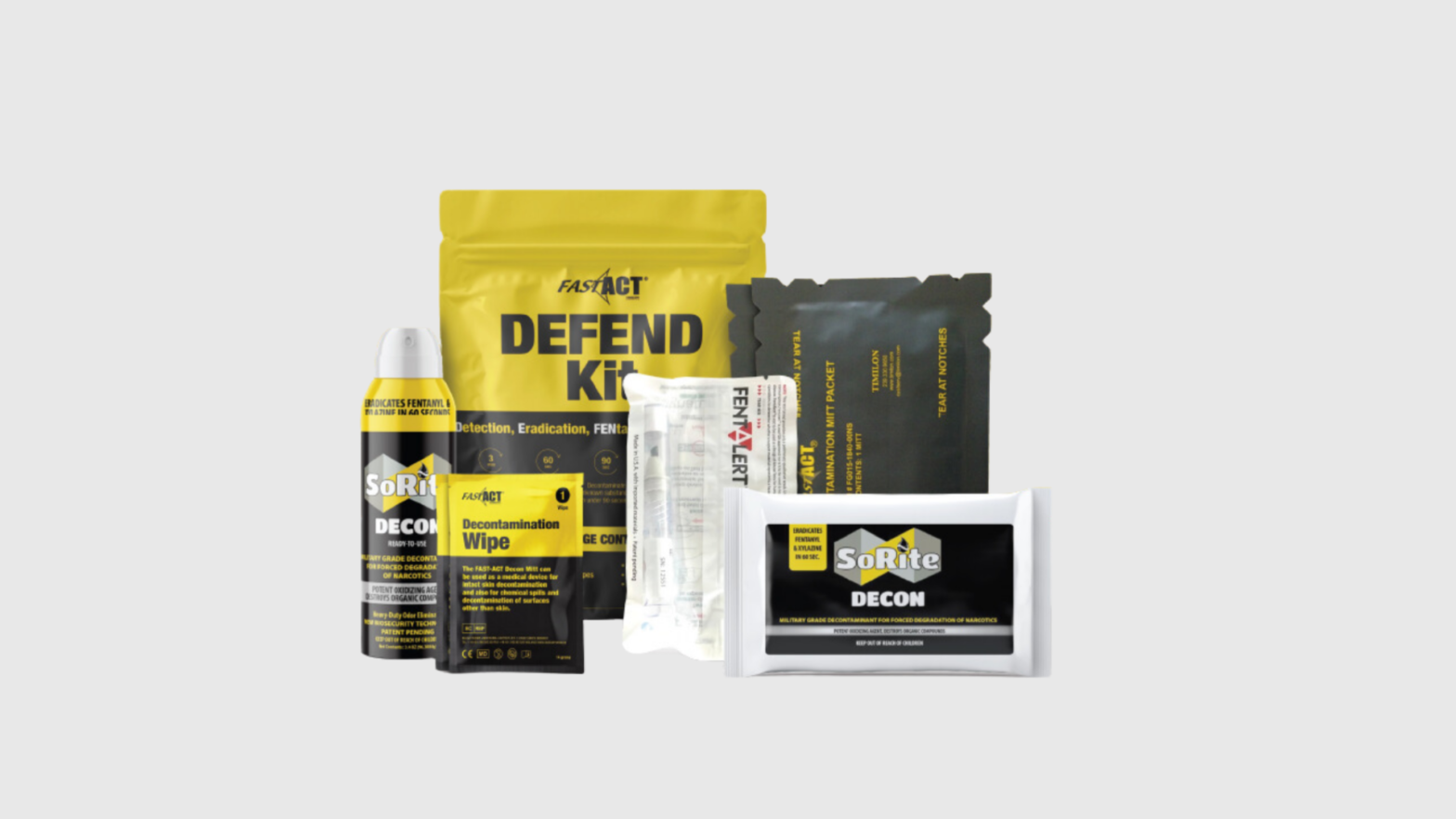
Federal designation of fentanyl as a WMD highlights its risks as a hazardous material for first responders. Learn how FAST-ACT® dry decontamination supports safer handling, reduces exposure risk, and strengthens response protocols.
How Global Defense Investments Signal a Growing Need for Advanced Chemical Response Readiness

Rising global defense investments highlight the growing need for advanced chemical response readiness across sectors. This shift underscores the importance of scalable decontamination strategies that reduce risk and improve preparedness in evolving threat environments.
FAST-ACT December Event Highlights: Strengthening Chemical Response Readiness Across Agencies

This month, FAST-ACT continued advancing chemical preparedness through demonstrations and follow-up engagements with emergency response and military units.
FAST-ACT November Event Highlights: Advancing CBRN Readiness Across the Nation
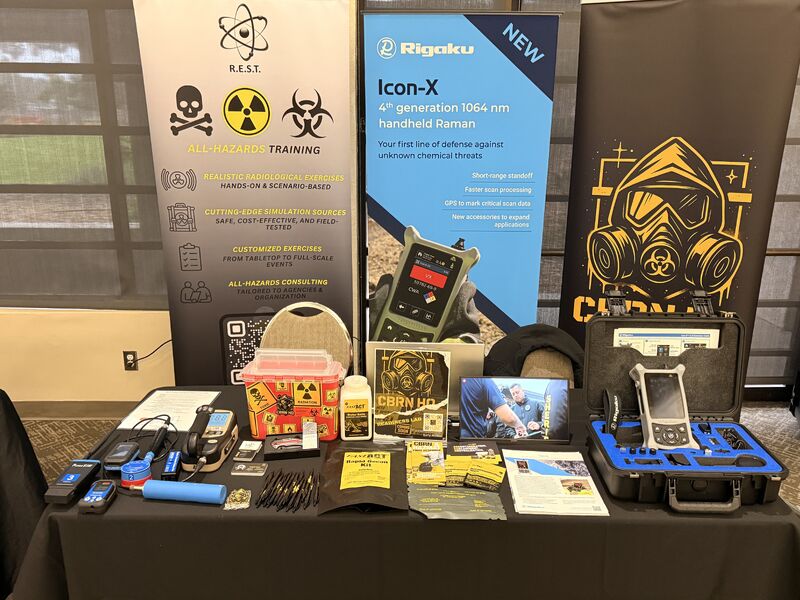
November event highlights showcase FAST-ACT®’s role in advancing CBRN readiness through nationwide training, demonstrations, and collaboration. These engagements strengthen coordination, improve operational preparedness, and support more effective response across emergency and defense sectors.
Safe Hazardous Package Handling: Lithium, Opioids, and Chemical Spill Response
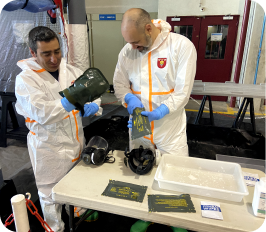
Hazardous package handling incidents involving lithium batteries, opioids, and chemical spills can occur unexpectedly across transport environments. Effective safety depends on proper protocols, hazard awareness, and rapid response measures to reduce exposure risks.
FAST-ACT Dry Decontamination Demo Strengthens Chemical Response Readiness in Dallas, TX
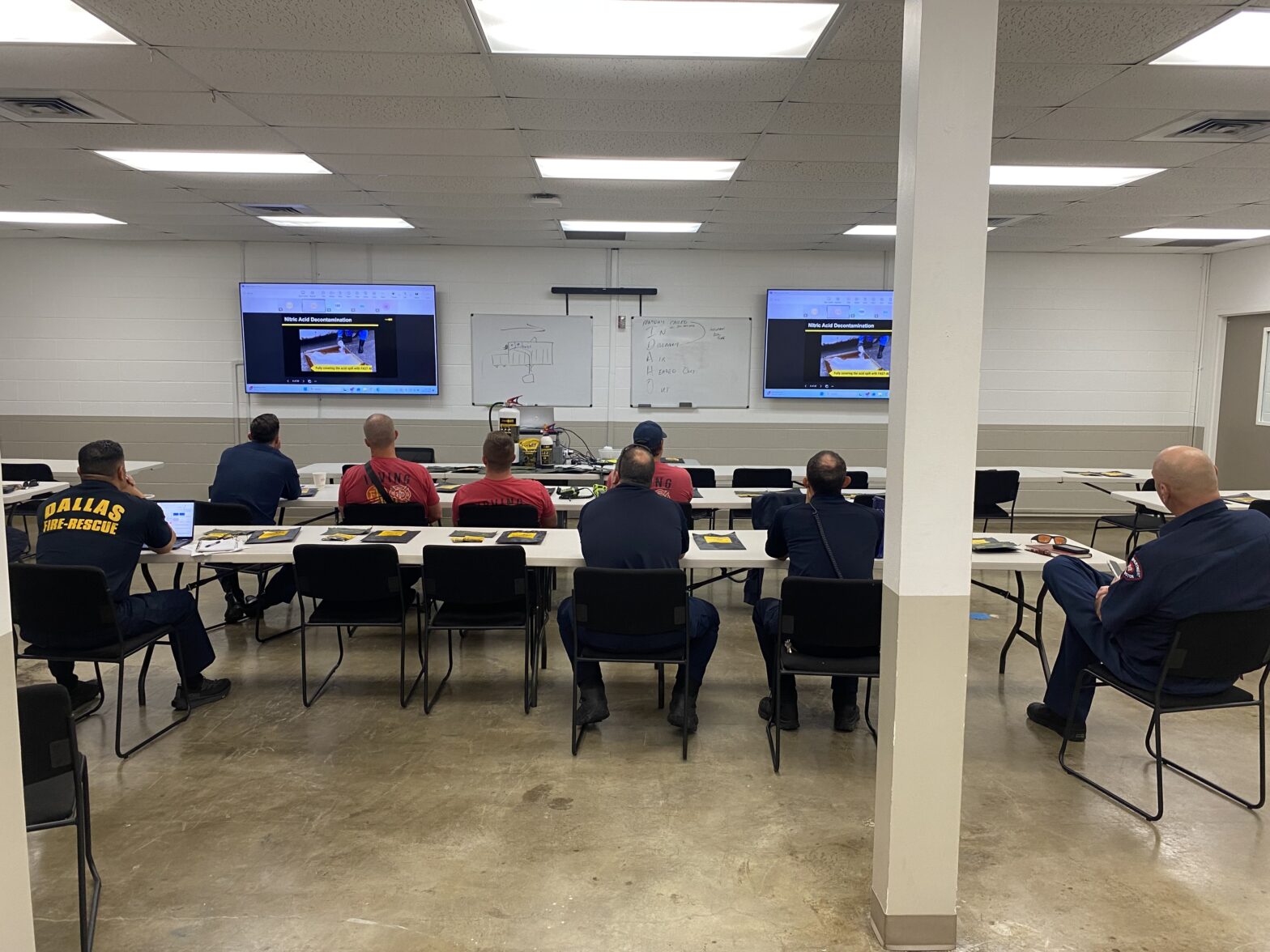
FAST-ACT conducted a live dry decontamination demonstration with the Dallas Fire Department and multiple Dallas-area agencies, showcasing how first responders can rapidly and safely neutralize chemical threats using FAST-ACT technology.
FAST-ACT’s Hospital SOP: Advancing Chemical Decontamination Preparedness

In this blog, we will cover the essential steps of the FAST-ACT hospital SOP, explain how the FAST-ACT Pressurized Cylinders, FAST-ACT Decontamination Mitts, and FAST-ACT Decontamination Wipes are applied, and highlight the supporting science behind these hospital-focused decontamination protocols.
Defending Against the Unknown: Why the FAST-ACT DEFEND Kit is Critical for First Responders
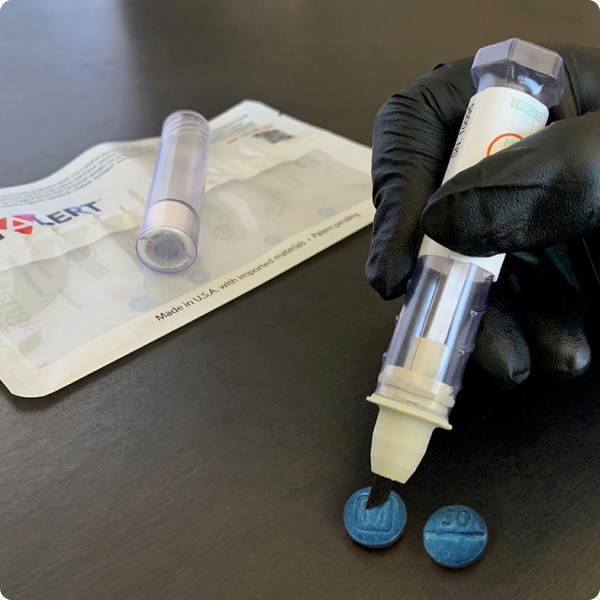
The rise of fentanyl and other illicit drugs has amplified these risks. For those on the front lines, having a reliable, field-ready solution for both detection and decontamination is no longer optional—it’s essential.