EMS may encounter chemically contaminated patients before full HAZMAT decontamination is established. Learn how early dry decontamination can help manage contamination, reduce secondary exposure, and bridge the gap to comprehensive decontamination.


Tag: FAST-ACT cold weather
Chemical Spill Response and Decontamination Challenges in Stadium Environments

Large sporting venues create unique challenges involving crowd safety, contamination spread, and operational continuity. This article explores chemical preparedness for stadiums, decontamination challenges, and how FAST-ACT® supports hazardous materials response during large-scale events.
Decontamination in High-Risk Environments: Operational Realities Across Critical Sectors
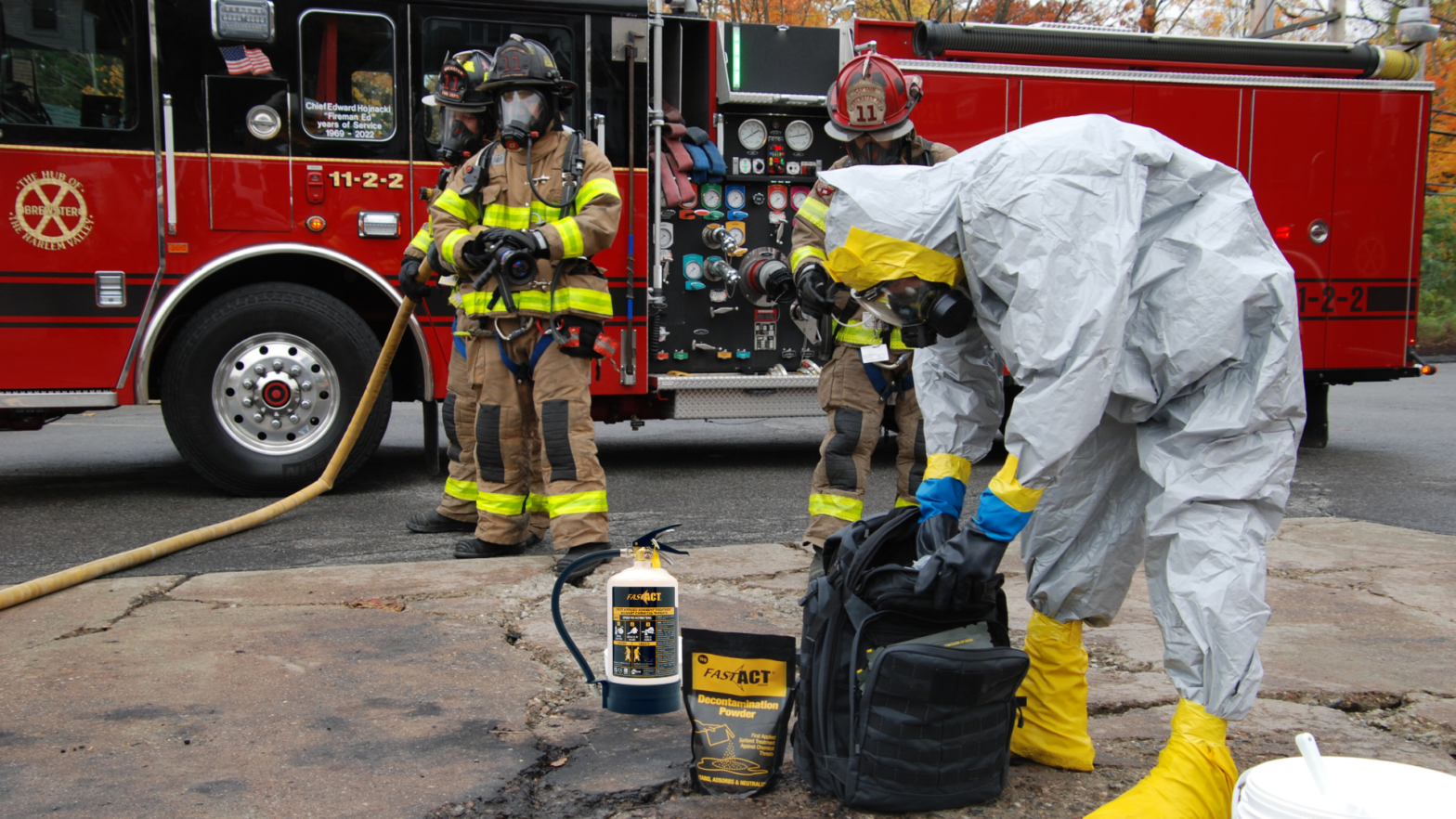
Decontamination in high-risk environments varies across sectors, each with unique operational challenges and chemical threats. Learn how FAST-ACT® dry decontamination supports rapid response, protects personnel and equipment, and maintains continuity in critical operations.
Dry Decontamination in Cold Weather: Managing Chemical and Vapor Hazards When Temperatures Drop
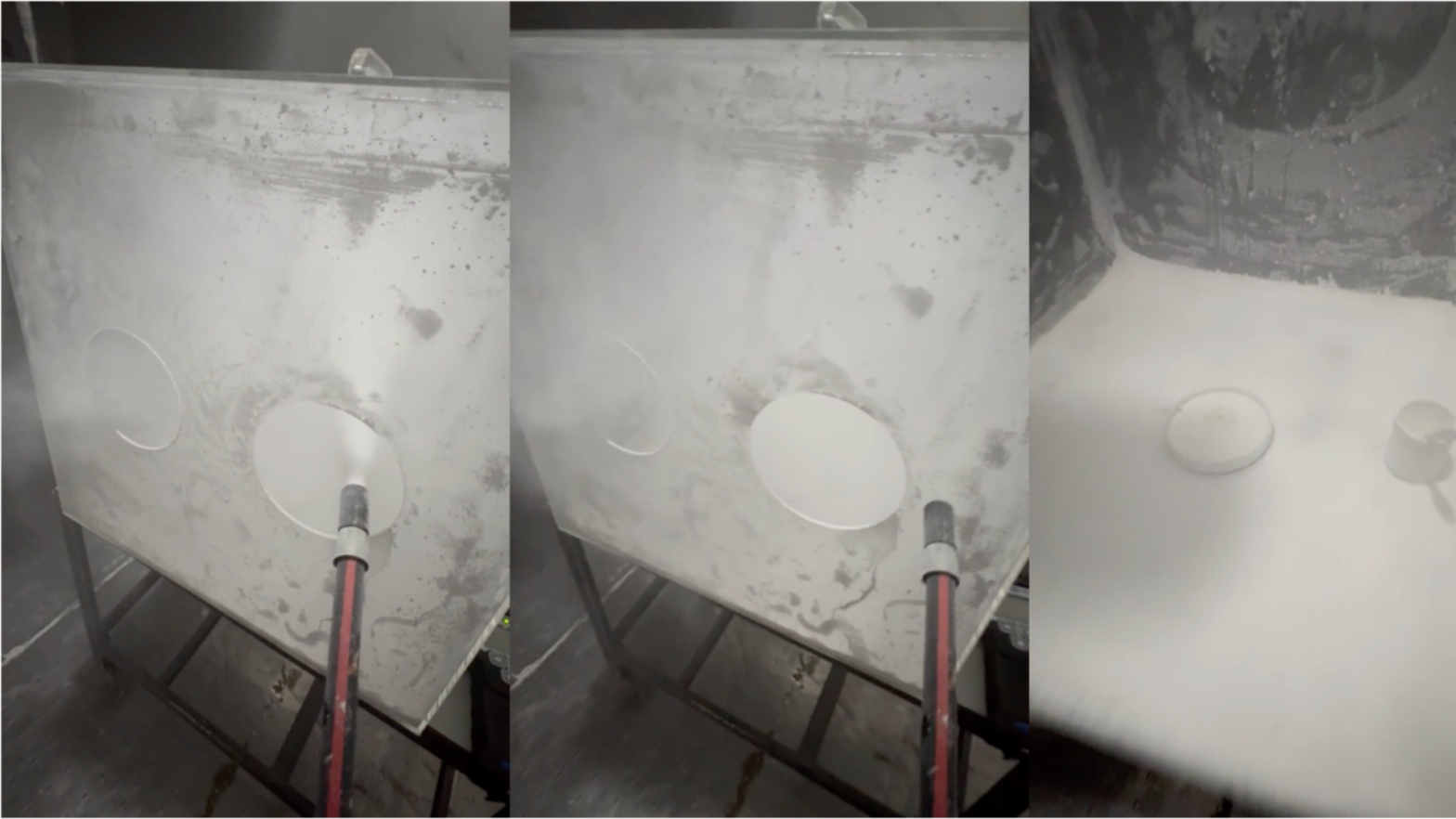
Cold weather creates significant challenges for chemical and vapor decontamination, especially when traditional methods fail. Learn how FAST-ACT® dry decontamination supports rapid response, remains effective in freezing conditions, and improves safety in extreme environments.
Dry Decontamination in Extreme Cold Conditions Field Test with FAST-ACT

Effective decontamination is a critical process for mitigating chemical threats, but what happens when temperatures drop below freezing? To address this challenge, FAST-ACT underwent rigorous testing in extreme cold conditions, read more.
FAST-ACT Webinar Highlights Optimizing Decontamination in Cold Weather: Dry vs. Wet Methods
FAST-ACT hosted a highly informative session titled “Optimizing Decontamination in Cold Weather: Dry vs. Wet Methods,” featuring CBRN Subject Matter Expert Dieter Rothbacher.