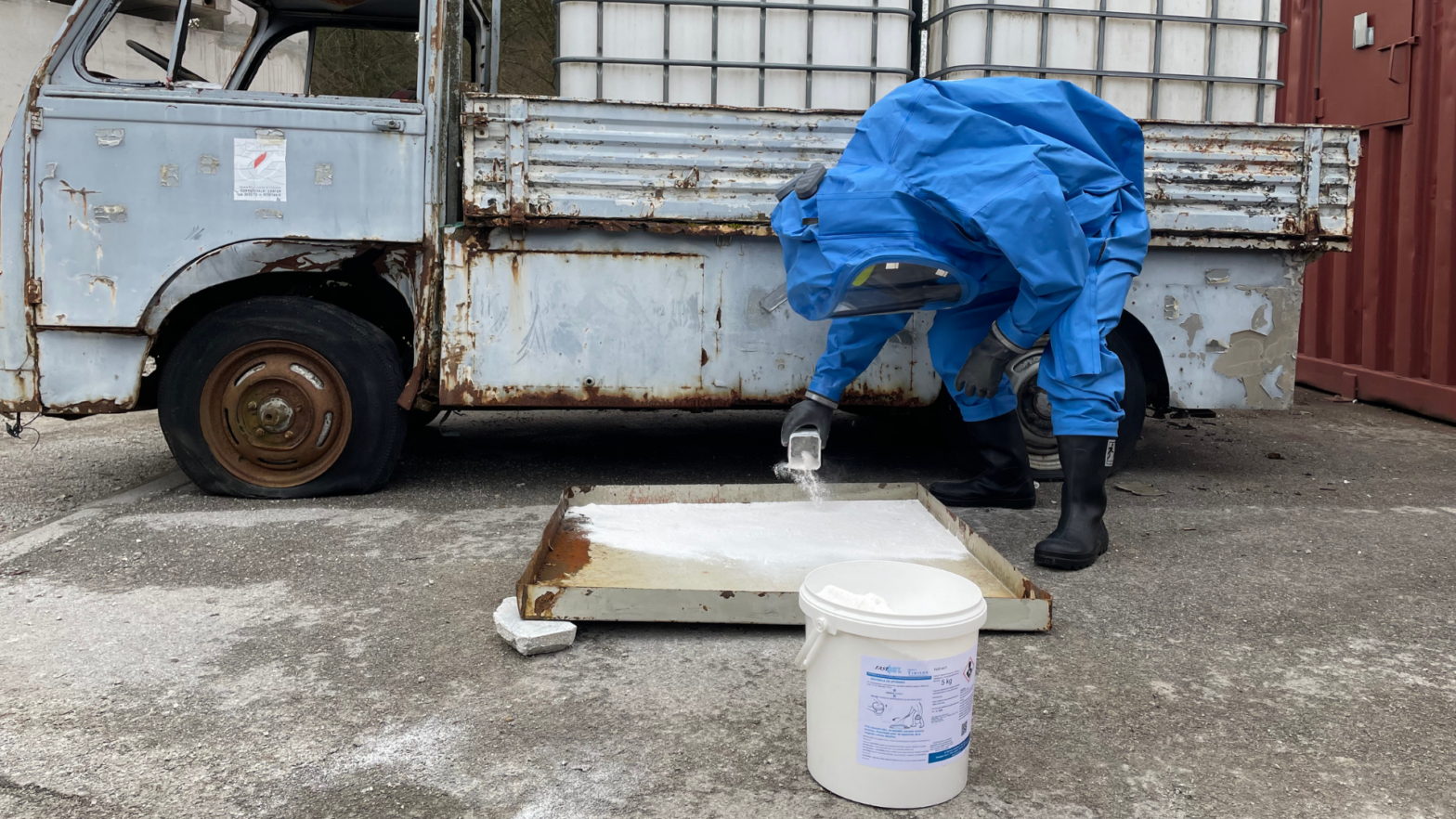
Learn what the latest hazardous materials incident data reveals about chemical response, decontamination, and emergency preparedness—and how organizations can improve responder safety.


Tag: hazardous gas exposure
What Are the Five Most Common Hazardous Materials Encountered by First Responders?
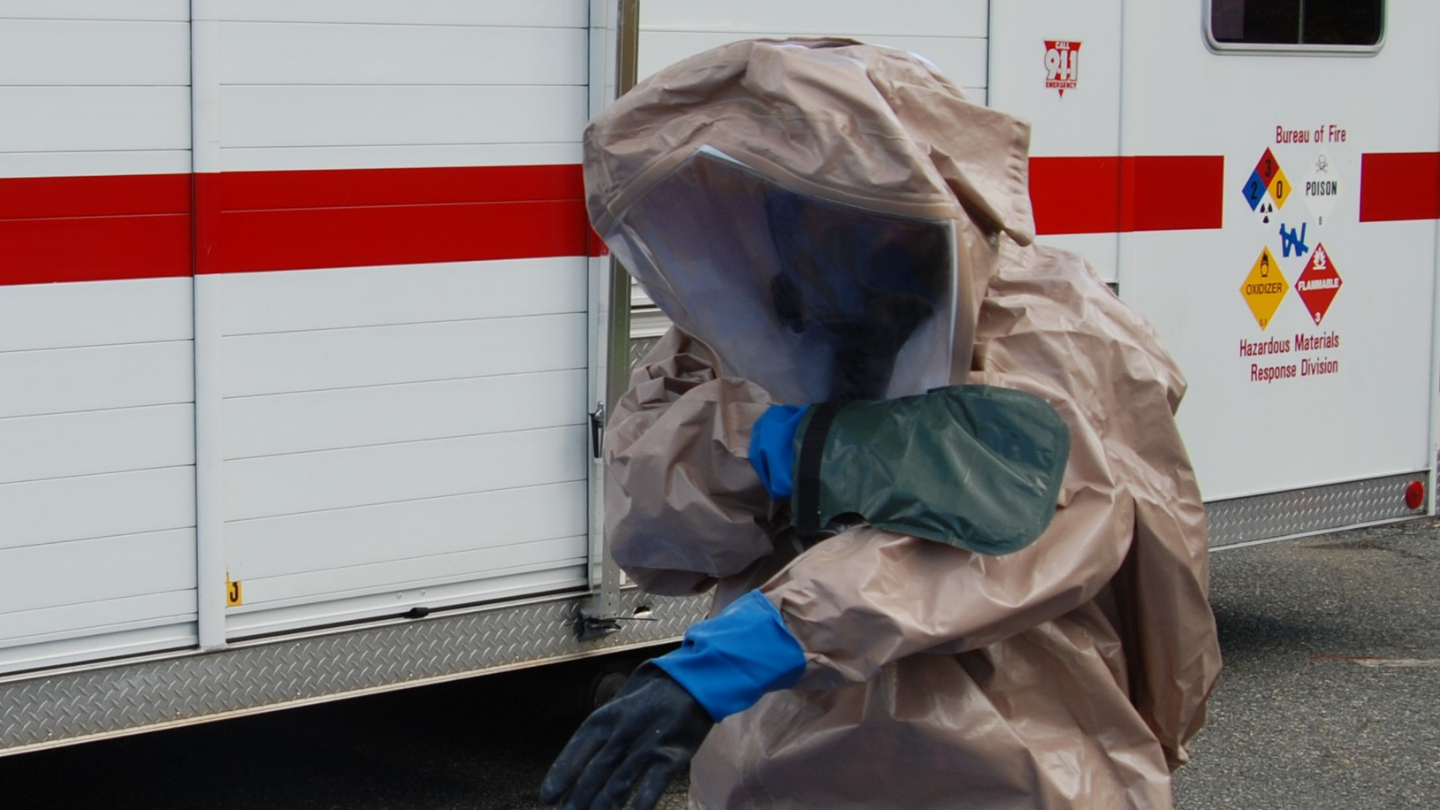
First responders face a wide range of hazardous materials, each requiring a rapid and informed response. Learn about five of the most common HAZMAT threats and key considerations for protecting personnel, limiting contamination, and supporting effective incident response.
What the Longview Paper Mill Disaster Teaches Us About Industrial Chemical Spill Preparedness
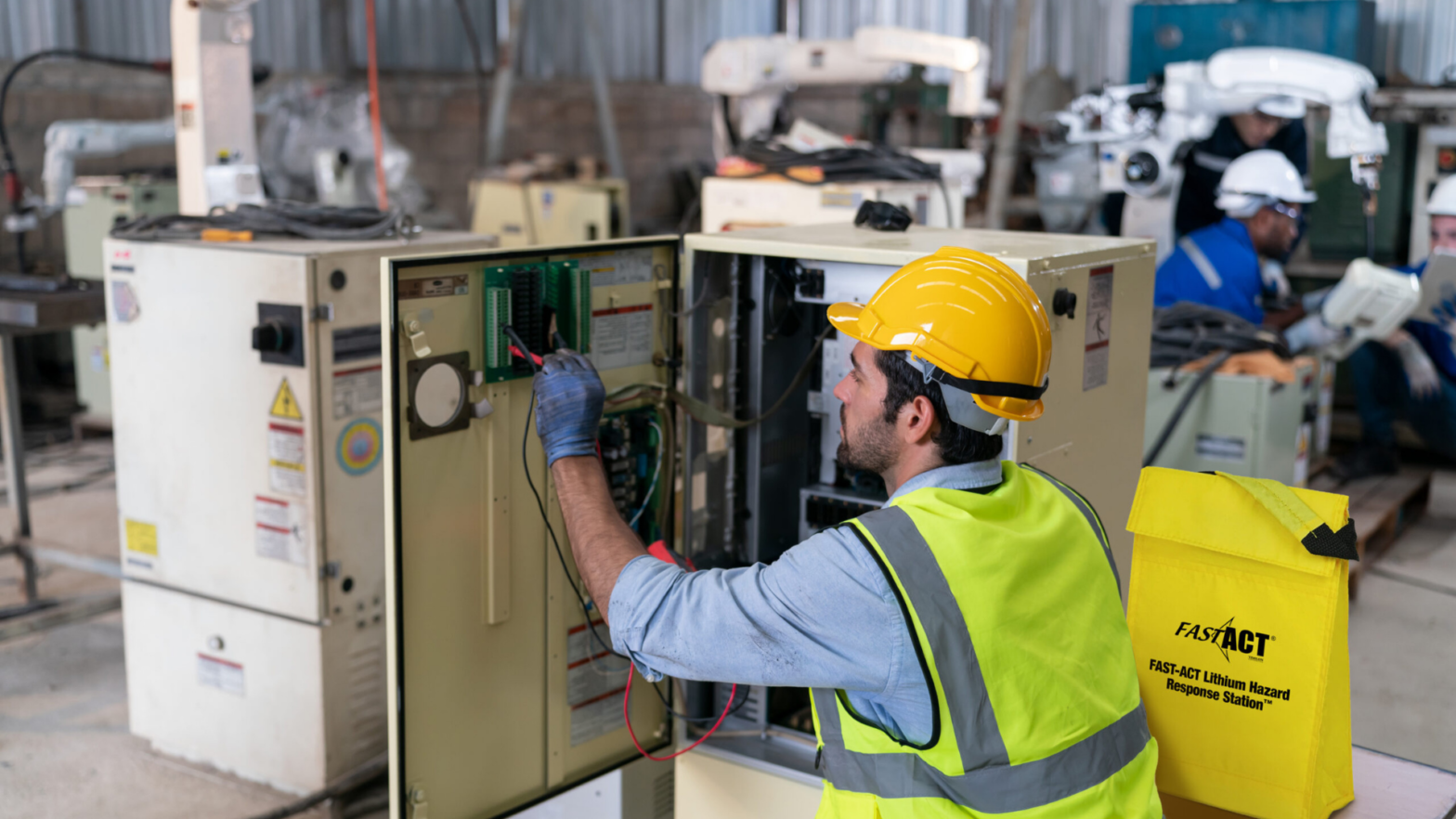
The Longview paper mill disaster highlights why industrial chemical spill preparedness is critical. Learn how facilities can improve chemical spill response, contamination management, and worker safety before an incident occurs.
What the 2026 FIFA World Cup Is Teaching Emergency Management and Response Teams About Chemical Preparedness

The 2026 FIFA World Cup is providing valuable lessons in large-scale event preparedness. Explore how coordination, chemical preparedness, and operational resilience are shaping future emergency response planning.
Chemical Preparedness Beyond Stadiums: Fan Zones, Watch Parties, and Opening Ceremonies at the 2026 World Cup

Fan zones, watch parties, and opening ceremonies create unique operational challenges involving crowd safety, hazard recognition, and emergency response coordination during the 2026 FIFA World Cup. Learn how FAST-ACT® supports chemical preparedness and decontamination planning for large public gathering environments.
Chemical Spill Response and Decontamination Challenges in Stadium Environments

Large sporting venues create unique challenges involving crowd safety, contamination spread, and operational continuity. This article explores chemical preparedness for stadiums, decontamination challenges, and how FAST-ACT® supports hazardous materials response during large-scale events.
Managing Chemical and CBRN Threats at the 2026 FIFA World Cup: What Response Teams Need to Know

Chemical emergency preparedness for the 2026 World Cup presents unique challenges across stadiums, fan zones, transportation systems, and public gathering environments. This article explores CBRN threats, public safety considerations, and how FAST-ACT® supports rapid decontamination and hazardous materials response during large-scale events.
CBRN Threat Preparedness Amid Rising Global Tensions
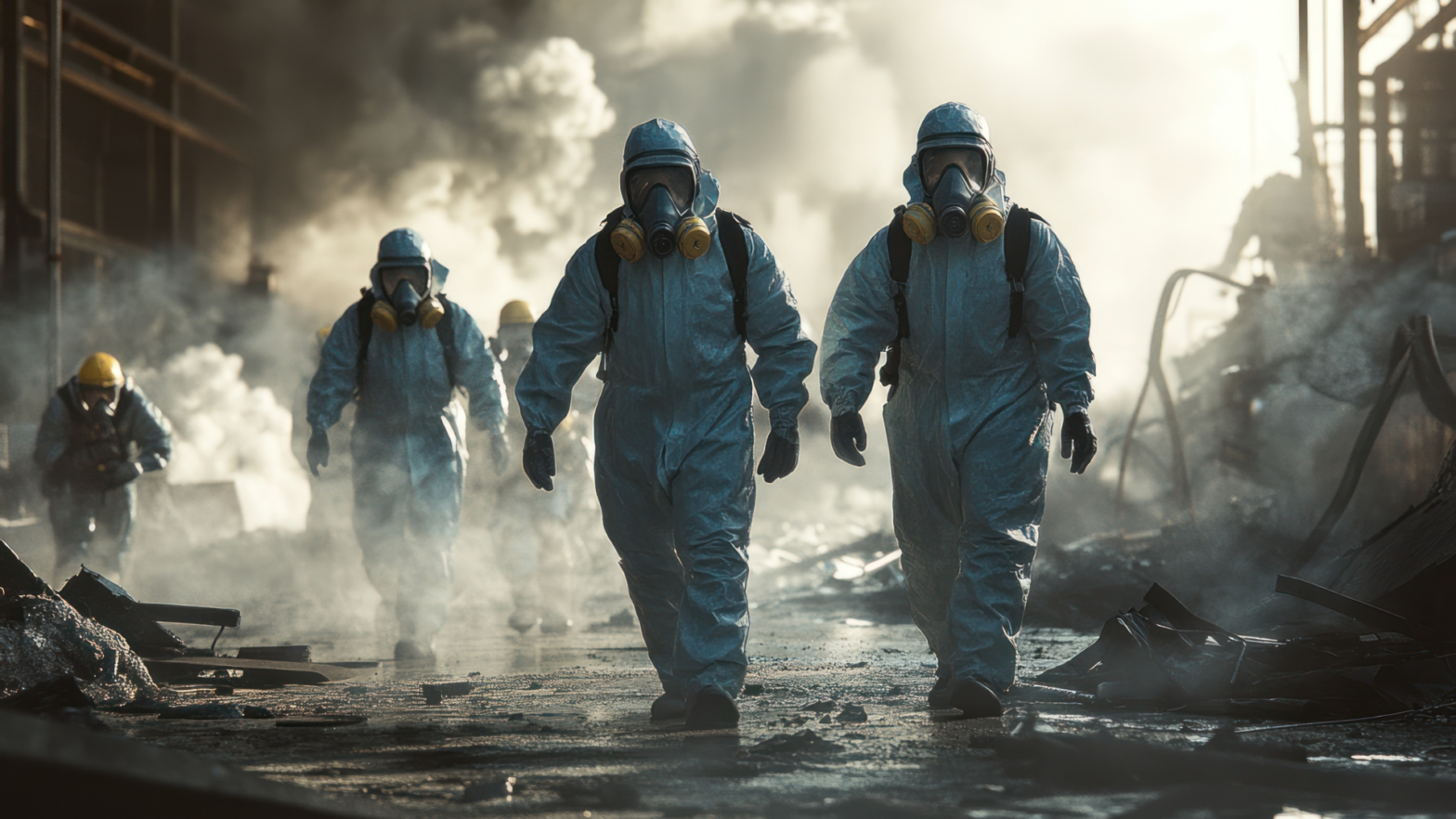
Rising global tensions are increasing awareness of CBRN threats across defense and emergency response sectors. Learn how preparedness strategies, including FAST-ACT® dry decontamination, support faster response and strengthen resilience in evolving risk environments.
DOT HazMat Inspection Priorities: What PHMSA’s New Focus Means for Hazardous Materials Transport
New DOT hazmat inspection priorities are shifting focus toward high-risk materials, data-driven enforcement, and stricter oversight. Learn how FAST-ACT® dry decontamination supports preparedness, reduces risk, and strengthens response capabilities across hazardous materials transport operations.
How Global Defense Investments Signal a Growing Need for Advanced Chemical Response Readiness

Rising global defense investments highlight the growing need for advanced chemical response readiness across sectors. This shift underscores the importance of scalable decontamination strategies that reduce risk and improve preparedness in evolving threat environments.