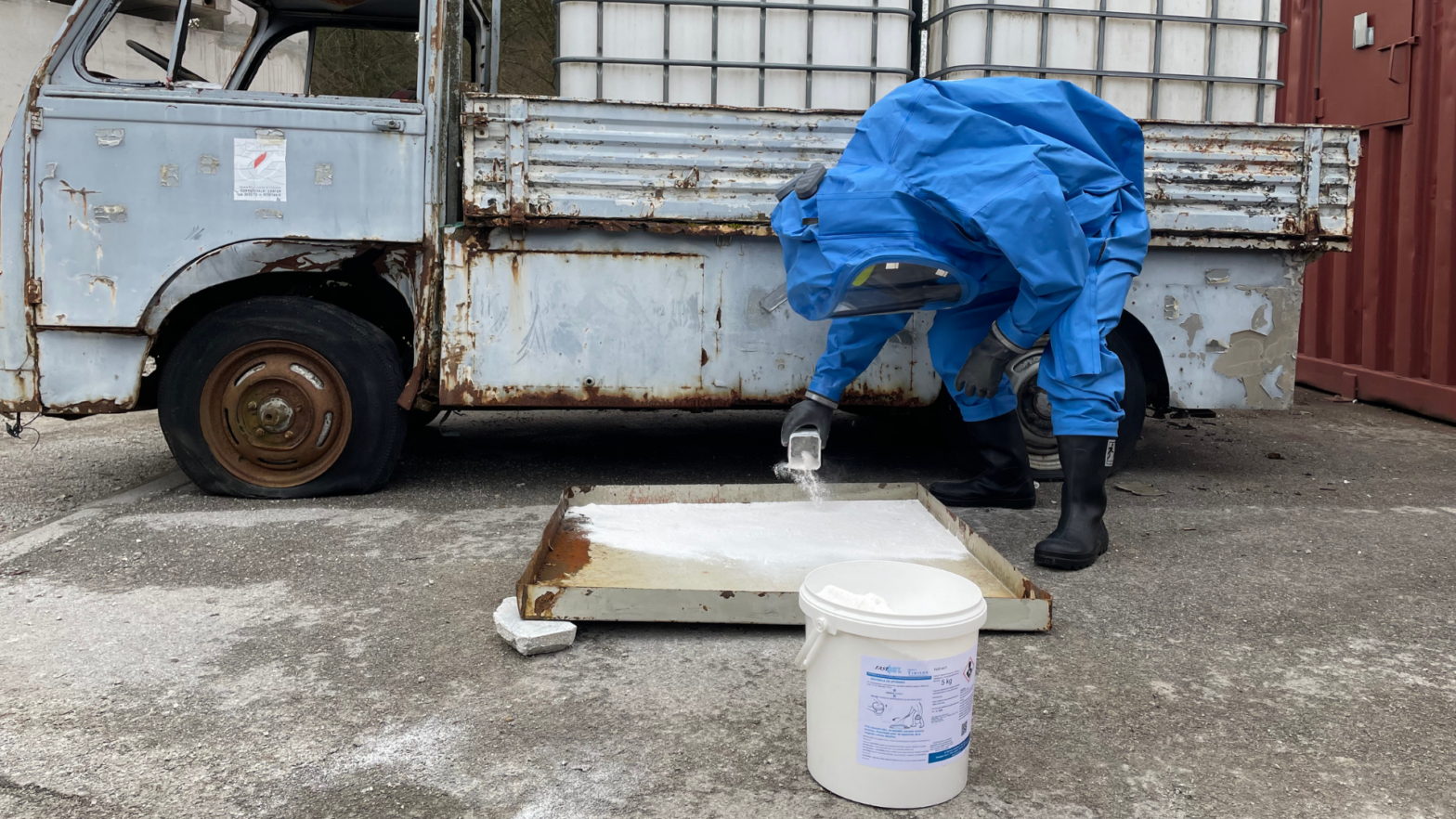
Learn what the latest hazardous materials incident data reveals about chemical response, decontamination, and emergency preparedness—and how organizations can improve responder safety.


Tag: EV battery fires
What Are the Five Most Common Hazardous Materials Encountered by First Responders?
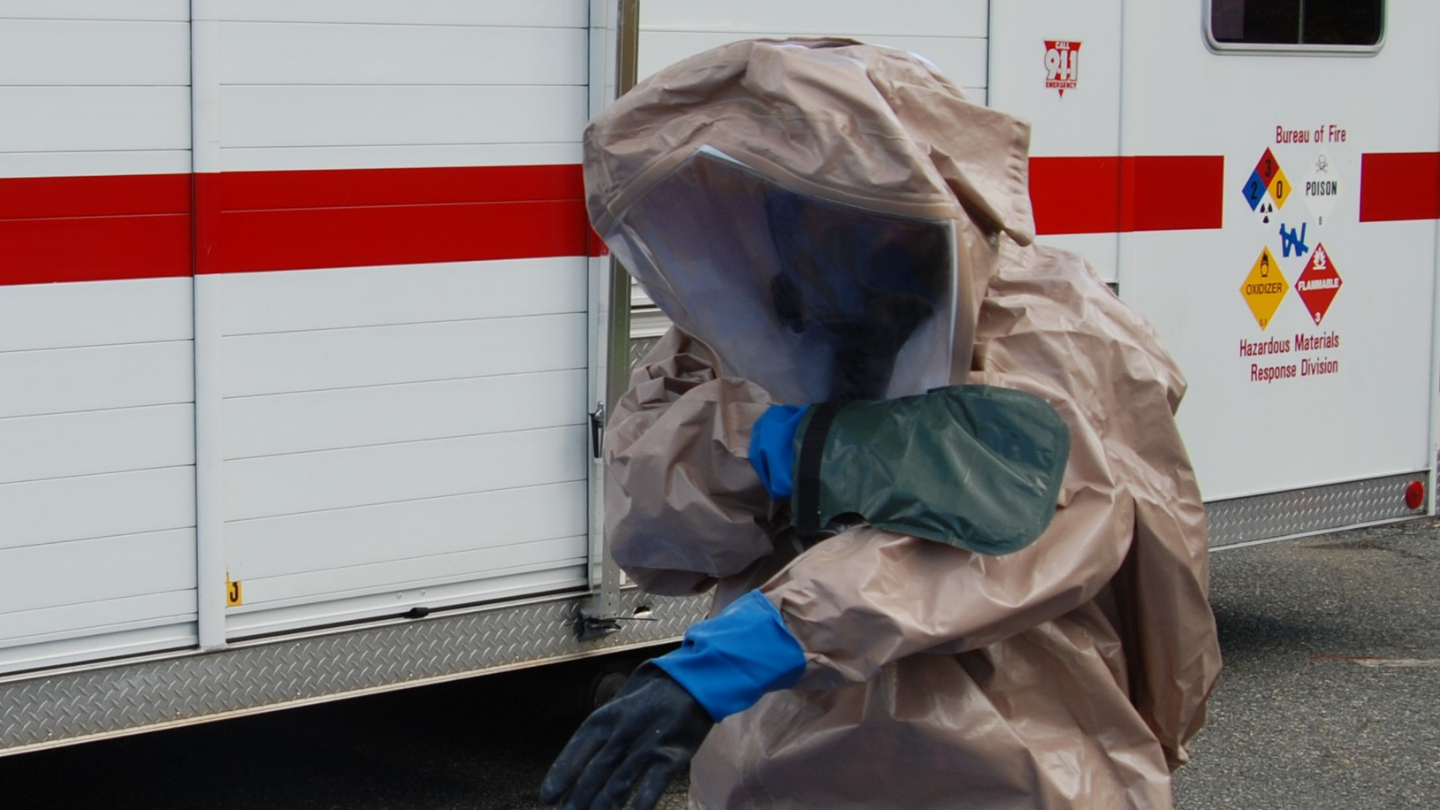
First responders face a wide range of hazardous materials, each requiring a rapid and informed response. Learn about five of the most common HAZMAT threats and key considerations for protecting personnel, limiting contamination, and supporting effective incident response.
What the Longview Paper Mill Disaster Teaches Us About Industrial Chemical Spill Preparedness
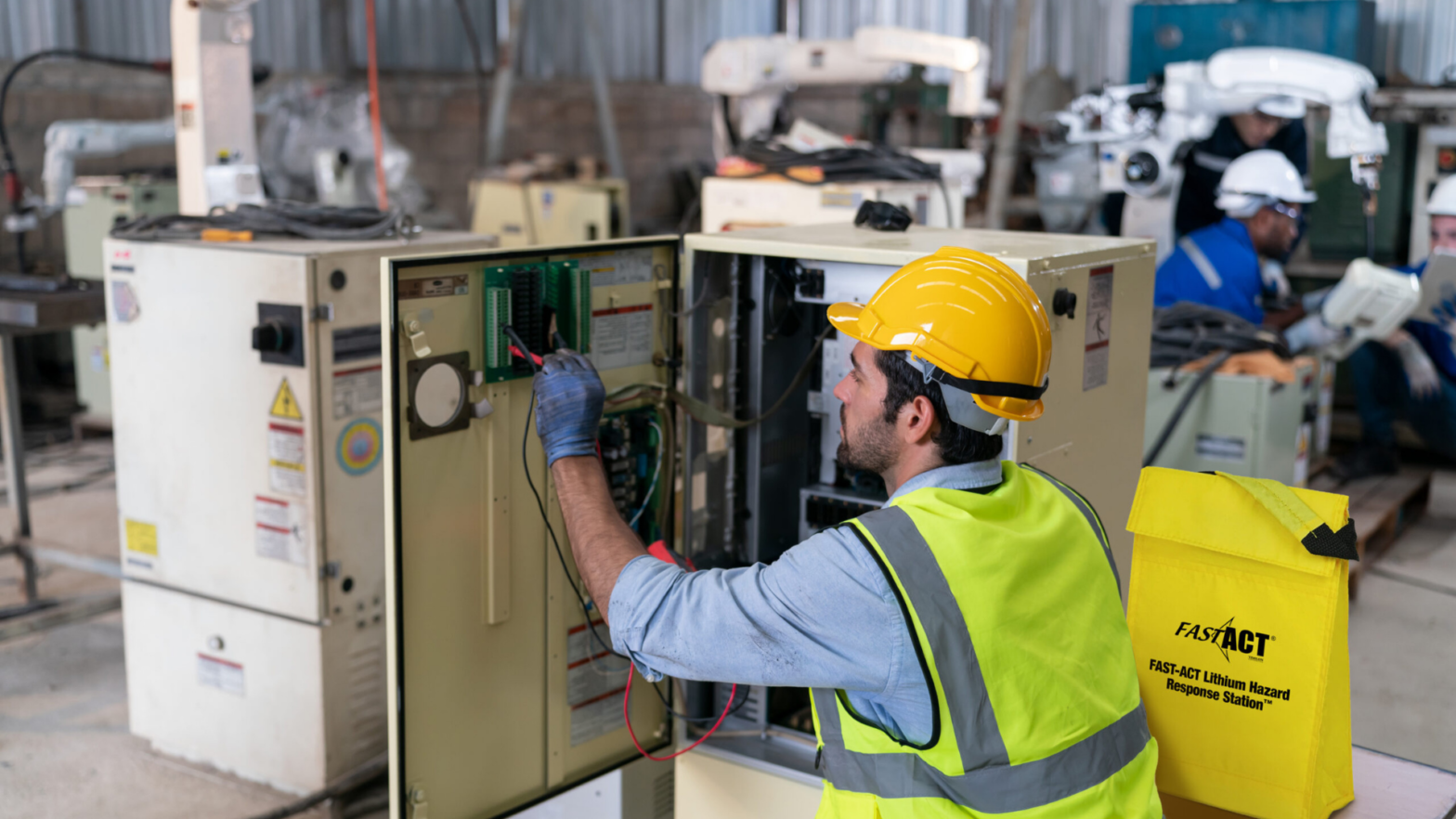
The Longview paper mill disaster highlights why industrial chemical spill preparedness is critical. Learn how facilities can improve chemical spill response, contamination management, and worker safety before an incident occurs.
Hazardous Materials Shipping by Air: Why Compliance Matters and What Happens When It Fails

Hazardous materials shipping by air carries serious risks when compliance fails. This blog explores common failures and how FAST-ACT supports rapid response to chemical spills, vapor hazards, and unknown exposures in transportation environments.
Chemical Emergency Response Equipment for Airports: What’s Needed for Effective Response

Airports face unique risks from chemical incidents, requiring fast, effective response. This blog outlines the essential chemical emergency response equipment needed to manage both liquid and vapor hazards in dynamic airport environments.
The Science Behind The FAST-ACT® Dry Decontamination Technology
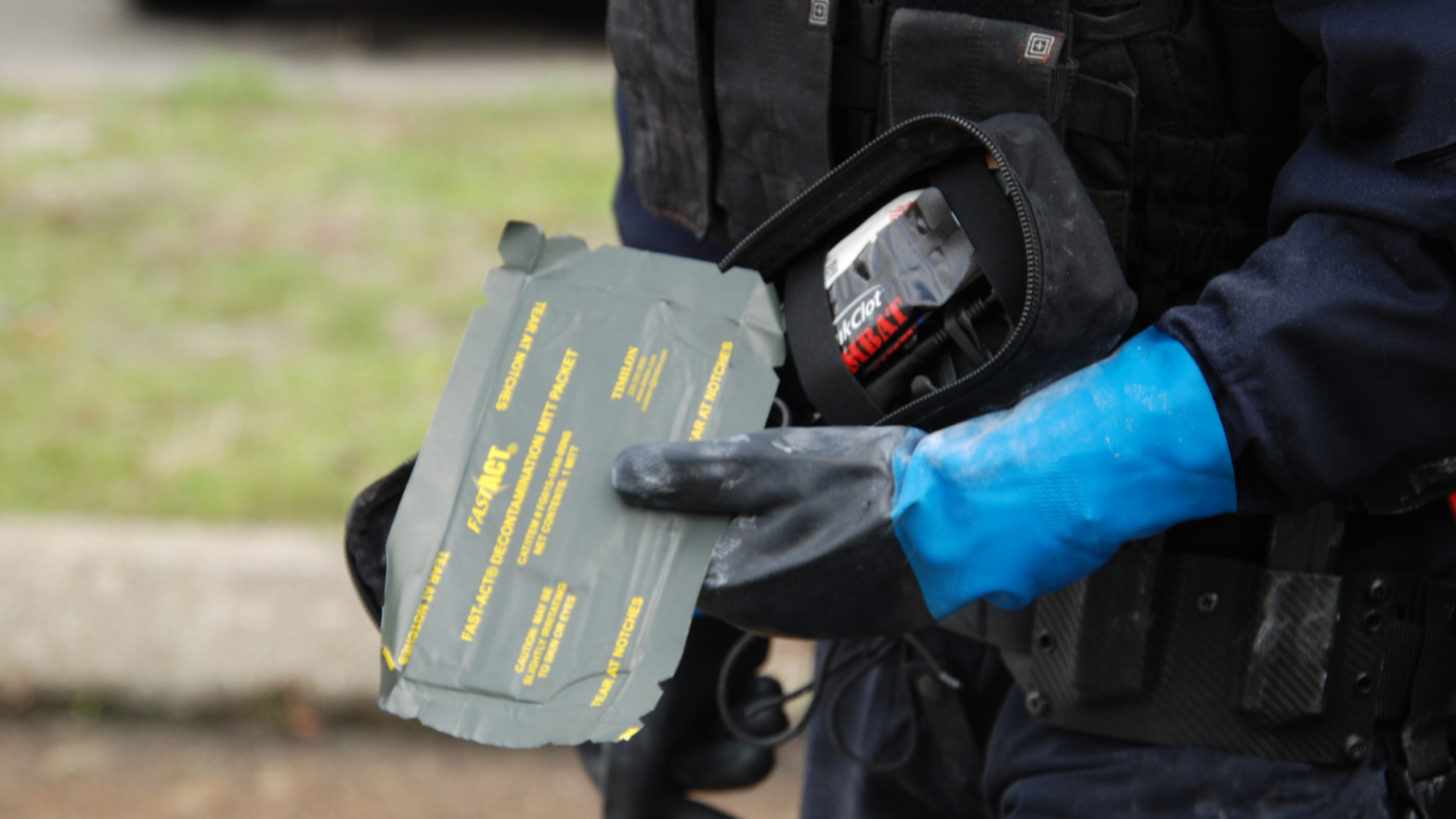
FAST-ACT® dry decontamination technology supports rapid response by combining physical removal with chemical neutralization. Learn how this approach differs from traditional methods and why it’s increasingly relevant in modern decontamination procedures.
Decontamination in High-Risk Environments: Operational Realities Across Critical Sectors
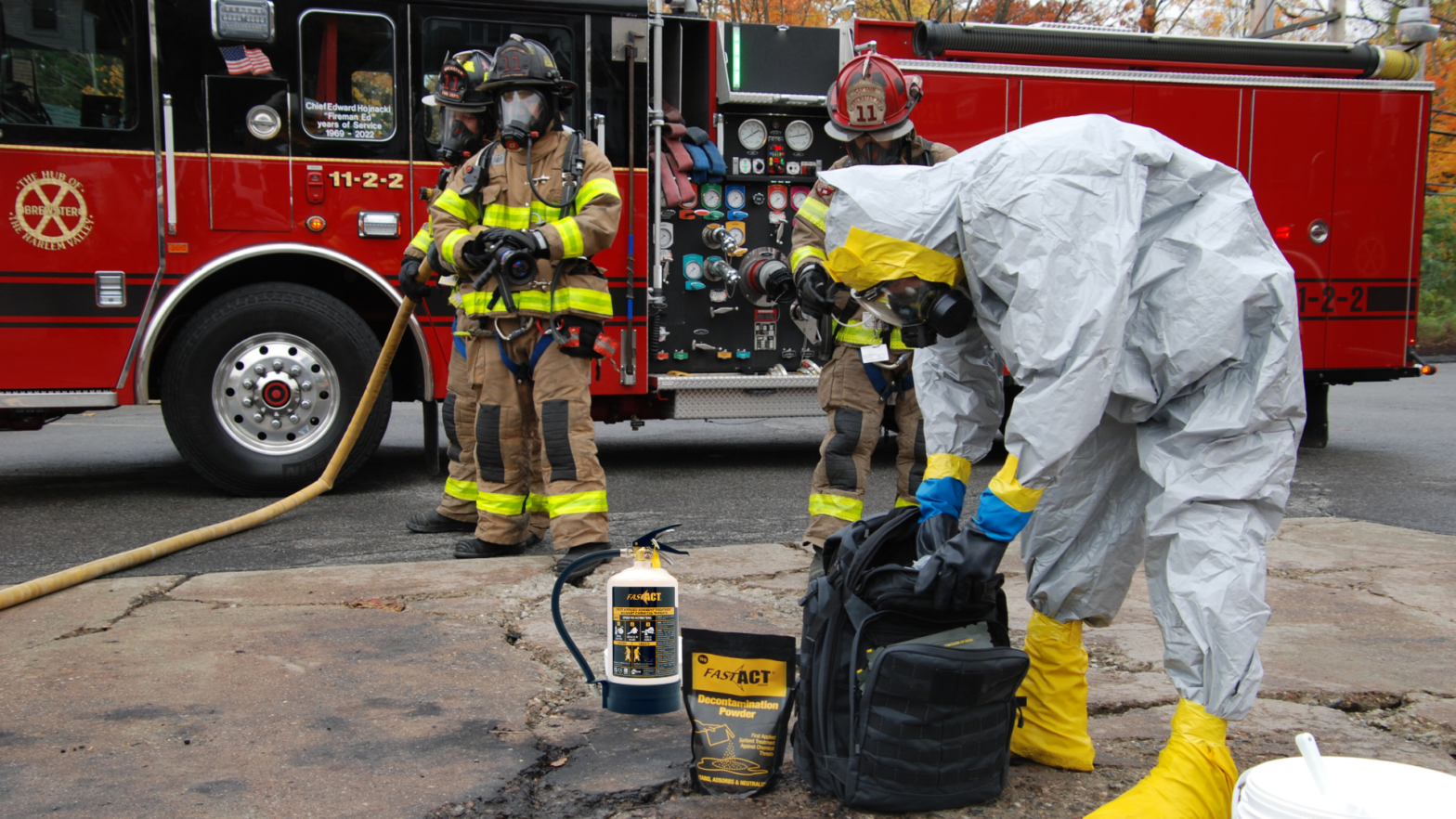
Decontamination in high-risk environments varies across sectors, each with unique operational challenges and chemical threats. Learn how FAST-ACT® dry decontamination supports rapid response, protects personnel and equipment, and maintains continuity in critical operations.
National Environmental Awareness Month: Strengthening Environmental Chemical Hazard Response Across Industrial Operations

Chemical hazard response across industrial operations requires rapid action to protect personnel, equipment, and continuity. Effective strategies focus on neutralization, exposure reduction, and minimizing downtime in environments where hazardous materials are part of daily operations.
Understanding Lithium-Ion Battery Chemical Hazards: What Recent Incidents Teach Us About Preparedness

Lithium-ion battery incidents highlight evolving chemical hazards, including toxic gases, fires, and re-ignition risks. Understanding these threats is critical to improving preparedness, strengthening response strategies, and protecting responders and communities from emerging energy-related hazards.
Safe Hazardous Package Handling: Lithium, Opioids, and Chemical Spill Response
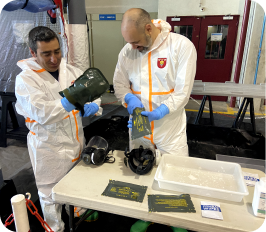
Hazardous package handling incidents involving lithium batteries, opioids, and chemical spills can occur unexpectedly across transport environments. Effective safety depends on proper protocols, hazard awareness, and rapid response measures to reduce exposure risks.