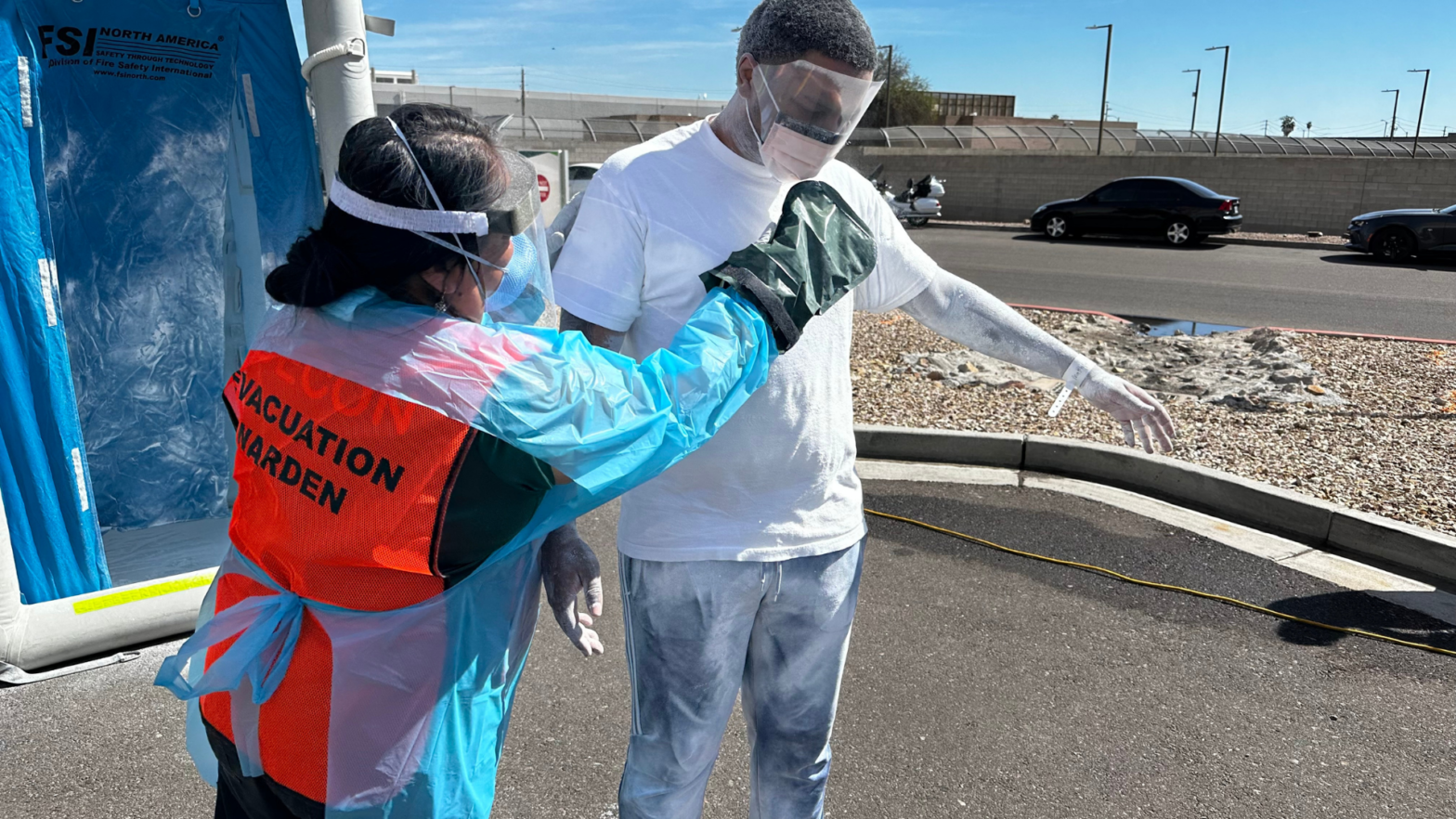
When a contaminated patient arrives before full hospital decontamination is ready, healthcare teams need options for managing the early response. Learn how dry decontamination can help hospitals address chemical contamination while supporting staff safety.


Tag: decontamination in hospitals
What Should Hospitals Do When a Contaminated Patient Walks Into the Emergency Department?
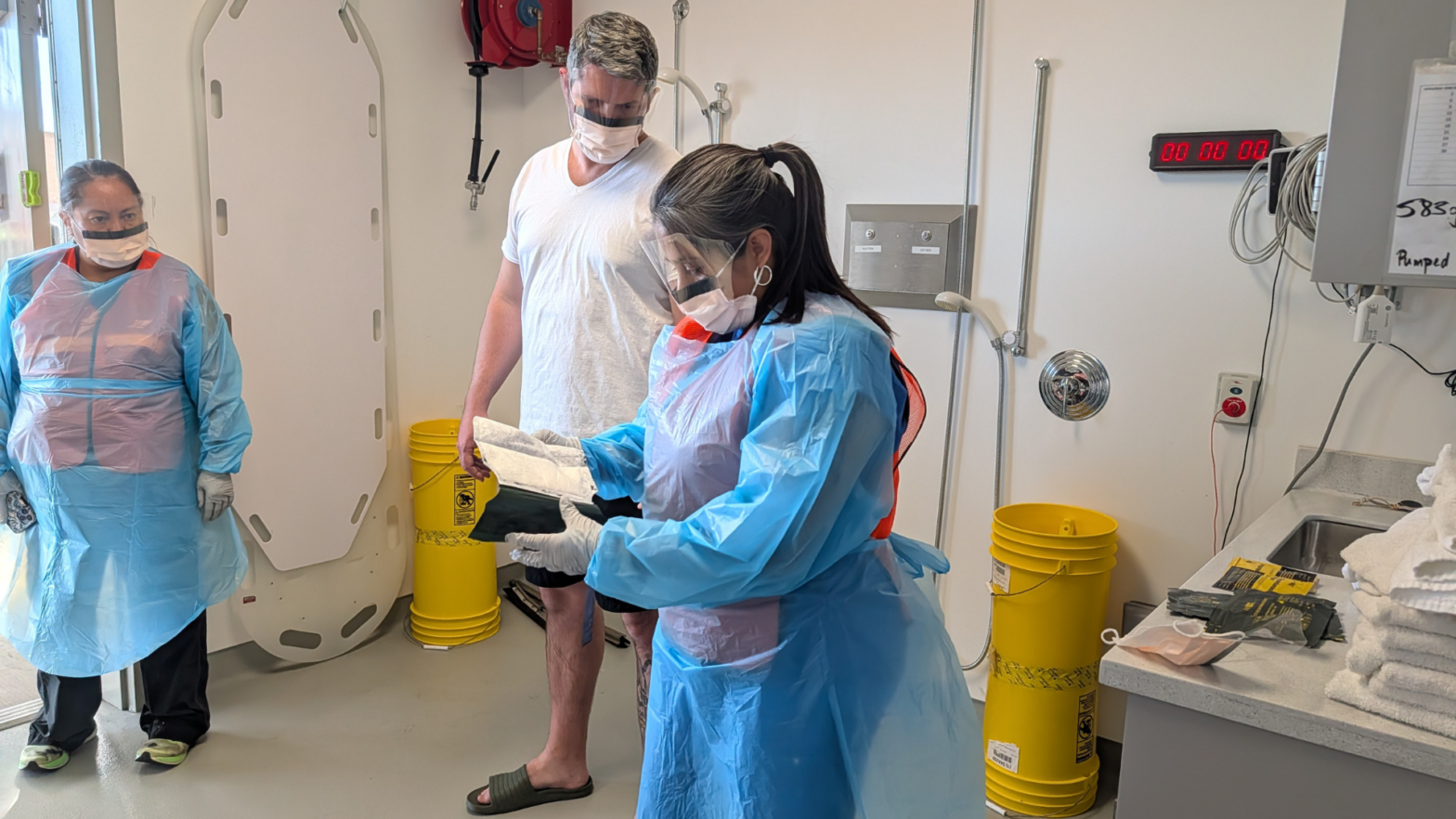
When a potentially contaminated patient walks into an emergency department before EMS or HAZMAT arrives, hospitals need to act quickly. Learn how recognition, isolation, communication, and dry decontamination can support the first 15 minutes of a chemical incident.
Who Responds to a Chemical Spill? Understanding the Role of Every Agency During a HAZMAT Incident
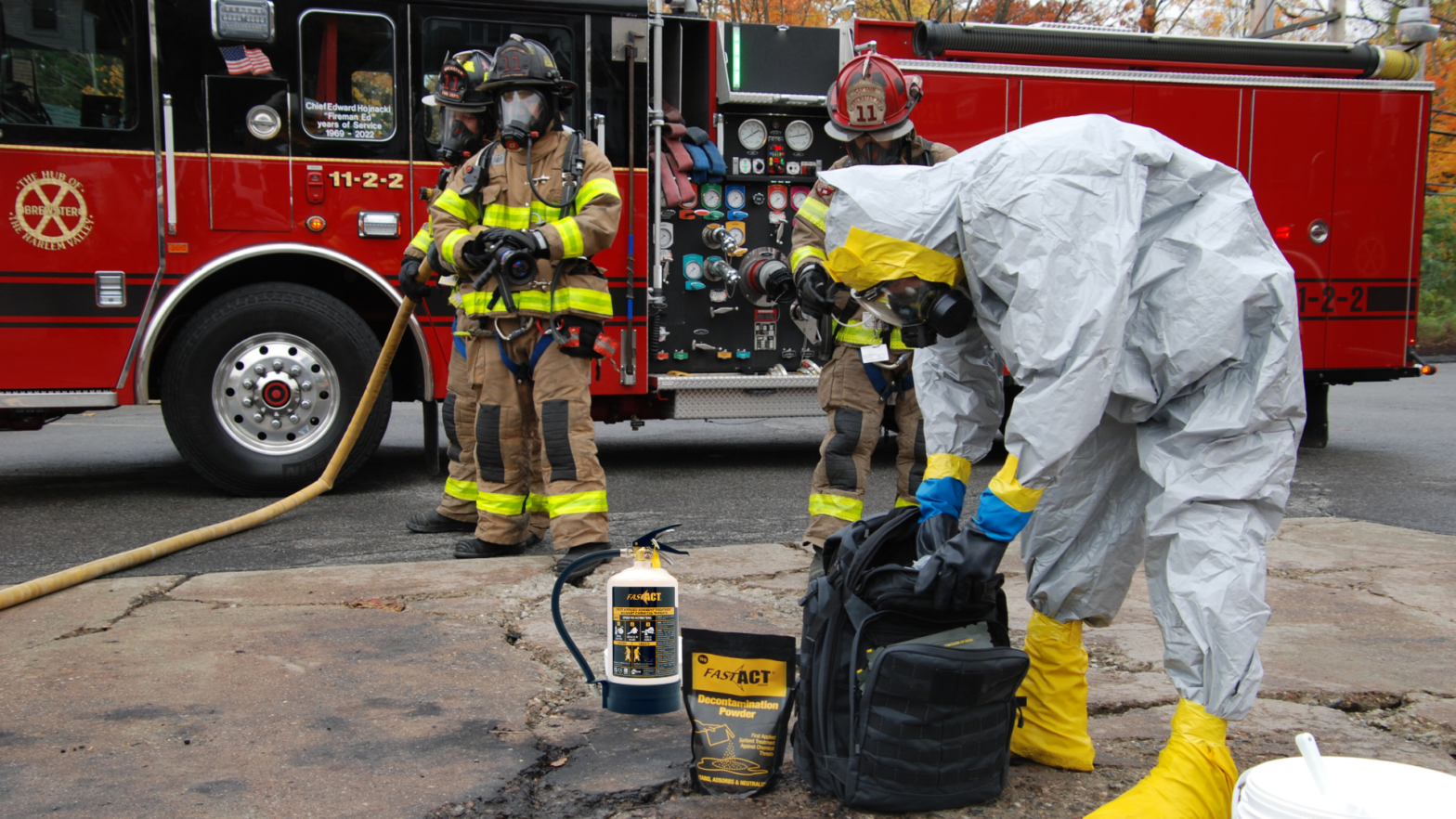
When a hazardous materials incident occurs, most people expect the local fire department to handle the emergency. In reality, chemical spill response often requires a coordinated effort between multiple agencies, each bringing specialized training, equipment, and expertise to safely manage the incident. A recent response in Lexington, Massachusetts demonstrates why. On July 20, 2026, the Lexington Fire Department responded after a… Continue reading Who Responds to a Chemical Spill? Understanding the Role of Every Agency During a HAZMAT Incident
Join Our FREE Expert Panel Discussion on Standardizing Rapid Hazardous Materials Response
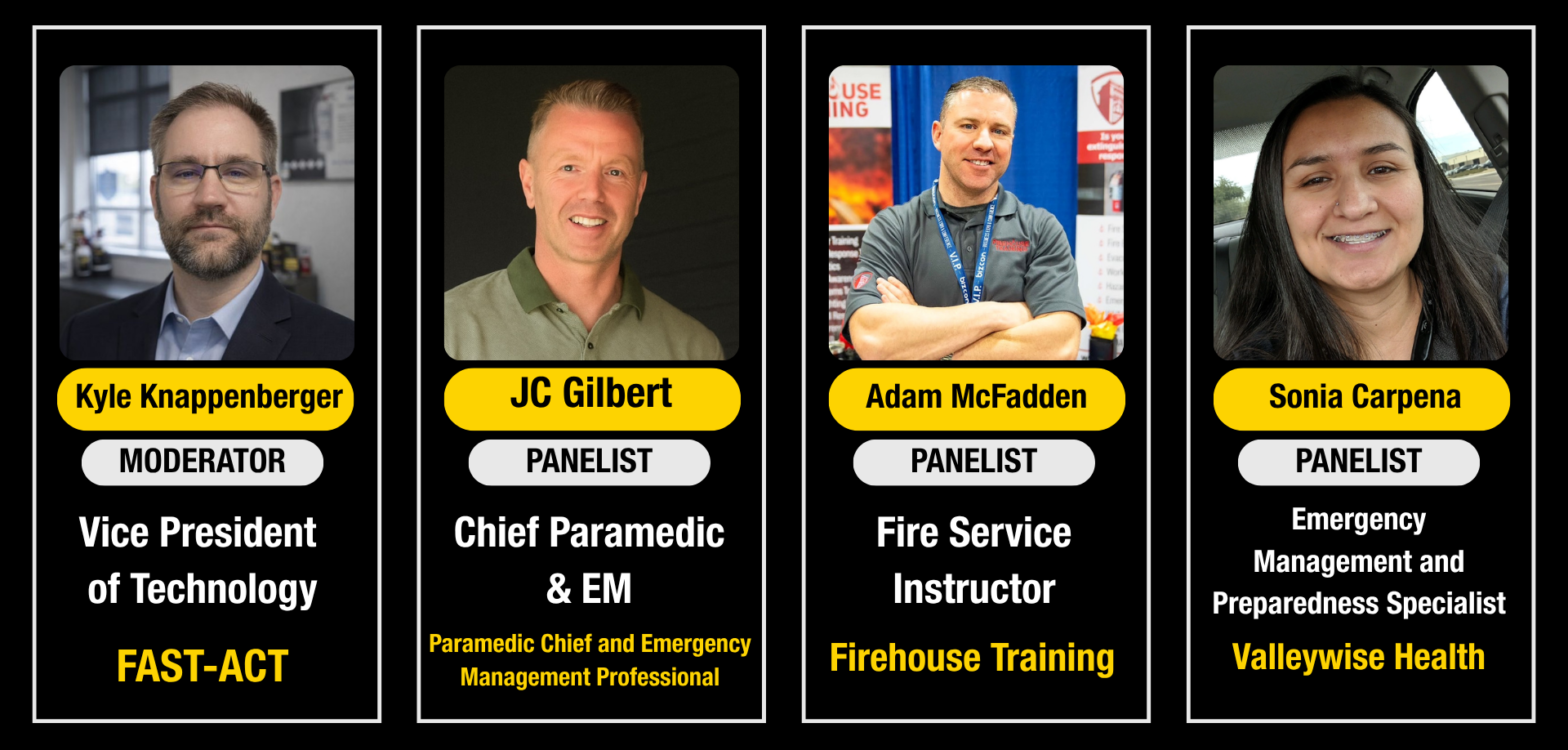
Join FAST-ACT for a FREE live expert panel discussion exploring how hospitals, EMS, fire, and HAZMAT teams can strengthen coordination during the critical first 15 minutes of a hazardous materials incident. Gain practical insights from industry experts on emergency preparedness, dry decontamination, and interagency response.
Hospital Preparedness for Chemical Exposure Incidents During the 2026 World Cup
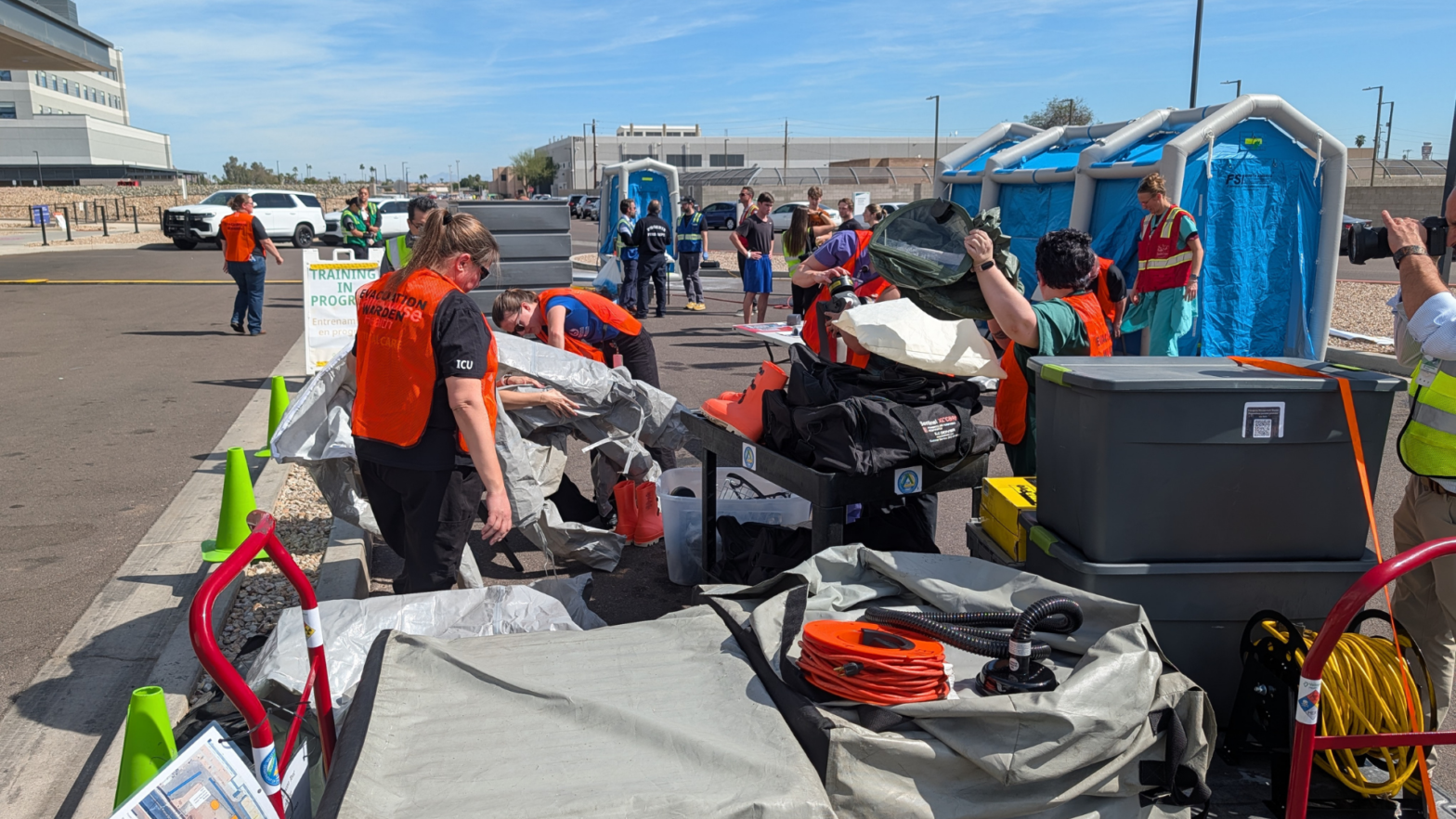
Hospitals play a critical role in consequence management during chemical exposure incidents. Learn how healthcare systems are preparing for self-presenting patients, secondary contamination risks, and decontamination challenges during the 2026 FIFA World Cup.
FAST-ACT® Demonstrates Rapid Contamination Reduction Strategies at Southlake Health
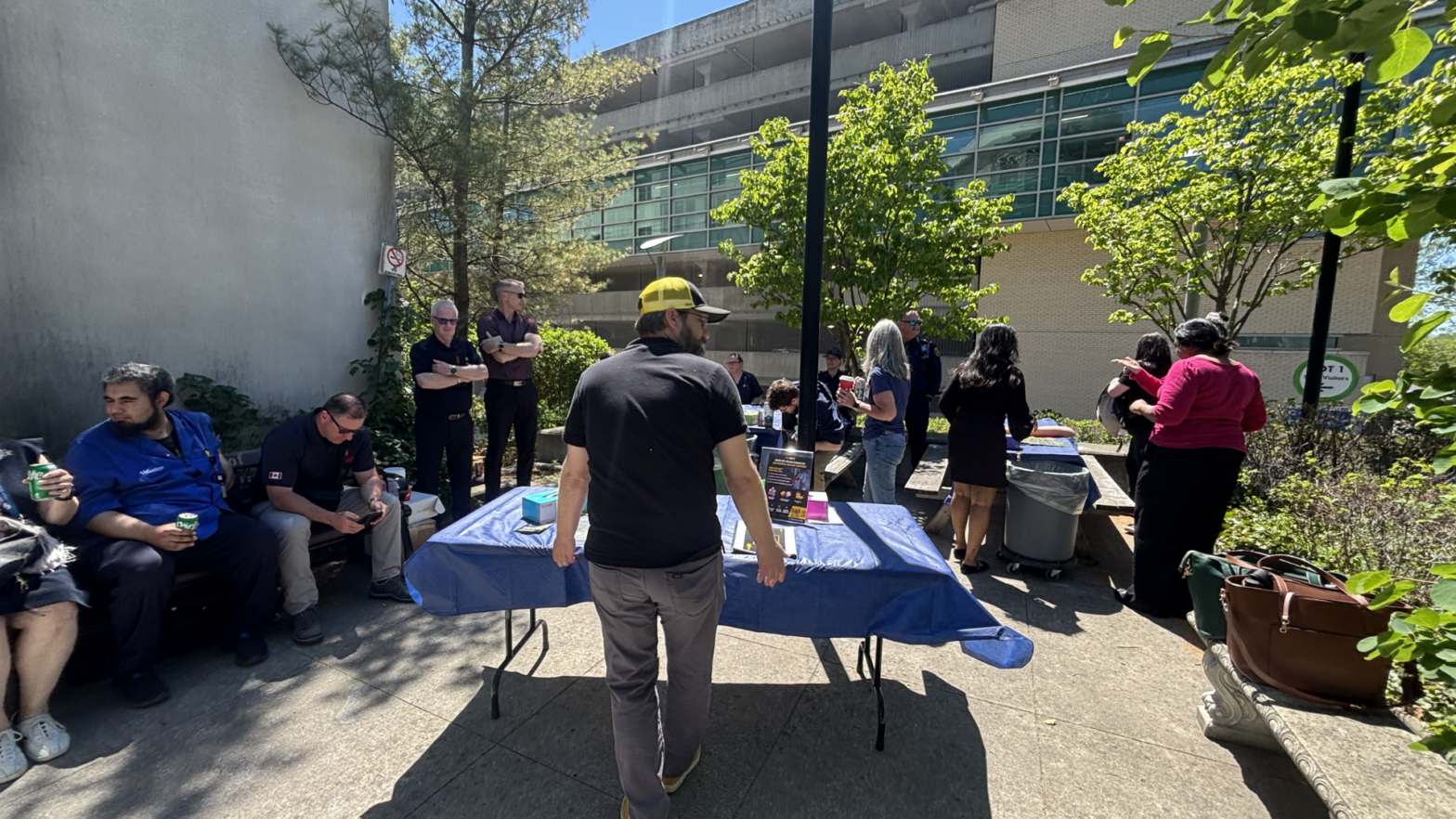
FAST-ACT® partnered with Southlake Health and Allied Medical to demonstrate rapid dry decontamination techniques for healthcare, HAZMAT, and emergency response professionals.
The Science Behind The FAST-ACT® Dry Decontamination Technology
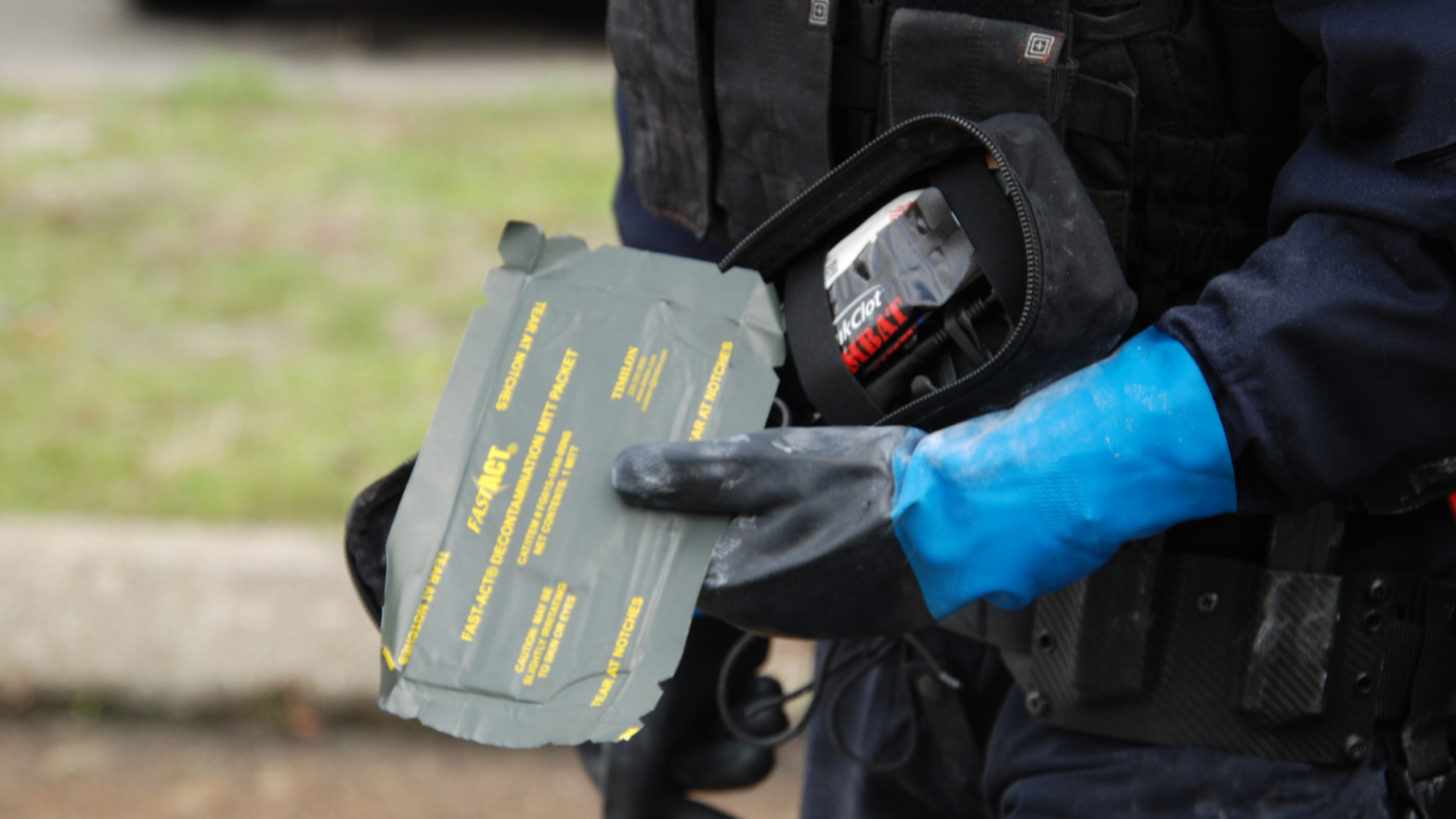
FAST-ACT® dry decontamination technology supports rapid response by combining physical removal with chemical neutralization. Learn how this approach differs from traditional methods and why it’s increasingly relevant in modern decontamination procedures.
Improving Hospital Chemical Decontamination Preparedness: Insights from a U.S. Healthcare Facility Demonstration
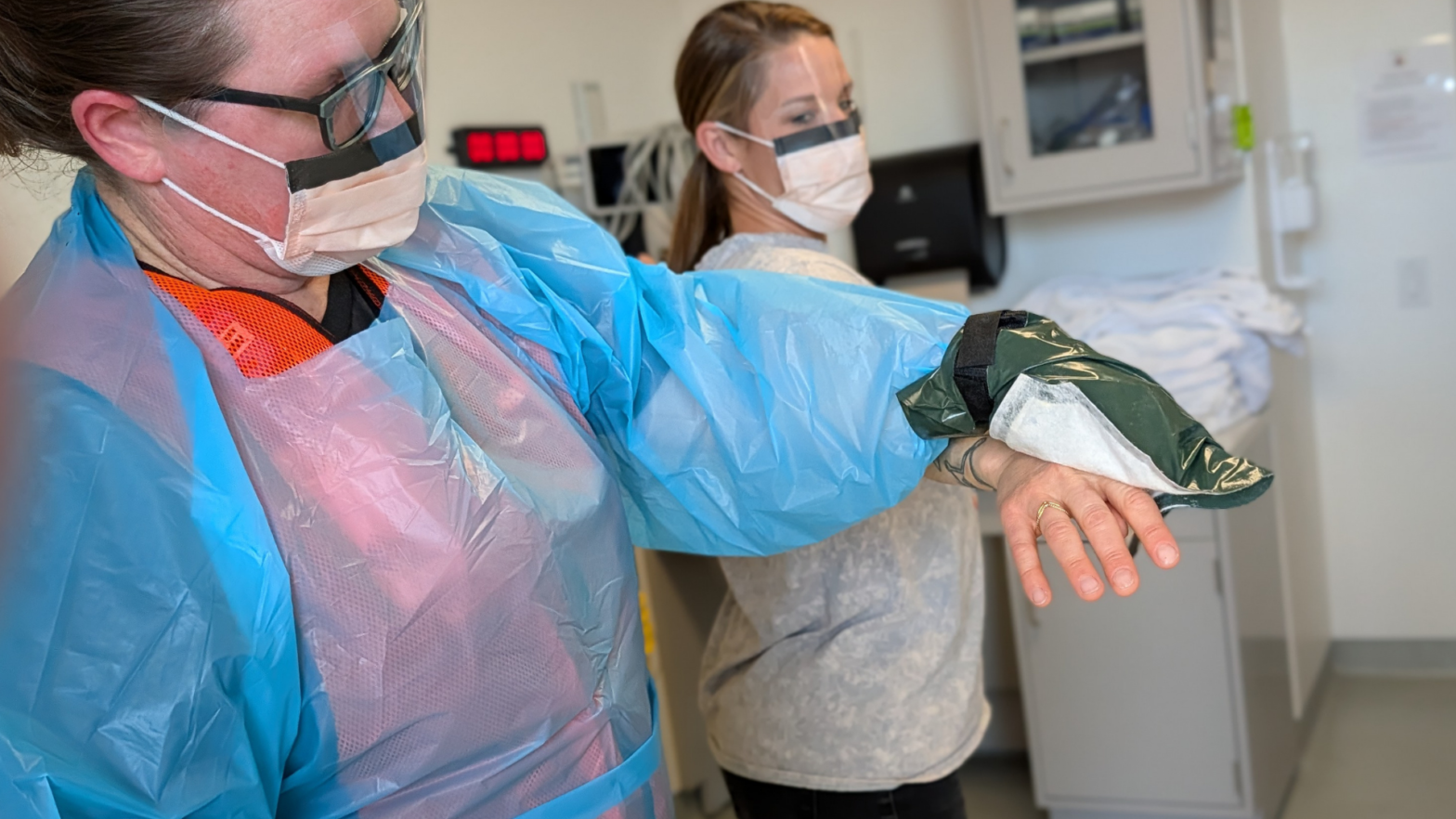
A U.S. healthcare facility demonstration highlights key gaps in hospital chemical decontamination preparedness. Learn how integrating FAST-ACT® dry decontamination supports faster response, improves safety, and strengthens overall readiness during chemical incidents.
Common Hospital Decontamination Mistakes (And How to Avoid Them During Chemical Incidents)
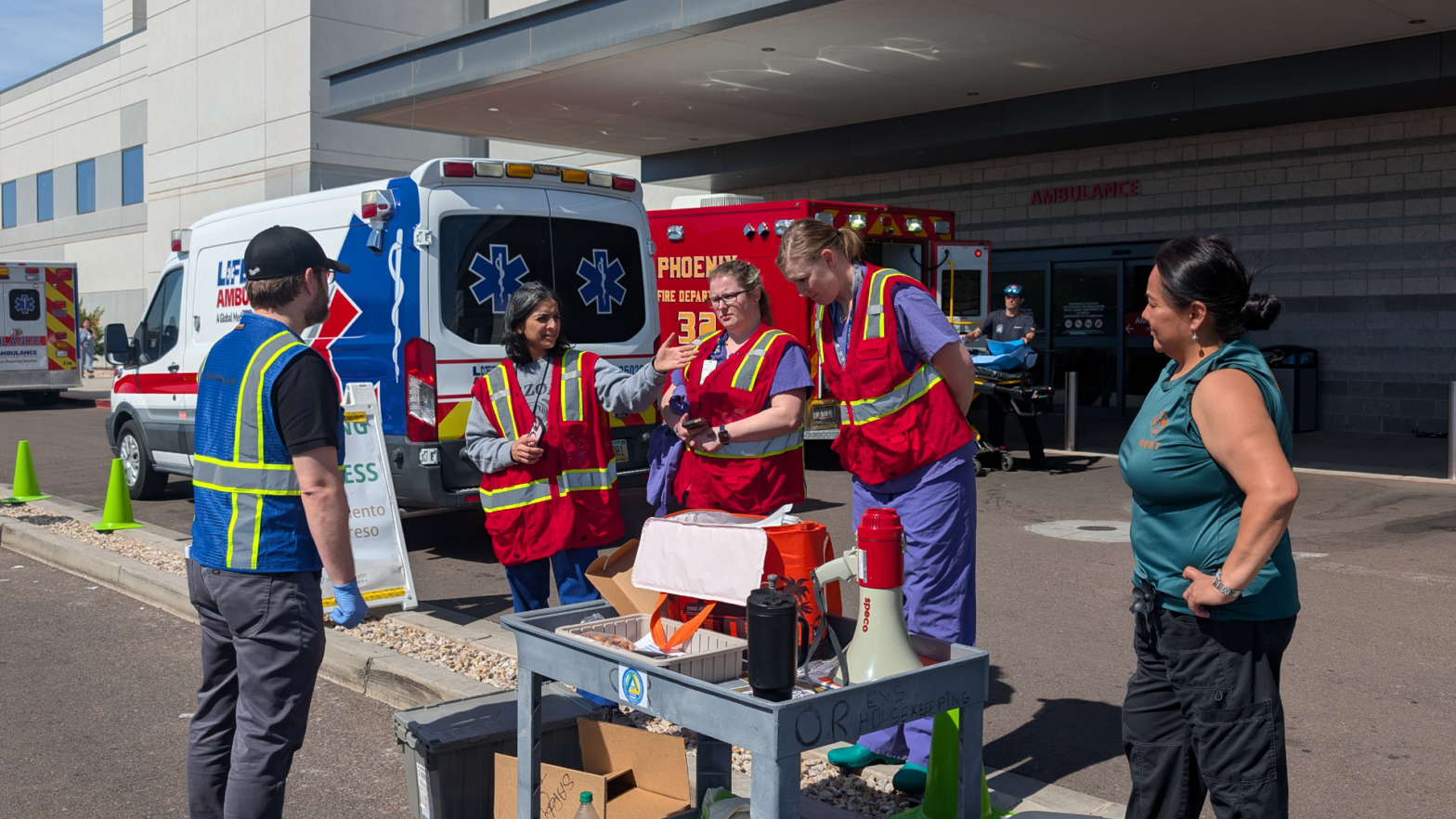
Hospitals can make critical decontamination mistakes during chemical incidents, especially in the first minutes of response. Learn how FAST-ACT® dry decontamination helps reduce risk, improve safety, and strengthen hospital preparedness.
Hazmat Safety at Large Events: What the Olympics and World Cup Teach Us About Preparedness

Large-scale public events create unique hazmat safety challenges in crowded environments. Learn how preparedness strategies and FAST-ACT® dry decontamination support rapid response, reduce risk, and enhance safety during high-attendance events.