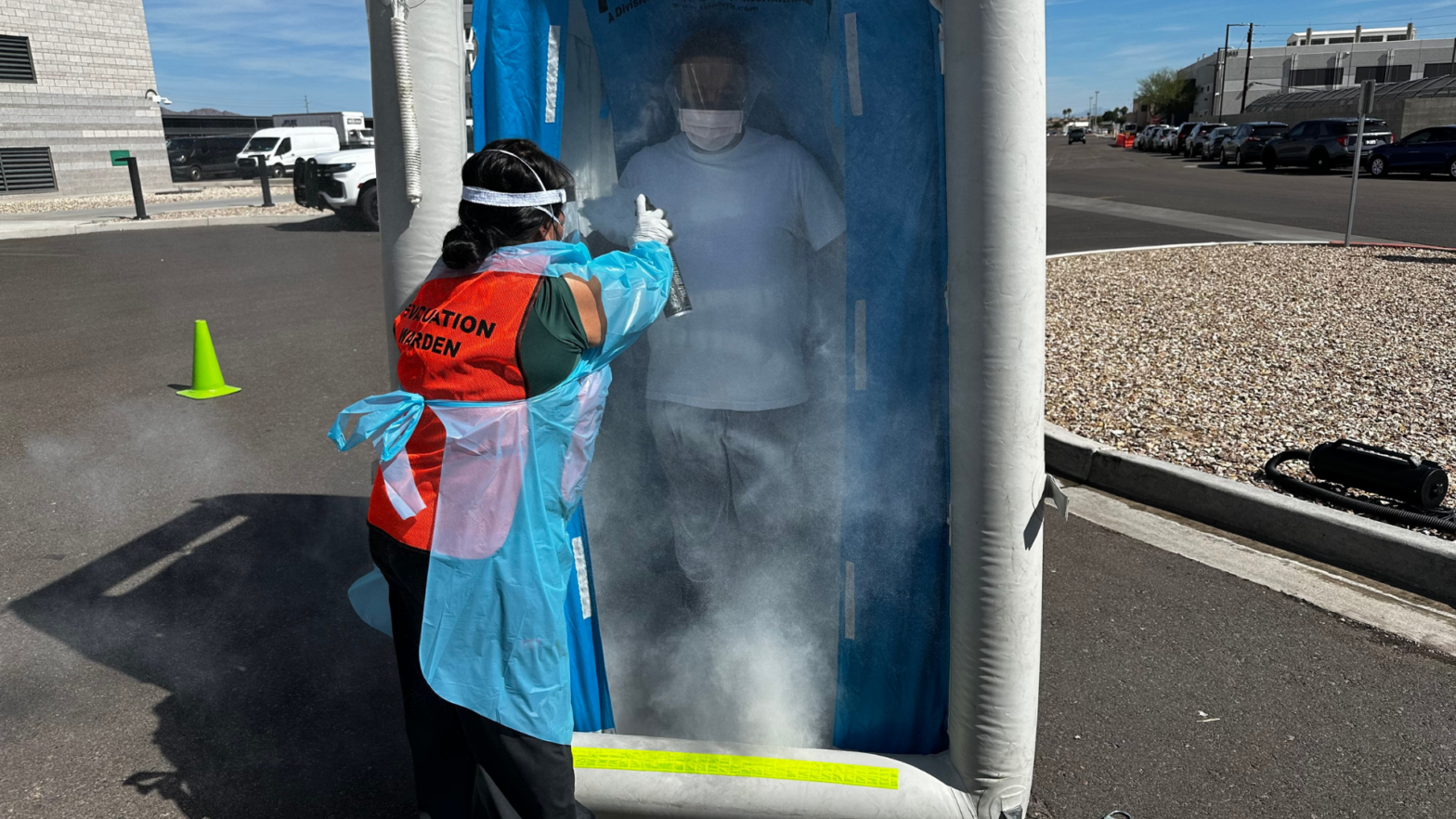
Learn why contaminated clothing continues to release hazardous vapor after chemical exposure, and how early clothing removal and dry decontamination can help EMS, Fire and HAZMAT teams, and hospital first receivers manage that risk before full decontamination is established.


Tag: patient decon
Where Dry Decontamination Fits in Hospital Chemical Response
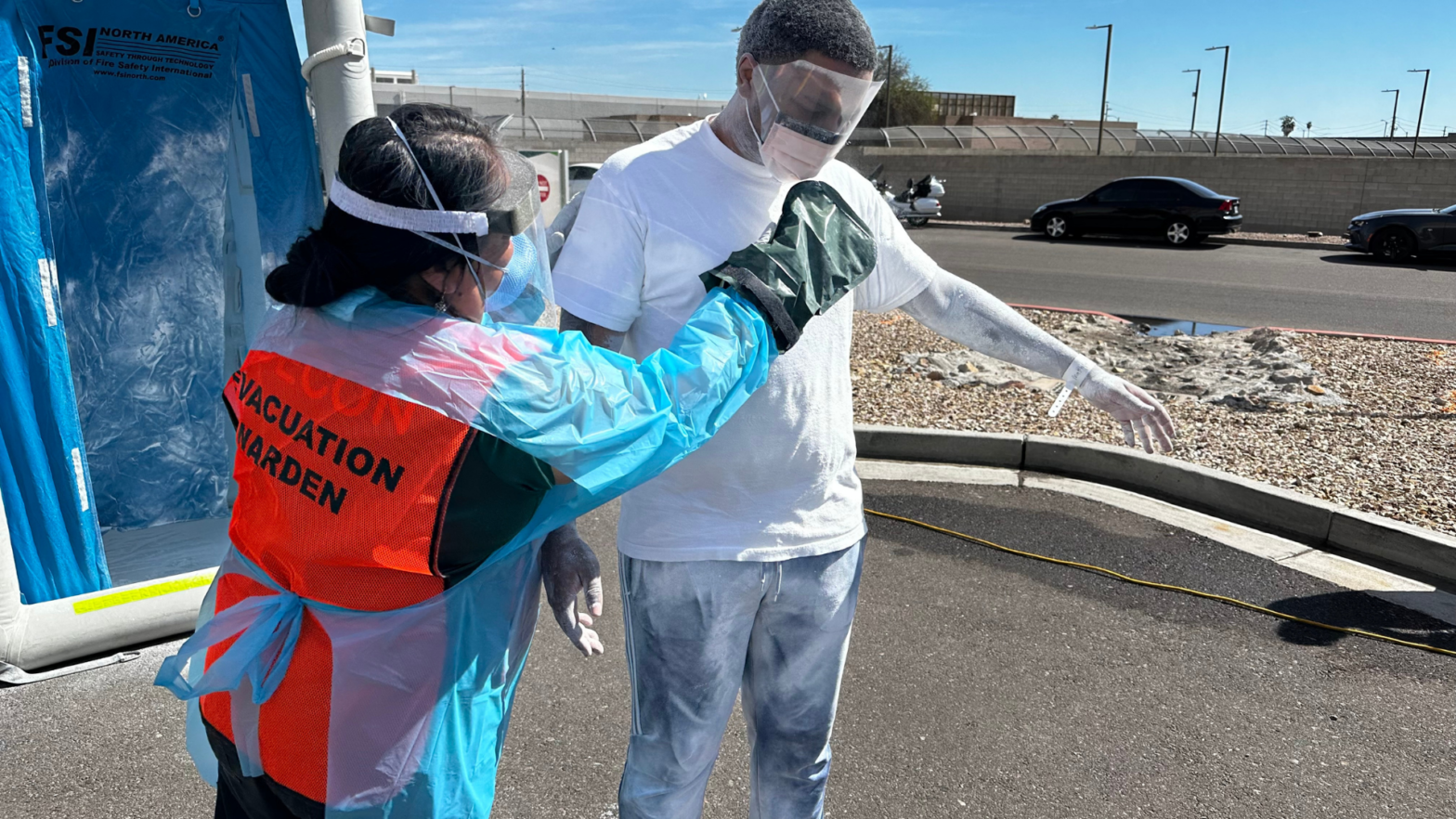
When a contaminated patient arrives before full hospital decontamination is ready, healthcare teams need options for managing the early response. Learn how dry decontamination can help hospitals address chemical contamination while supporting staff safety.
Dry Decontamination in Japan: FAST-ACT Showcased to CBRN Leaders by Partner Taroumaru
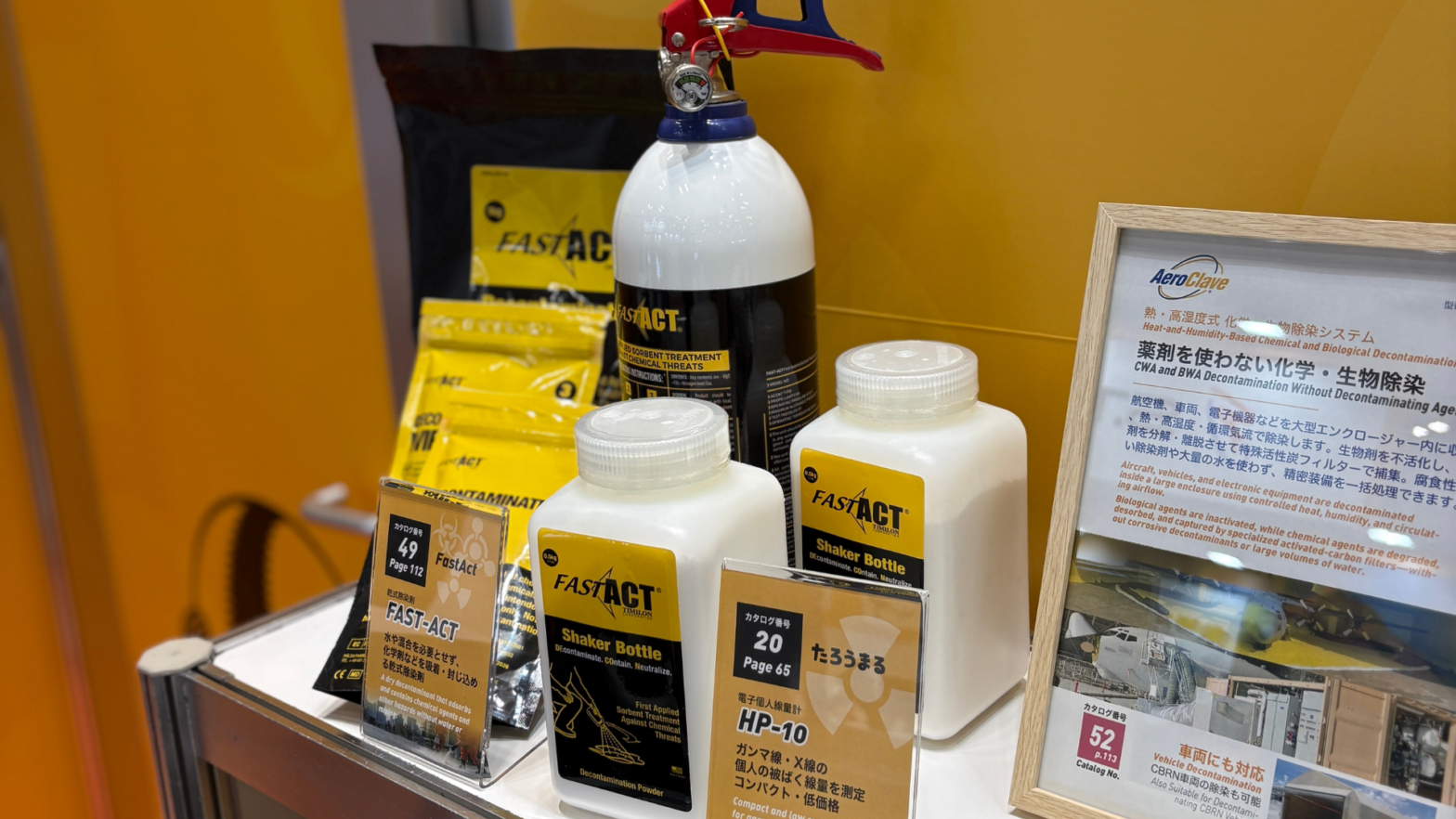
FAST-ACT made its debut before Japan’s CBRN community through our partner Taroumaru Co., Ltd. Teams from the Japan Self-Defense Forces and several local fire departments expressed interest in dry decontamination for aircraft, runways, and protective suits. Here is what happened, and where FAST-ACT goes next in Japan.
Before Full Decontamination Is Ready: What Should First Responders Do in the First Minutes?
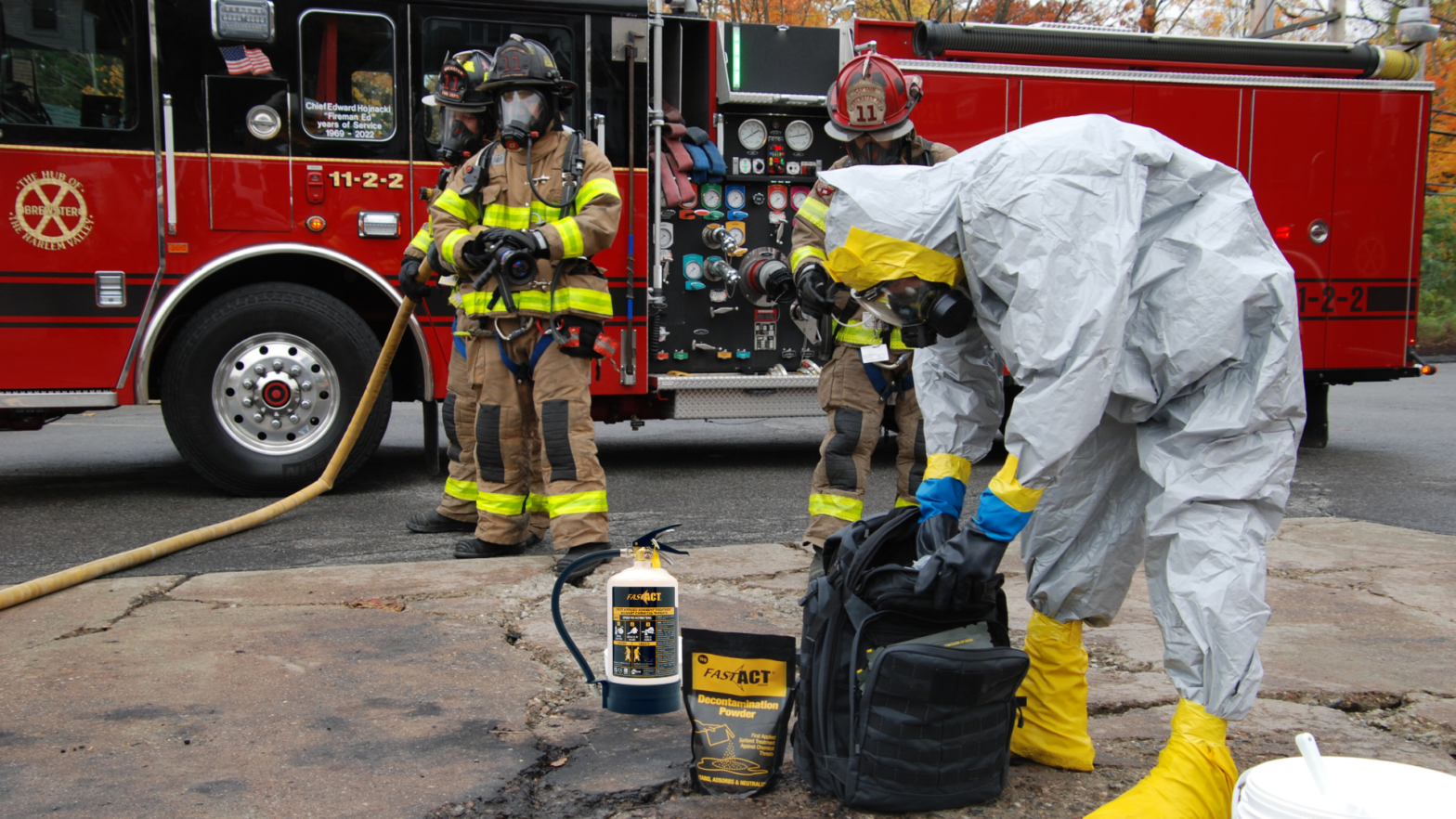
Full technical decontamination takes time to establish. Learn what Fire and HAZMAT teams can do during the critical early response window to protect responders, manage contamination, coordinate with EMS, and begin appropriate decontamination.
EMS HAZMAT Hospital Coordination: What Needs to Happen Before the Patient Reaches the Hospital
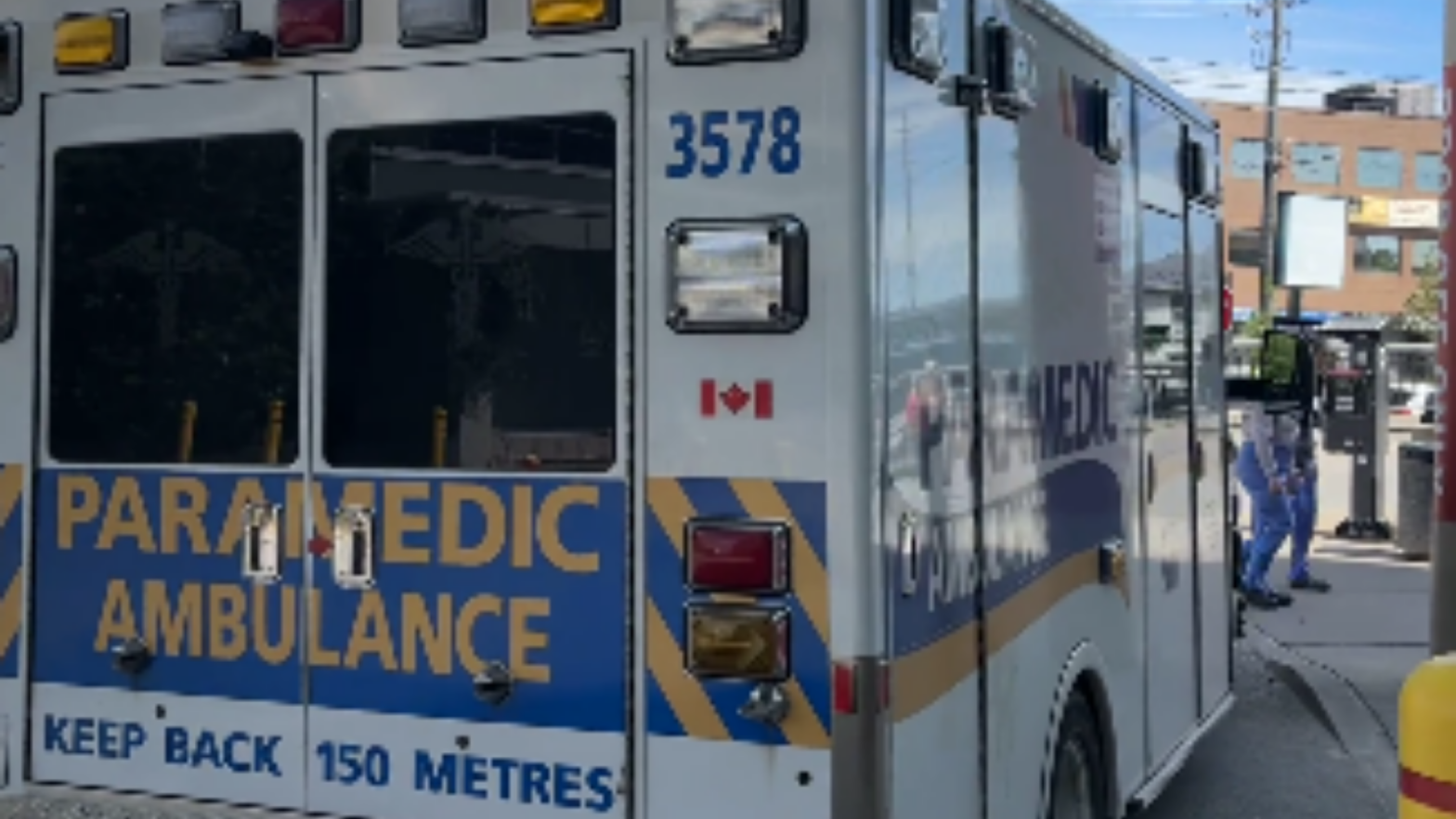
Effective EMS-Hospital HAZMAT coordination starts before the patient reaches the emergency department. Learn how early communication, standardized handoffs, and dry decontamination can help reduce risk during chemical incidents.
Who Responds to a Chemical Spill? Understanding the Role of Every Agency During a HAZMAT Incident
When a hazardous materials incident occurs, most people expect the local fire department to handle the emergency. In reality, chemical spill response often requires a coordinated effort between multiple agencies, each bringing specialized training, equipment, and expertise to safely manage the incident. A recent response in Lexington, Massachusetts demonstrates why. On July 20, 2026, the Lexington Fire Department responded after a… Continue reading Who Responds to a Chemical Spill? Understanding the Role of Every Agency During a HAZMAT Incident
How Can Hospitals and First Responders Begin Dry Decontamination Before Full Decon Is Established?

Learn how hospitals and first responders can use dry decontamination during the critical first 15 minutes of a chemical incident to reduce contamination before full decontamination operations are established.
Hospital Preparedness for Chemical Exposure Incidents During the 2026 World Cup
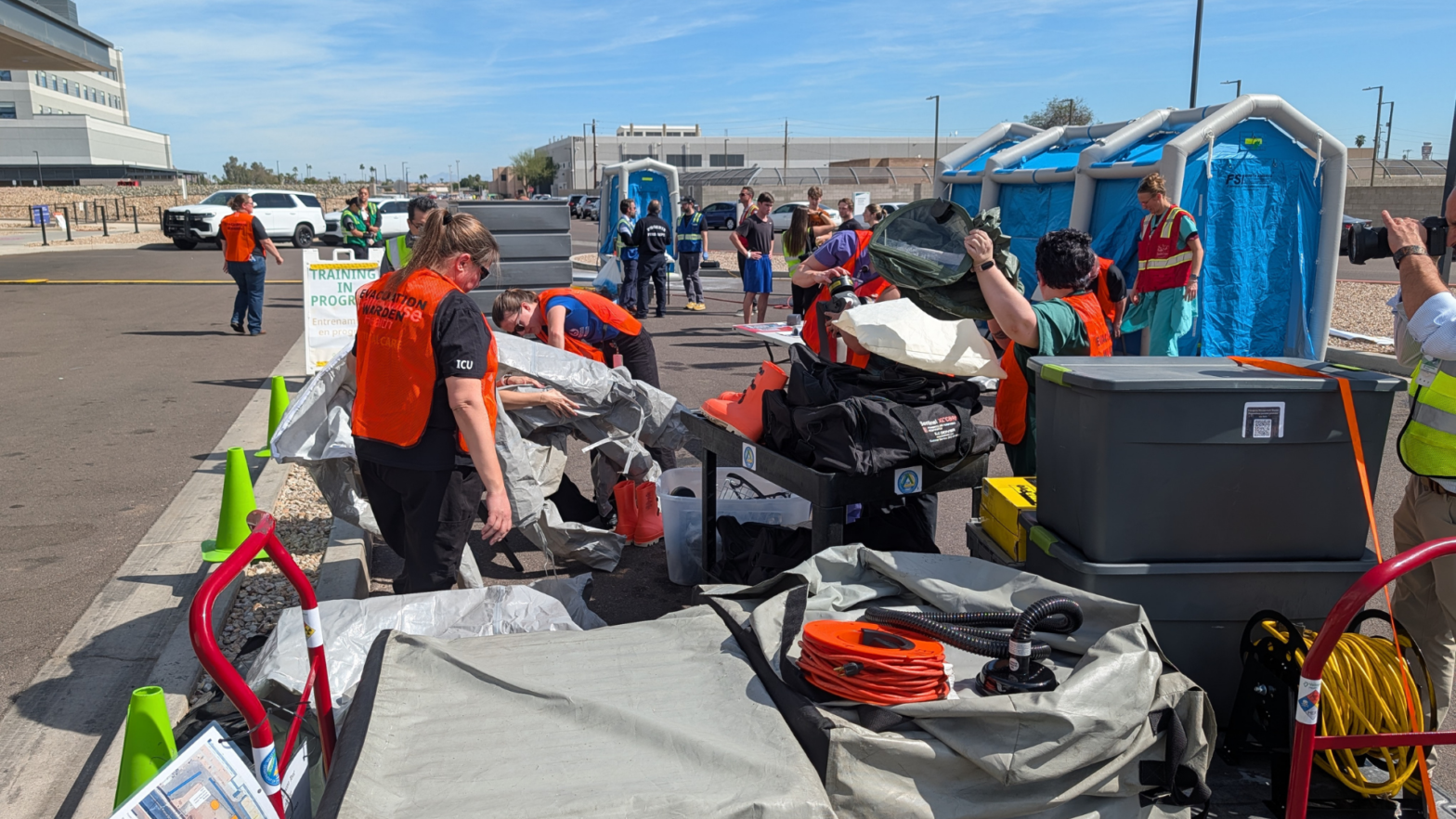
Hospitals play a critical role in consequence management during chemical exposure incidents. Learn how healthcare systems are preparing for self-presenting patients, secondary contamination risks, and decontamination challenges during the 2026 FIFA World Cup.
Chemical Spill Response and Decontamination Challenges in Stadium Environments

Large sporting venues create unique challenges involving crowd safety, contamination spread, and operational continuity. This article explores chemical preparedness for stadiums, decontamination challenges, and how FAST-ACT® supports hazardous materials response during large-scale events.
Unknown Chemical Exposure in Hospitals: Preparedness for Self-Presenting Patients
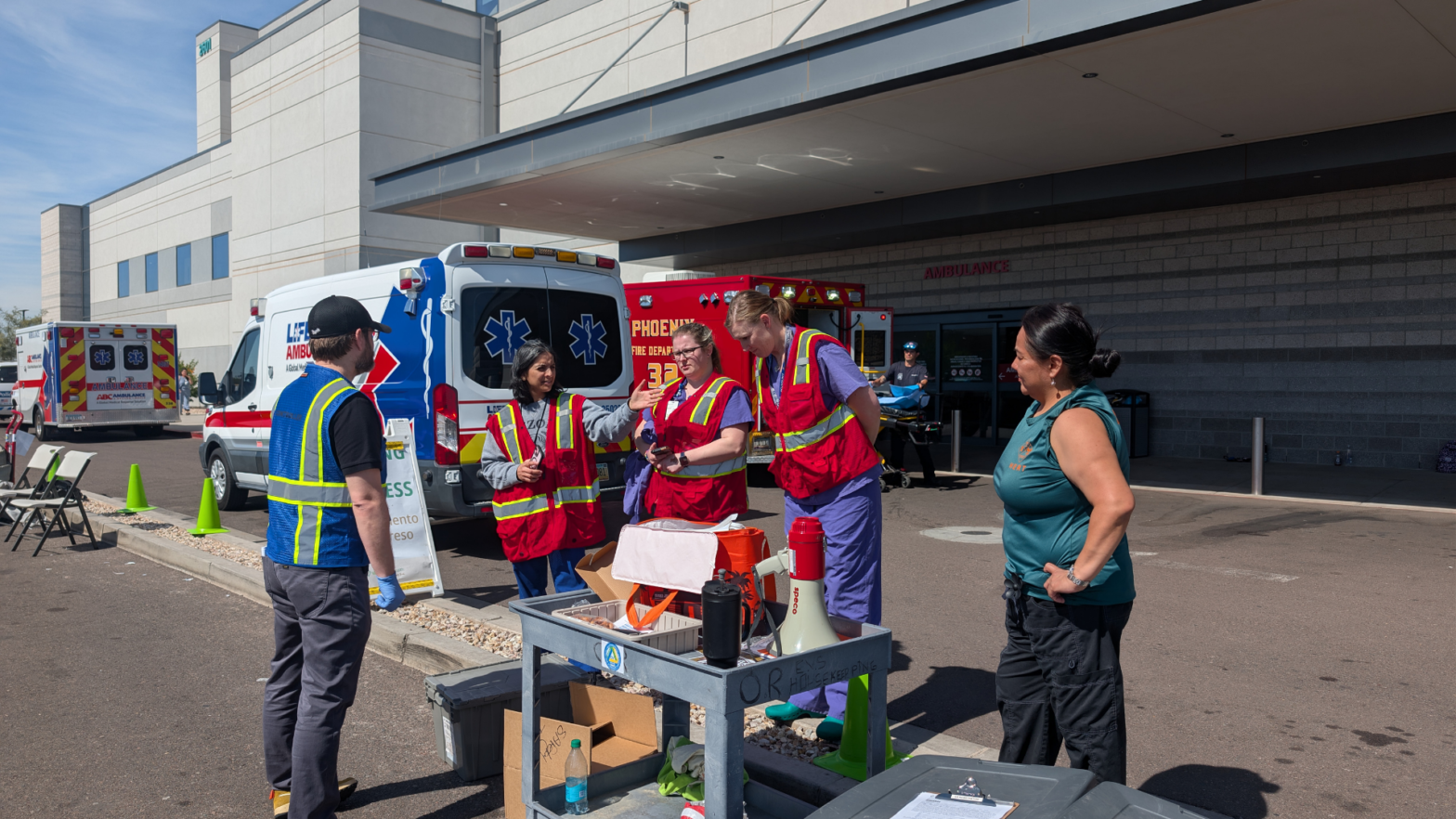
Unknown chemical exposure in hospitals creates urgent uncertainty for emergency department teams. This article outlines how healthcare professionals can manage hazardous materials during intake, reduce health risks, and strengthen hospital preparedness using early decontamination procedures and equipment-safe dry decontamination solutions like FAST-ACT®.