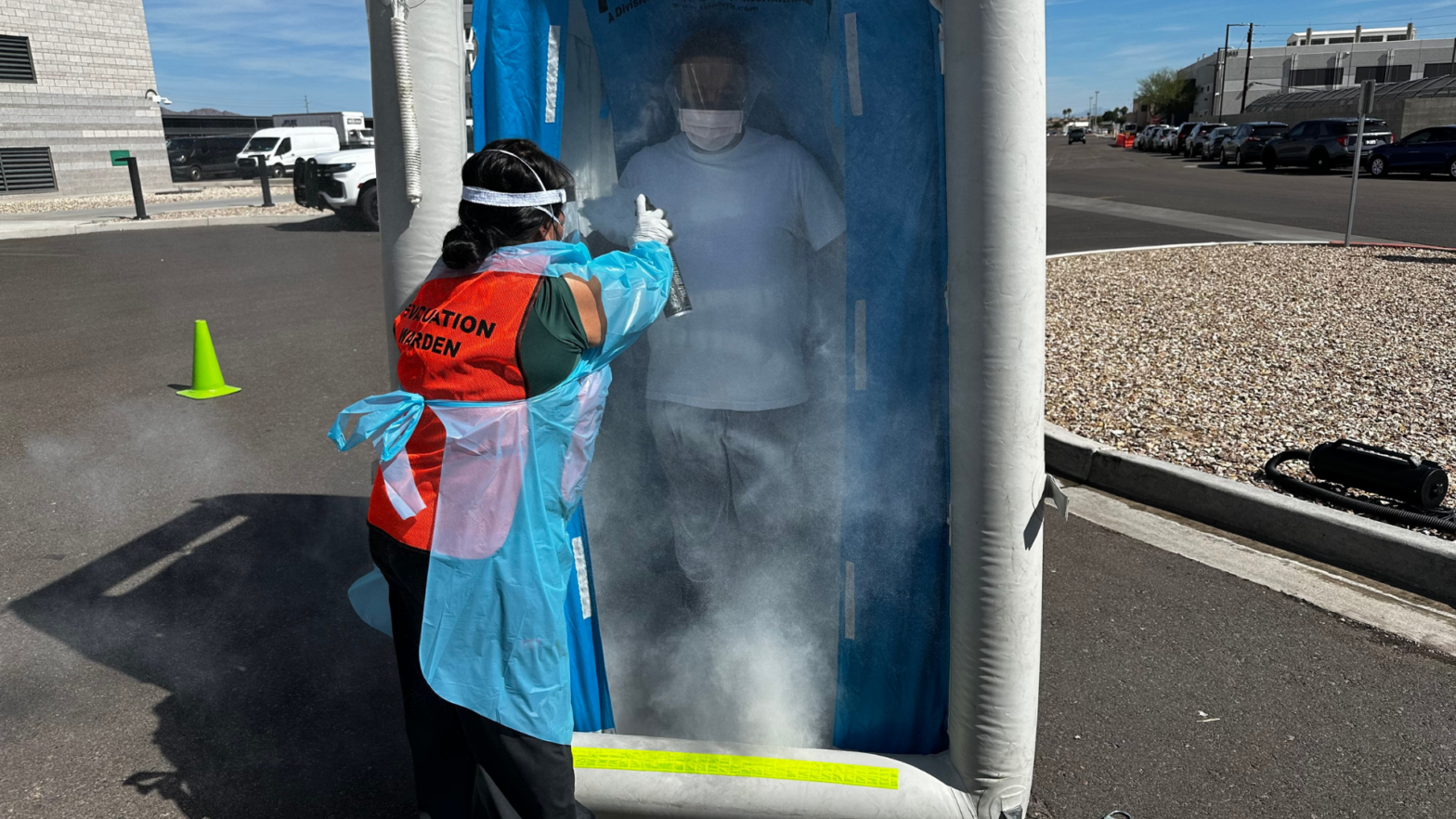
Learn why contaminated clothing continues to release hazardous vapor after chemical exposure, and how early clothing removal and dry decontamination can help EMS, Fire and HAZMAT teams, and hospital first receivers manage that risk before full decontamination is established.


Tag: rapid decon kit
What the Latest HAZMAT Study Teaches Us About Hazardous Materials Response
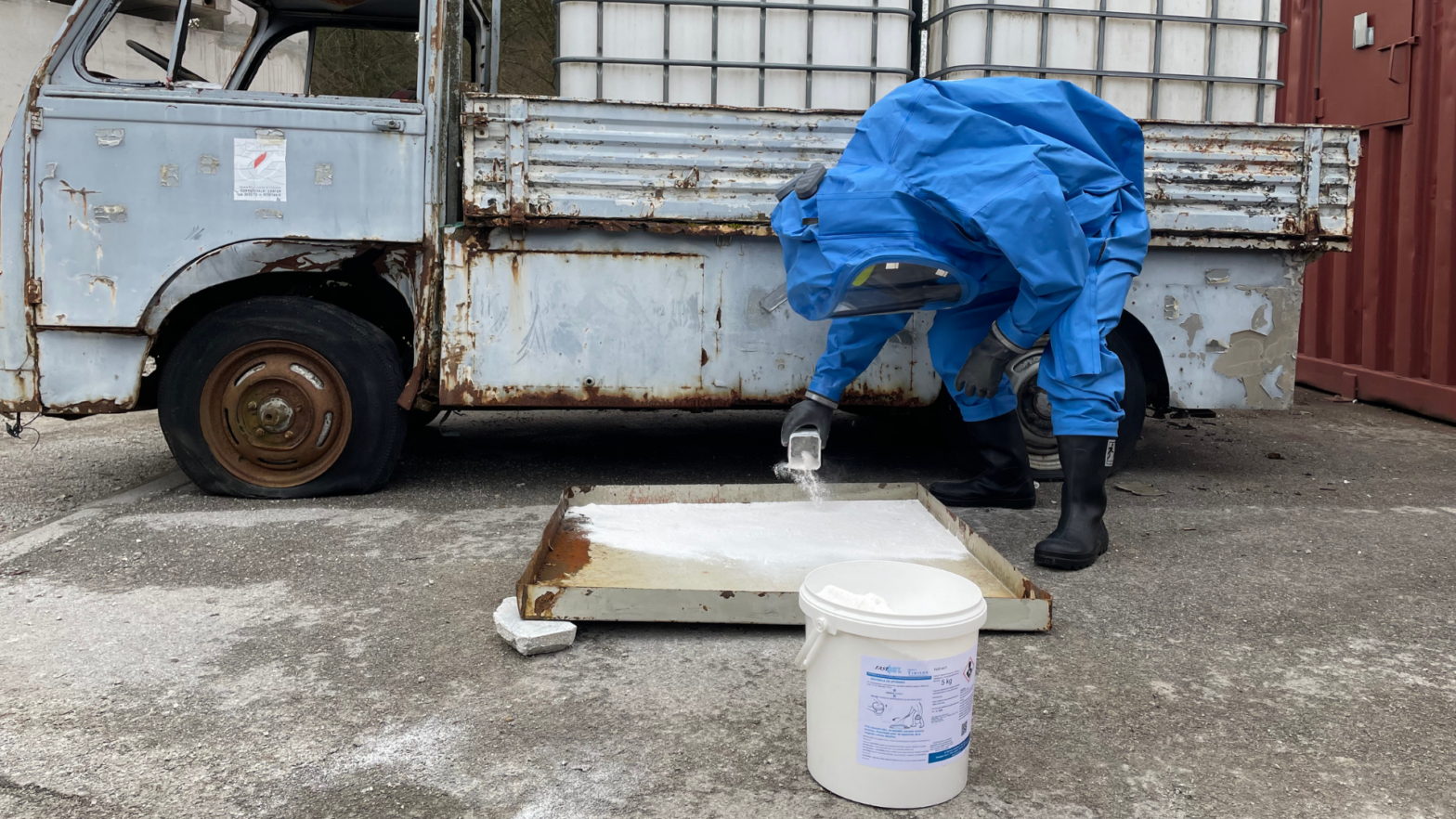
Learn what the latest hazardous materials incident data reveals about chemical response, decontamination, and emergency preparedness—and how organizations can improve responder safety.
What Are the Five Most Common Hazardous Materials Encountered by First Responders?
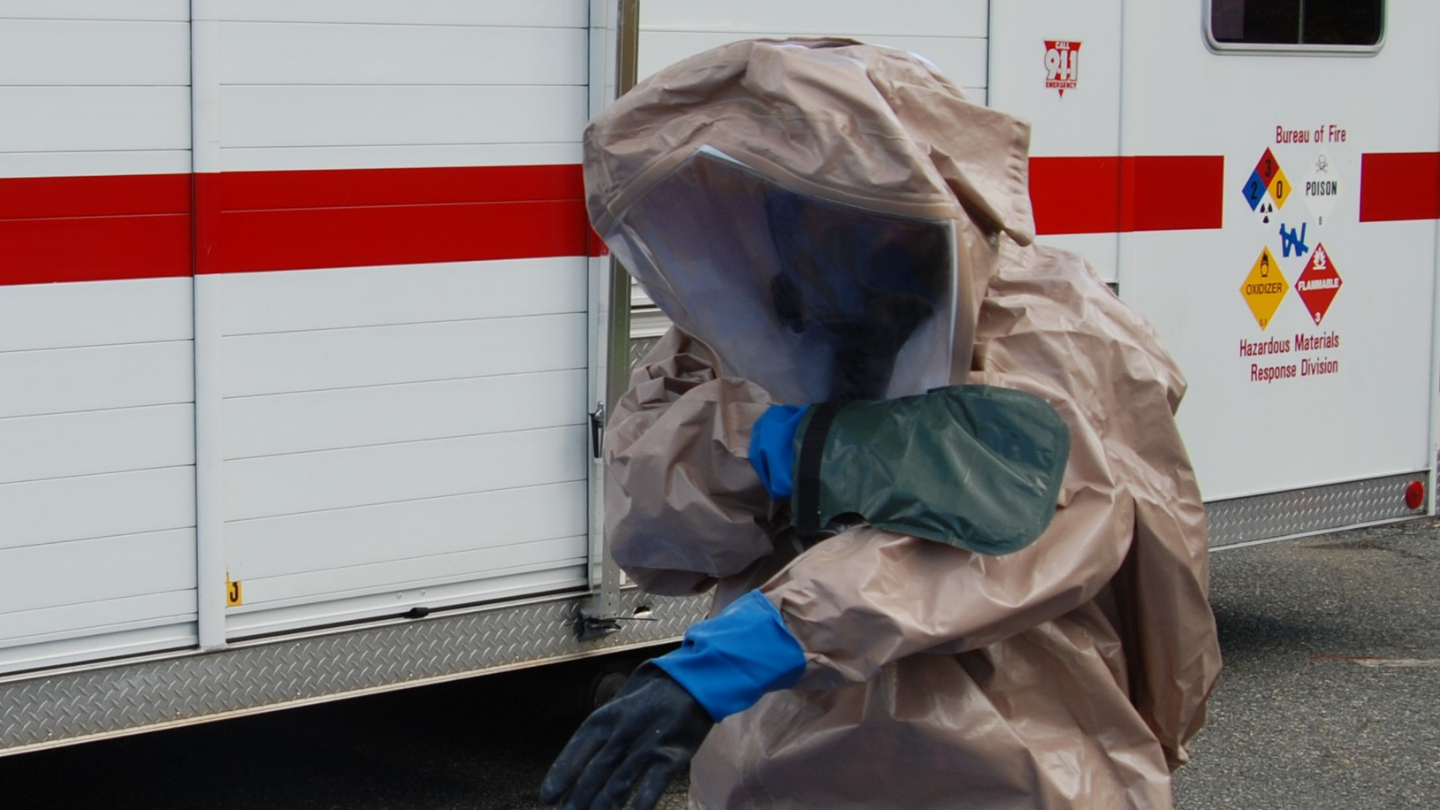
First responders face a wide range of hazardous materials, each requiring a rapid and informed response. Learn about five of the most common HAZMAT threats and key considerations for protecting personnel, limiting contamination, and supporting effective incident response.
How Can Hospitals and First Responders Begin Dry Decontamination Before Full Decon Is Established?

Learn how hospitals and first responders can use dry decontamination during the critical first 15 minutes of a chemical incident to reduce contamination before full decontamination operations are established.
Unknown Chemical Exposure in Hospitals: Preparedness for Self-Presenting Patients
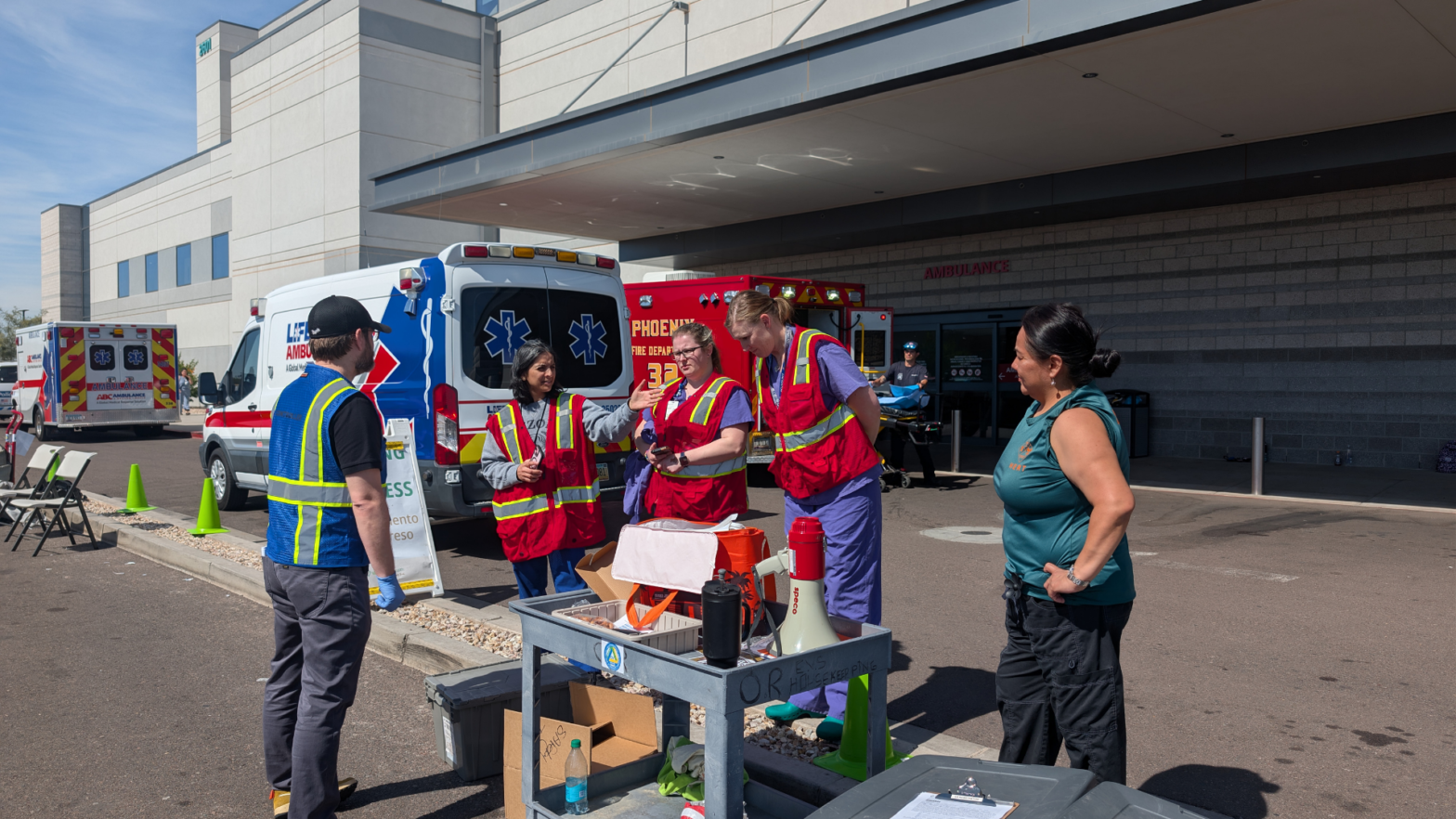
Unknown chemical exposure in hospitals creates urgent uncertainty for emergency department teams. This article outlines how healthcare professionals can manage hazardous materials during intake, reduce health risks, and strengthen hospital preparedness using early decontamination procedures and equipment-safe dry decontamination solutions like FAST-ACT®.
Hospital Decontamination Procedures: Zones, Triage, and the Importance of Early Response
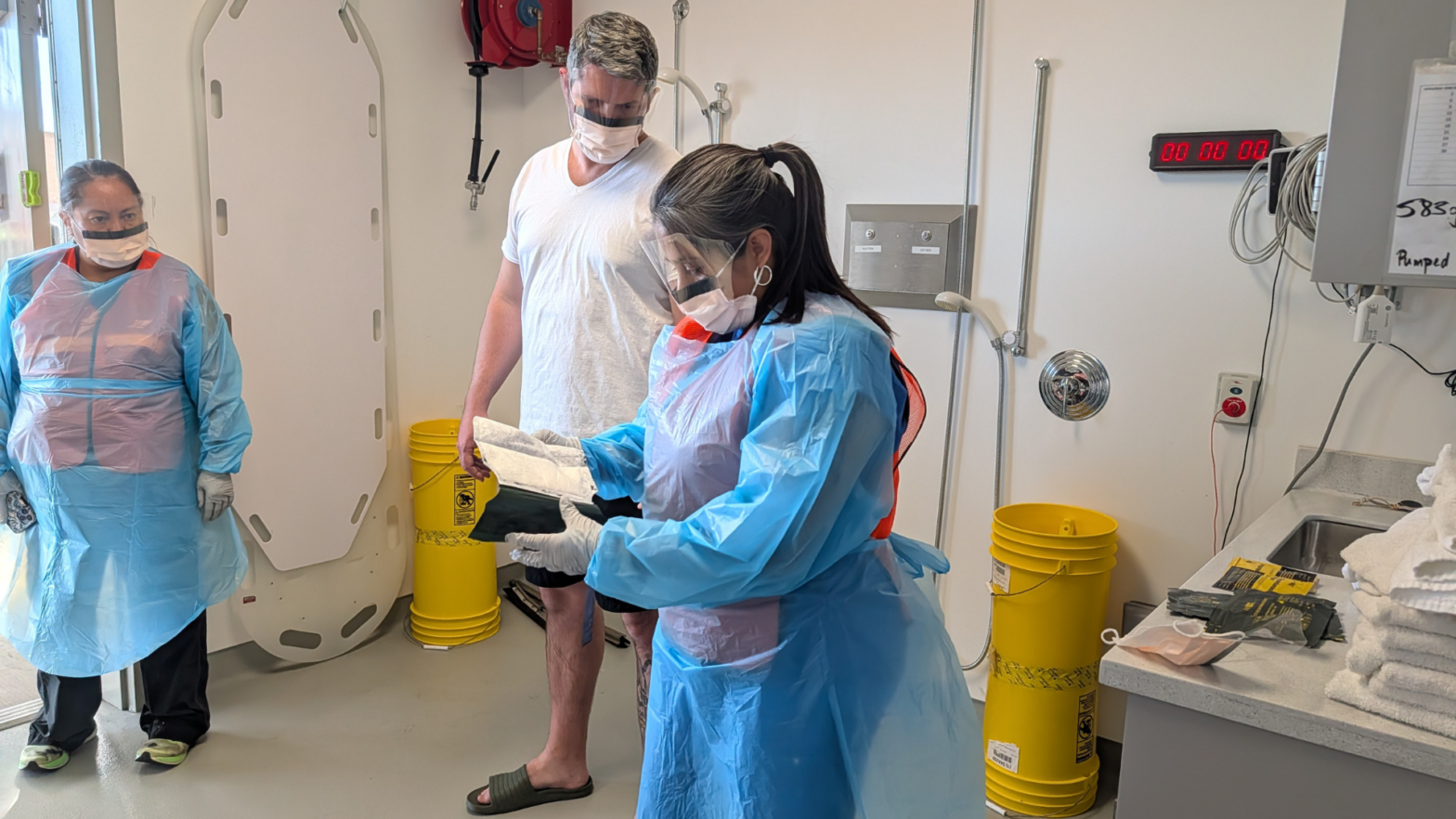
Hospital decontamination procedures are critical during chemical incidents, but the highest risk often occurs before systems are fully in place. This blog explores zones, triage, and the importance of early response.
Dry Decontamination in Cold Weather: Managing Chemical and Vapor Hazards When Temperatures Drop
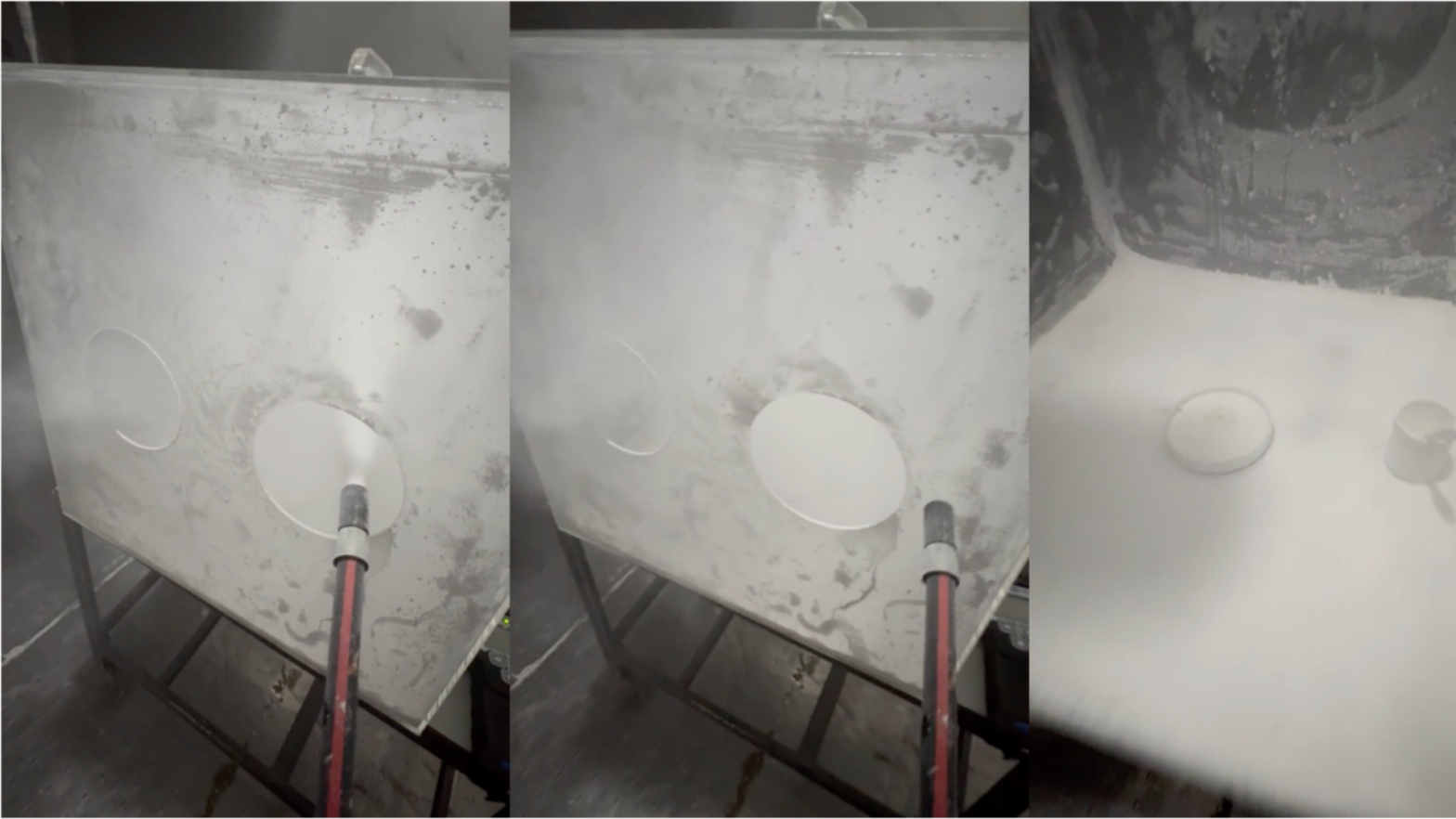
Cold weather creates significant challenges for chemical and vapor decontamination, especially when traditional methods fail. Learn how FAST-ACT® dry decontamination supports rapid response, remains effective in freezing conditions, and improves safety in extreme environments.
How Global Defense Investments Signal a Growing Need for Advanced Chemical Response Readiness

Rising global defense investments highlight the growing need for advanced chemical response readiness across sectors. This shift underscores the importance of scalable decontamination strategies that reduce risk and improve preparedness in evolving threat environments.
Hospital Chemical Decontamination Readiness: Why Many Facilities Are Still Unprepared

Hospitals face ongoing gaps in chemical decontamination preparedness, including limitations in infrastructure, training, and rapid response capabilities. Addressing these challenges is critical to improving safety, reducing exposure risks, and strengthening overall emergency readiness.
Why Combined Wet and Dry Decontamination Is the New Gold Standard for Hospital Emergency Preparedness
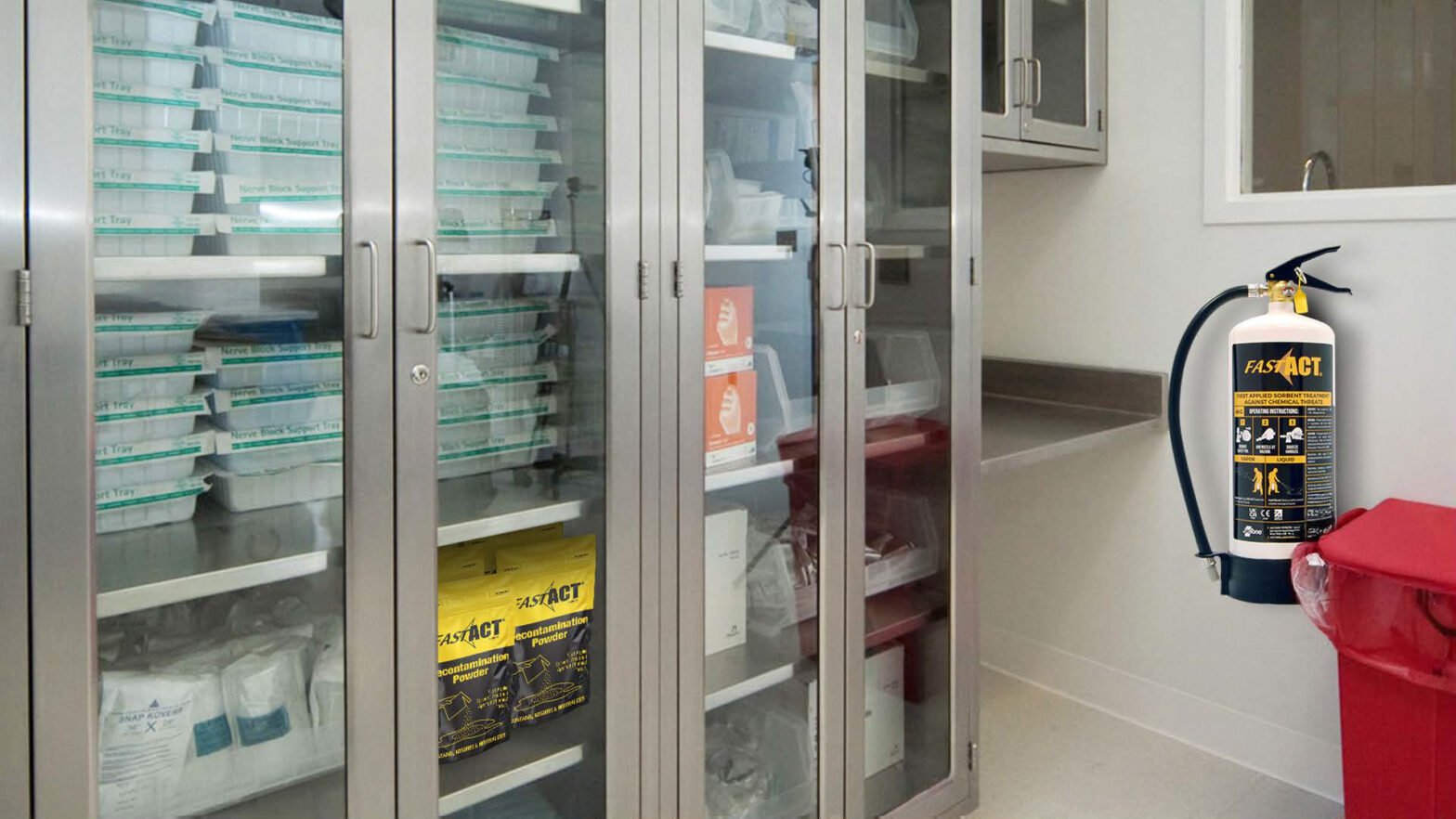
Combining wet and dry decontamination improves hospital response by addressing a wider range of chemical hazards. This integrated approach enhances speed, reduces exposure risks, and supports more effective patient care during complex incidents.