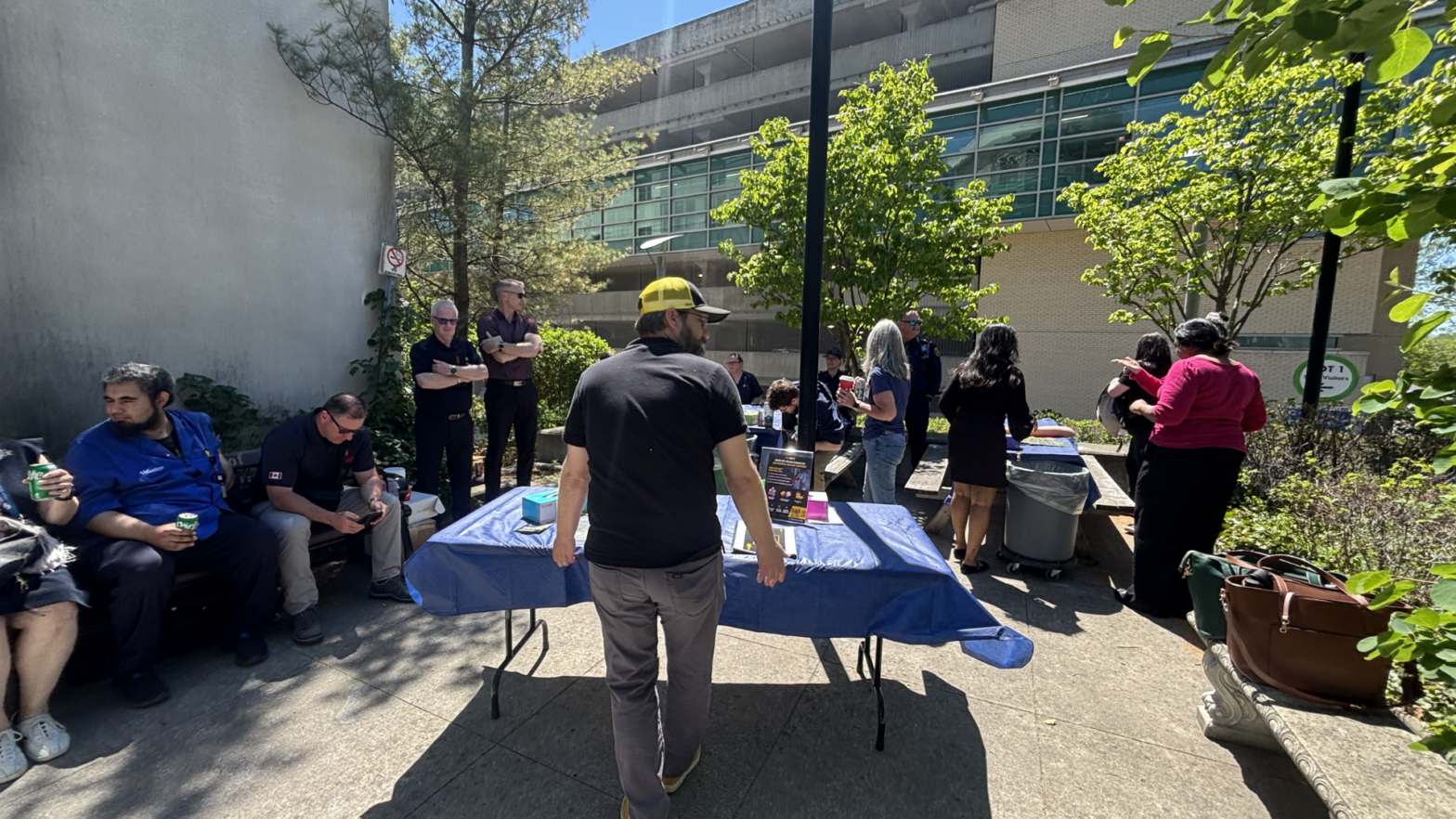
FAST-ACT® partnered with Southlake Health and Allied Medical to demonstrate rapid dry decontamination techniques for healthcare, HAZMAT, and emergency response professionals.


Tag: Rapid response Kit
How Global Defense Investments Signal a Growing Need for Advanced Chemical Response Readiness

Rising global defense investments highlight the growing need for advanced chemical response readiness across sectors. This shift underscores the importance of scalable decontamination strategies that reduce risk and improve preparedness in evolving threat environments.
Hospital Chemical Decontamination Readiness: Why Many Facilities Are Still Unprepared

Hospitals face ongoing gaps in chemical decontamination preparedness, including limitations in infrastructure, training, and rapid response capabilities. Addressing these challenges is critical to improving safety, reducing exposure risks, and strengthening overall emergency readiness.
Why Combined Wet and Dry Decontamination Is the New Gold Standard for Hospital Emergency Preparedness
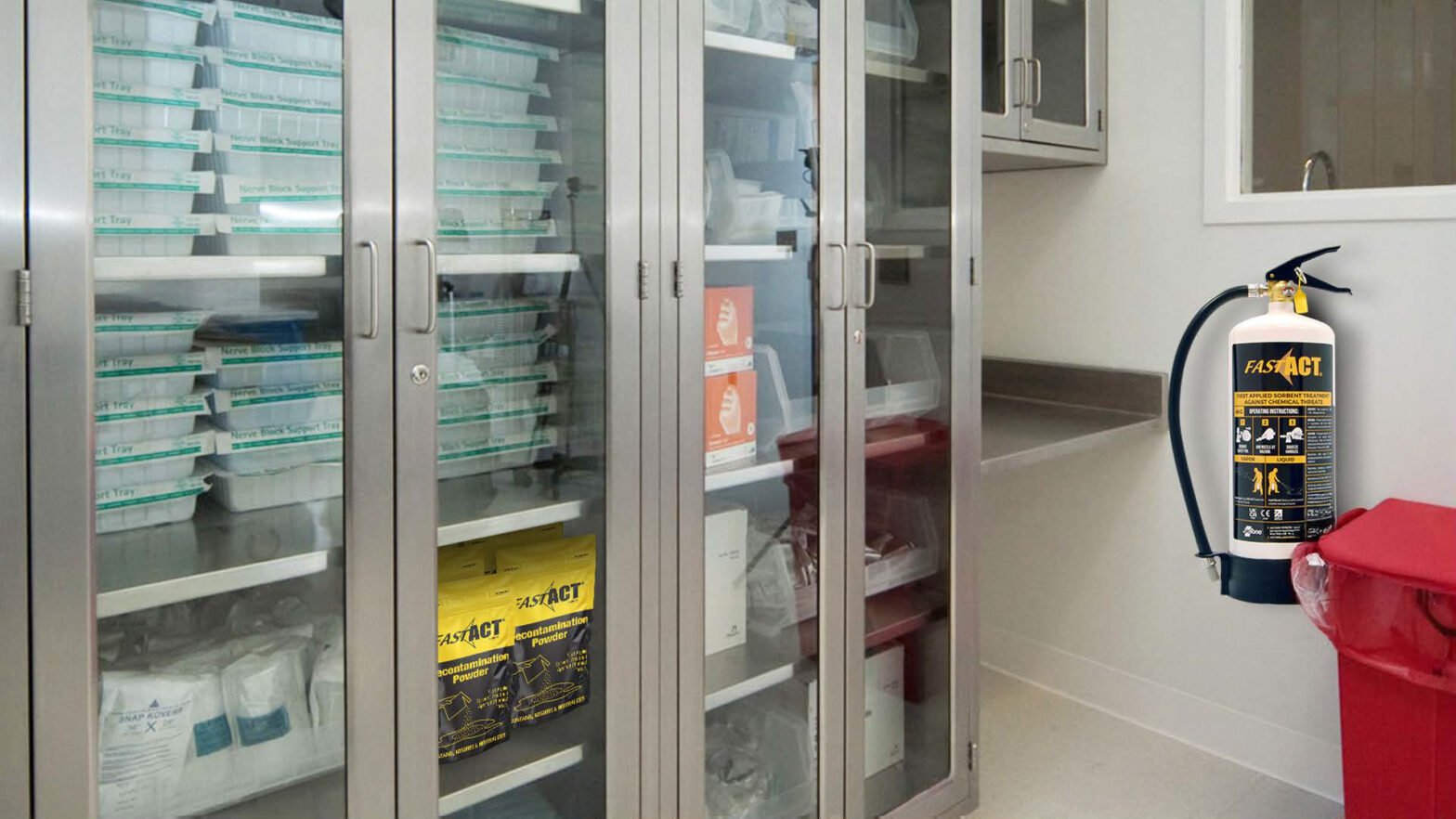
Combining wet and dry decontamination improves hospital response by addressing a wider range of chemical hazards. This integrated approach enhances speed, reduces exposure risks, and supports more effective patient care during complex incidents.
FAST-ACT Expands Global Reach with Decontamination Tender Win in Croatia
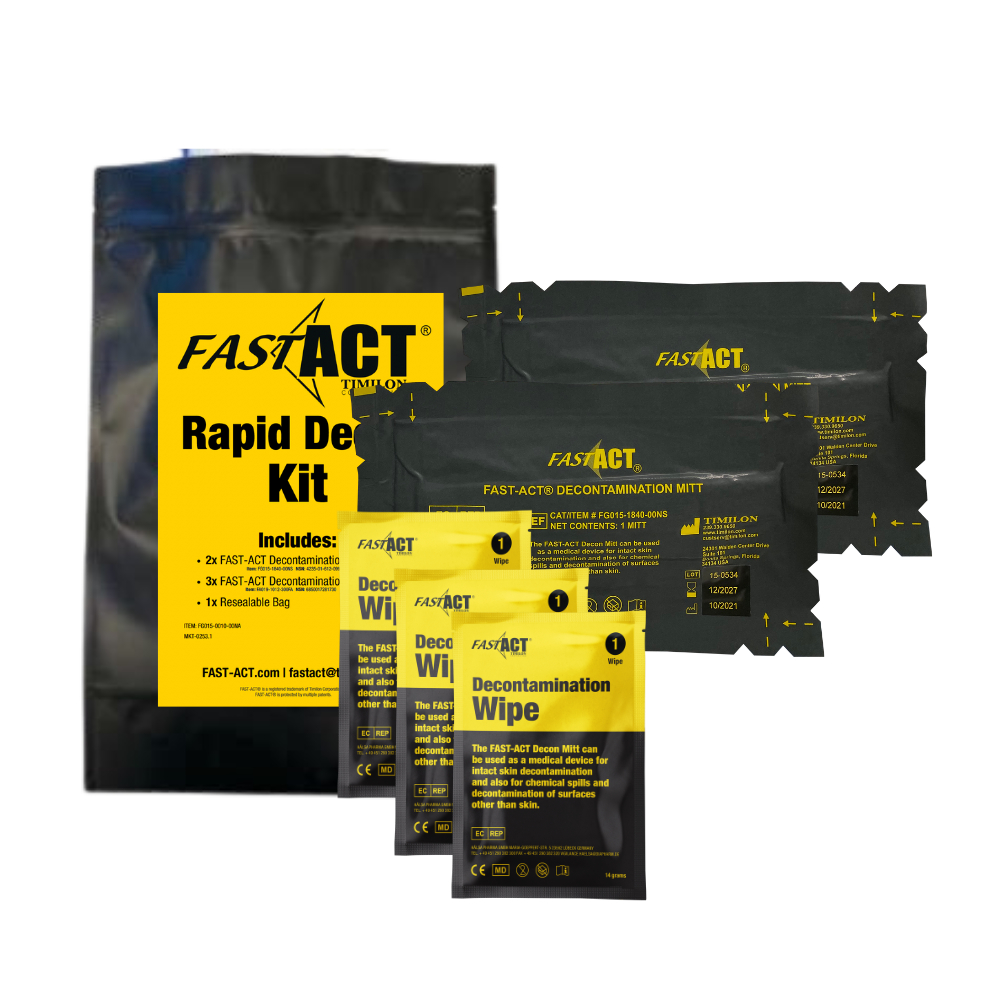
FAST-ACT is proud to announce its recent success in securing a tender with the Ministry of Interior (MoI) in Croatia for specialized decontamination equipment.
The Shift Toward Dry Decontamination: Funding, Adoption, and the Future of CBRN Preparedness
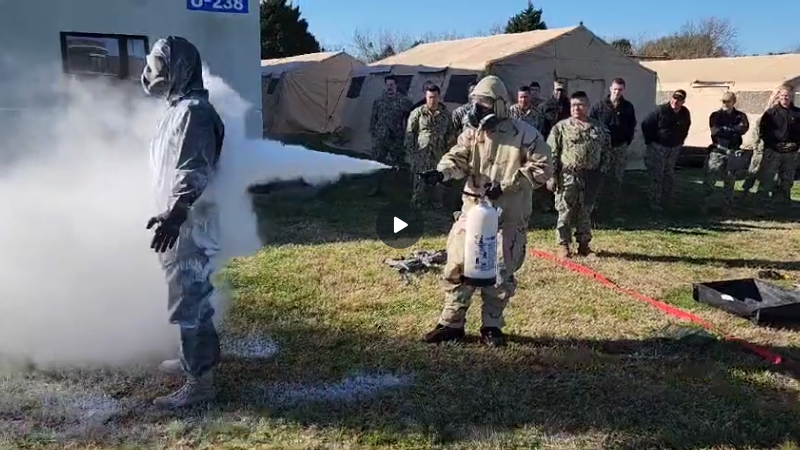
In this blog, we’ll examine why dry decontamination is gaining momentum, highlight Europe’s leadership and funding efforts, and explore how global organizations—including FAST-ACT—are adopting these solutions to strengthen preparedness for CBRN threats. standard.