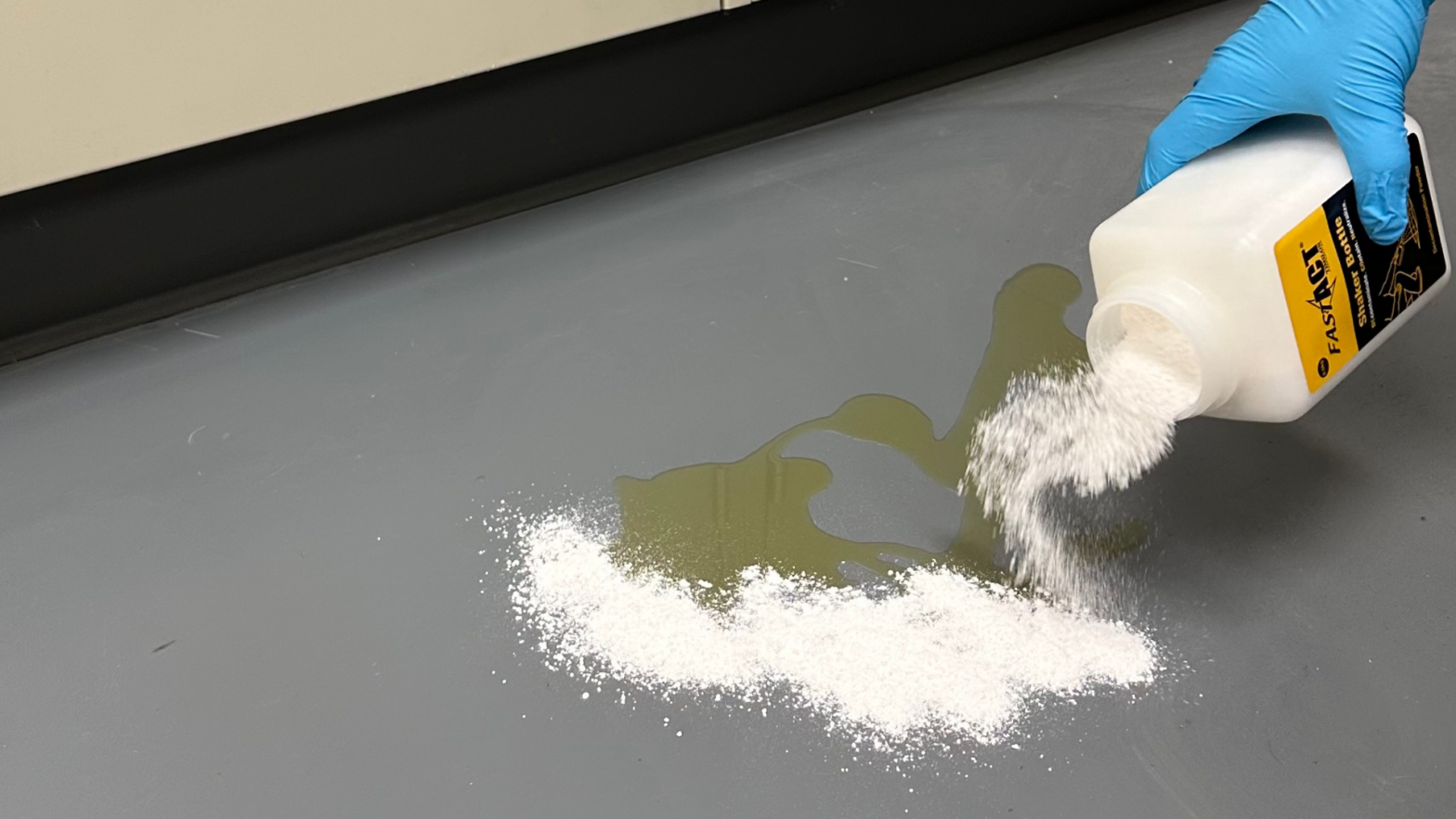
Suspicious substance incidents targeting political offices are rising ahead of the 2026 midterms, with at least 36 lawmakers and election offices in 10 states receiving suspicious envelopes in a coordinated wave. Learn why protective detail teams need a chemical response plan and how dry decontamination supports VIP security preparedness.


Tag: emergency preparedness training
Industrial Chemical Preparedness: Longview Paper Mill Disaster
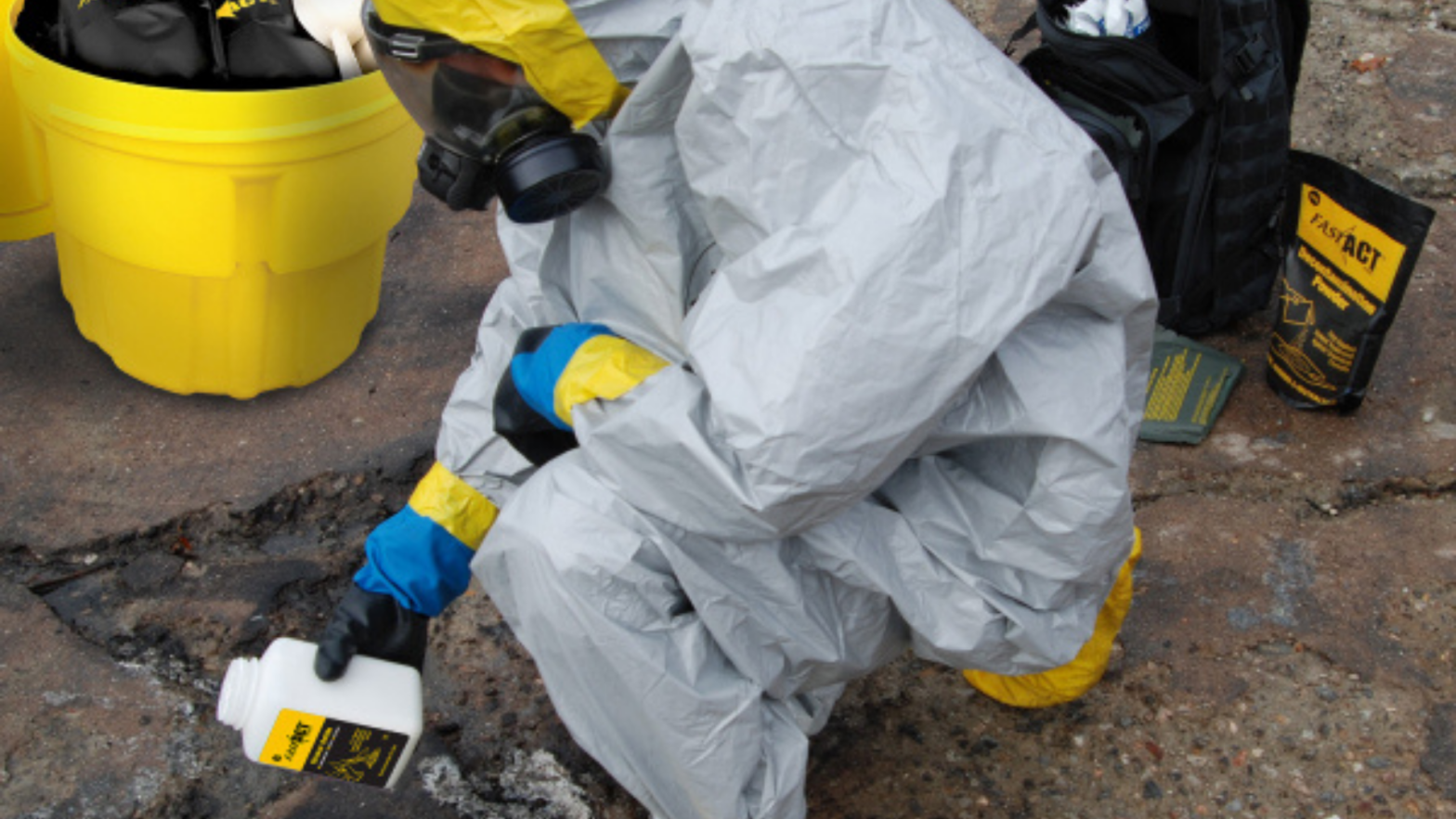
On May 26, 2026, a 900,000-gallon chemical tank at the Nippon Dynawave facility in Longview, Washington catastrophically failed, despite three inspections flagging it as unsafe. Learn what the timeline of warnings teaches industrial facilities about chemical spill preparedness and early response.
The Hidden Threat of Contaminated Clothing: Off-Gassing After Chemical Exposure
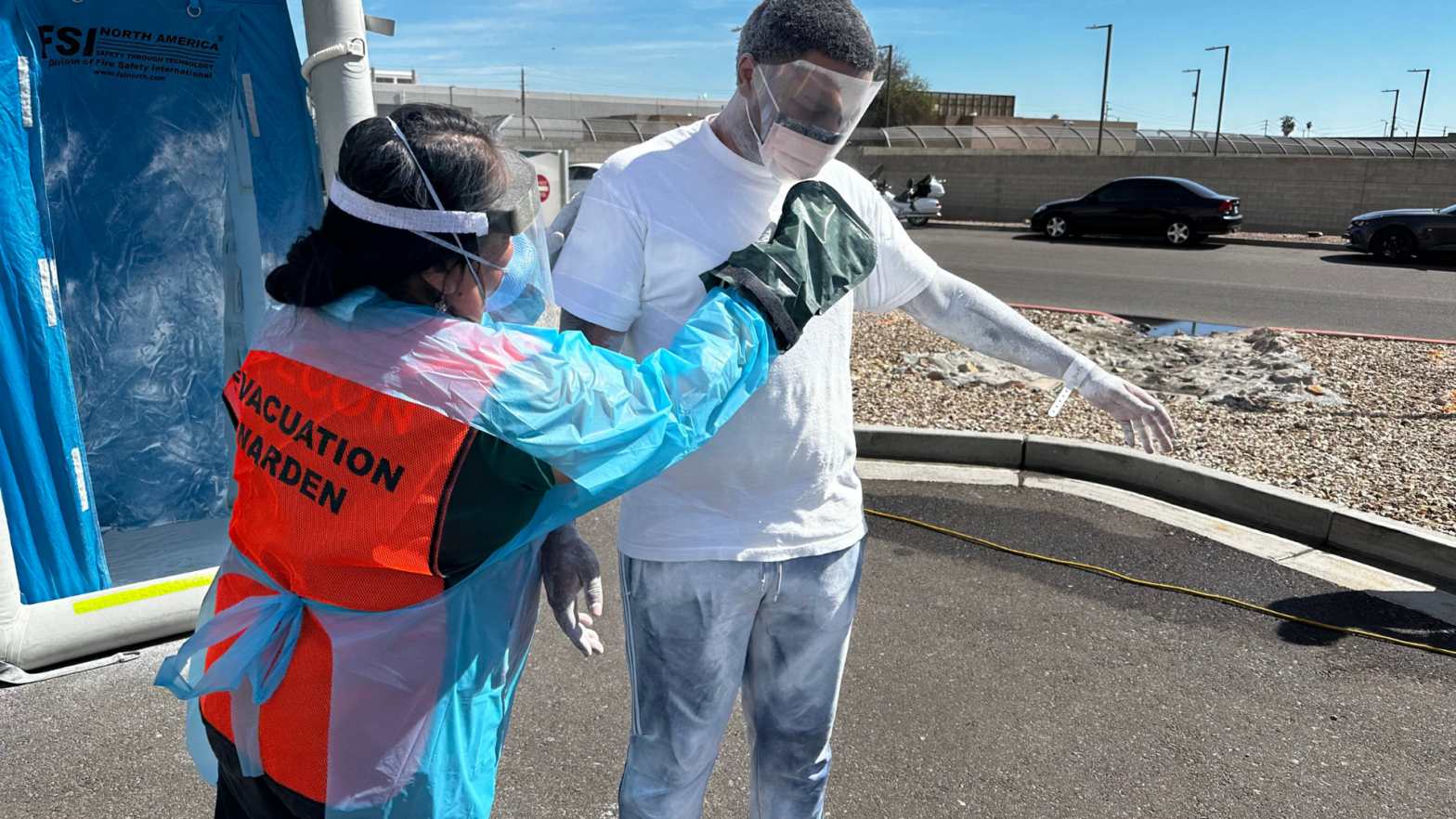
Learn why contaminated clothing continues to release hazardous vapor after chemical exposure, and how early clothing removal and dry decontamination can help EMS, Fire and HAZMAT teams, and hospital first receivers manage that risk before full decontamination is established.
Where Dry Decontamination Fits in Hospital Chemical Response
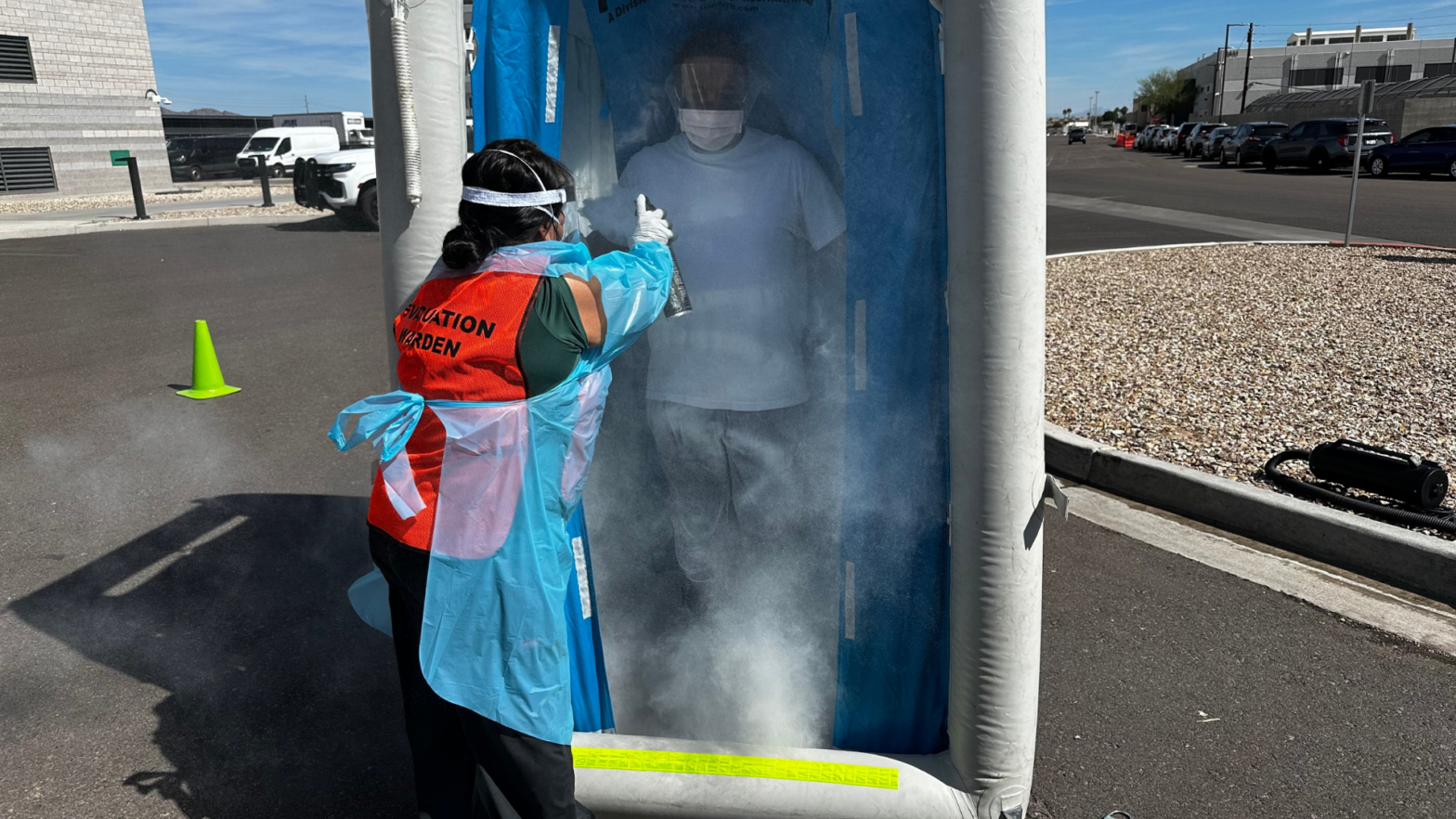
When a contaminated patient arrives before full hospital decontamination is ready, healthcare teams need options for managing the early response. Learn how dry decontamination can help hospitals address chemical contamination while supporting staff safety.
FAST-ACT Demonstrates Rapid Dry Decontamination at Michigan Healthcare Coalition Event
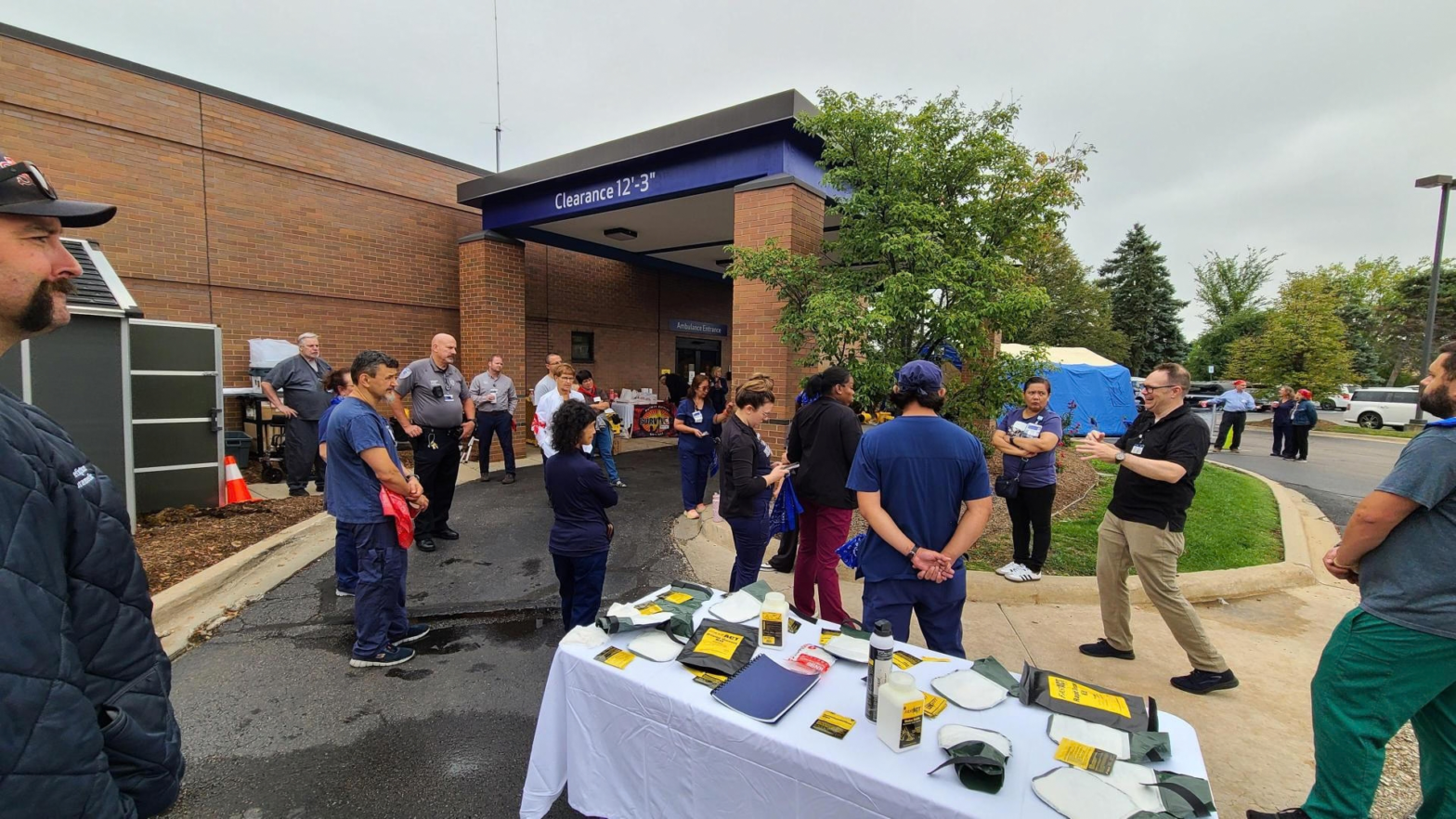
FAST-ACT joined Henry Ford Health for a hands-on dry decontamination demonstration with healthcare, emergency preparedness, and response professionals. The session showcased FAST-ACT’s hospital decontamination tools and highlighted how dry decontamination can support early chemical response and hospital preparedness.