
This blog will explain the scale and stakes of these events, highlight why chemical decontamination and decontamination methods are essential to safety, and reaffirm how FAST-ACT’s solutions merge with personal protective equipment (PPE) and multiagency workflow to deliver readiness, efficiency, and confidence.


Tag: 2026 world cup
Understanding Cyclosarin: A Comprehensive Guide to Its Chemical Properties and Effects
This guide breaks down cyclosarin’s chemical properties, health effects, and environmental behavior, while also showing how FAST-ACT decontamination solutions protect communities against these toxic chemicals.
Hospital Decontamination Without Compromise: Protecting Patients, Staff, and Equipment
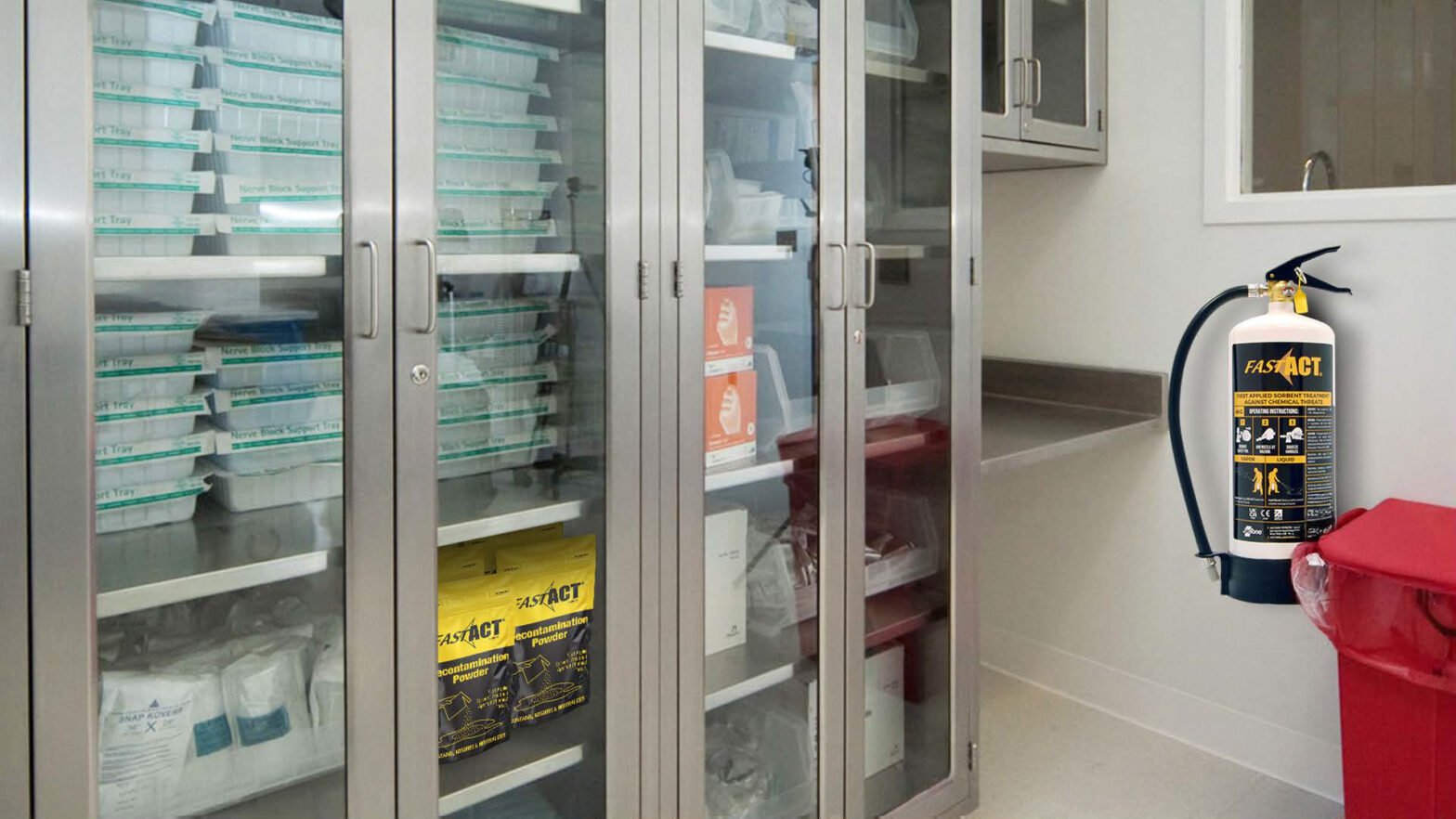
This post concludes our hospital decontamination blog series, following Part 1: Rethinking Hospital Decontamination and Part 2: Inside the Protocol: A Hospital SOP for Dry Chemical Decontamination.
FAST-ACT August Event Highlights: Supporting First Responders Nationwide

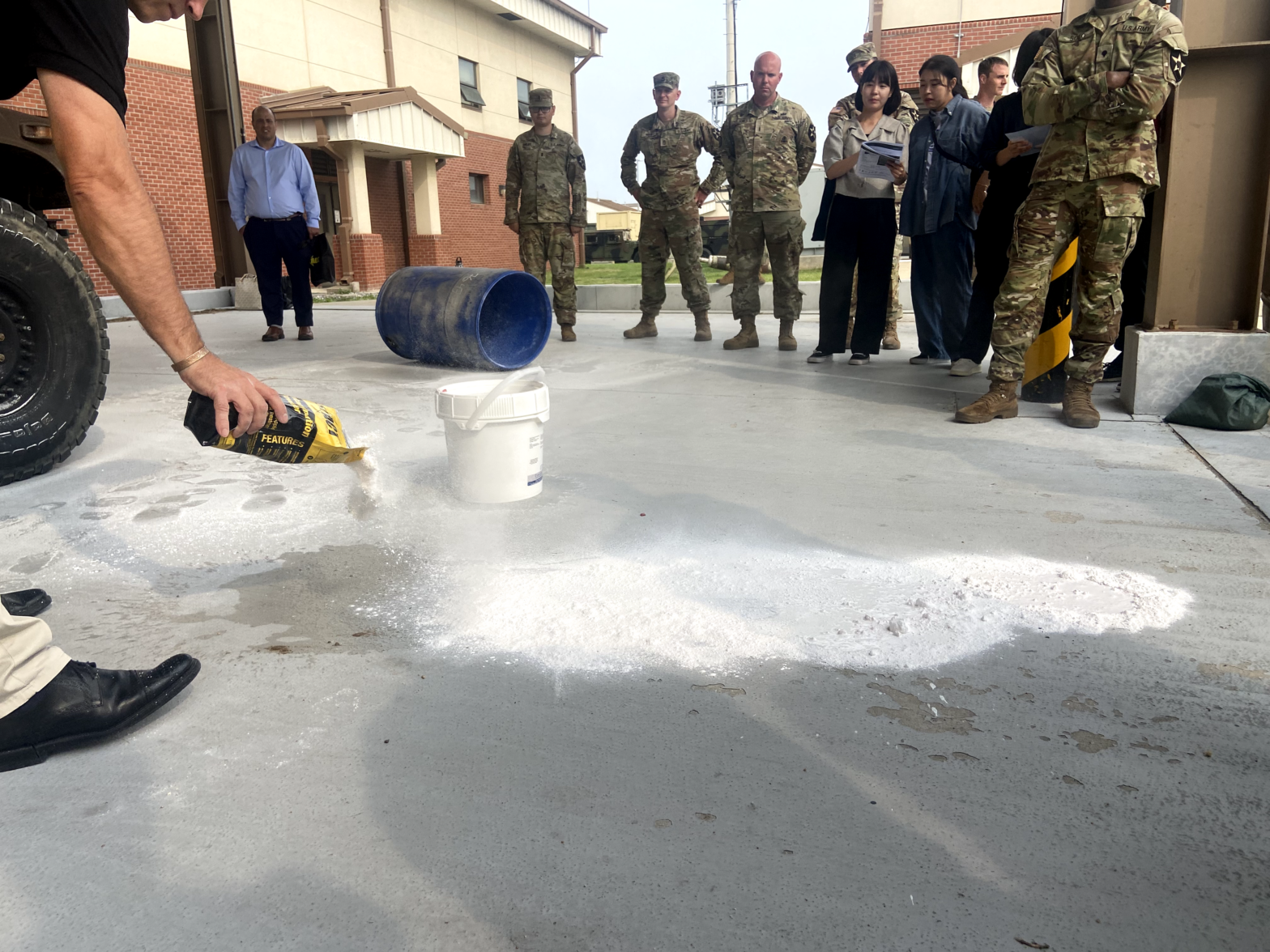
This August, the FAST-ACT team was on the road providing hands-on training and support to first responders facing today’s most urgent chemical and hazardous material threats.
Inside the Protocol: A Hospital SOP for Dry Chemical Decontamination
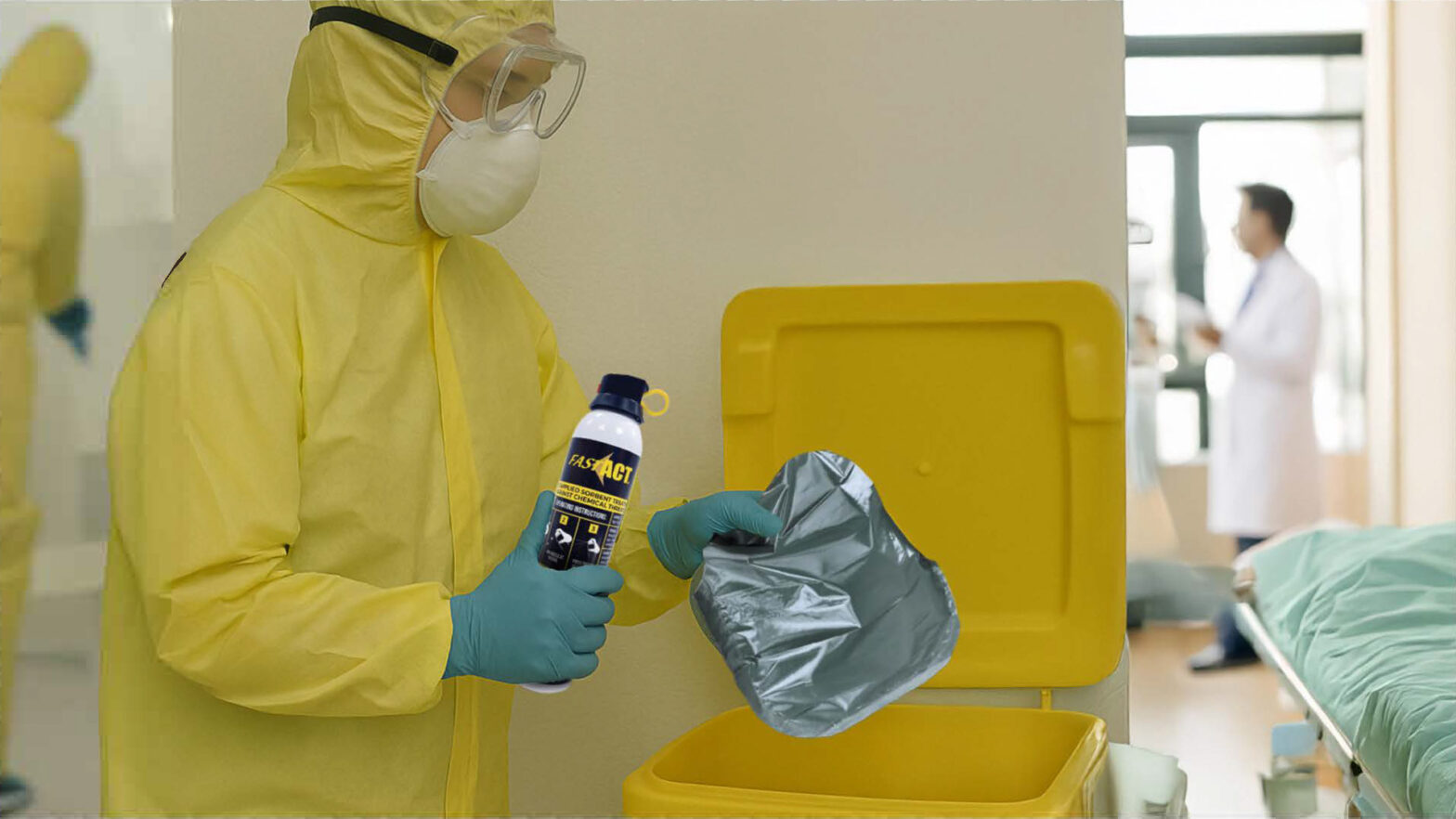
In the face of chemical incidents, hospitals are often the first point of contact—before any decontamination protocols have been applied. For regional emergency department staff, this poses immediate risks: volatile chemicals, systemic toxicity, and potential secondary contamination that could impact both patients and staff. A fast, reliable, and adaptable protocol becomes essential.
Not All Dry Decontamination Is Created Equal: What to Look for in a Real Solution
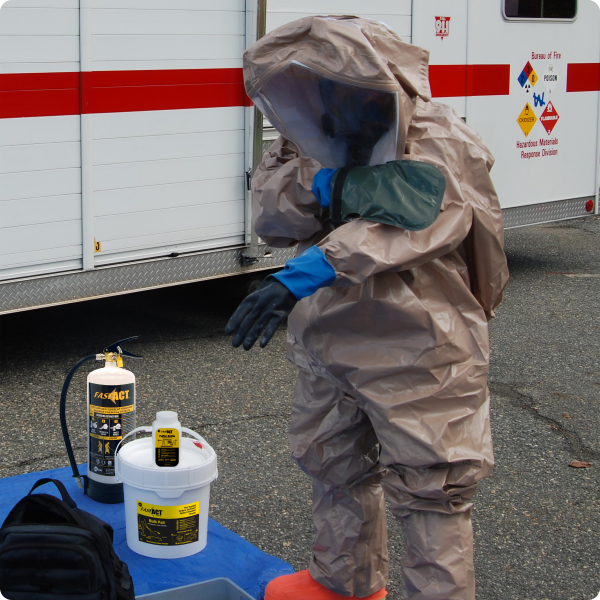
Not all dry decontamination tools perform the same. Some are built to absorb or contain, while others are designed to neutralize the threat entirely. If your team is deciding between dry options, here’s what to know before making the call.
Rethinking Hospital Decontamination: Why Dry Decon Belongs in Your Emergency Plan
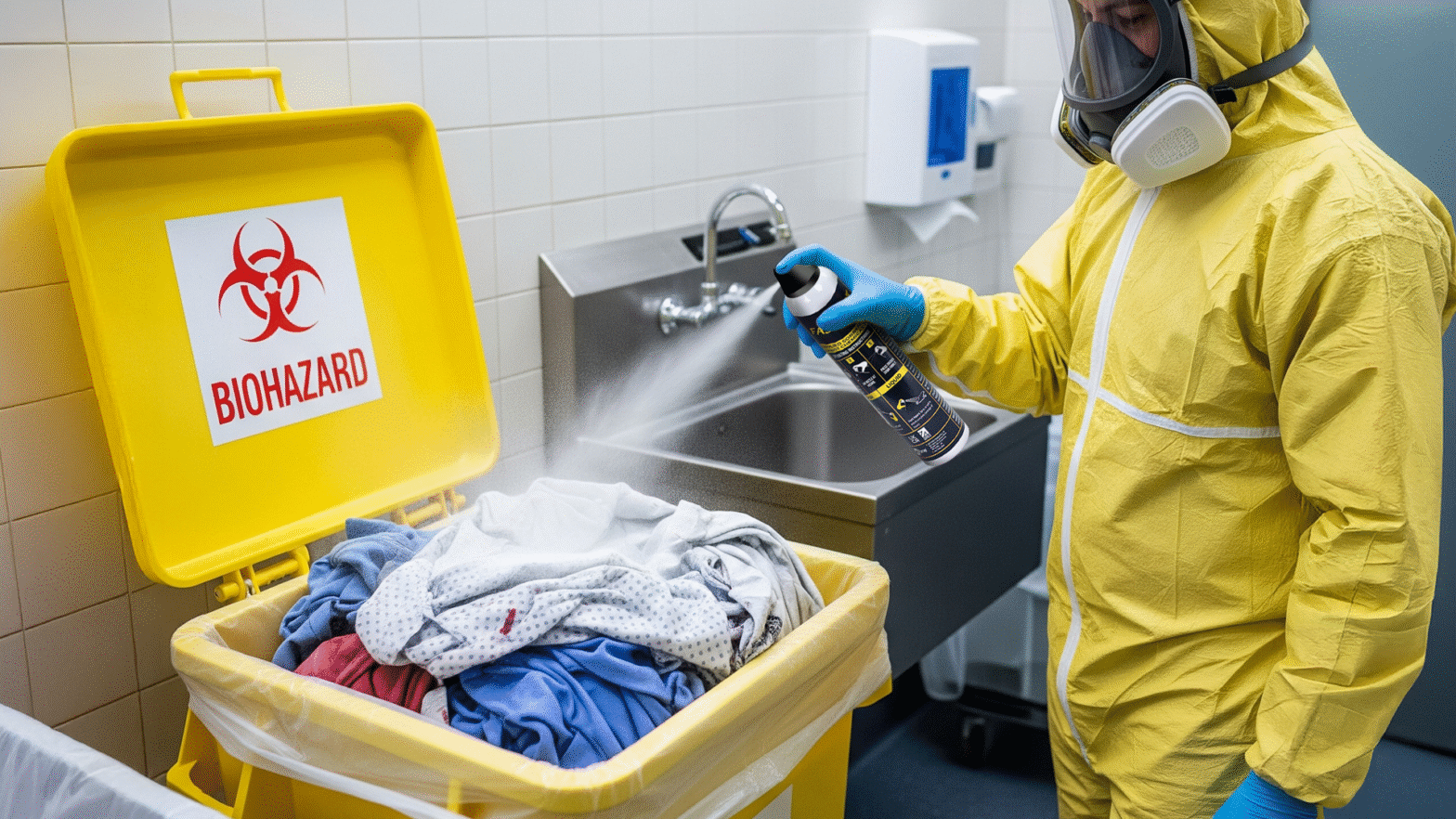
In the event of a chemical incident or mass casualty event, hospitals must act quickly to protect patients, staff, and infrastructure. Traditional water-based technical decontamination has long been a standard protocol, but it brings limitations—especially during high-pressure scenarios where rapid, scalable response is critical.
FAST-ACT Webinar Highlights Ensuring Personnel Safety During Crowd Control
FAST-ACT recently hosted an insightful and timely webinar titled “Ensuring Personnel Safety: Dry Decontamination for Crowd Control Operations,” focusing on the unique challenges law enforcement and first responders face when neutralizing chemical threats during large-scale public gatherings.
Global Events, Global Risks: Why the 2026 World Cup Demands More Than Traditional Security
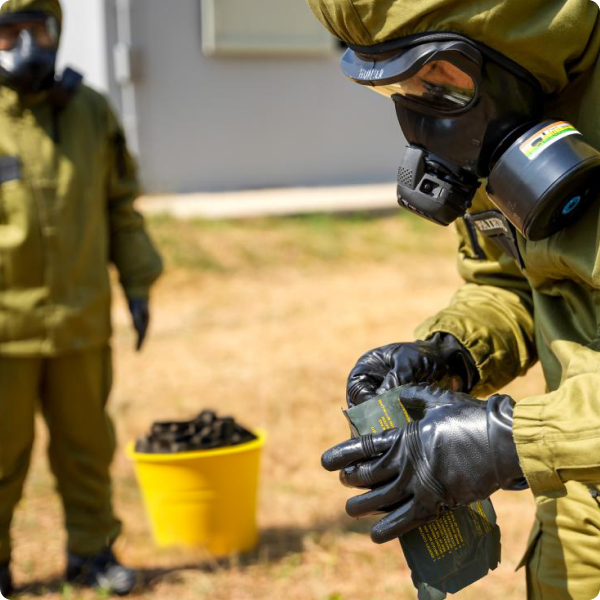
The FIFA World Cup is more than a sporting event—it’s a global spectacle drawing millions of fans into high-density, high-energy environments. While this celebration of international unity captivates the world, it also introduces real and growing risks: from crowd control challenges to the silent but severe threat of chemical, biological, radiological, nuclear, and explosive (CBRNE)… Continue reading Global Events, Global Risks: Why the 2026 World Cup Demands More Than Traditional Security
Preparing for CBRN Threats at Major Global Events: The Road to the 2026 FIFA World Cup

The 2026 FIFA World Cup promises to be one of the most watched and attended global sporting events in history, spanning host cities across the United States, Canada, and Mexico. In a world of evolving risks and increasing access to dangerous materials, preparing for potential CBRN threats at major public events is more urgent than ever.