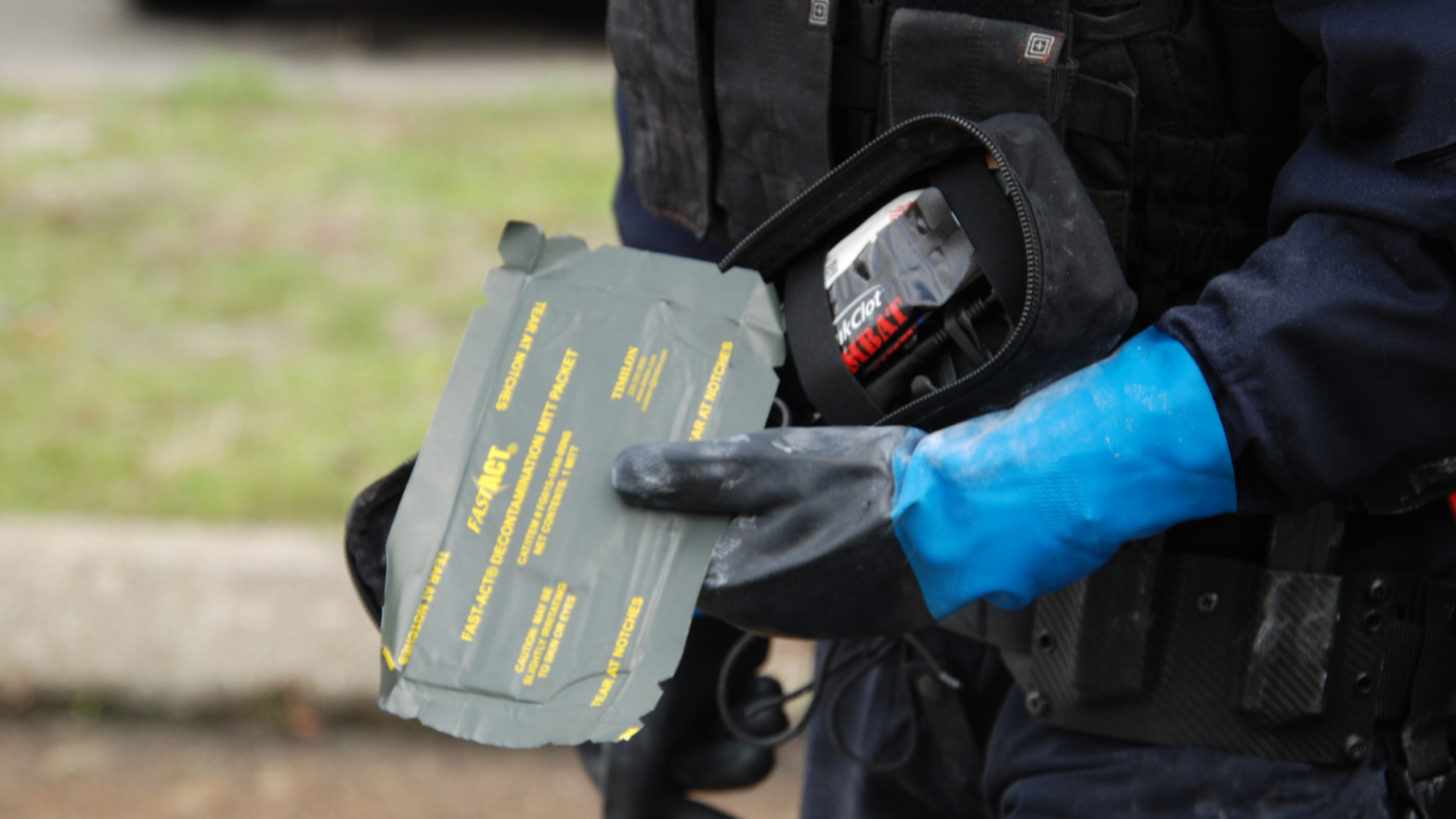
FAST-ACT® dry decontamination technology supports rapid response by combining physical removal with chemical neutralization. Learn how this approach differs from traditional methods and why it’s increasingly relevant in modern decontamination procedures.


Tag: 2026 world cup
Common Hospital Decontamination Mistakes (And How to Avoid Them During Chemical Incidents)
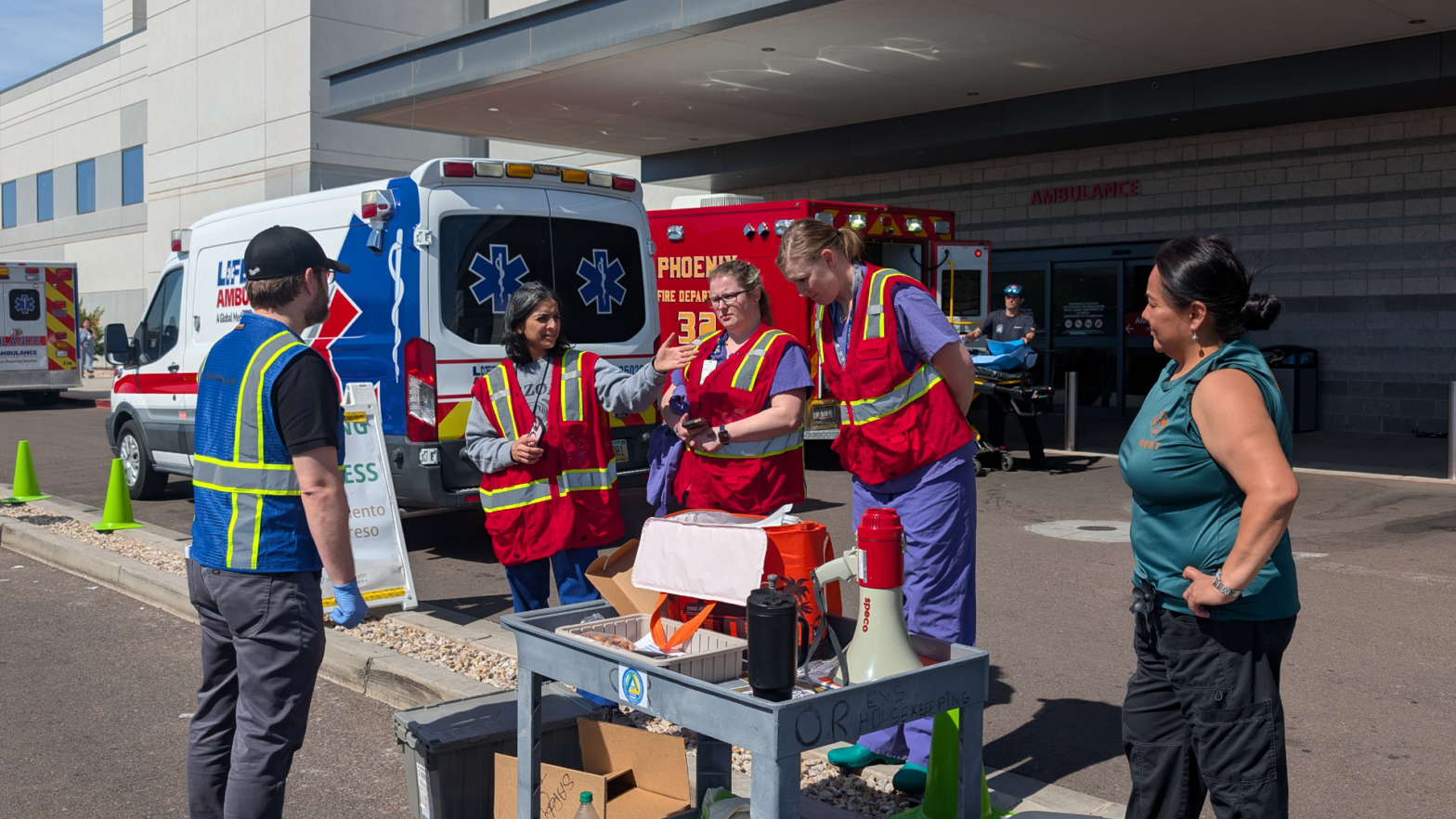
Hospitals can make critical decontamination mistakes during chemical incidents, especially in the first minutes of response. Learn how FAST-ACT® dry decontamination helps reduce risk, improve safety, and strengthen hospital preparedness.
Hazmat Safety at Large Events: What the Olympics and World Cup Teach Us About Preparedness

Large-scale public events create unique hazmat safety challenges in crowded environments. Learn how preparedness strategies and FAST-ACT® dry decontamination support rapid response, reduce risk, and enhance safety during high-attendance events.
Decontamination in High-Risk Environments: Operational Realities Across Critical Sectors
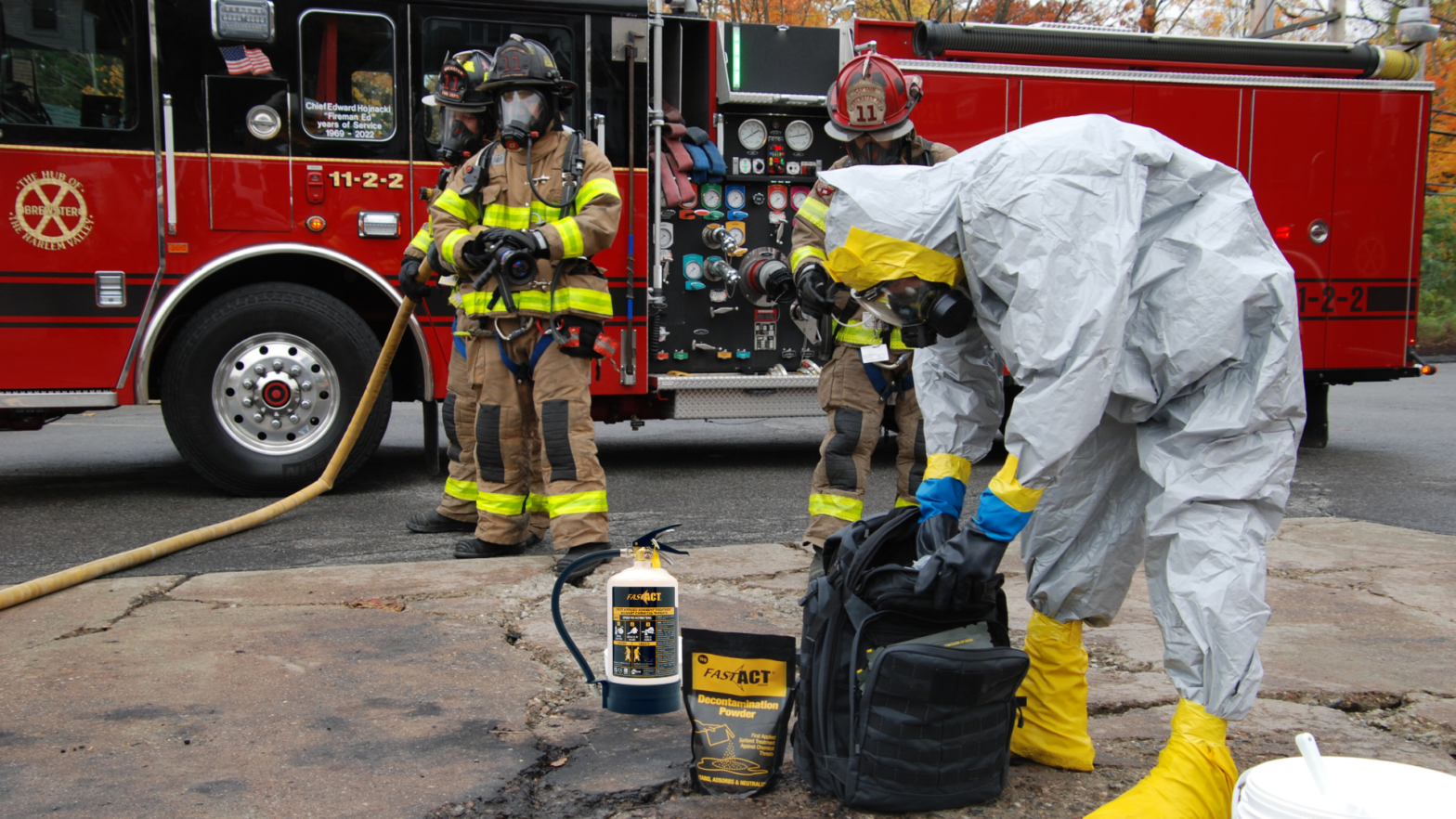
Decontamination in high-risk environments varies across sectors, each with unique operational challenges and chemical threats. Learn how FAST-ACT® dry decontamination supports rapid response, protects personnel and equipment, and maintains continuity in critical operations.
Dry Decontamination in Cold Weather: Managing Chemical and Vapor Hazards When Temperatures Drop
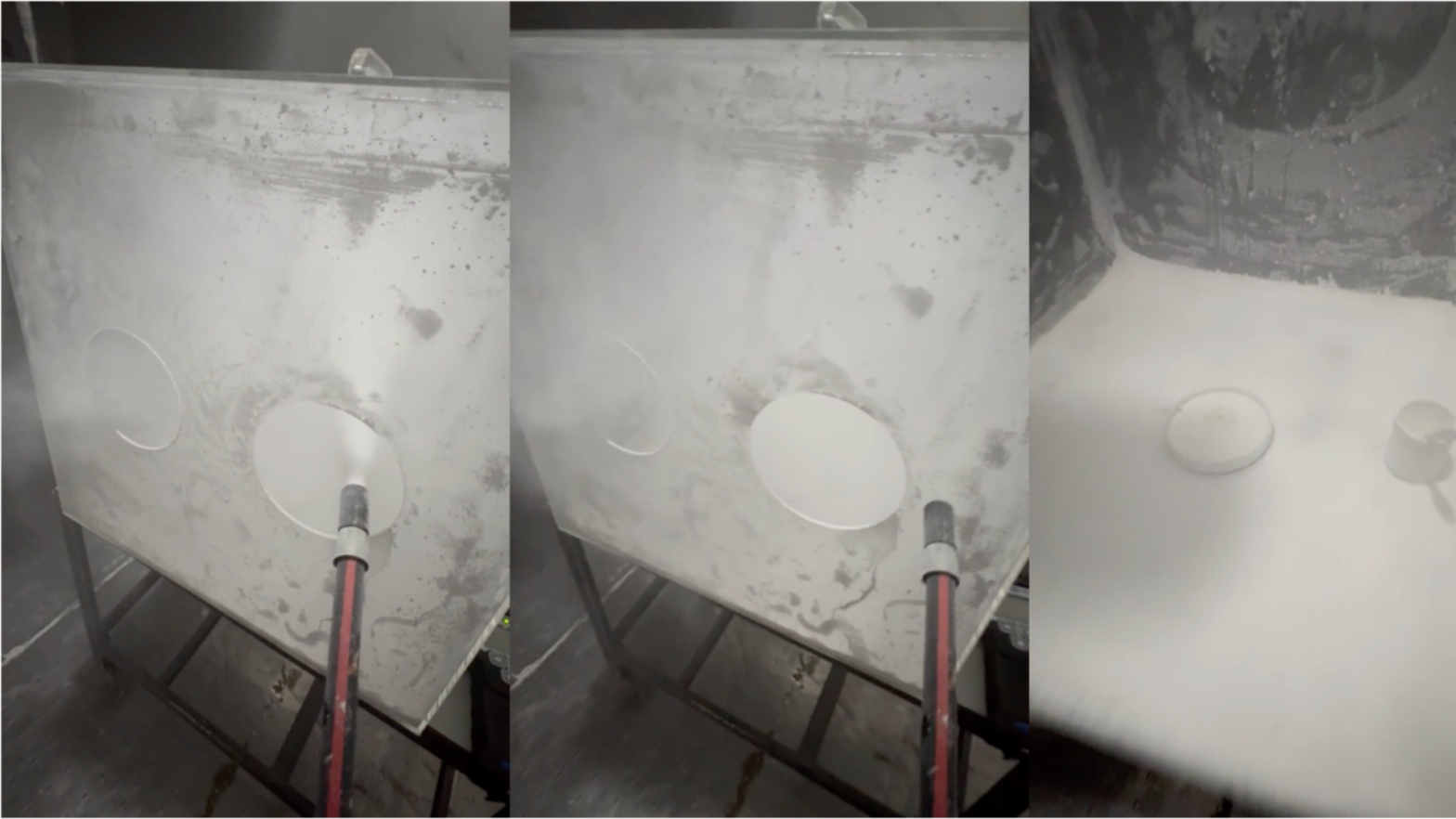
Cold weather creates significant challenges for chemical and vapor decontamination, especially when traditional methods fail. Learn how FAST-ACT® dry decontamination supports rapid response, remains effective in freezing conditions, and improves safety in extreme environments.
DOT HazMat Inspection Priorities: What PHMSA’s New Focus Means for Hazardous Materials Transport
New DOT hazmat inspection priorities are shifting focus toward high-risk materials, data-driven enforcement, and stricter oversight. Learn how FAST-ACT® dry decontamination supports preparedness, reduces risk, and strengthens response capabilities across hazardous materials transport operations.
Fentanyl Decontamination and Responder Safety: Why Federal Designation Matters for First Responders
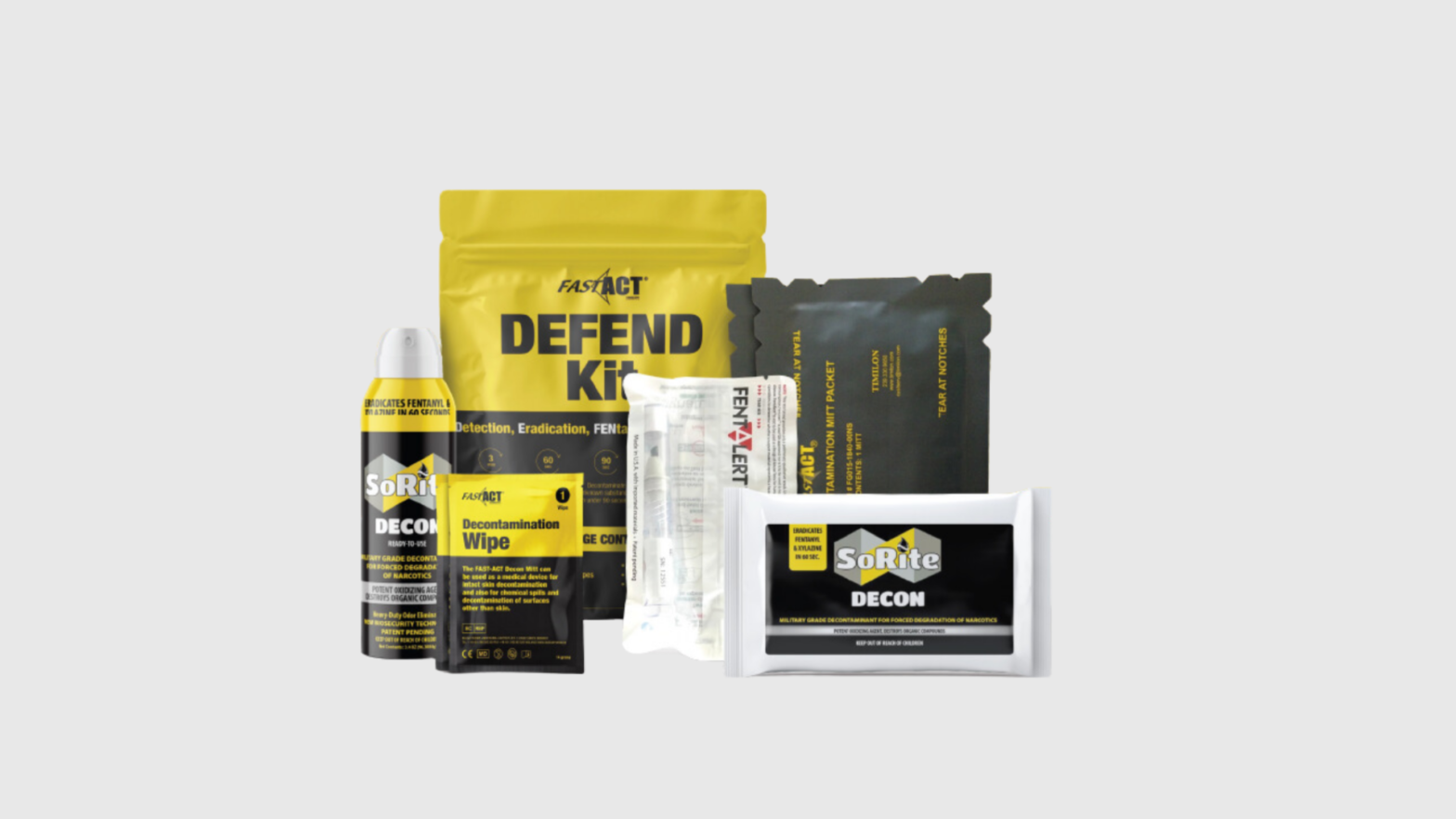
Federal designation of fentanyl as a WMD highlights its risks as a hazardous material for first responders. Learn how FAST-ACT® dry decontamination supports safer handling, reduces exposure risk, and strengthens response protocols.
FAST-ACT November Event Highlights: Advancing CBRN Readiness Across the Nation
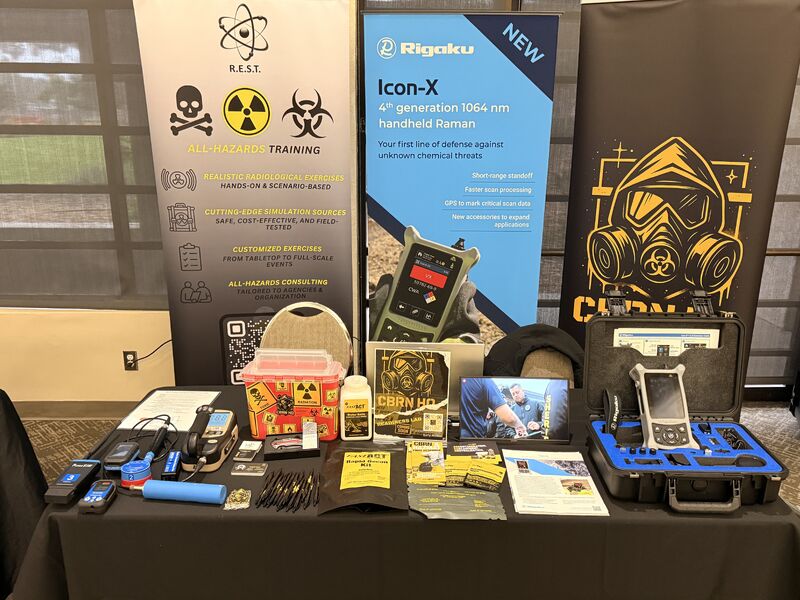
November event highlights showcase FAST-ACT®’s role in advancing CBRN readiness through nationwide training, demonstrations, and collaboration. These engagements strengthen coordination, improve operational preparedness, and support more effective response across emergency and defense sectors.
Safe Hazardous Package Handling: Lithium, Opioids, and Chemical Spill Response
Hazardous package handling incidents involving lithium batteries, opioids, and chemical spills can occur unexpectedly across transport environments. Effective safety depends on proper protocols, hazard awareness, and rapid response measures to reduce exposure risks.
Eyes on the Zone: Securing FIFA 2026 Fan Areas Against Emerging CBRN Threats
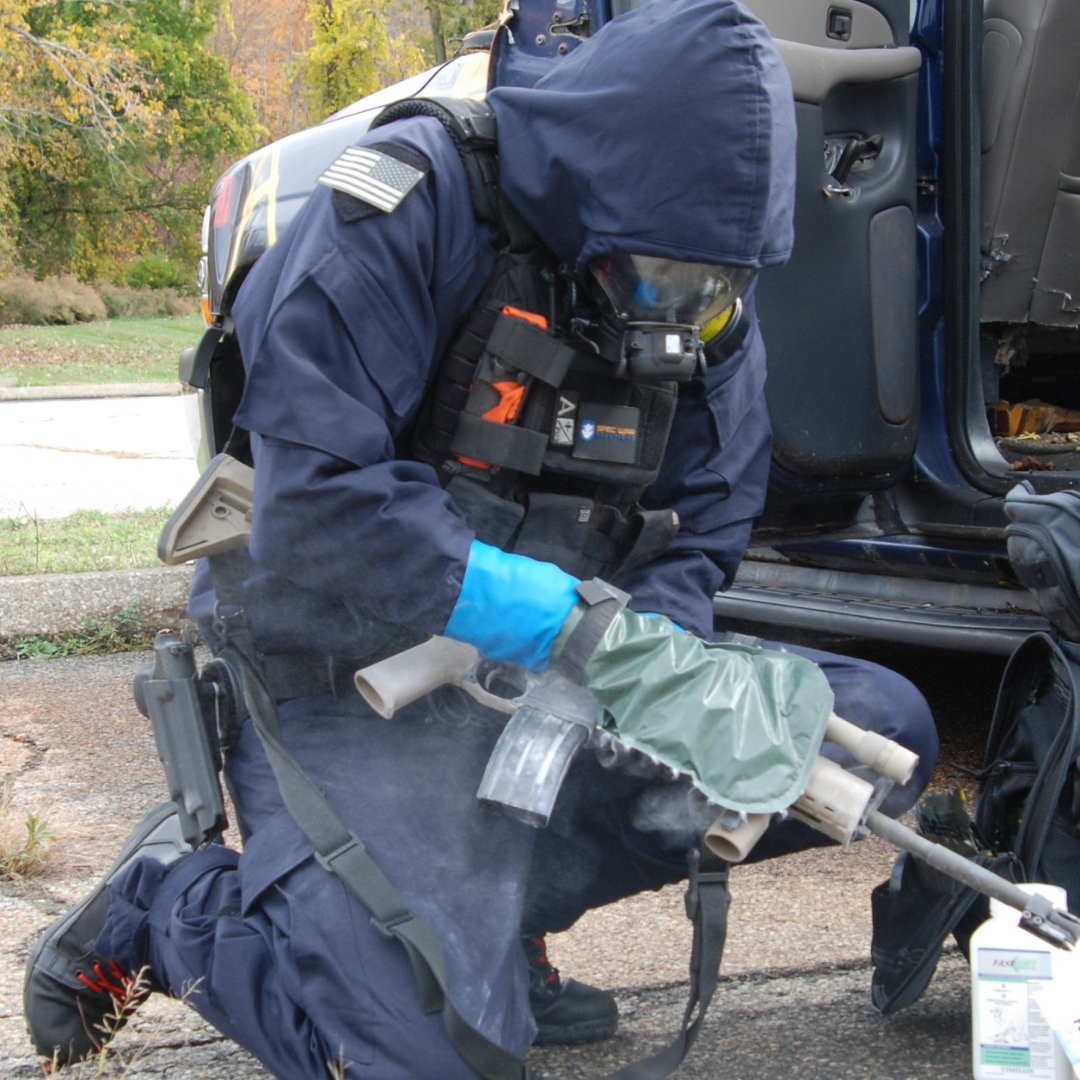
Securing FIFA 2026 requires coordinated planning to address complex CBRN and large-scale event risks. Effective strategies focus on multi-agency collaboration, rapid response capabilities, and scalable solutions to protect fans, infrastructure, and host cities.