Hospitals face ongoing gaps in chemical decontamination preparedness, including limitations in infrastructure, training, and rapid response capabilities. Addressing these challenges is critical to improving safety, reducing exposure risks, and strengthening overall emergency readiness.


Tag: hospital SOP
Why Combined Wet and Dry Decontamination Is the New Gold Standard for Hospital Emergency Preparedness
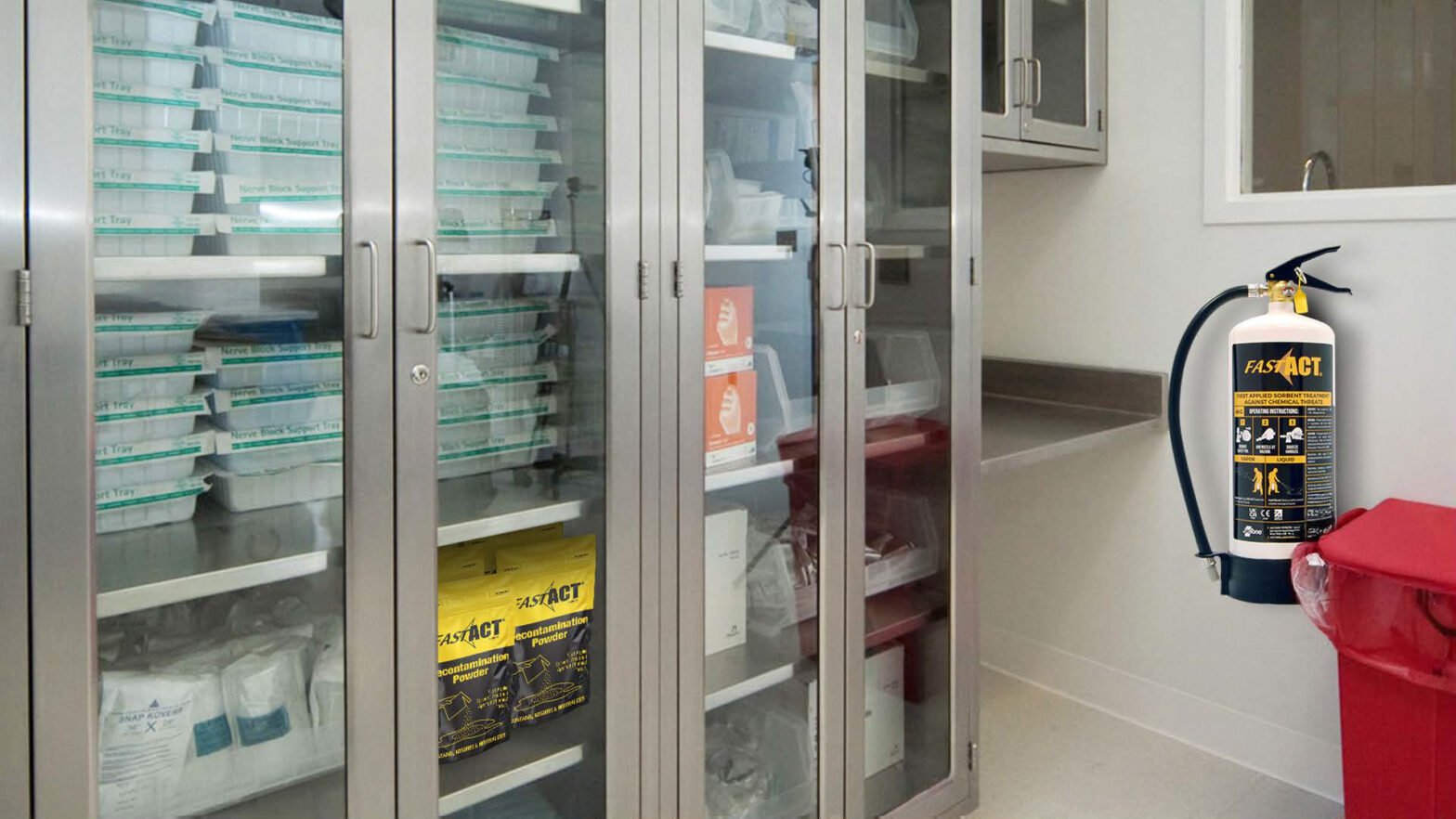
Combining wet and dry decontamination improves hospital response by addressing a wider range of chemical hazards. This integrated approach enhances speed, reduces exposure risks, and supports more effective patient care during complex incidents.
Hospital Dry Decontamination: A Faster, More Efficient Approach to Emergency Response
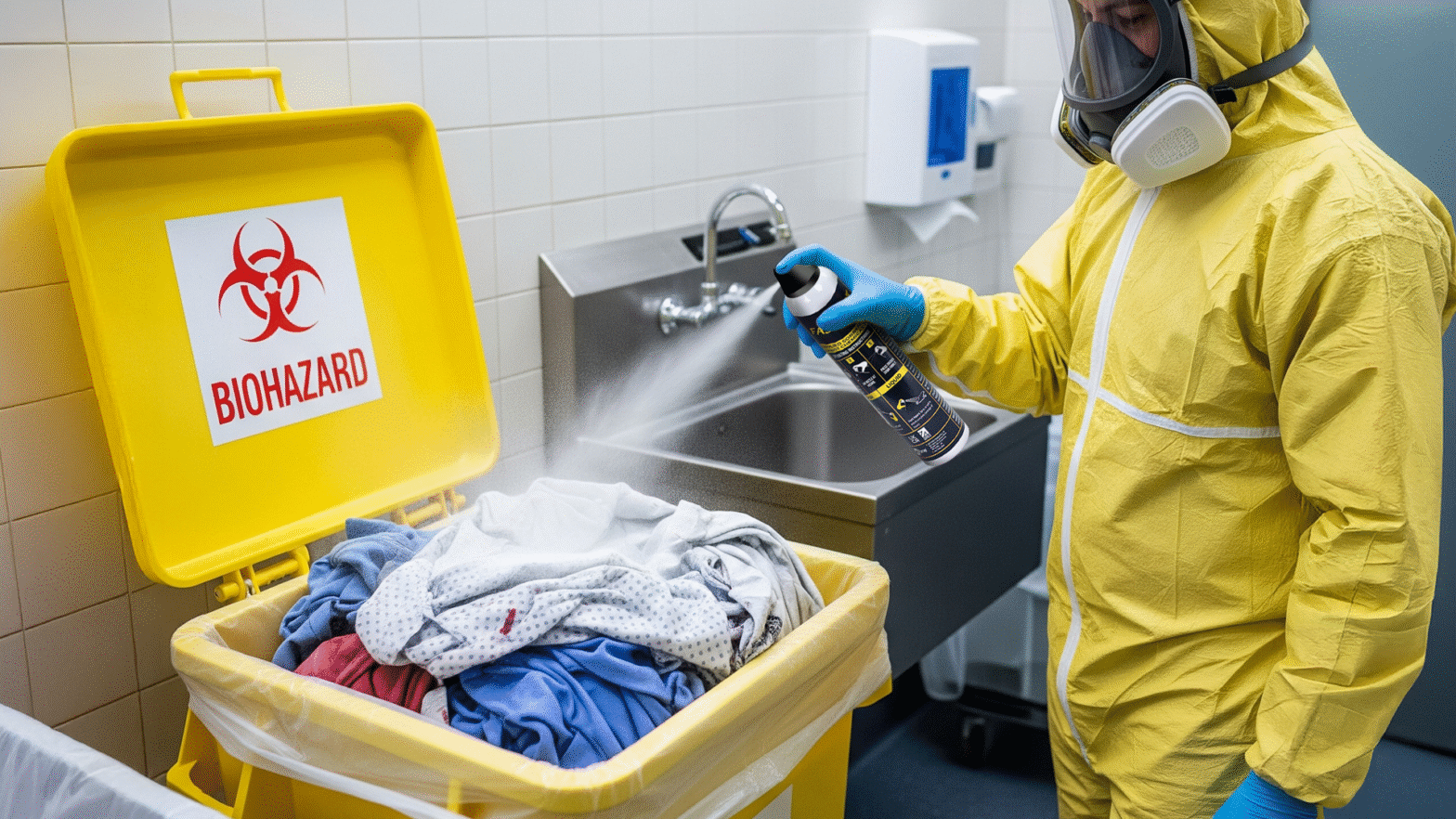
Hospital dry decontamination enables faster emergency response by eliminating delays associated with traditional water-based systems. This approach improves efficiency, reduces resource demands, and supports safer patient and staff management during chemical incidents.
FAST-ACT’s Hospital SOP: Advancing Chemical Decontamination Preparedness

In this blog, we will cover the essential steps of the FAST-ACT hospital SOP, explain how the FAST-ACT Pressurized Cylinders, FAST-ACT Decontamination Mitts, and FAST-ACT Decontamination Wipes are applied, and highlight the supporting science behind these hospital-focused decontamination protocols.