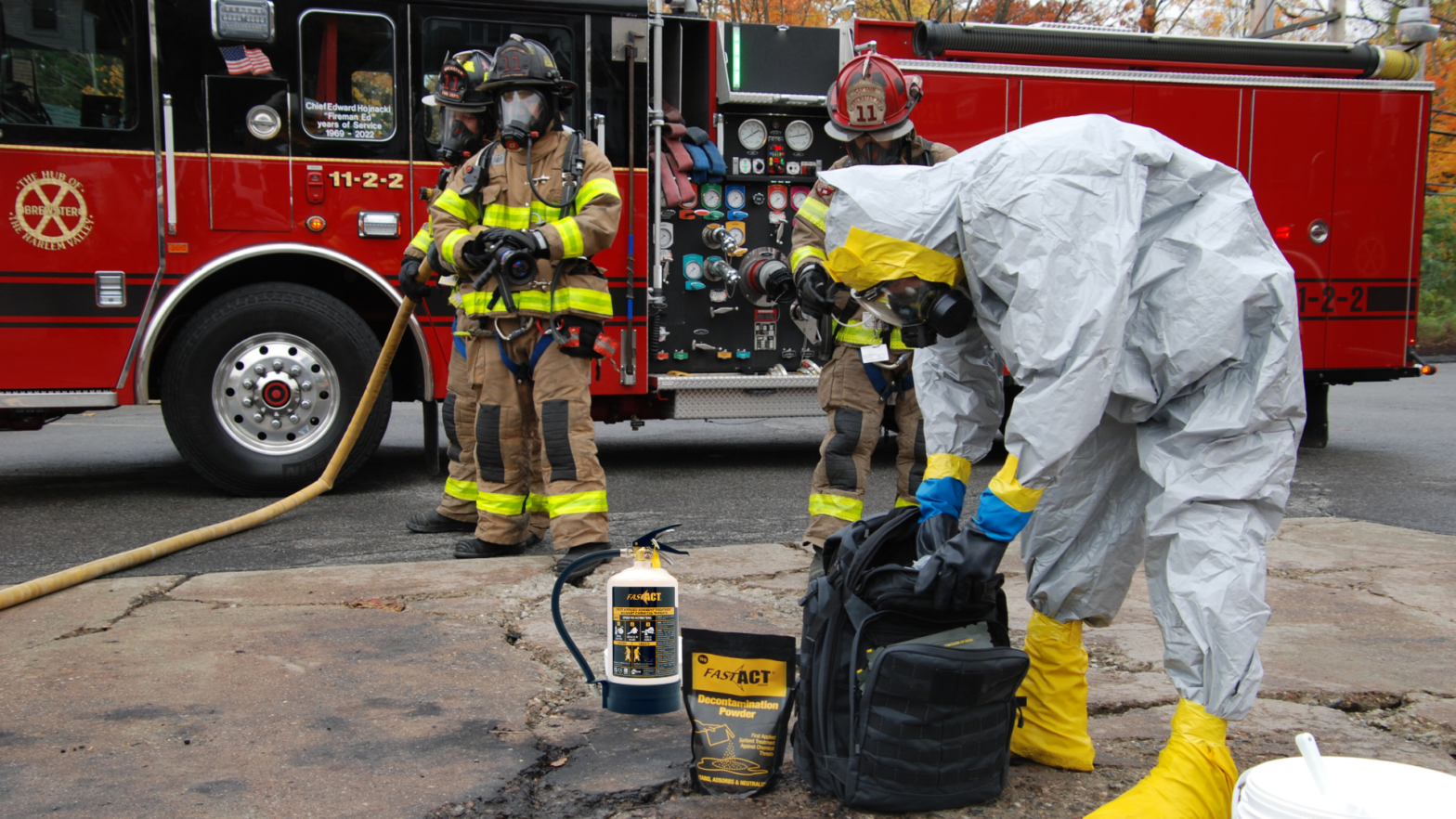
Decontamination in high-risk environments varies across sectors, each with unique operational challenges and chemical threats. Learn how FAST-ACT® dry decontamination supports rapid response, protects personnel and equipment, and maintains continuity in critical operations.


Tag: FAST-ACT cold weather
Dry Decontamination in Cold Weather: Managing Chemical and Vapor Hazards When Temperatures Drop
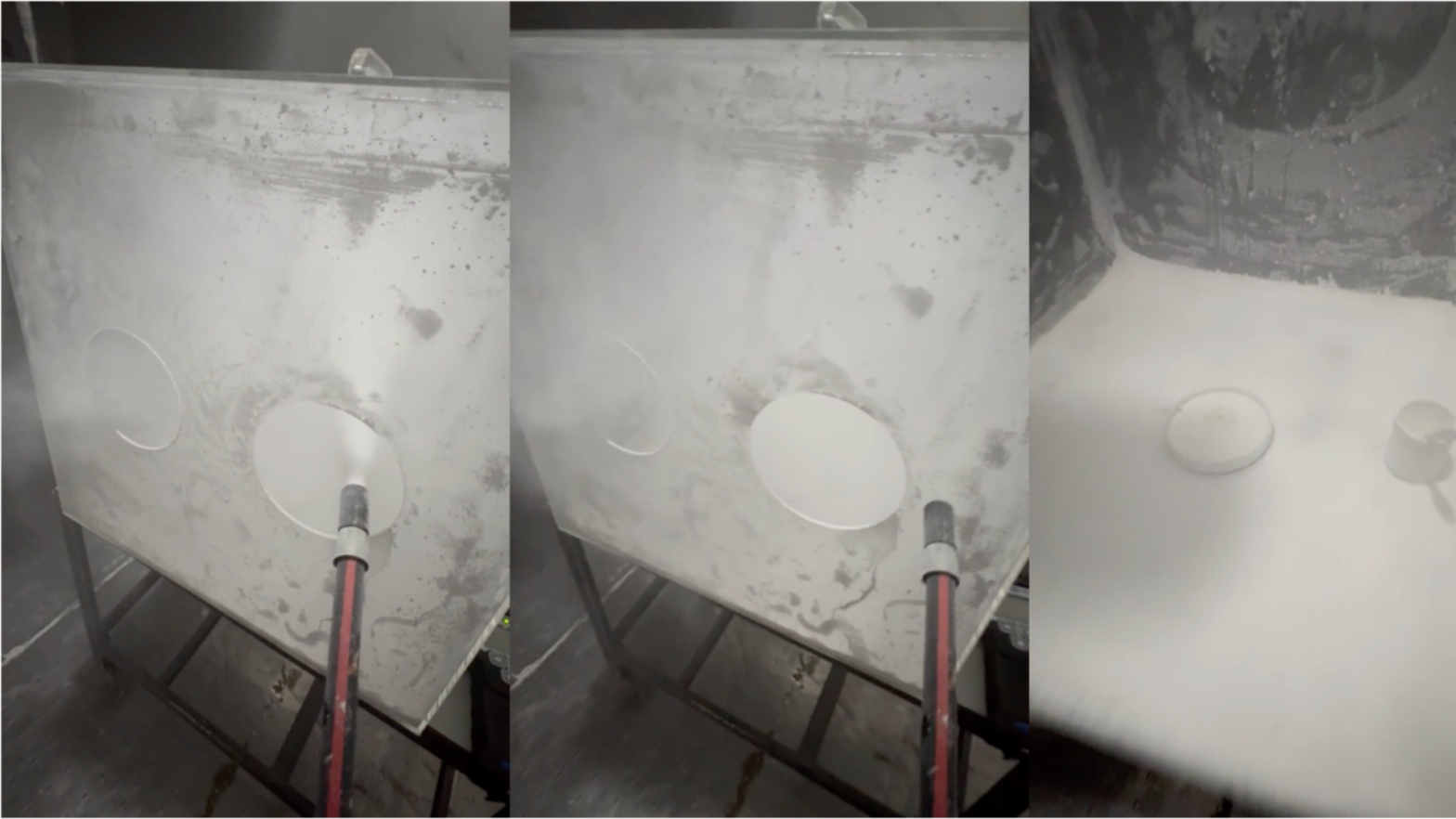
Cold weather creates significant challenges for chemical and vapor decontamination, especially when traditional methods fail. Learn how FAST-ACT® dry decontamination supports rapid response, remains effective in freezing conditions, and improves safety in extreme environments.
Dry Decontamination in Extreme Cold Conditions Field Test with FAST-ACT

Effective decontamination is a critical process for mitigating chemical threats, but what happens when temperatures drop below freezing? To address this challenge, FAST-ACT underwent rigorous testing in extreme cold conditions, read more.
FAST-ACT Webinar Highlights Optimizing Decontamination in Cold Weather: Dry vs. Wet Methods
FAST-ACT hosted a highly informative session titled “Optimizing Decontamination in Cold Weather: Dry vs. Wet Methods,” featuring CBRN Subject Matter Expert Dieter Rothbacher.