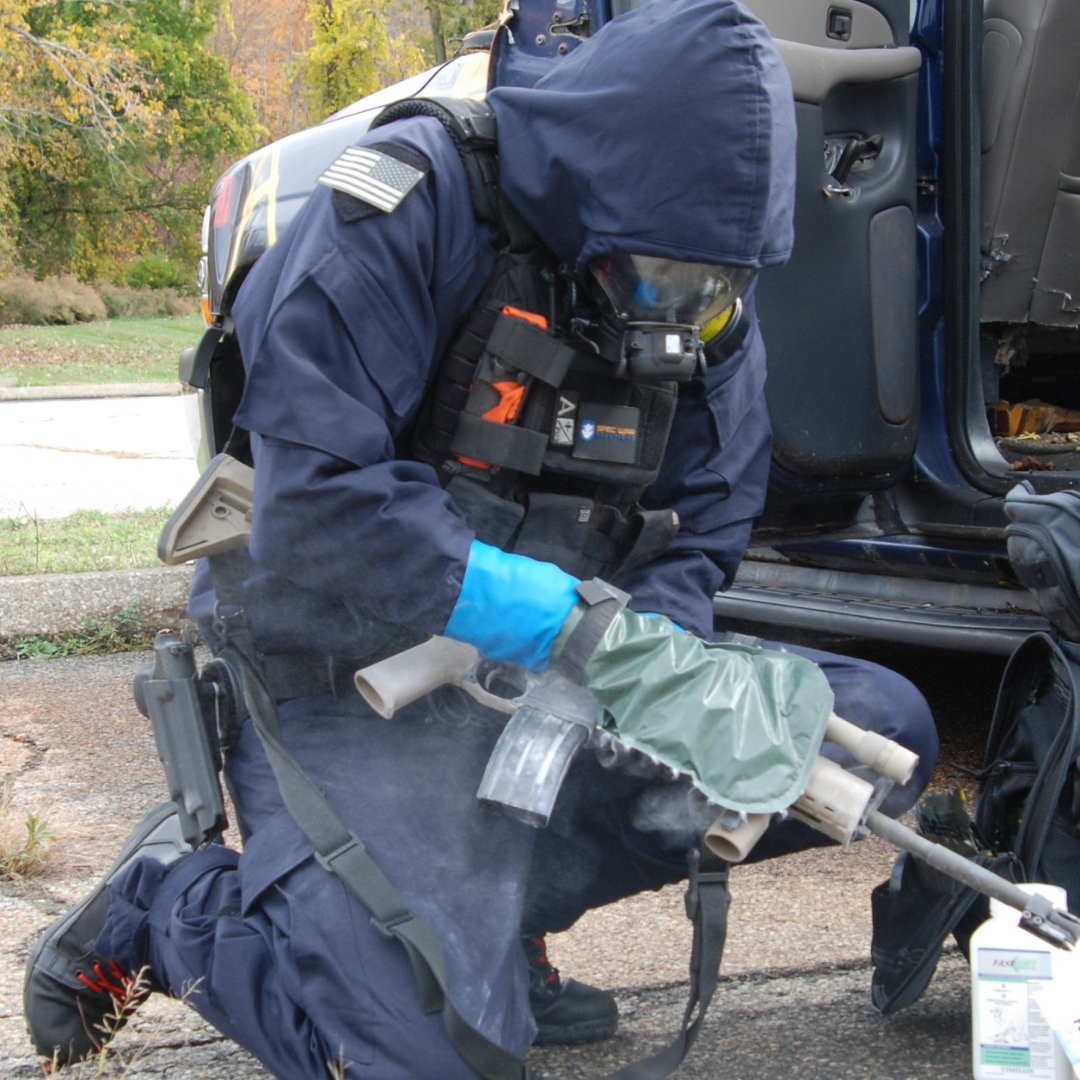
Securing FIFA 2026 requires coordinated planning to address complex CBRN and large-scale event risks. Effective strategies focus on multi-agency collaboration, rapid response capabilities, and scalable solutions to protect fans, infrastructure, and host cities.


Tag: FAST-ACT Decontamination Mitts
FAST-ACT Dry Decontamination Demo Strengthens Chemical Response Readiness in Dallas, TX
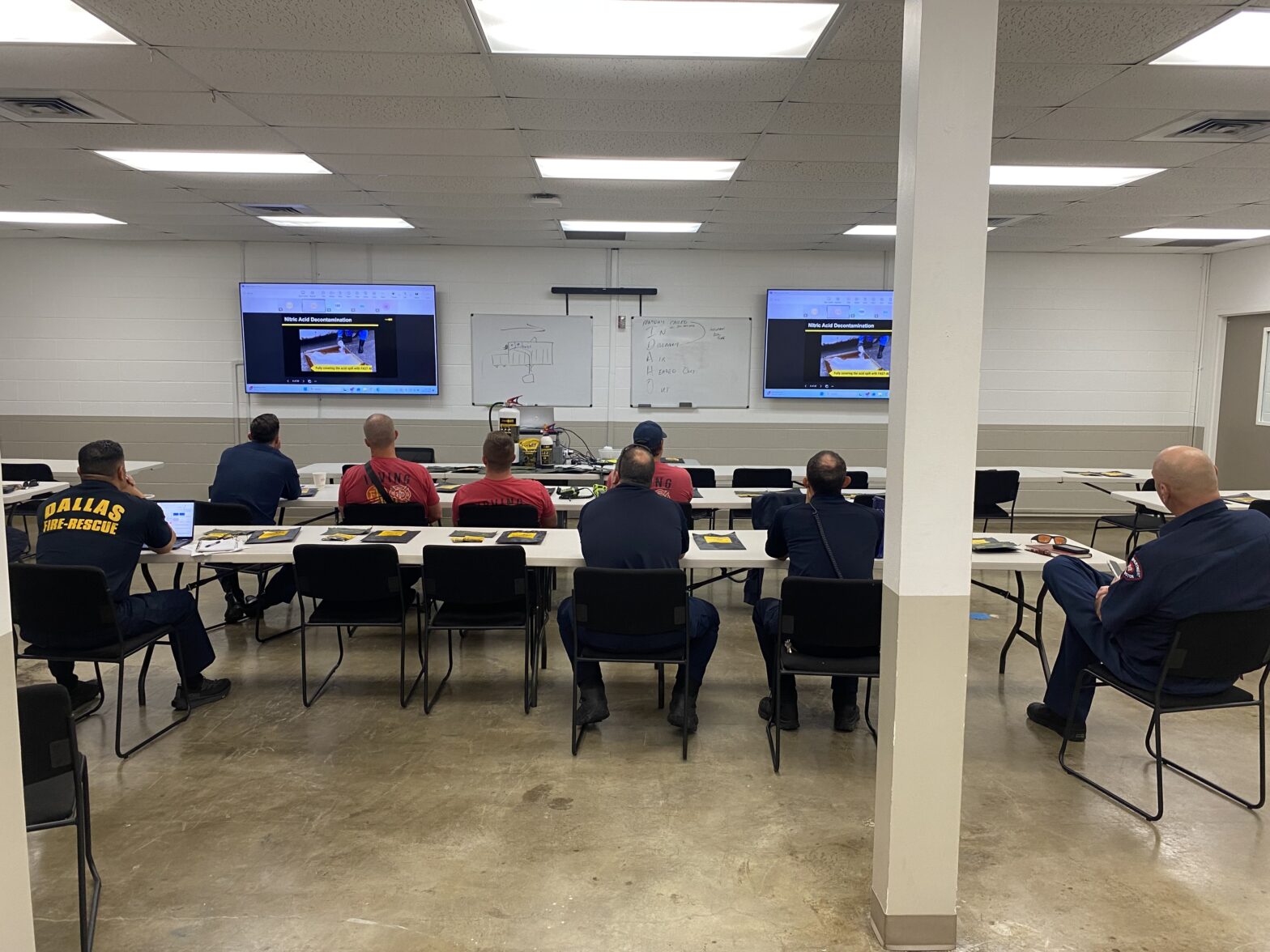
FAST-ACT conducted a live dry decontamination demonstration with the Dallas Fire Department and multiple Dallas-area agencies, showcasing how first responders can rapidly and safely neutralize chemical threats using FAST-ACT technology.
Securing 2026 Mega-Event Dry Decontamination Procedures: Why Chemical Decontamination Must Be Part of the Playbook

This blog will explain the scale and stakes of these events, highlight why chemical decontamination and decontamination methods are essential to safety, and reaffirm how FAST-ACT’s solutions merge with personal protective equipment (PPE) and multiagency workflow to deliver readiness, efficiency, and confidence.
Hospital Dry Decontamination: A Faster, More Efficient Approach to Emergency Response
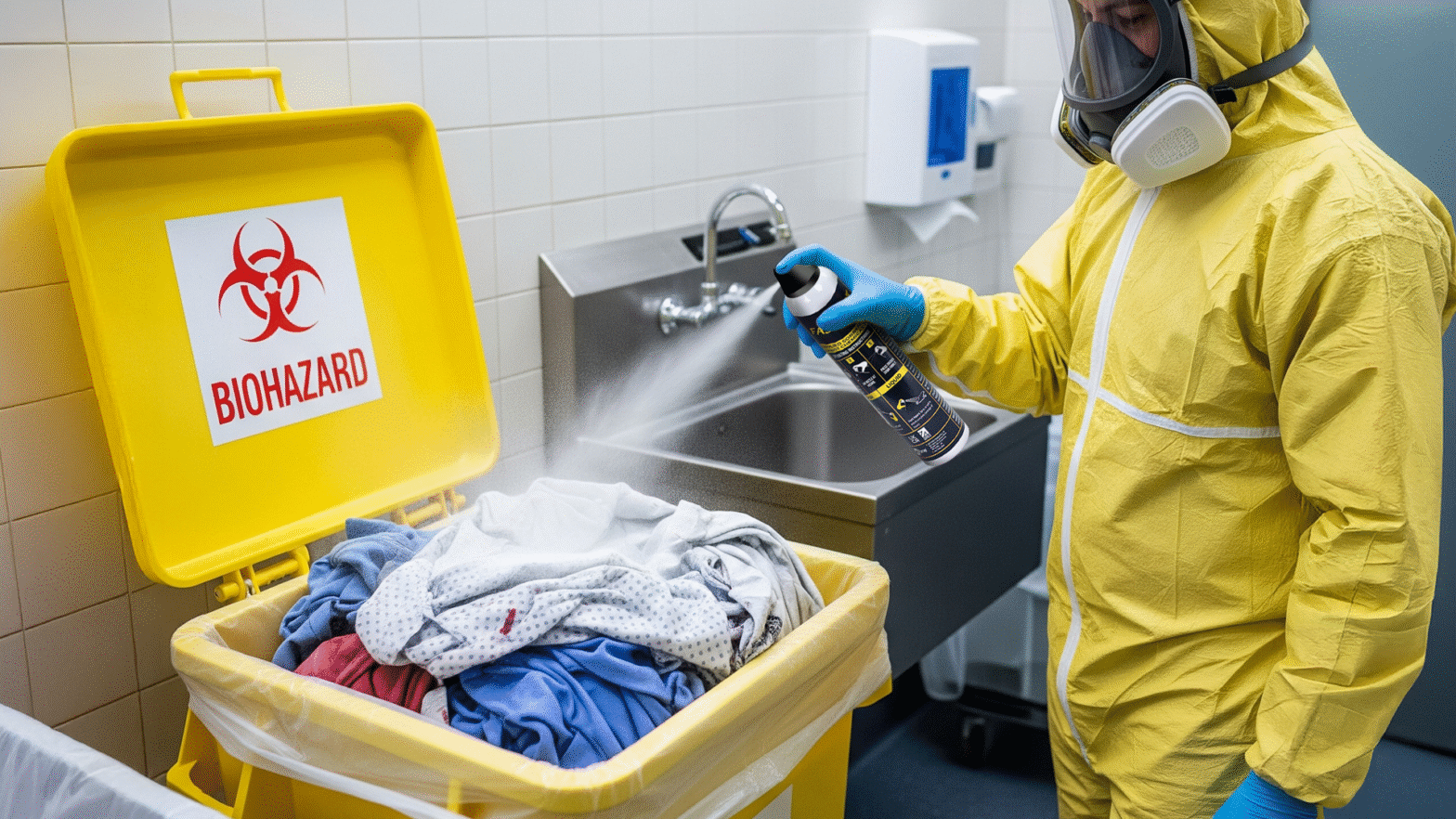
Hospital dry decontamination enables faster emergency response by eliminating delays associated with traditional water-based systems. This approach improves efficiency, reduces resource demands, and supports safer patient and staff management during chemical incidents.
Why Effective Chemical Spill Response Matters in Industrial Settings

We’ll look at several industries where chemical spills are a pressing concern—including lithium-ion battery facilities, mining operations, and transportation hubs such as airports and ports—and explore how the right tools and response strategies can protect workers, reduce risks, and keep operations running safely.
FAST-ACT September Event Highlights: Expanding Training & Global Engagement
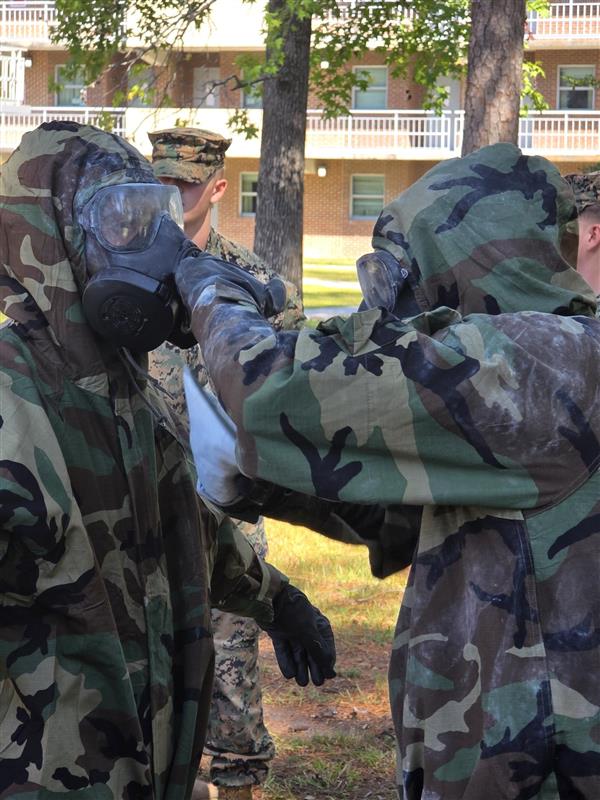
This September, FAST-ACT continues its mission of equipping first responders and defense partners with proven chemical decontamination solutions.
FAST-ACT vs. Traditional Sorbents: A Smarter Solution for Industrial Chemical Response

For decades, many sites have relied on traditional absorbent materials like soda ash, vermiculite, or clay absorbents. While these are common in spill kits and spill response kits, they have one fundamental limitation: they do not neutralize hazardous chemicals. Instead, they merely soak up or contain a substance, leaving potential hazards and health risks behind.
Rapid Decontamination: Why Speed and Preparedness Save Lives
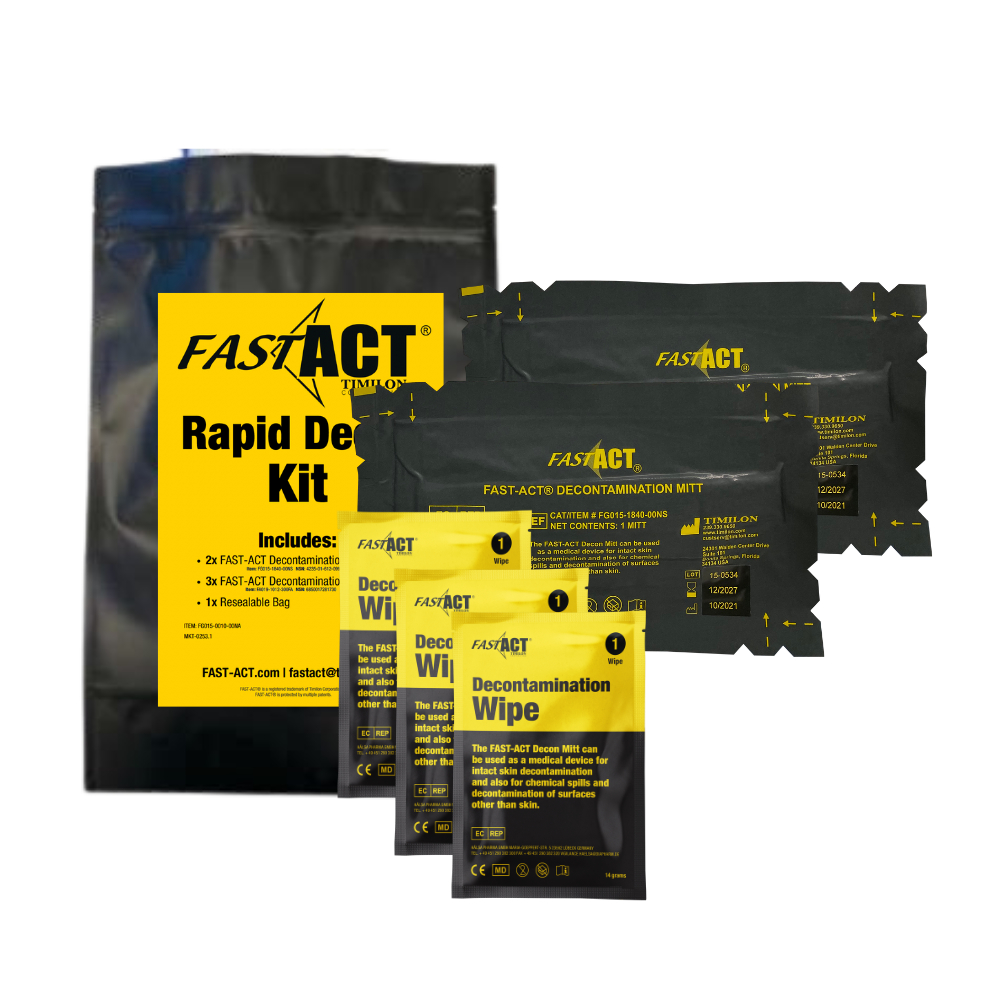
When hazardous materials are released—during a chemical spill, civil unrest, or exposure to unknown powders—time is critical. Rapid decontamination can dramatically reduce the risk of chemical exposure, limiting health threats to responders and the public.
Understanding Cyclosarin: A Comprehensive Guide to Its Chemical Properties and Effects
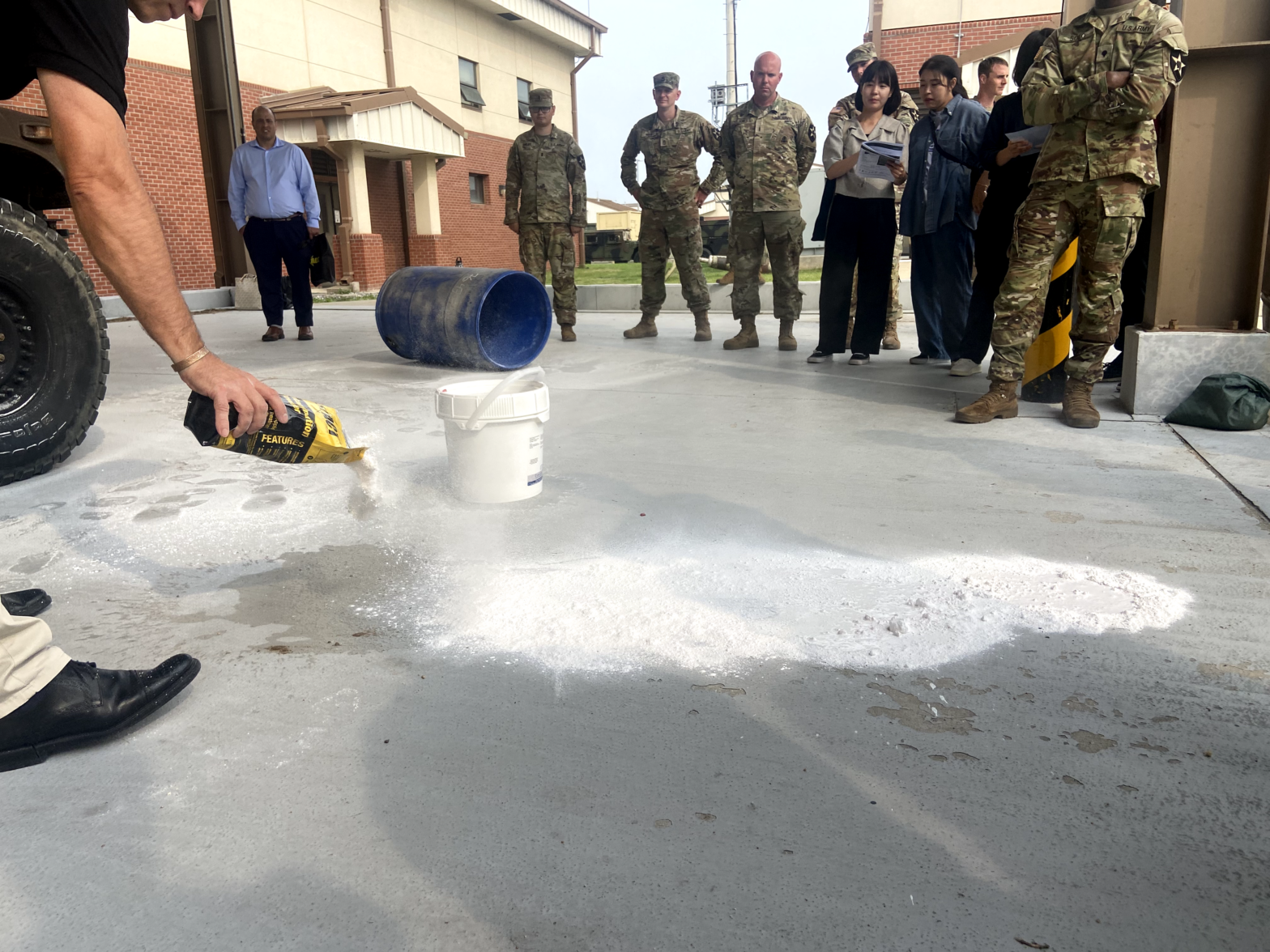
This guide breaks down cyclosarin’s chemical properties, health effects, and environmental behavior, while also showing how FAST-ACT decontamination solutions protect communities against these toxic chemicals.
Hospital Decontamination Without Compromise: Protecting Patients, Staff, and Equipment
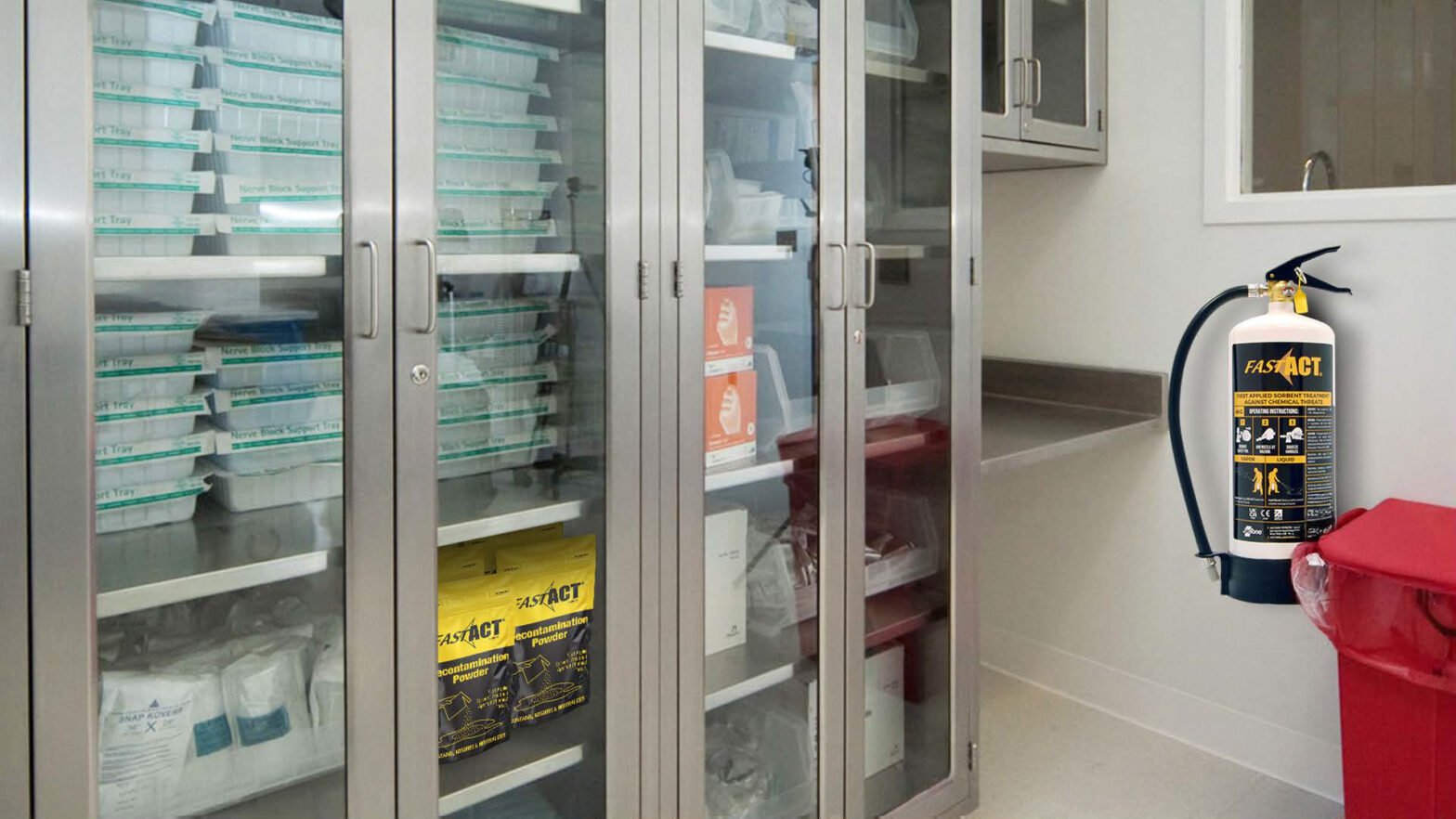
This post concludes our hospital decontamination blog series, following Part 1: Rethinking Hospital Decontamination and Part 2: Inside the Protocol: A Hospital SOP for Dry Chemical Decontamination.