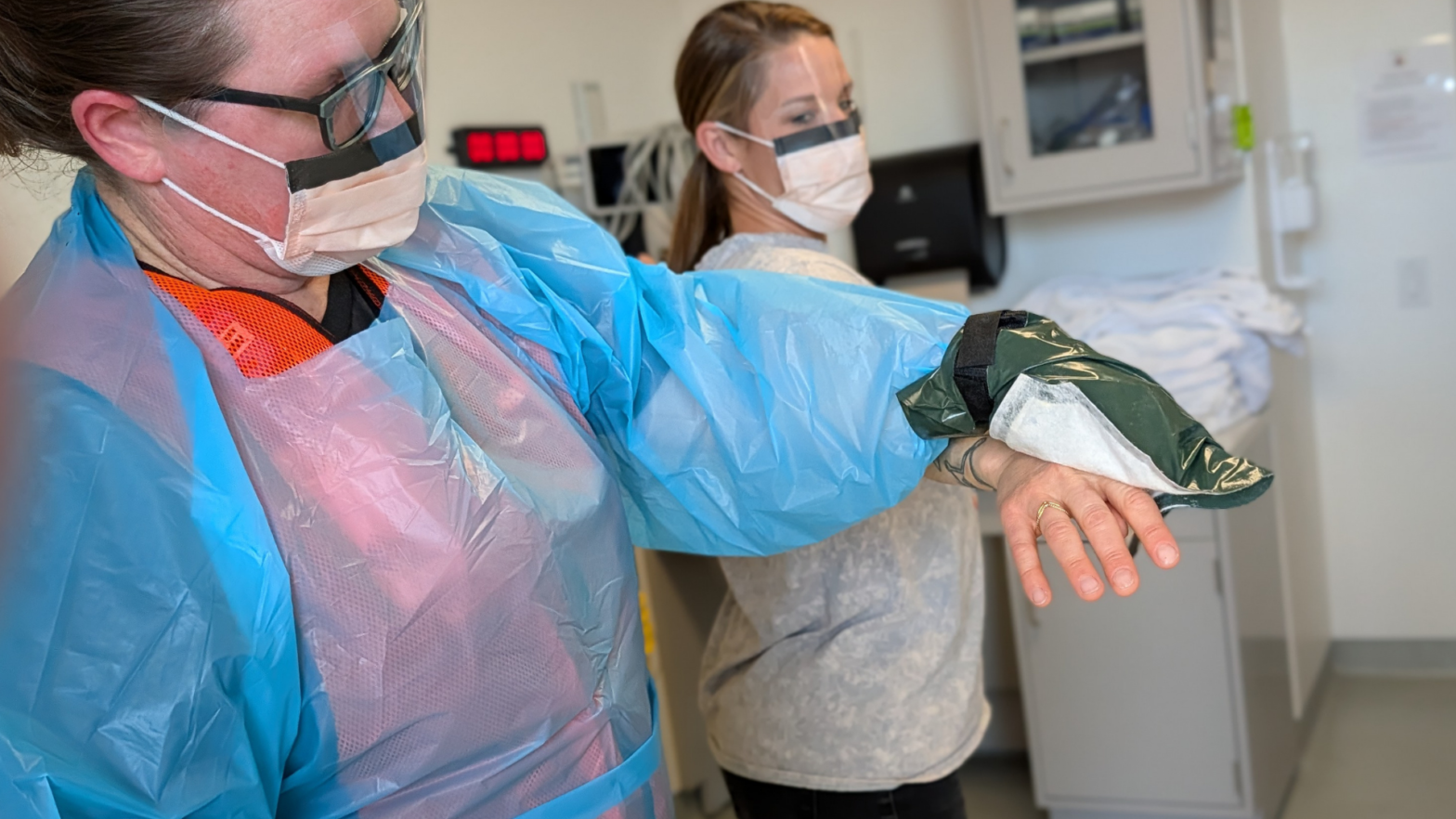
A U.S. healthcare facility demonstration highlights key gaps in hospital chemical decontamination preparedness. Learn how integrating FAST-ACT® dry decontamination supports faster response, improves safety, and strengthens overall readiness during chemical incidents.


Tag: Fast and forward decon
Common Hospital Decontamination Mistakes (And How to Avoid Them During Chemical Incidents)
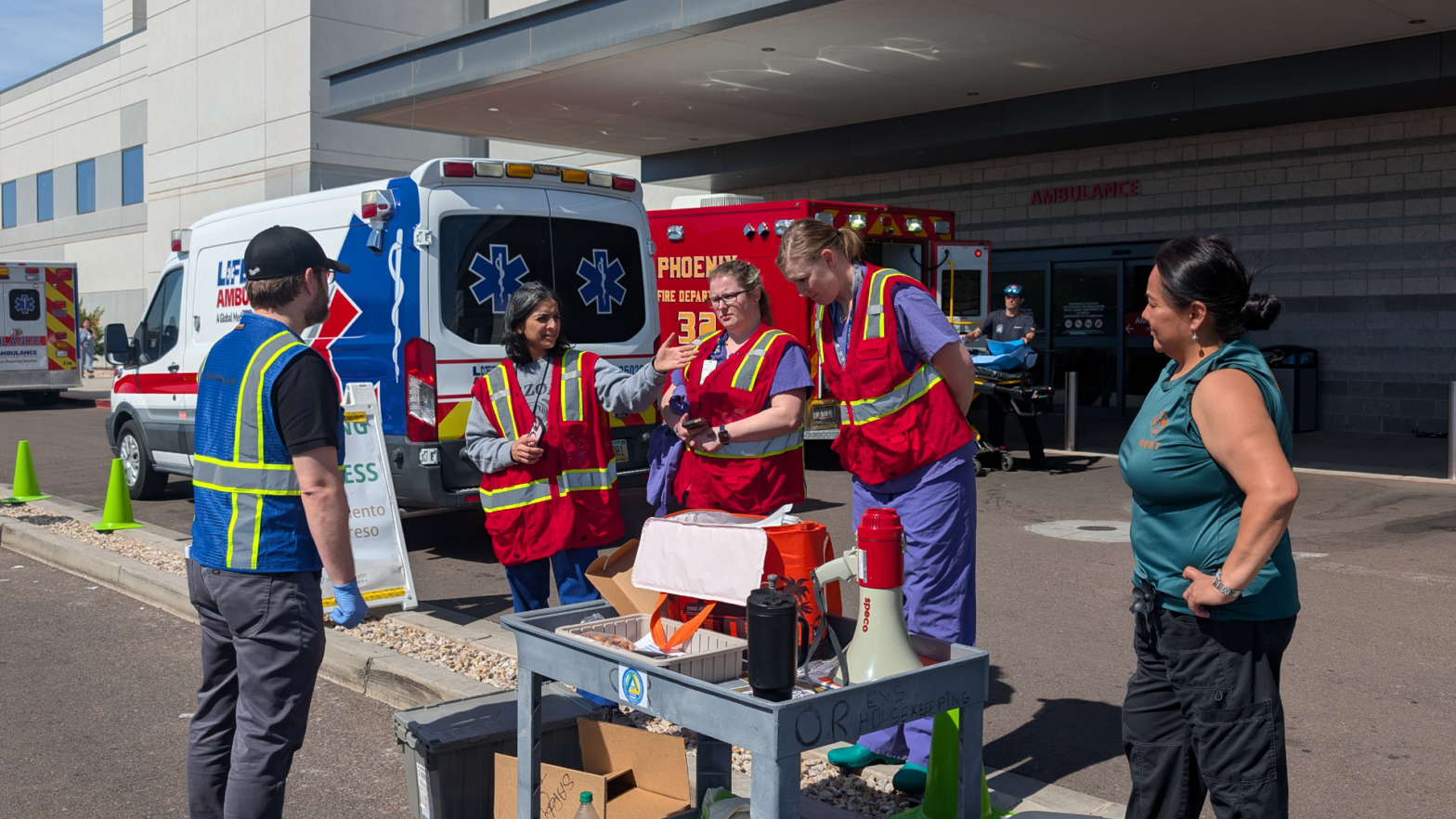
Hospitals can make critical decontamination mistakes during chemical incidents, especially in the first minutes of response. Learn how FAST-ACT® dry decontamination helps reduce risk, improve safety, and strengthen hospital preparedness.
CBRN Threat Preparedness Amid Rising Global Tensions
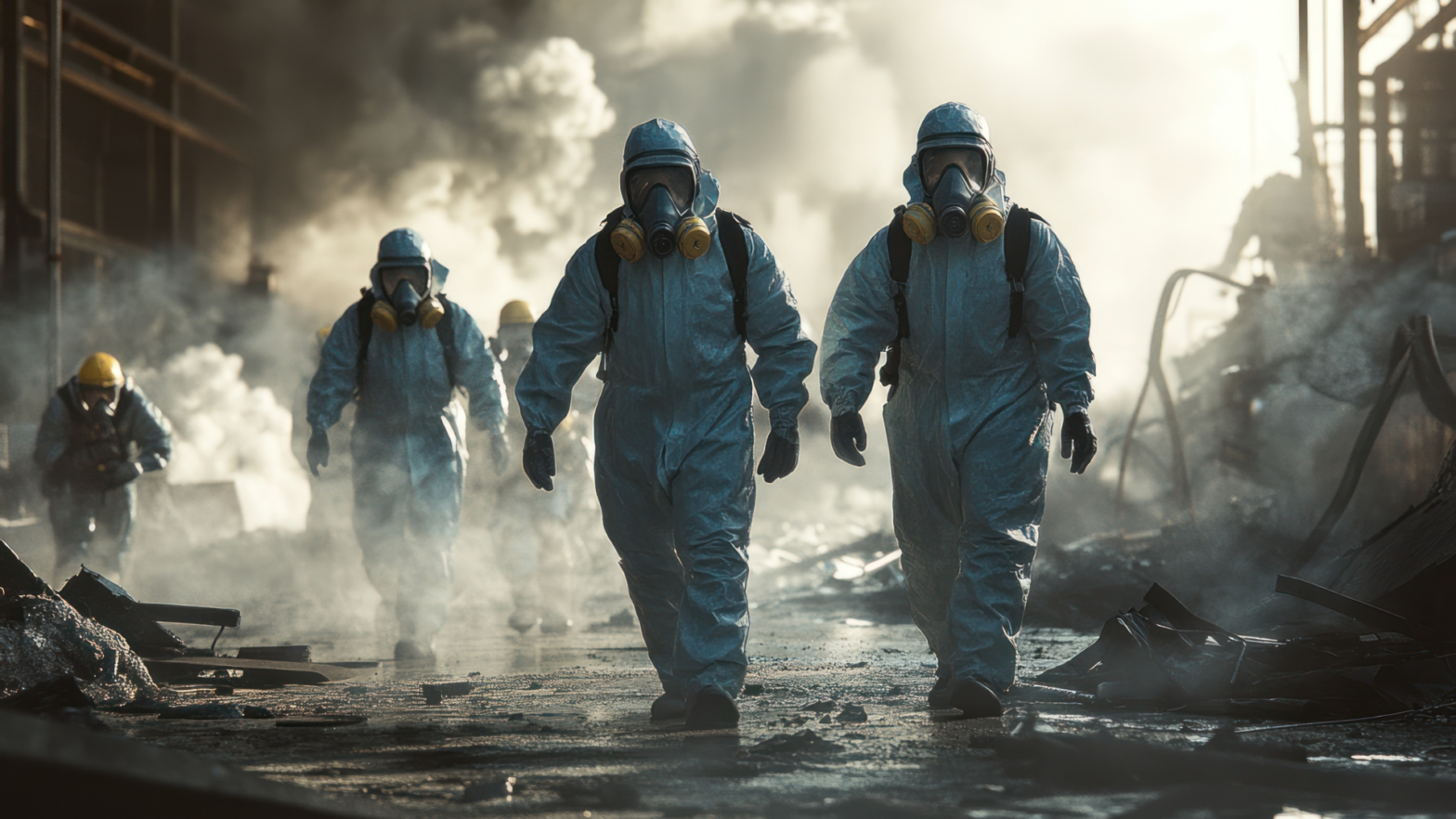
Rising global tensions are increasing awareness of CBRN threats across defense and emergency response sectors. Learn how preparedness strategies, including FAST-ACT® dry decontamination, support faster response and strengthen resilience in evolving risk environments.
Hazmat Safety at Large Events: What the Olympics and World Cup Teach Us About Preparedness

Large-scale public events create unique hazmat safety challenges in crowded environments. Learn how preparedness strategies and FAST-ACT® dry decontamination support rapid response, reduce risk, and enhance safety during high-attendance events.
Hospital Decontamination Planning: 4 Key Factors Every Facility Should Consider
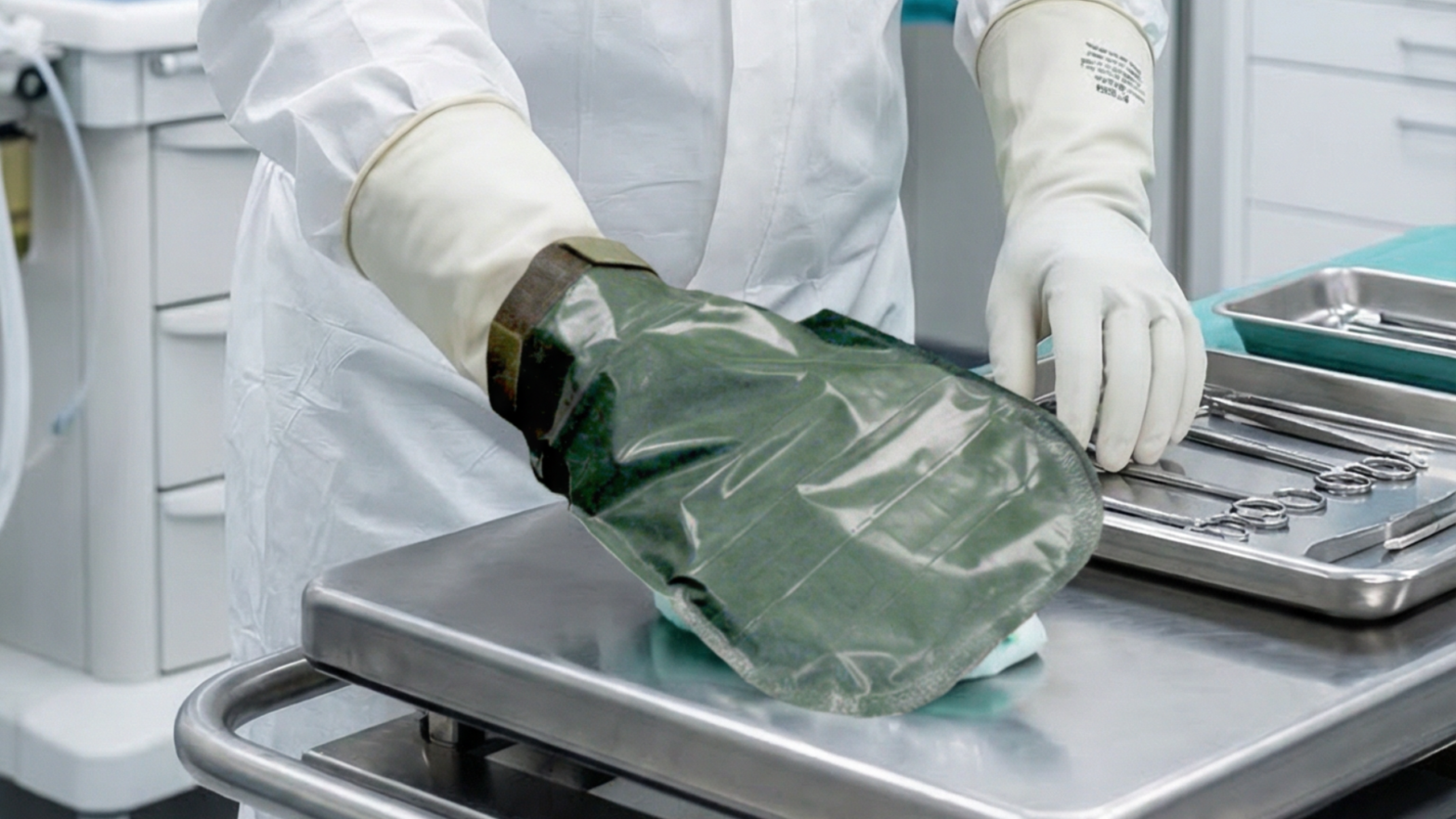
Effective hospital decontamination planning is critical for managing chemical incidents and protecting staff and patients. Learn the four key factors every facility should consider, including layout, equipment, methods, and training readiness.
Early Hospital Chemical Decontamination: How PRISM and the 15 ’til 50 Framework Help Hospitals Act in the First Minutes

Early hospital chemical decontamination is critical in the first minutes of a chemical incident. Learn how PRISM and the “15 ’til 50” framework guide rapid, scalable response and support safer patient and staff outcomes.
Top 5 Most Common Decontamination Pitfalls Between Hospitals and First Responders

Gaps between hospitals and first responders can create critical decontamination challenges during chemical incidents. Learn the five most common pitfalls and how FAST-ACT® dry decontamination helps reduce risk and strengthen response outcomes.
FAST-ACT February Highlights: Advancing Dry Decontamination Readiness Through Training and Global Engagement
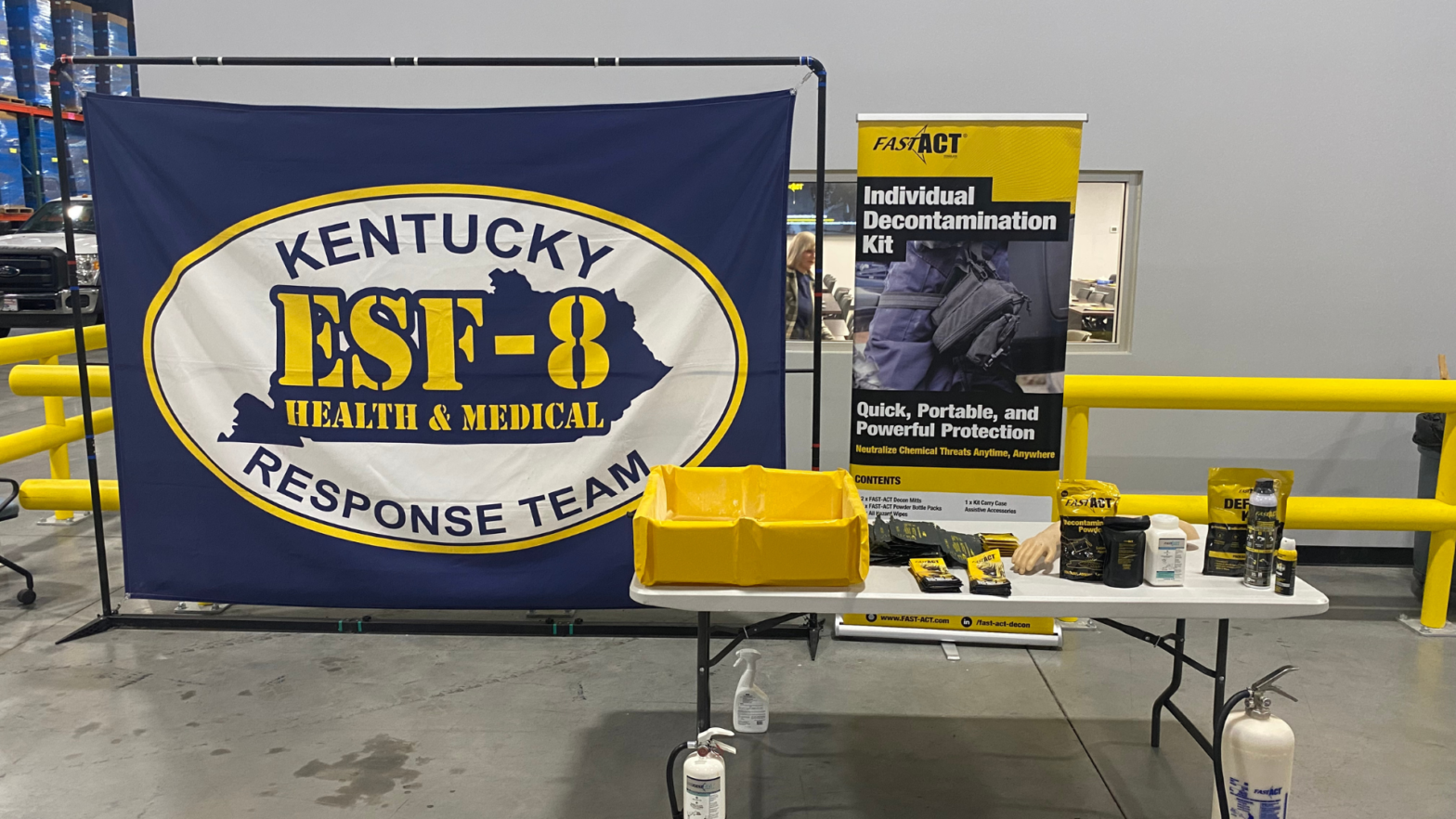
February was a strong month for FAST-ACT as our team continued supporting responder preparedness through hands-on demonstrations and international engagement.
Decontamination in High-Risk Environments: Operational Realities Across Critical Sectors
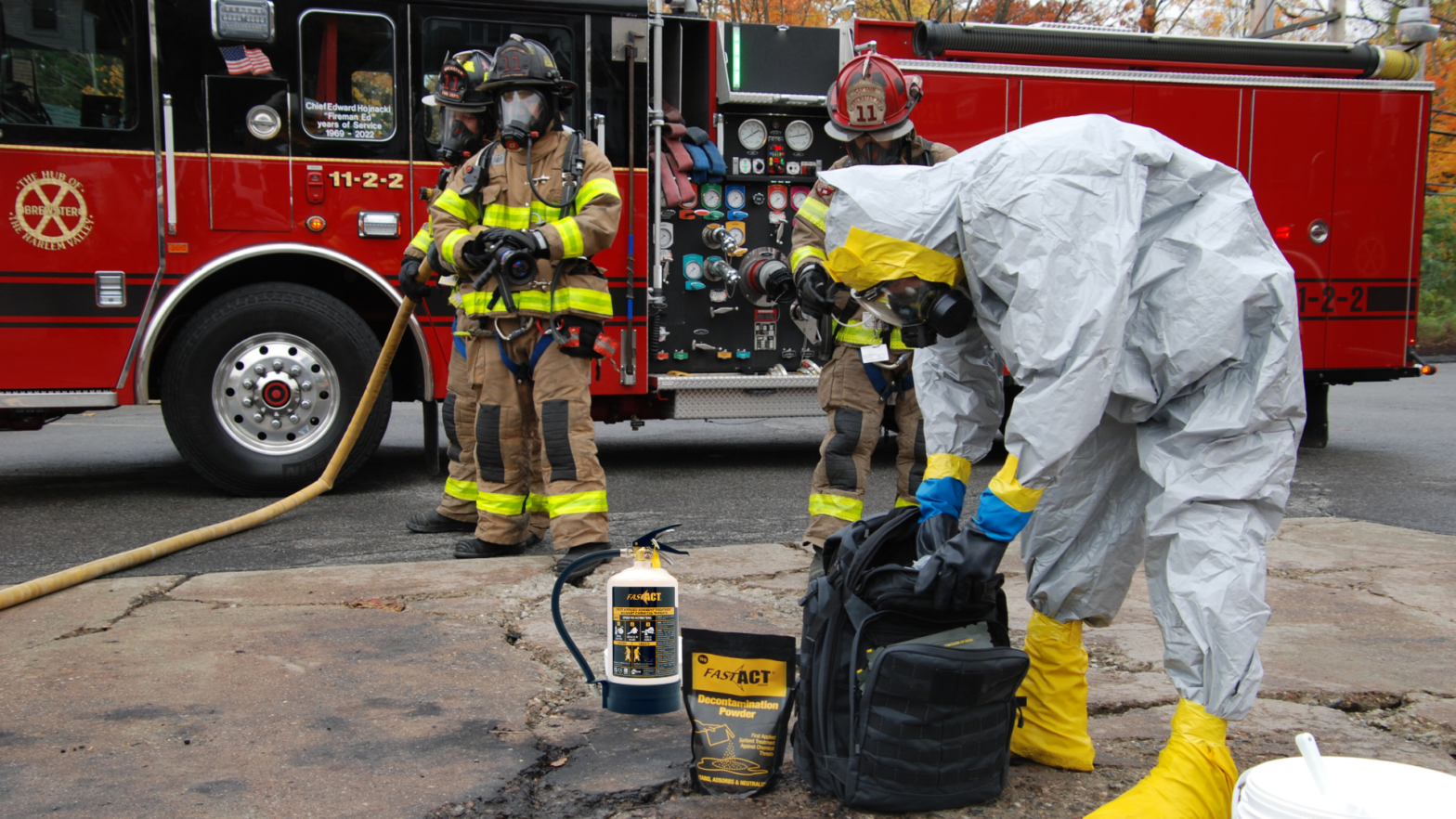
Decontamination in high-risk environments varies across sectors, each with unique operational challenges and chemical threats. Learn how FAST-ACT® dry decontamination supports rapid response, protects personnel and equipment, and maintains continuity in critical operations.
Dry Decontamination in Cold Weather: Managing Chemical and Vapor Hazards When Temperatures Drop
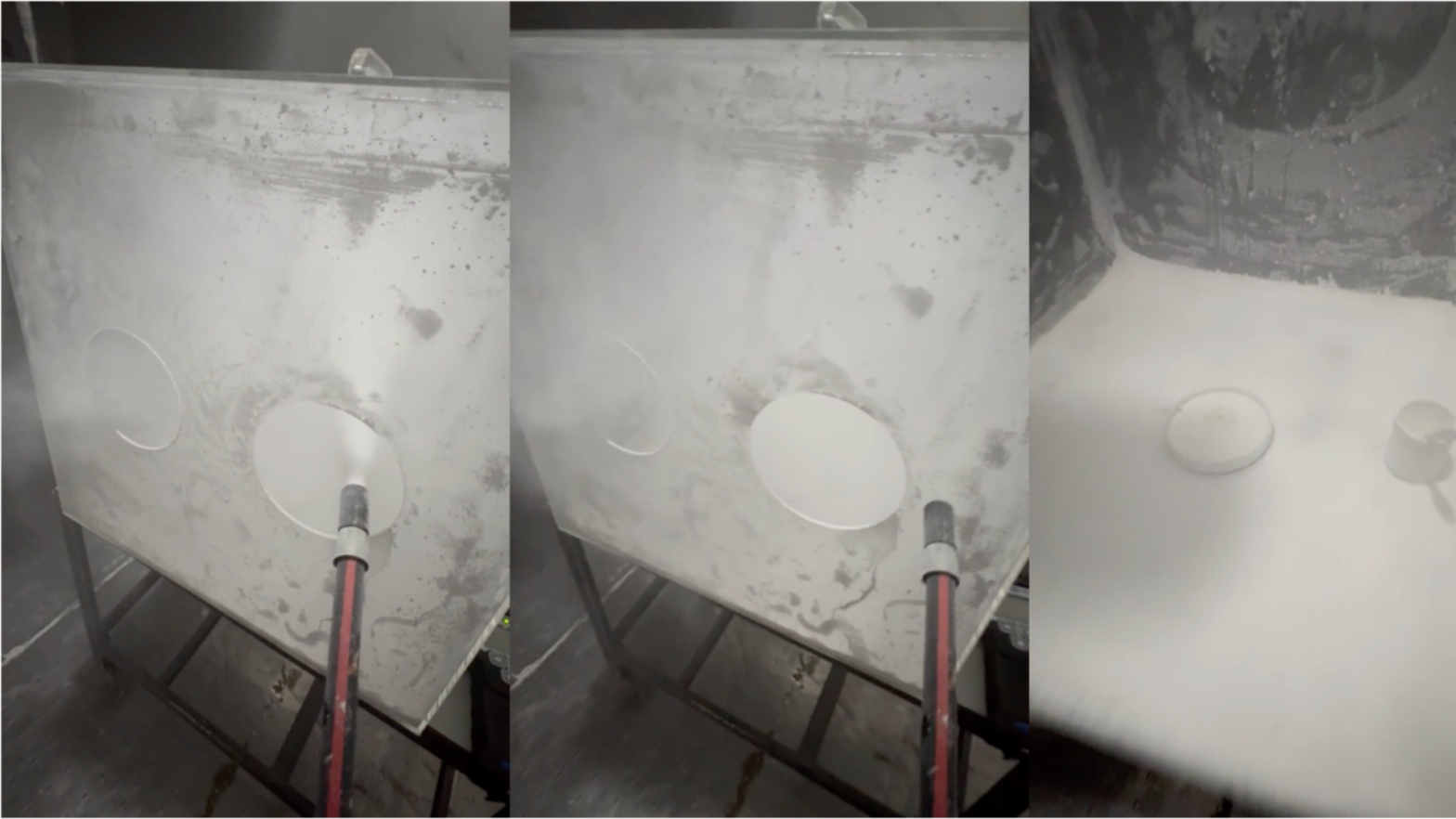
Cold weather creates significant challenges for chemical and vapor decontamination, especially when traditional methods fail. Learn how FAST-ACT® dry decontamination supports rapid response, remains effective in freezing conditions, and improves safety in extreme environments.