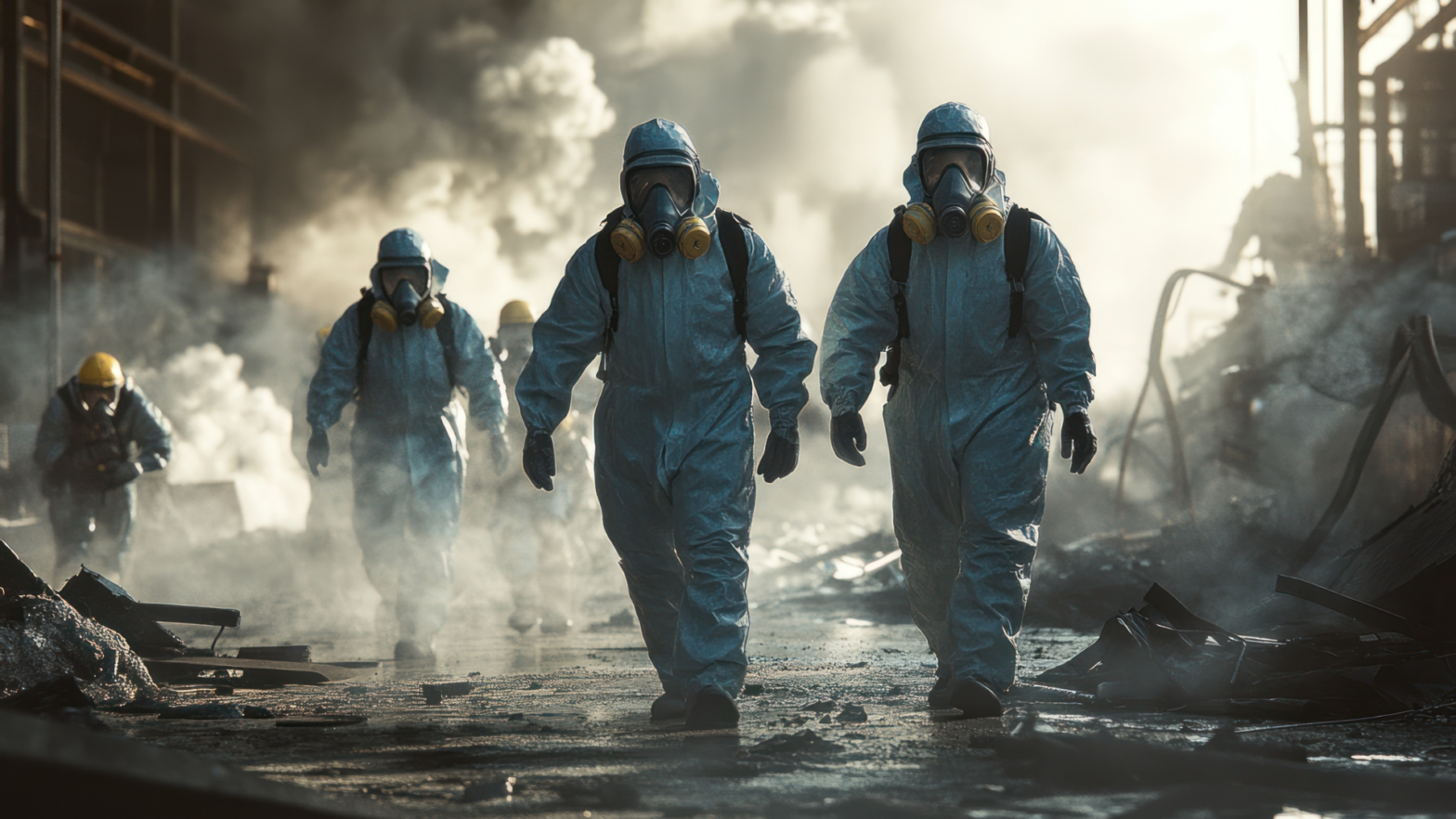
Recent military exchanges involving Iran, Israel, and the United States — including missile strikes and retaliatory actions — have increased instability across parts of the Middle East. Public reporting from NBC News and the BBC describes expanding cross-border activity and heightened military alert levels. As tensions rise, defense sectors reinforce preparedness across the full Chemical – Biological – Radiological – Nuclear (CBRN) spectrum to ensure readiness against both conventional and unconventional threats.


Tag: hazardous gas exposure
DOT HazMat Inspection Priorities: What PHMSA’s New Focus Means for Hazardous Materials Transport
This blog summarizes what was shared publicly through HazmatNation and provides operational context based on FAST-ACT’s experience supporting emergency preparedness and response across transportation, industrial, and healthcare environments.
How Global Defense Investments Signal a Growing Need for Advanced Chemical Response Readiness

As nations increase defense funding and expand industrial production capacity, one reality is becoming clearer: modern threats require stronger advanced chemical response readiness across military forces, emergency responders, hospitals, and industrial sectors. The European Parliament’s approval of its first-ever defense industry program—aimed at boosting continental manufacturing and rapid-response capability—illustrates a global shift toward addressing evolving… Continue reading How Global Defense Investments Signal a Growing Need for Advanced Chemical Response Readiness
National Environmental Awareness Month: Strengthening Environmental Chemical Hazard Response Across Industrial Operations

This blog will cover how key industries—including mining, oil and gas, environmental remediation, and battery manufacturing—manage chemical hazards and strengthen their emergency response capabilities for National Environmental Awareness Month.
Understanding Lithium-Ion Battery Chemical Hazards: What Recent Incidents Teach Us About Preparedness

This blog explores why battery failure produces dangerous hazardous fumes, how these events escalate into hazardous areas, and why emergency response personnel need fast, water-free neutralization methods to reduce chemical exposure.
Safe Hazardous Package Handling: Lithium, Opioids, and Chemical Spill Response
While campaigns like USPS Hazmat Awareness Month help reinforce safety practices, incidents related to hazardous package handling can happen at any time of the year, from chemical spills to opioid exposure or lithium battery leaks.
Ensuring employee safety requires a combination of awareness, proper handling protocols, and practical chemical decontamination tools that can neutralize threats quickly.
When Seconds Matter: Lessons in Chemical Incident Preparedness from the Tennessee Explosion
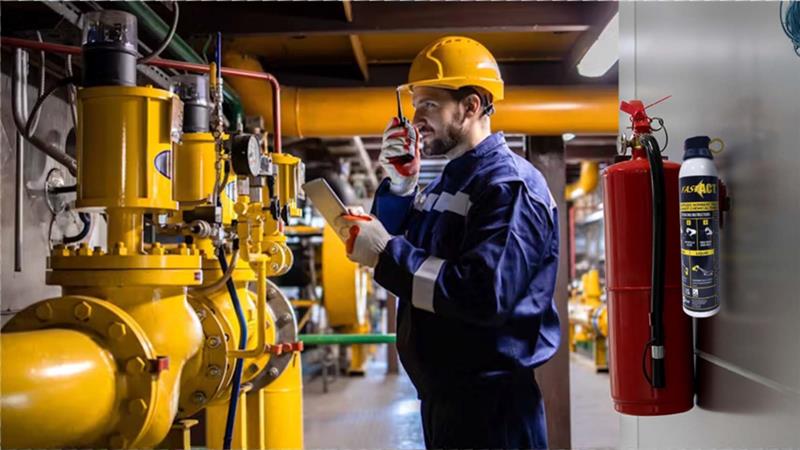
The U.S. Chemical Safety Board (CSB) has launched an investigation into the October 10, 2025 explosion at Accurate Energetic Systems in McEwen, Tennessee, where 24,000–28,000 pounds of explosive material detonated, killing 16 workers and damaging the industrial chemical facility. Early findings suggest the blast began during heating operations and triggered secondary detonations in nearby storage areas. The incident underscores the ongoing need for robust chemical safety measures, emergency planning, and readiness for large-scale chemical incidents.
Eyes on the Zone: Securing FIFA 2026 Fan Areas Against Emerging CBRN Threats
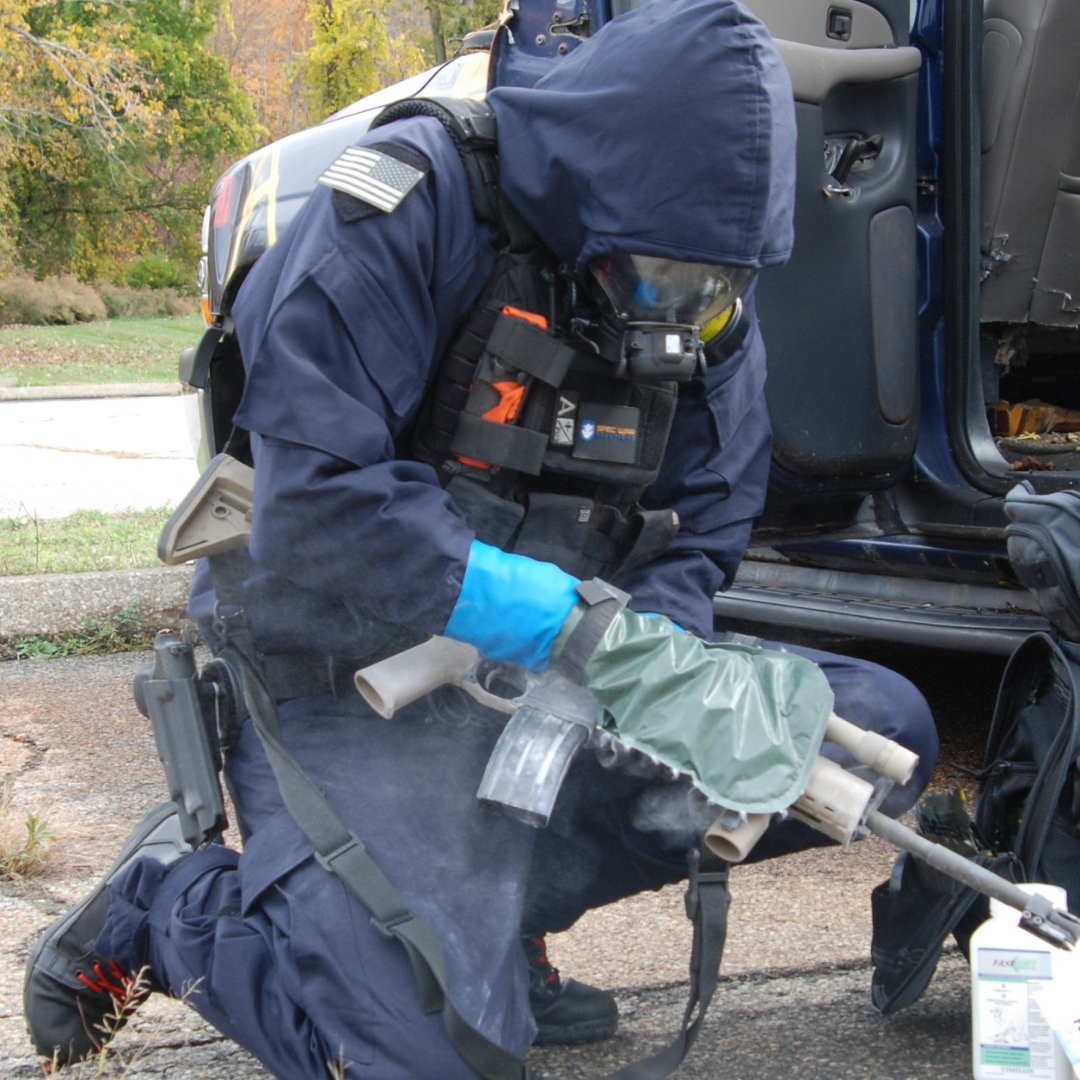
This blog will cover how Emergency Response Teams, security sector professionals, and regional governments can integrate dry decontamination technologies and vapor threat neutralization strategies into their event playbooks to ensure safe, efficient, and scalable response to Chemical Warfare Agents, Biological attacks, terror incidents, or lithium-ion battery fires that may arise in high-density environments.
The Rise of Electric Vehicles Fires and Effective PPE Decontamination for First Responders

As electric vehicles (EVs) become increasingly prevalent, first responders face new challenges associated with lithium-ion battery fires.