Lithium-ion battery incidents highlight evolving chemical hazards, including toxic gases, fires, and re-ignition risks. Understanding these threats is critical to improving preparedness, strengthening response strategies, and protecting responders and communities from emerging energy-related hazards.


Month: November 2025
FAST-ACT November Event Highlights: Advancing CBRN Readiness Across the Nation
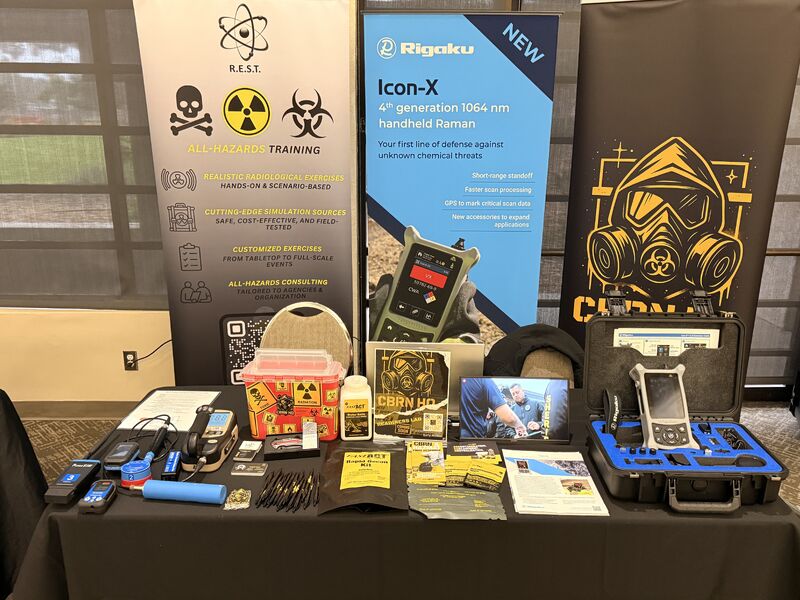
November event highlights showcase FAST-ACT®’s role in advancing CBRN readiness through nationwide training, demonstrations, and collaboration. These engagements strengthen coordination, improve operational preparedness, and support more effective response across emergency and defense sectors.
Safe Hazardous Package Handling: Lithium, Opioids, and Chemical Spill Response
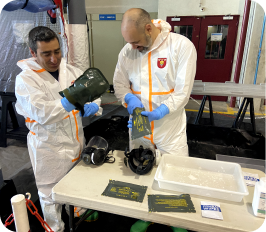
Hazardous package handling incidents involving lithium batteries, opioids, and chemical spills can occur unexpectedly across transport environments. Effective safety depends on proper protocols, hazard awareness, and rapid response measures to reduce exposure risks.
When Seconds Matter: Lessons in Chemical Incident Preparedness from the Tennessee Explosion
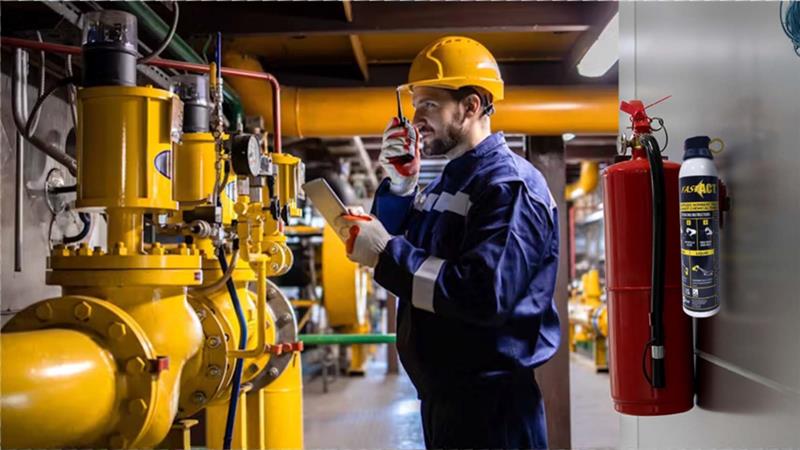
The Tennessee explosion highlights how quickly chemical incidents can escalate, causing widespread damage and loss of life. These events reinforce the need for immediate response, effective containment, and preparedness strategies to reduce risk and improve outcomes.
Why Combined Wet and Dry Decontamination Is the New Gold Standard for Hospital Emergency Preparedness
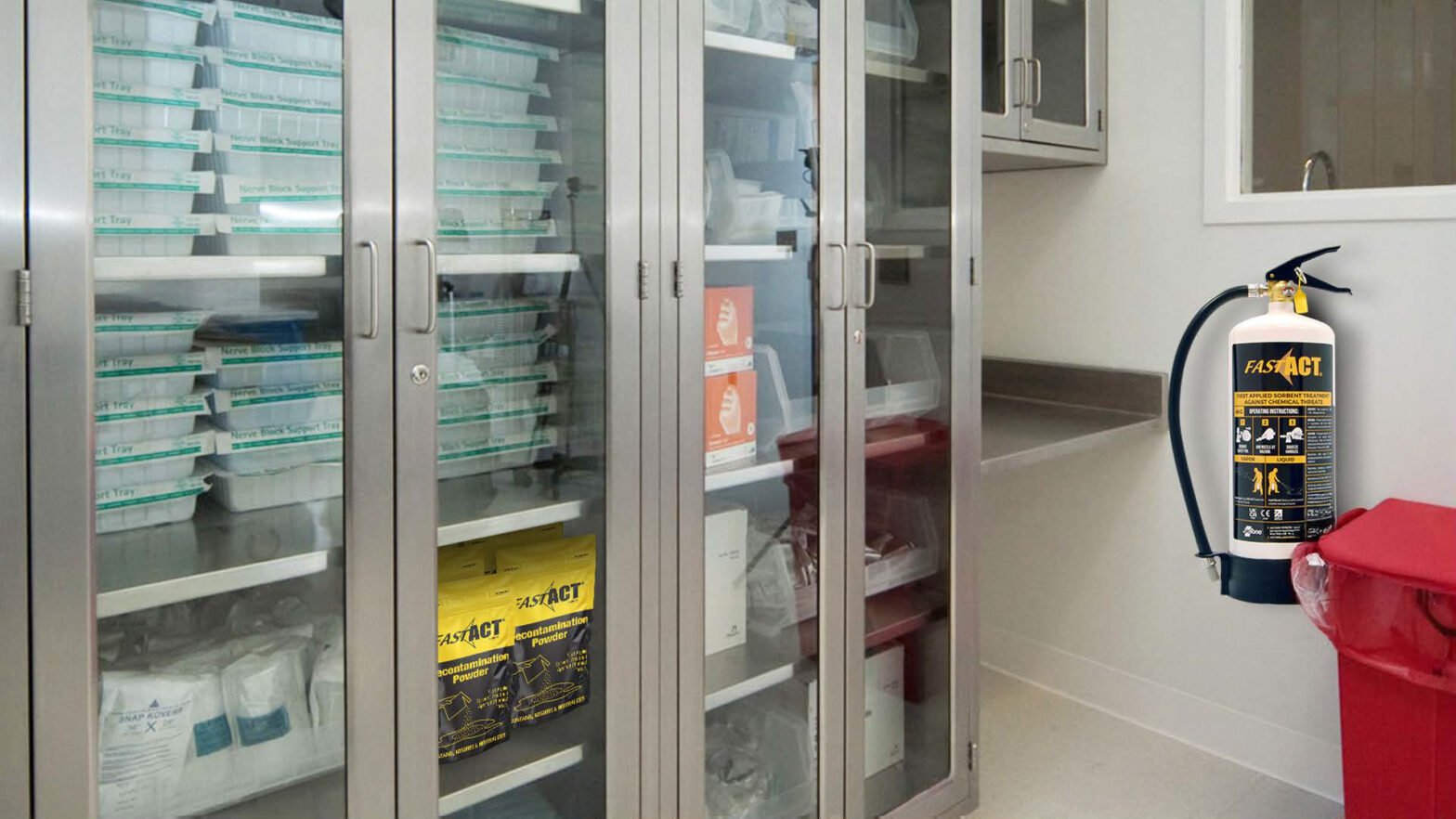
Combining wet and dry decontamination improves hospital response by addressing a wider range of chemical hazards. This integrated approach enhances speed, reduces exposure risks, and supports more effective patient care during complex incidents.