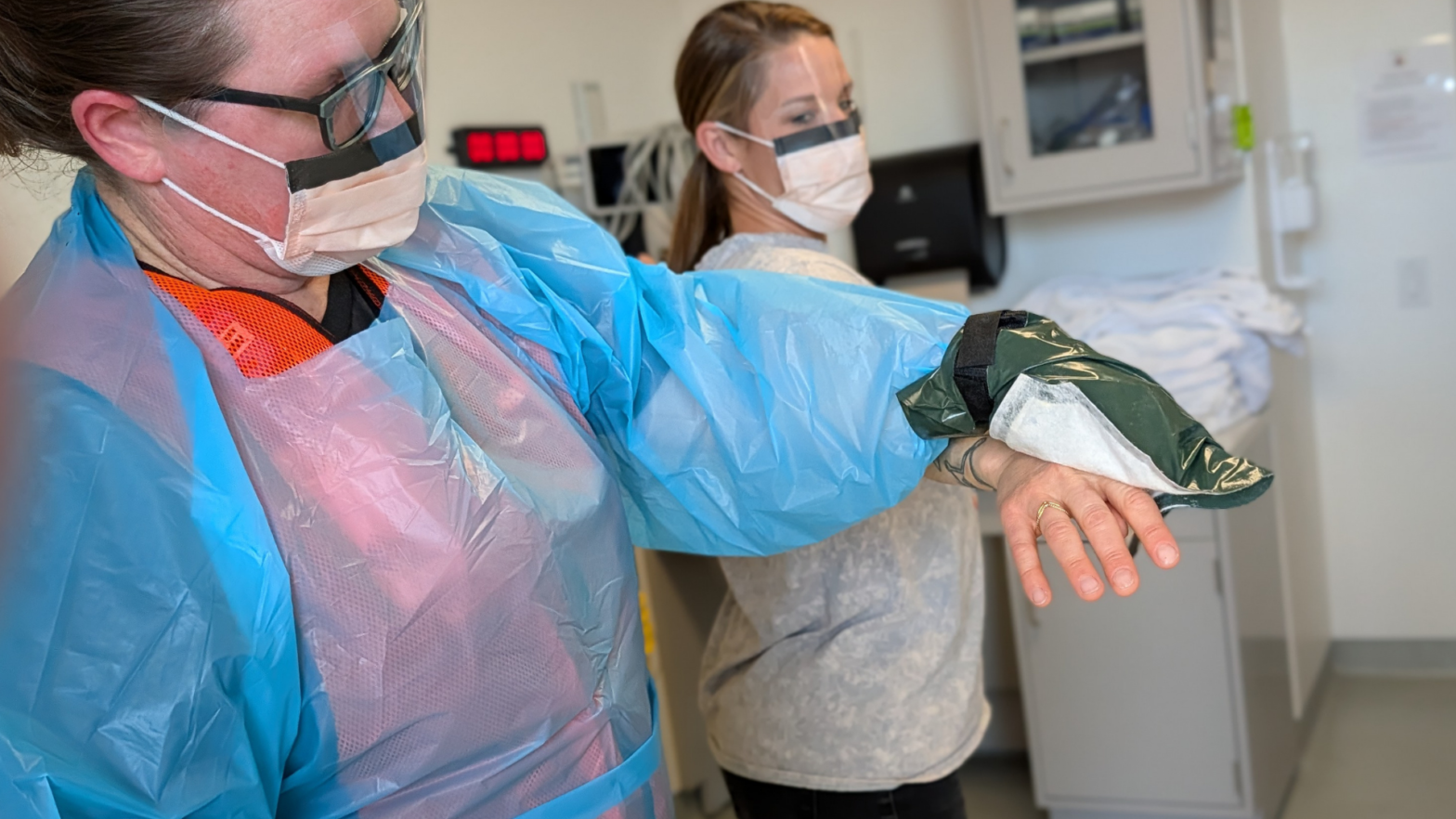
A U.S. healthcare facility demonstration highlights key gaps in hospital chemical decontamination preparedness. Learn how integrating FAST-ACT® dry decontamination supports faster response, improves safety, and strengthens overall readiness during chemical incidents.


Tag: FAST-ACT decontamination of sensitive equipment
Common Hospital Decontamination Mistakes (And How to Avoid Them During Chemical Incidents)
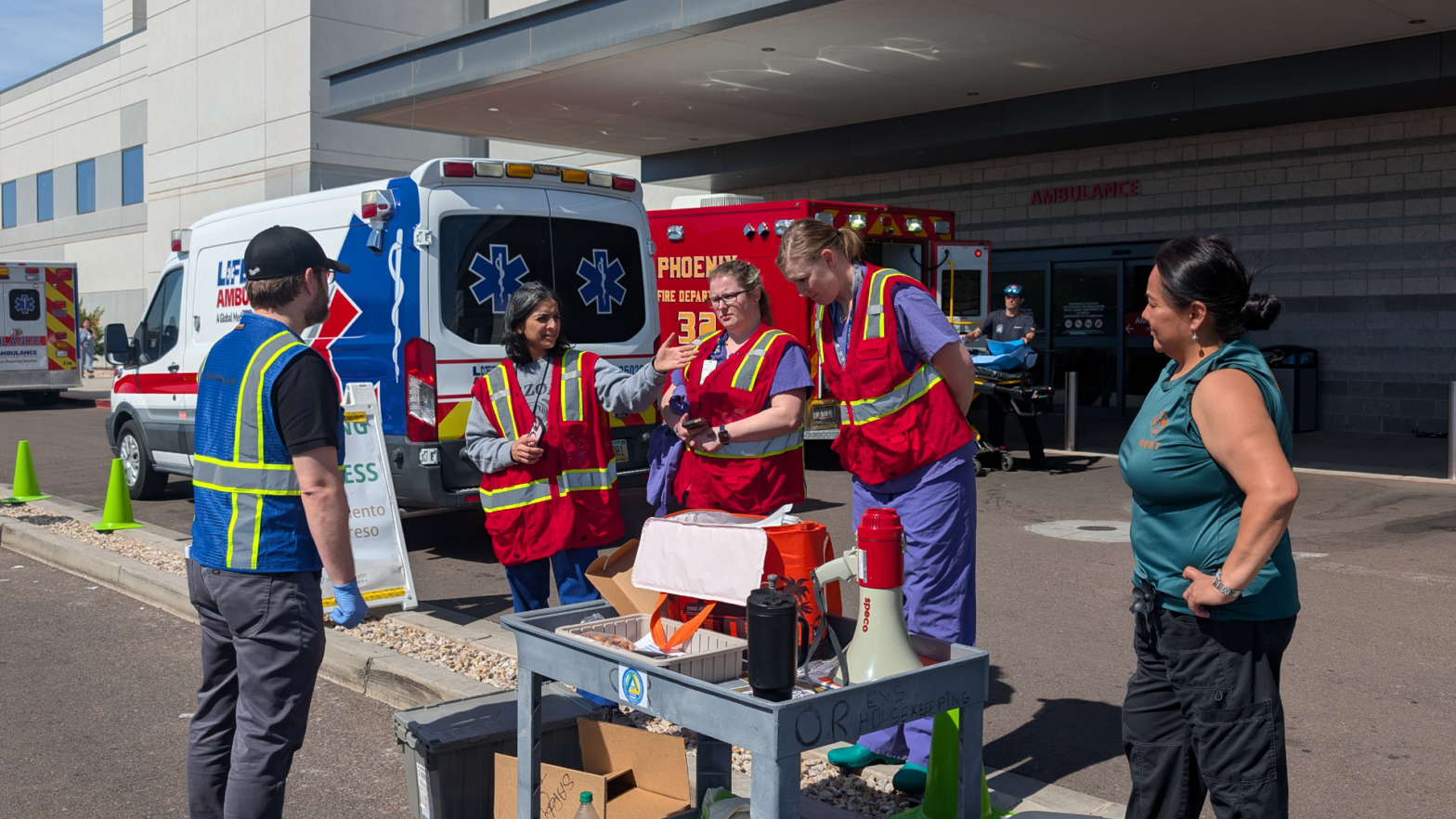
Hospitals can make critical decontamination mistakes during chemical incidents, especially in the first minutes of response. Learn how FAST-ACT® dry decontamination helps reduce risk, improve safety, and strengthen hospital preparedness.
CBRN Threat Preparedness Amid Rising Global Tensions
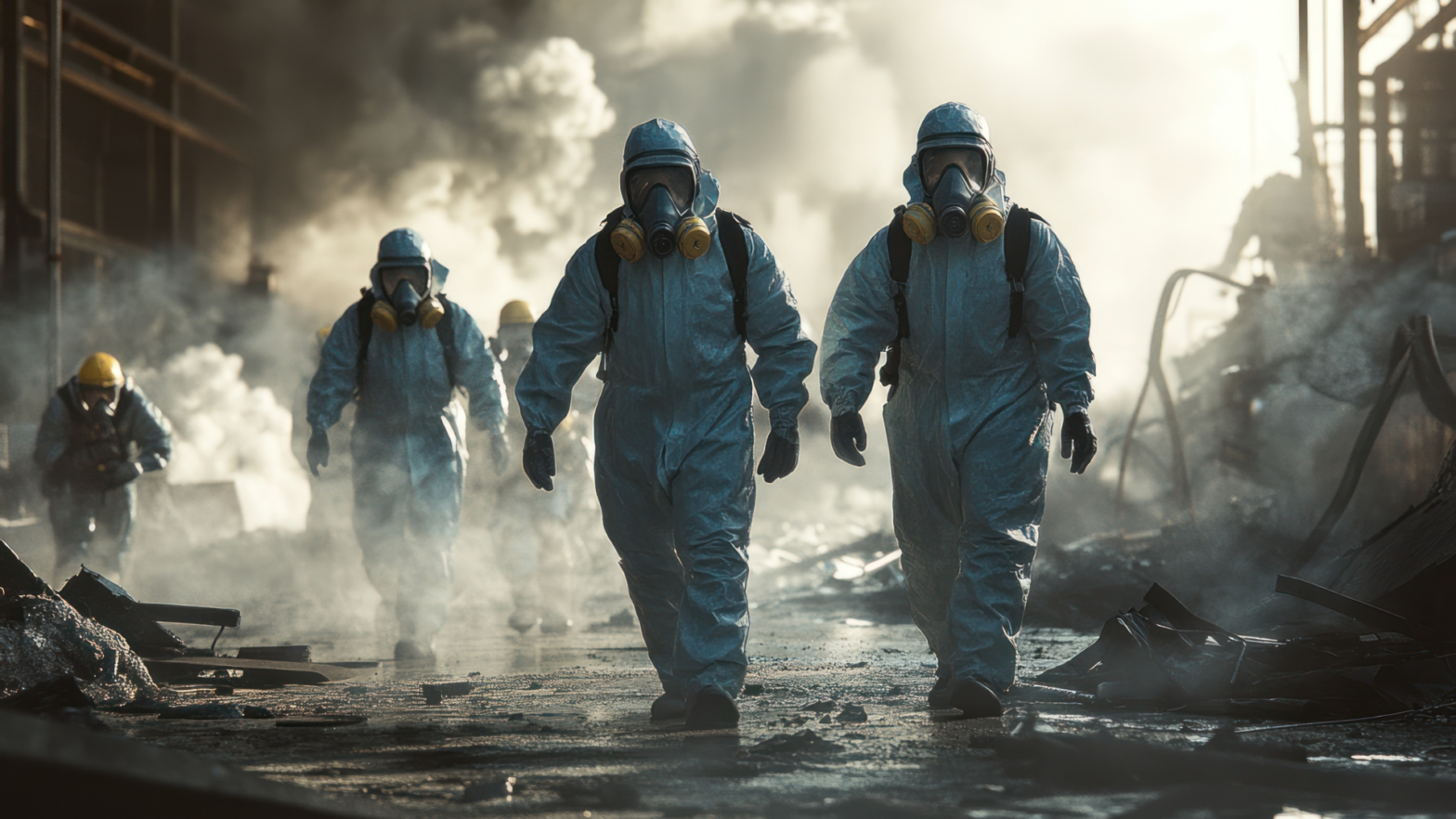
Rising global tensions are increasing awareness of CBRN threats across defense and emergency response sectors. Learn how preparedness strategies, including FAST-ACT® dry decontamination, support faster response and strengthen resilience in evolving risk environments.
Dry Decontamination in Cold Weather: Managing Chemical and Vapor Hazards When Temperatures Drop
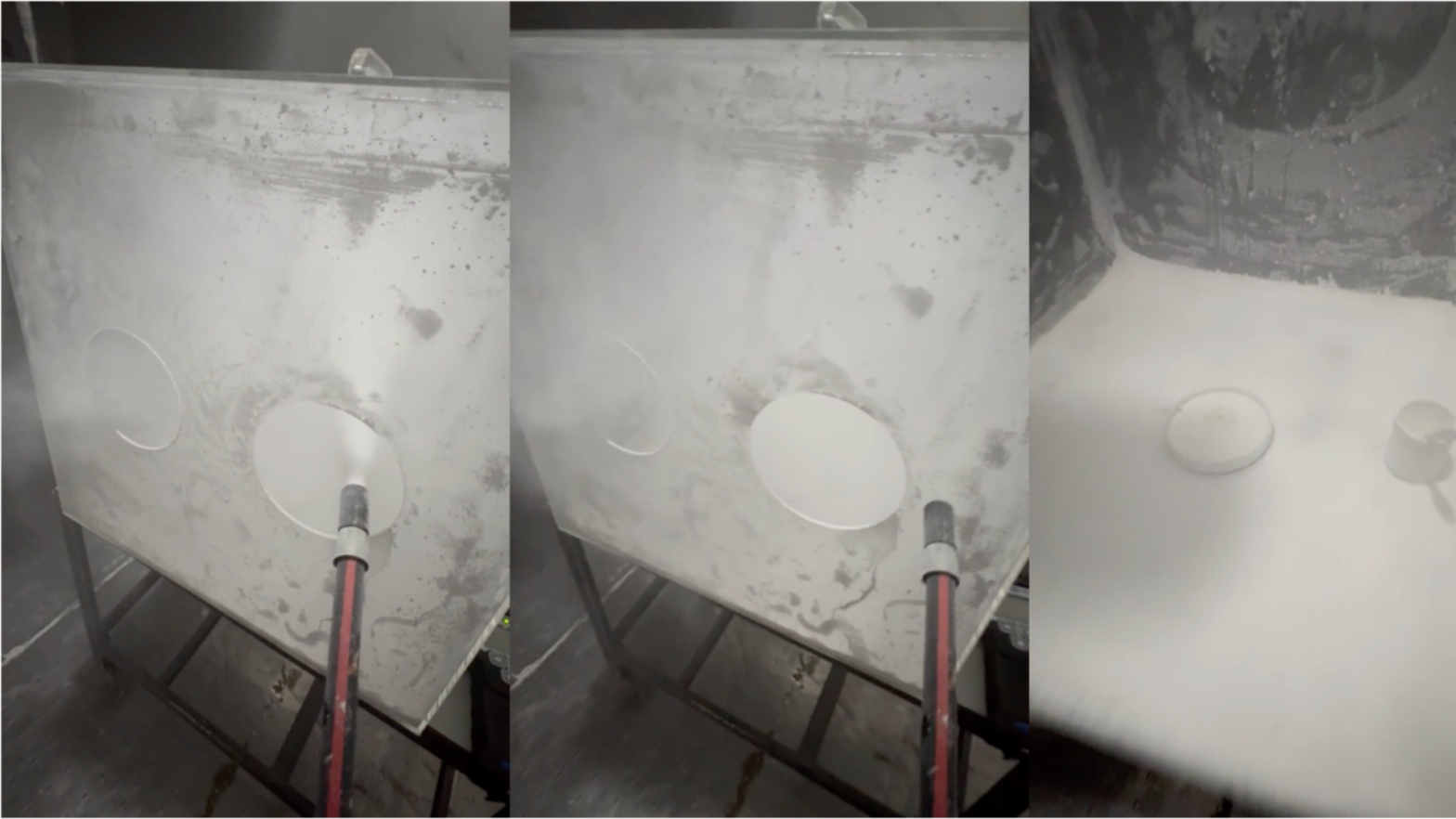
Cold weather creates significant challenges for chemical and vapor decontamination, especially when traditional methods fail. Learn how FAST-ACT® dry decontamination supports rapid response, remains effective in freezing conditions, and improves safety in extreme environments.
What Is Your Unidentified Hazardous Materials Response Strategy?

Unidentified hazardous materials present immediate risks when response strategies are unclear or delayed. Learn how FAST-ACT® dry decontamination supports rapid assessment, reduces exposure, and strengthens response effectiveness when managing unknown chemical threats.
Hospital Chemical Decontamination Readiness: Why Many Facilities Are Still Unprepared

Hospitals face ongoing gaps in chemical decontamination preparedness, including limitations in infrastructure, training, and rapid response capabilities. Addressing these challenges is critical to improving safety, reducing exposure risks, and strengthening overall emergency readiness.
Safe Hazardous Package Handling: Lithium, Opioids, and Chemical Spill Response
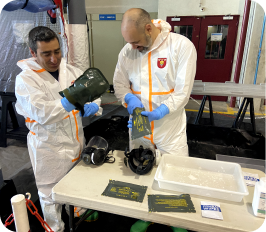
Hazardous package handling incidents involving lithium batteries, opioids, and chemical spills can occur unexpectedly across transport environments. Effective safety depends on proper protocols, hazard awareness, and rapid response measures to reduce exposure risks.
Eyes on the Zone: Securing FIFA 2026 Fan Areas Against Emerging CBRN Threats
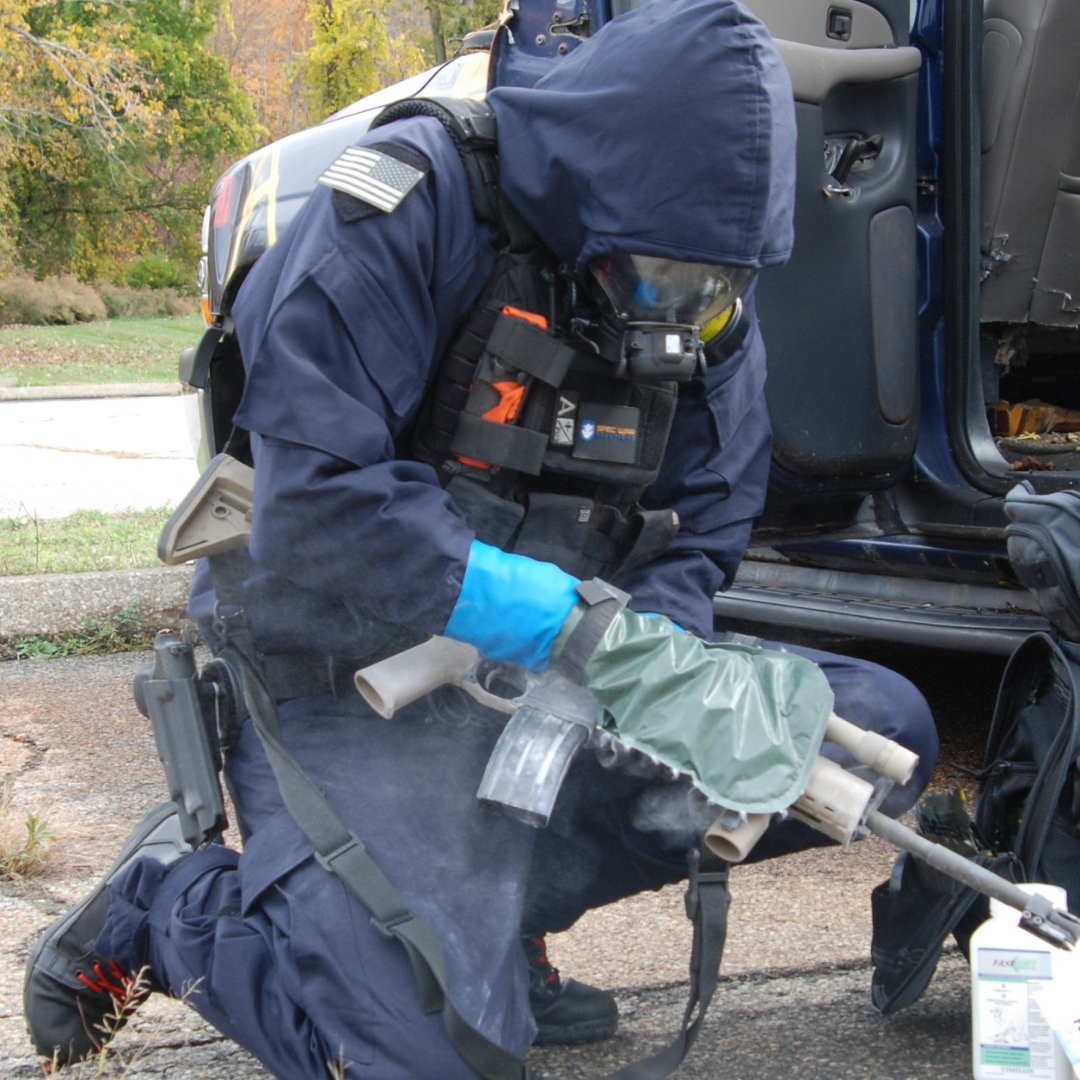
Securing FIFA 2026 requires coordinated planning to address complex CBRN and large-scale event risks. Effective strategies focus on multi-agency collaboration, rapid response capabilities, and scalable solutions to protect fans, infrastructure, and host cities.
FAST-ACT Dry Decontamination Demo Strengthens Chemical Response Readiness in Dallas, TX
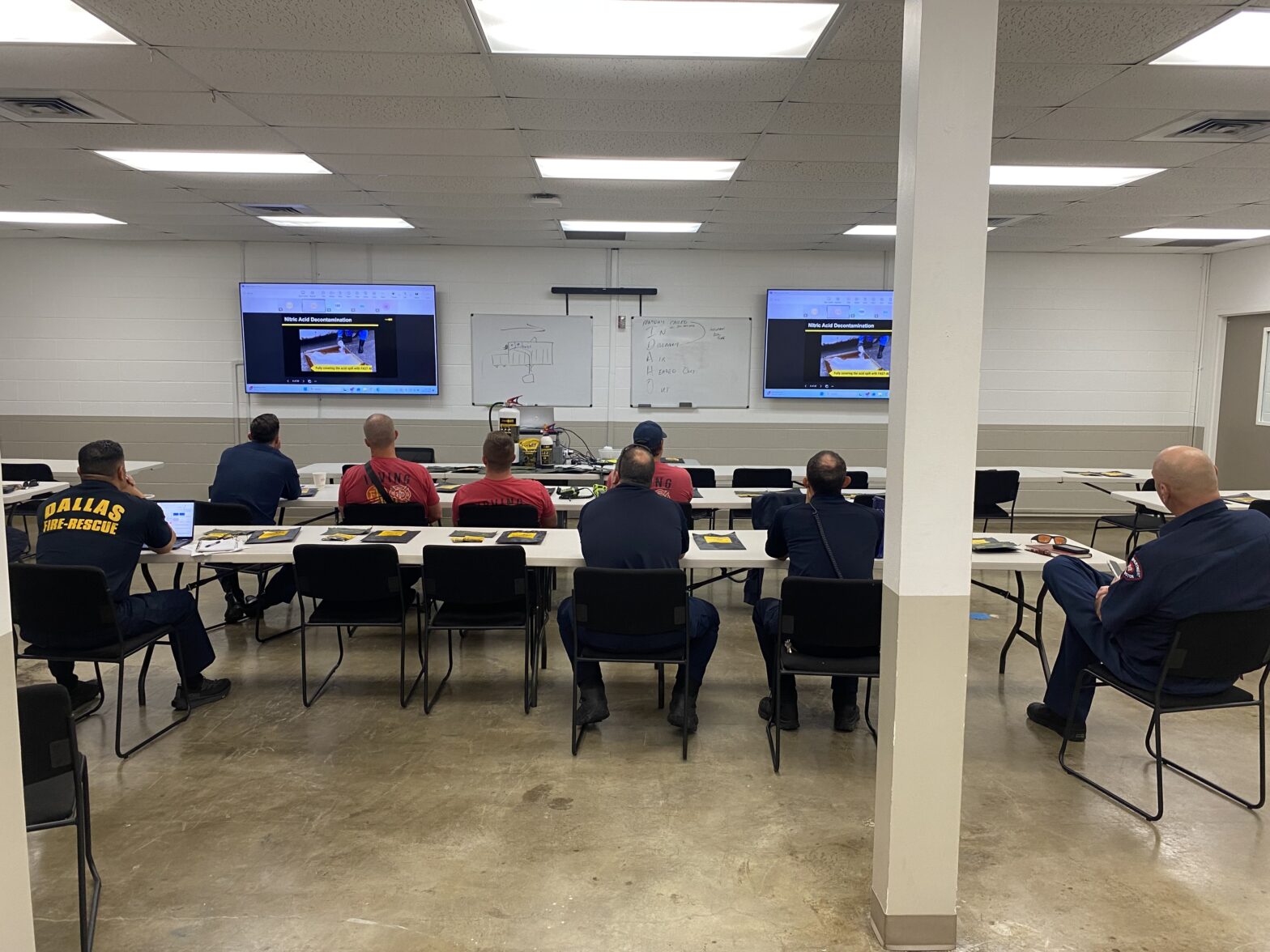
FAST-ACT conducted a live dry decontamination demonstration with the Dallas Fire Department and multiple Dallas-area agencies, showcasing how first responders can rapidly and safely neutralize chemical threats using FAST-ACT technology.
Hospital Dry Decontamination: A Faster, More Efficient Approach to Emergency Response
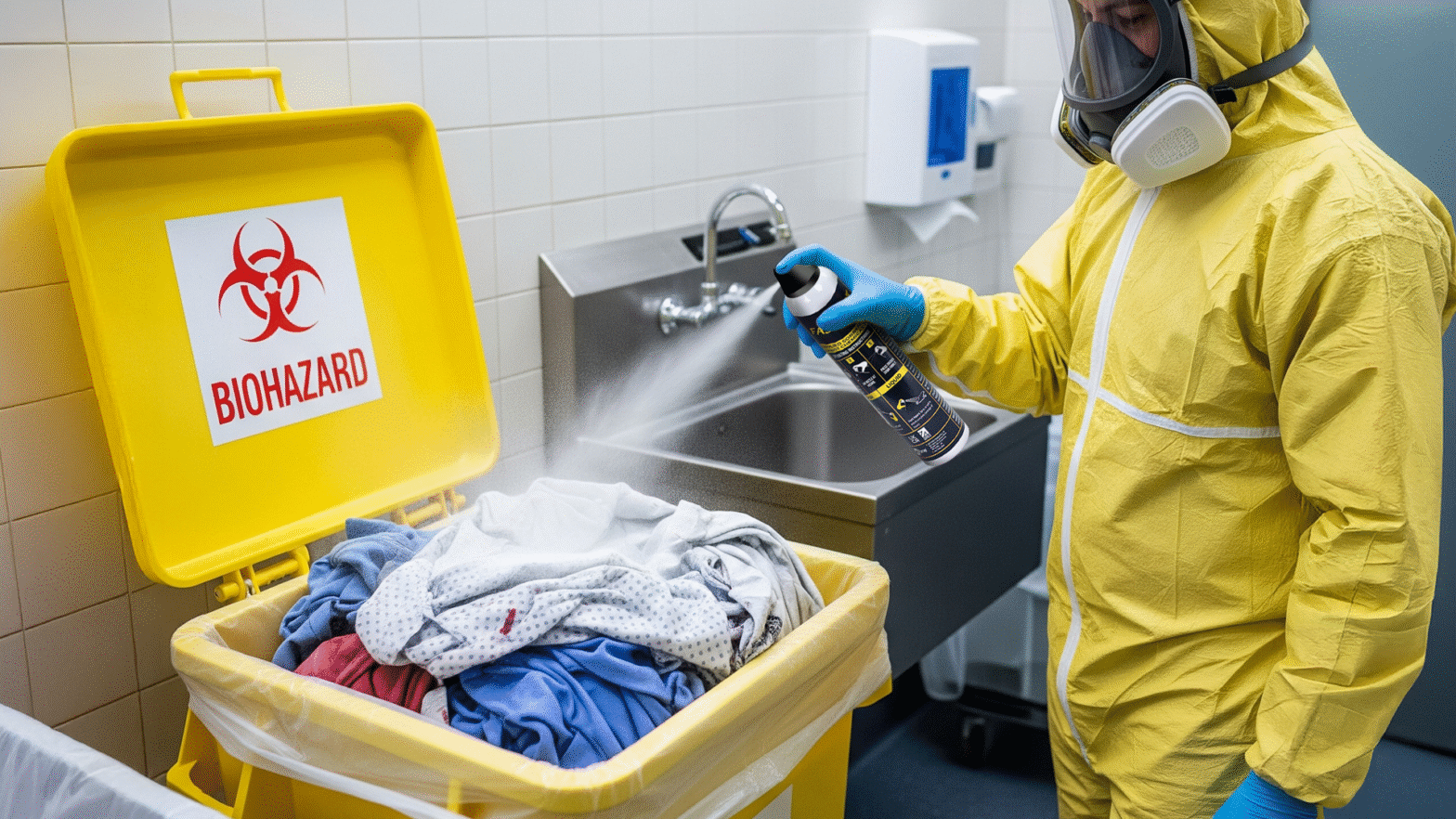
Hospital dry decontamination enables faster emergency response by eliminating delays associated with traditional water-based systems. This approach improves efficiency, reduces resource demands, and supports safer patient and staff management during chemical incidents.