
From opening ceremonies to packed stadiums and global audiences, major public events like the Olympic Games and the 2026 FIFA World Cup present extraordinary opportunities—and unique safety challenges. One of those challenges is ensuring hazmat safety at large events, particularly in crowded environments, where hazardous materials incidents, infrastructure failures, or intentional threats could pose serious risks.


Tag: Fentanyl Decontamination
Fentanyl Decontamination and Responder Safety: Why Federal Designation Matters for First Responders
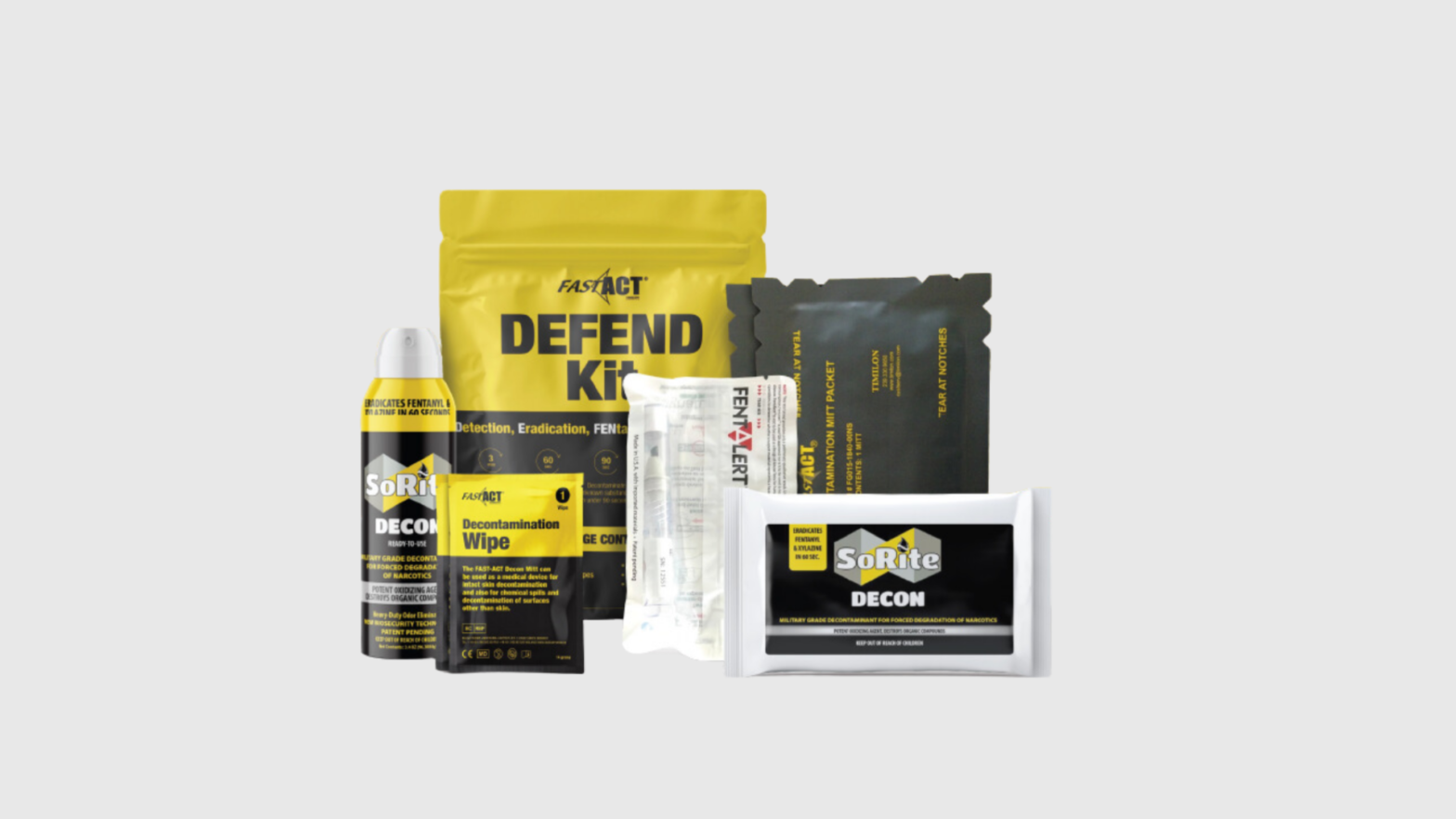
In December 2025, the White House issued an executive order designating illicit fentanyl and its core precursor chemicals as a weapon of mass destruction (WMD). This designation reflects a growing federal acknowledgment that fentanyl is not only a driver of the opioid crisis, but also a serious hazardous materials threat to first responders, including law enforcement, fire,… Continue reading Fentanyl Decontamination and Responder Safety: Why Federal Designation Matters for First Responders
Safe Hazardous Package Handling: Lithium, Opioids, and Chemical Spill Response
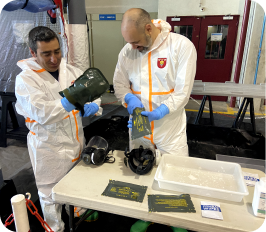
While campaigns like USPS Hazmat Awareness Month help reinforce safety practices, incidents related to hazardous package handling can happen at any time of the year, from chemical spills to opioid exposure or lithium battery leaks.
Ensuring employee safety requires a combination of awareness, proper handling protocols, and practical chemical decontamination tools that can neutralize threats quickly.
Why Combined Wet and Dry Decontamination Is the New Gold Standard for Hospital Emergency Preparedness
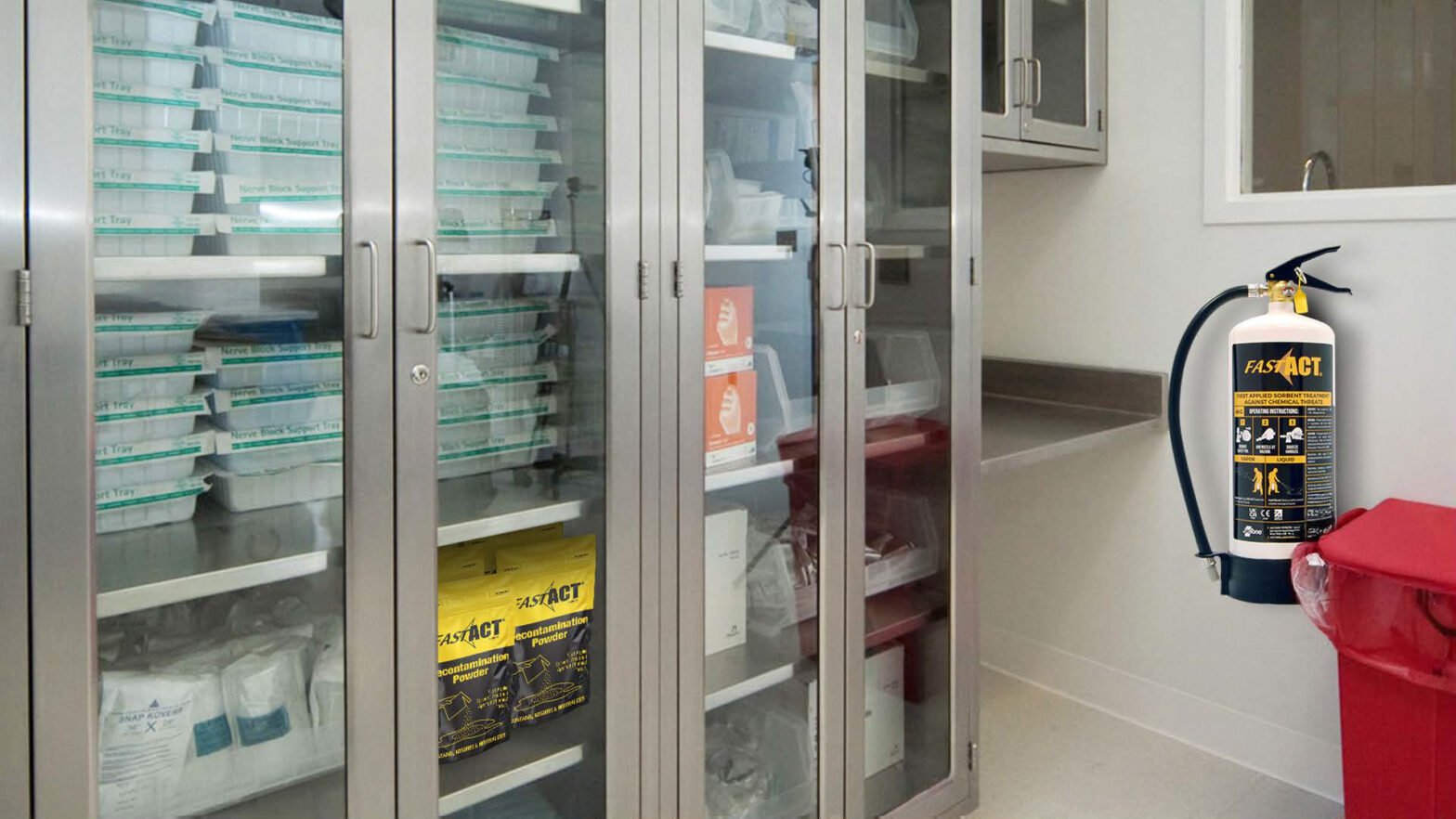
Across Level 1 trauma centers in the U.S., Sweden, Canada, and Singapore, teams now deploy combined decontamination methods—a hybrid model proven to improve outcomes, optimize speed, and reduce risks from hazardous chemicals. This approach aligns with hospital emergency preparedness standards that prioritize rapid, safe, and patient-centered decontamination workflows.
Eyes on the Zone: Securing FIFA 2026 Fan Areas Against Emerging CBRN Threats
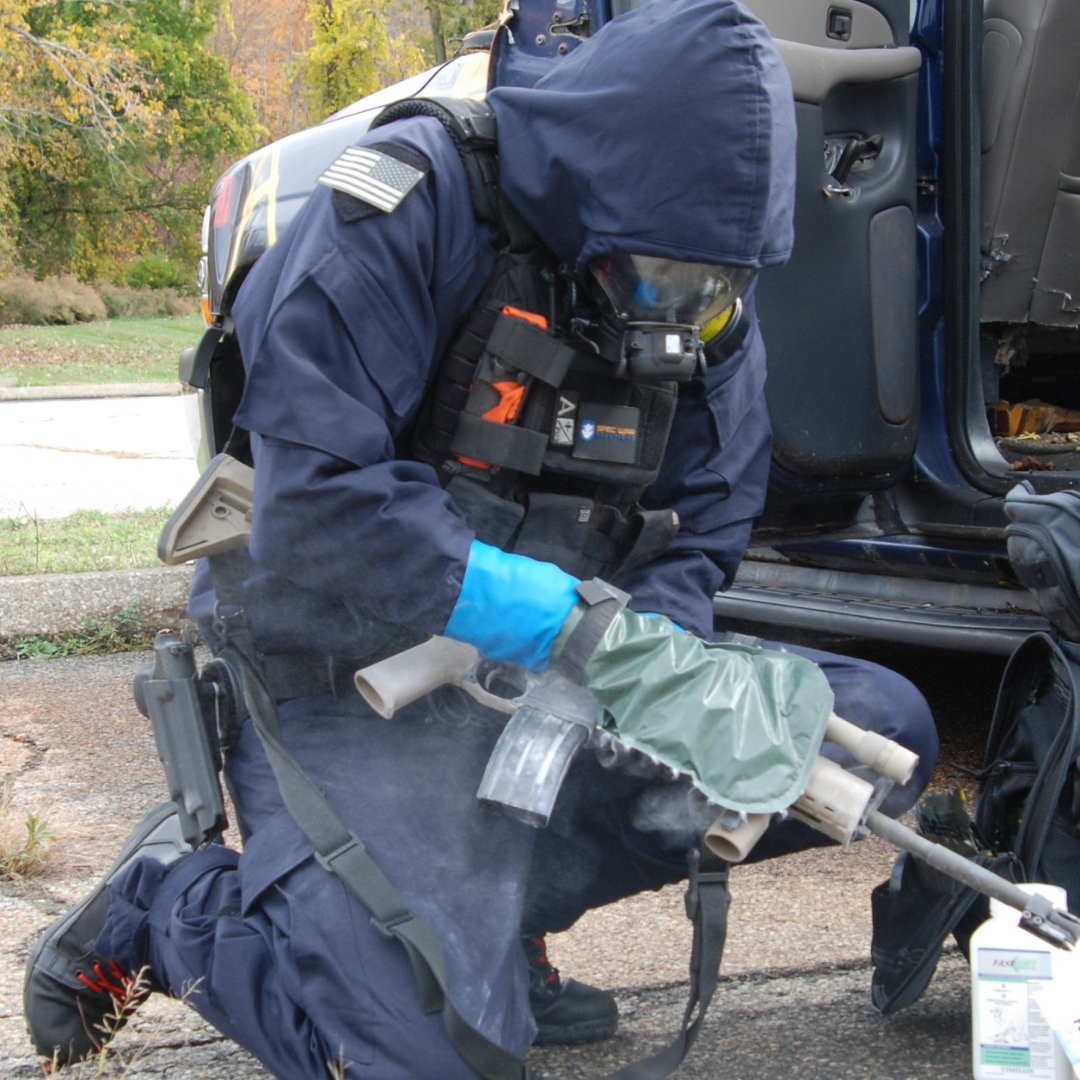
This blog will cover how Emergency Response Teams, security sector professionals, and regional governments can integrate dry decontamination technologies and vapor threat neutralization strategies into their event playbooks to ensure safe, efficient, and scalable response to Chemical Warfare Agents, Biological attacks, terror incidents, or lithium-ion battery fires that may arise in high-density environments.
Defending Against the Unknown: Why the FAST-ACT DEFEND Kit is Critical for First Responders
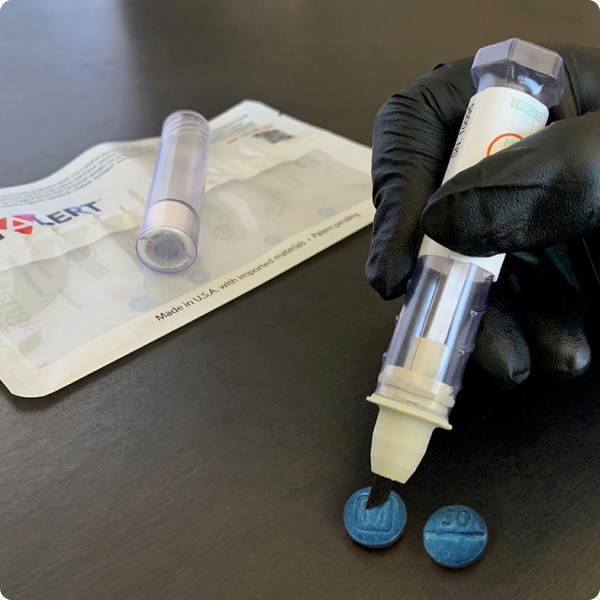
The rise of fentanyl and other illicit drugs has amplified these risks. For those on the front lines, having a reliable, field-ready solution for both detection and decontamination is no longer optional—it’s essential.