This blog summarizes what was shared publicly through HazmatNation and provides operational context based on FAST-ACT’s experience supporting emergency preparedness and response across transportation, industrial, and healthcare environments.


Tag: ppe decontamination
How Global Defense Investments Signal a Growing Need for Advanced Chemical Response Readiness

As nations increase defense funding and expand industrial production capacity, one reality is becoming clearer: modern threats require stronger advanced chemical response readiness across military forces, emergency responders, hospitals, and industrial sectors. The European Parliament’s approval of its first-ever defense industry program—aimed at boosting continental manufacturing and rapid-response capability—illustrates a global shift toward addressing evolving… Continue reading How Global Defense Investments Signal a Growing Need for Advanced Chemical Response Readiness
FAST-ACT December Event Highlights: Strengthening Chemical Response Readiness Across Agencies

This month, FAST-ACT continued advancing chemical preparedness through demonstrations and follow-up engagements with emergency response and military units.
Why Combined Wet and Dry Decontamination Is the New Gold Standard for Hospital Emergency Preparedness
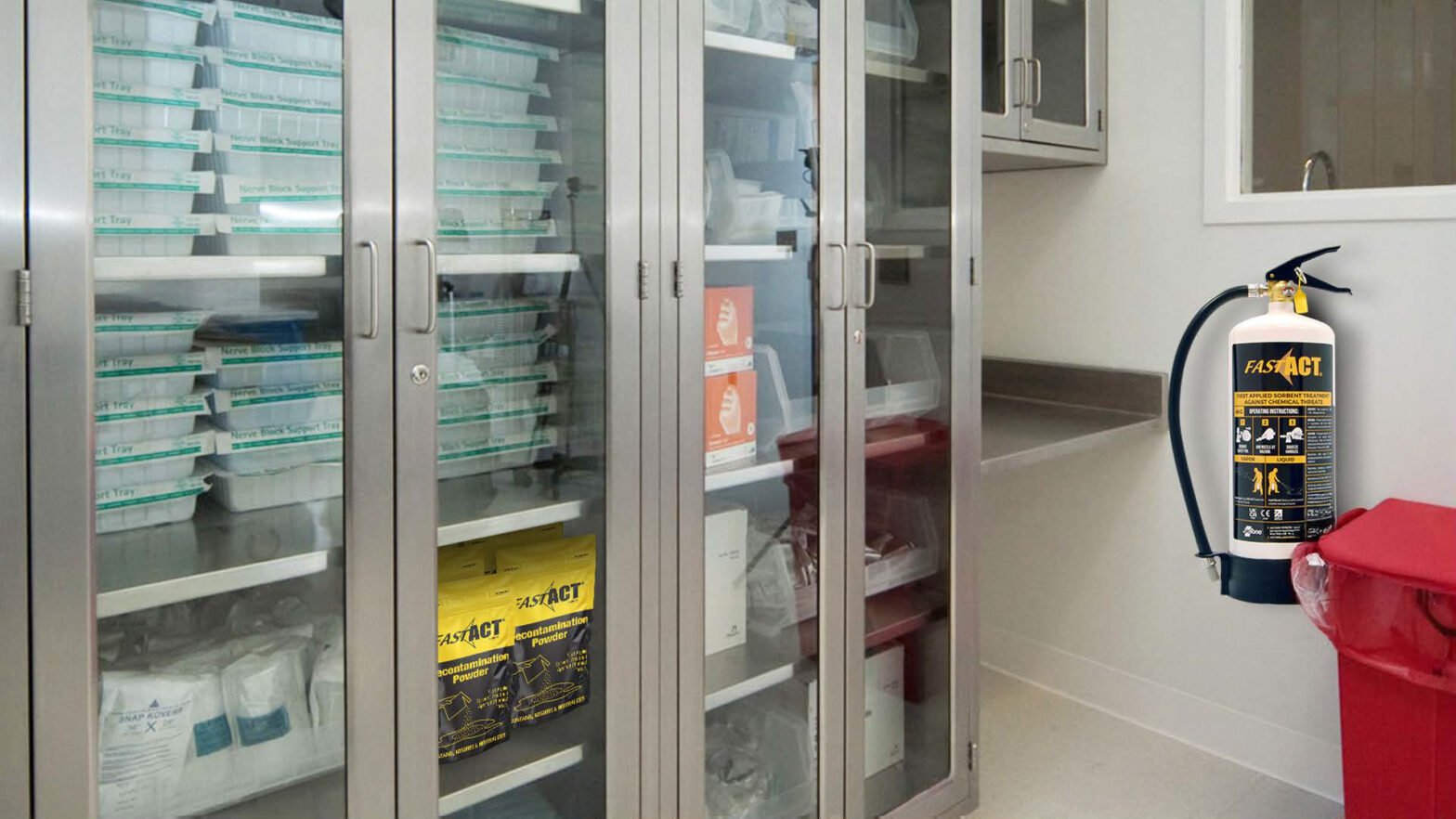
Across Level 1 trauma centers in the U.S., Sweden, Canada, and Singapore, teams now deploy combined decontamination methods—a hybrid model proven to improve outcomes, optimize speed, and reduce risks from hazardous chemicals. This approach aligns with hospital emergency preparedness standards that prioritize rapid, safe, and patient-centered decontamination workflows.
FAST-ACT Dry Decontamination Demo Strengthens Chemical Response Readiness in Dallas, TX
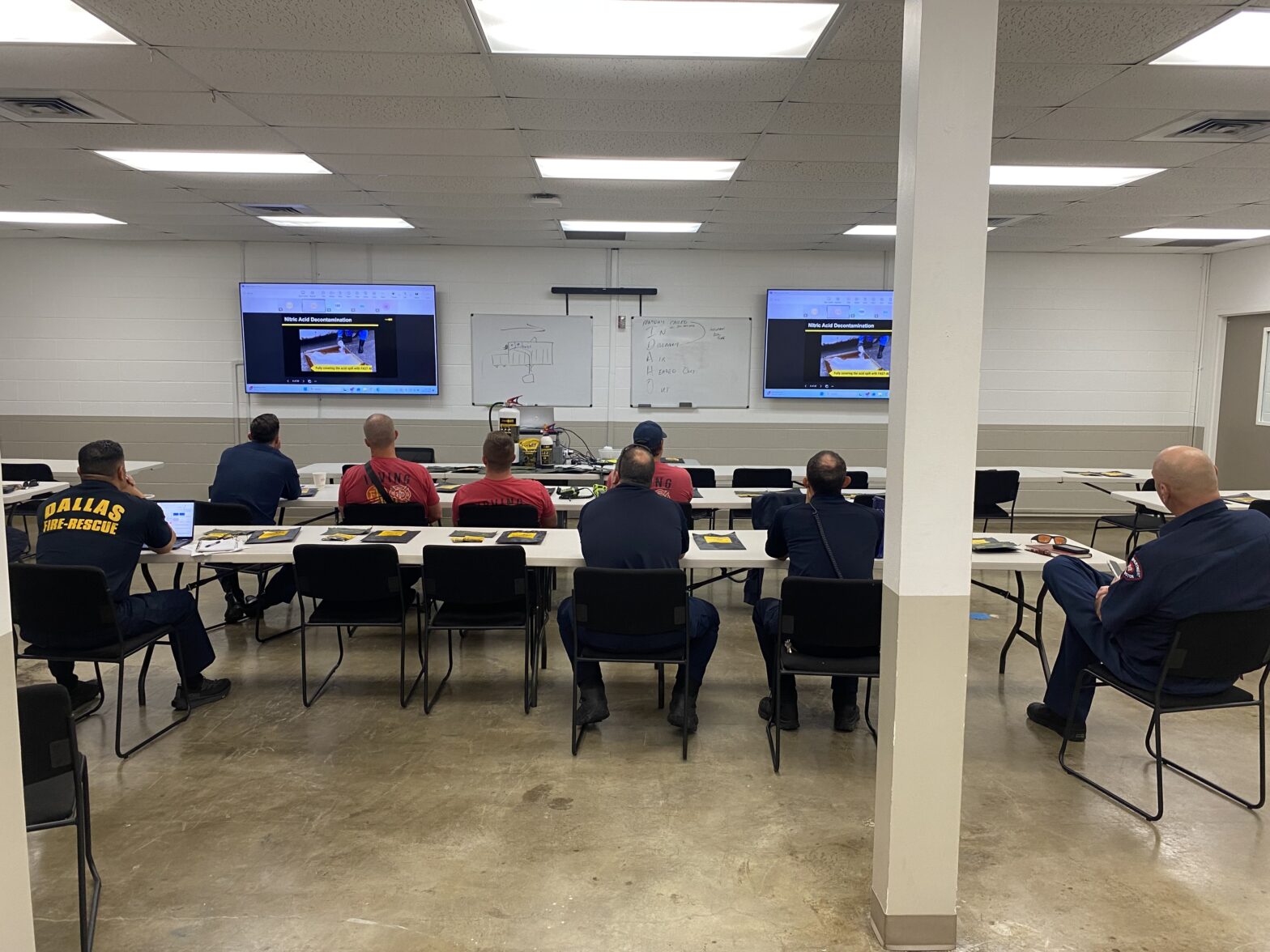
FAST-ACT conducted a live dry decontamination demonstration with the Dallas Fire Department and multiple Dallas-area agencies, showcasing how first responders can rapidly and safely neutralize chemical threats using FAST-ACT technology.
Hospital Dry Decontamination: A Faster, More Efficient Approach to Emergency Response
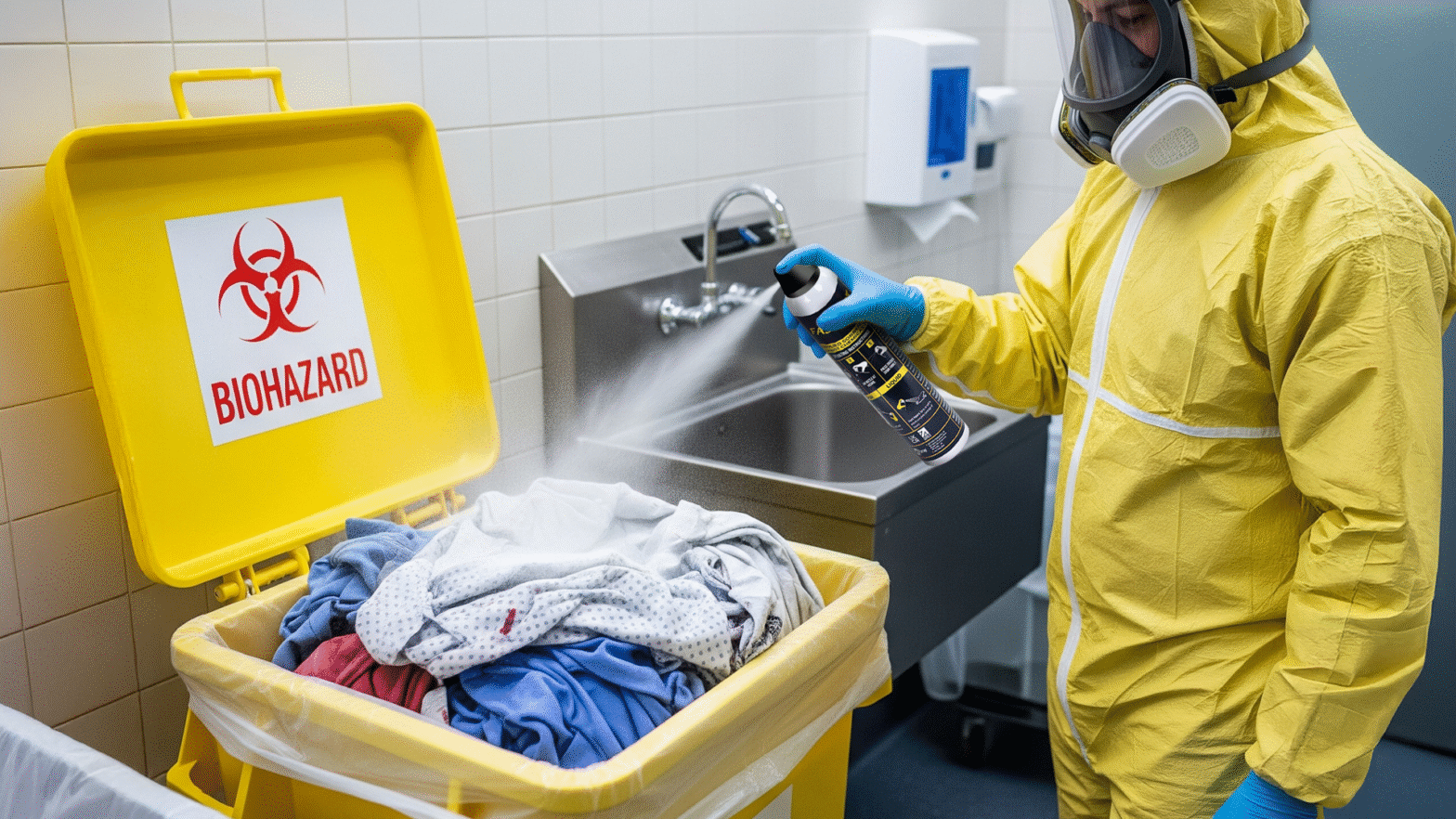
During a mass casualty incident involving chemical agents or hazardous materials, every second counts. Hospitals must act quickly to protect patients, staff, and infrastructure while maintaining operations within the hospital environment. Traditional wet decontamination systems, which rely on large volumes of water and extended setup, can slow down an emergency response when speed is critical. … Continue reading Hospital Dry Decontamination: A Faster, More Efficient Approach to Emergency Response
FAST-ACT September Event Highlights: Expanding Training & Global Engagement
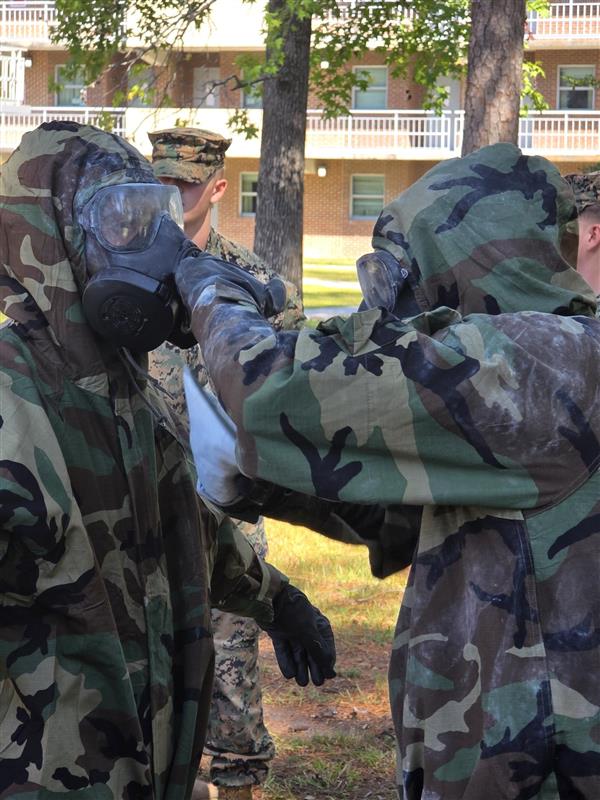
This September, FAST-ACT continues its mission of equipping first responders and defense partners with proven chemical decontamination solutions.
Advantages of Dry Decontamination in Extremely Cold Temperatures
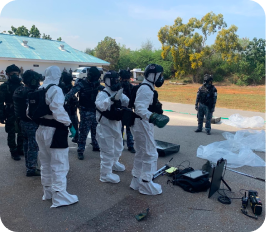
Dry Decontamination in extremely cold temperatures presents a critical solution, ensuring effective contaminant removal without water, allowing for safer and more efficient hazmat response in harsh environments. Explore FAST-ACT dry decontamination solutions for extreme weather conditions.
The Rise of Electric Vehicles Fires and Effective PPE Decontamination for First Responders

As electric vehicles (EVs) become increasingly prevalent, first responders face new challenges associated with lithium-ion battery fires.