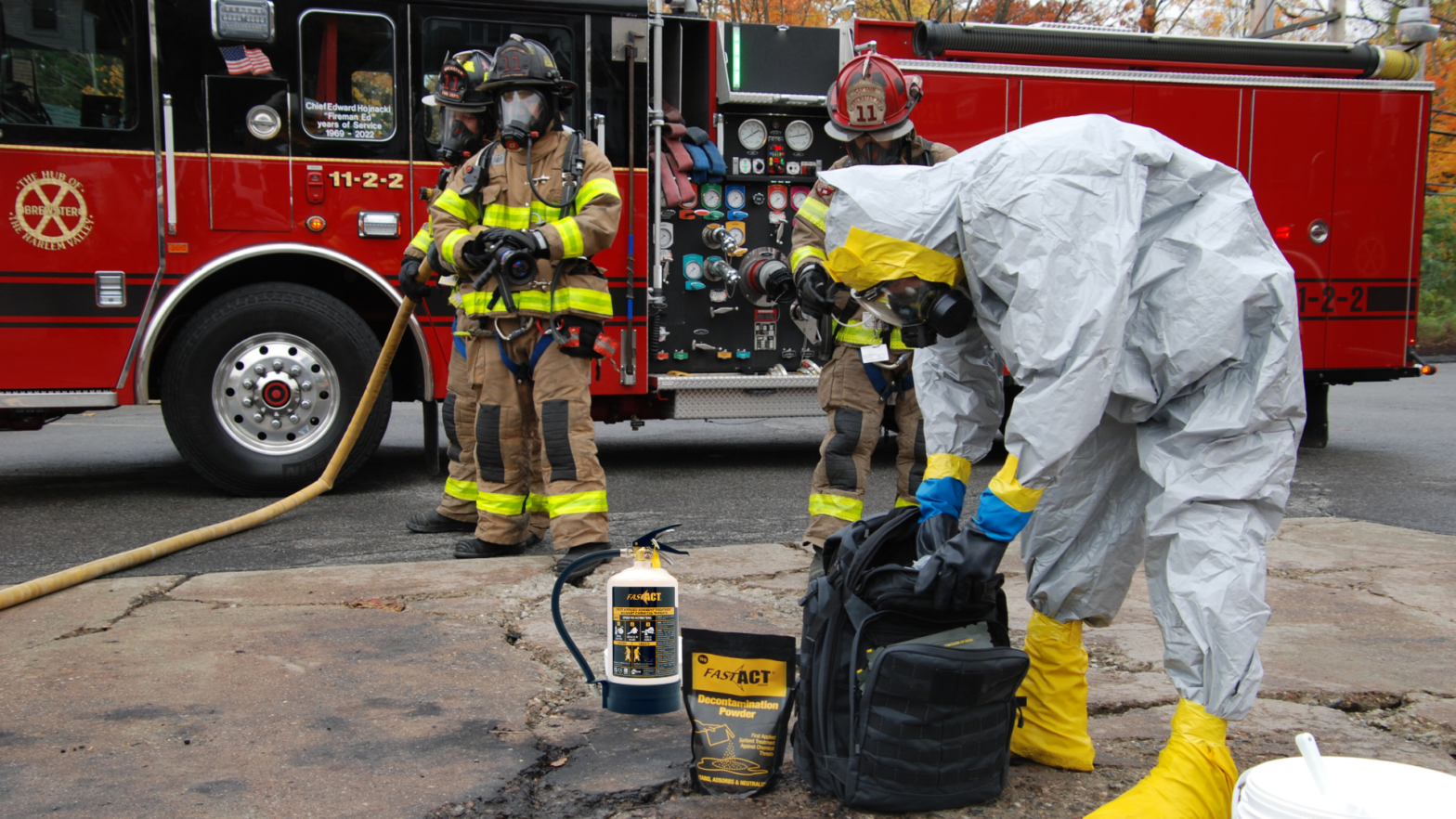
Across FAST-ACT’s supported environments, the consequences of delayed or ineffective decontamination are significant — ranging from patient and responder exposure to operational shutdowns, equipment damage, and large-scale public safety impacts. Understanding decontamination in high-risk environments helps organizations align response planning, decontamination procedures, and the overall decontamination process with real-world conditions involving chemical hazards and environmental contamination.


Month: January 2026
Dry Decontamination in Cold Weather: Managing Chemical and Vapor Hazards When Temperatures Drop
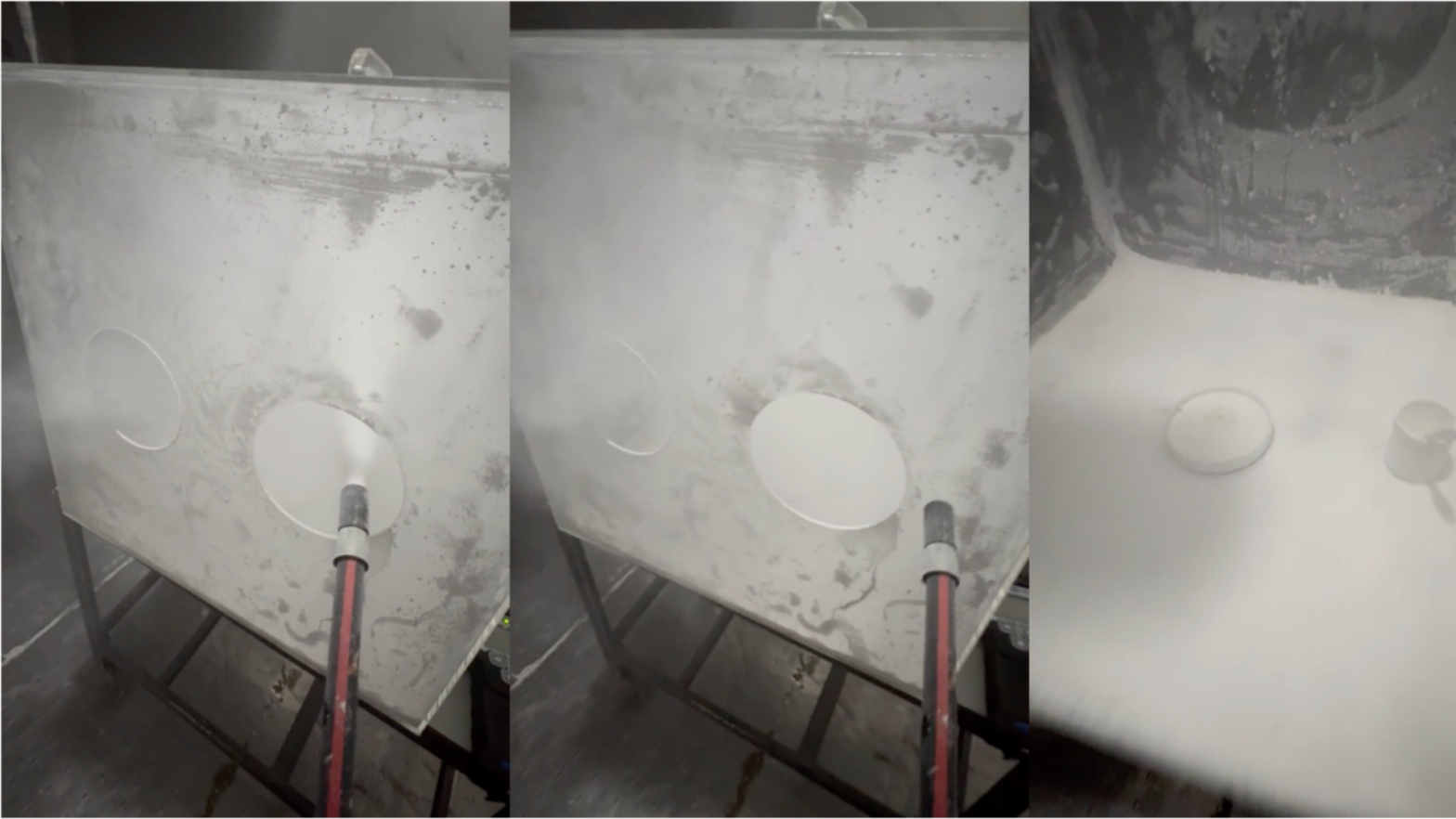
Extreme cold weather creates a significant cold weather challenge for hazardous materials response. When chemical spills, chemical releases, or vapor threats occur in cold-weather environments, traditional decontamination methods—especially water-based decontamination—can become ineffective or unsafe.
Dry decontamination in cold weather provides an alternative approach that supports emergency decontamination when freezing risk and ambient conditions limit conventional options.
DOT HazMat Inspection Priorities: What PHMSA’s New Focus Means for Hazardous Materials Transport
This blog summarizes what was shared publicly through HazmatNation and provides operational context based on FAST-ACT’s experience supporting emergency preparedness and response across transportation, industrial, and healthcare environments.
Fentanyl Decontamination and Responder Safety: Why Federal Designation Matters for First Responders
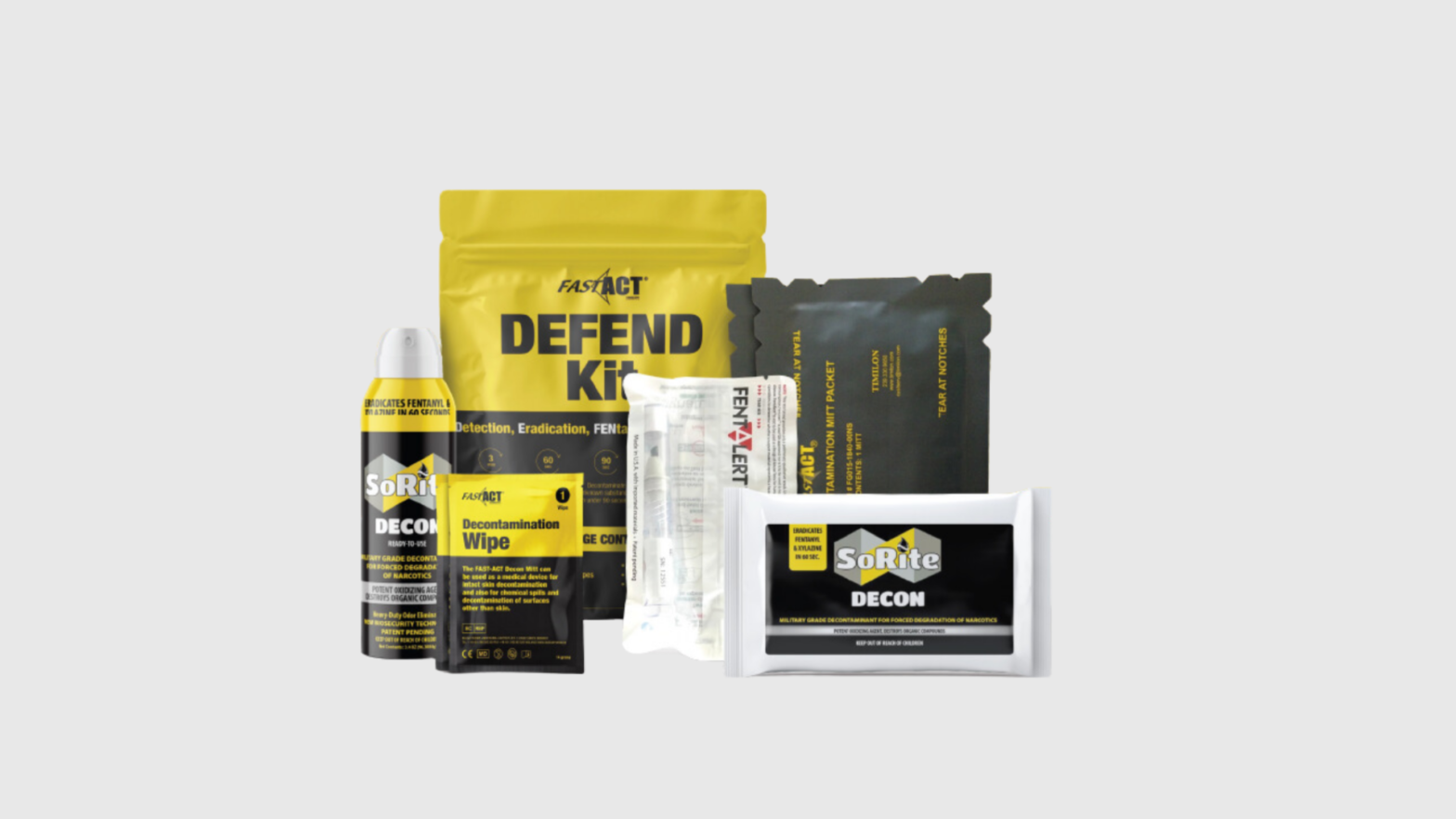
In December 2025, the White House issued an executive order designating illicit fentanyl and its core precursor chemicals as a weapon of mass destruction (WMD). This designation reflects a growing federal acknowledgment that fentanyl is not only a driver of the opioid crisis, but also a serious hazardous materials threat to first responders, including law enforcement, fire,… Continue reading Fentanyl Decontamination and Responder Safety: Why Federal Designation Matters for First Responders