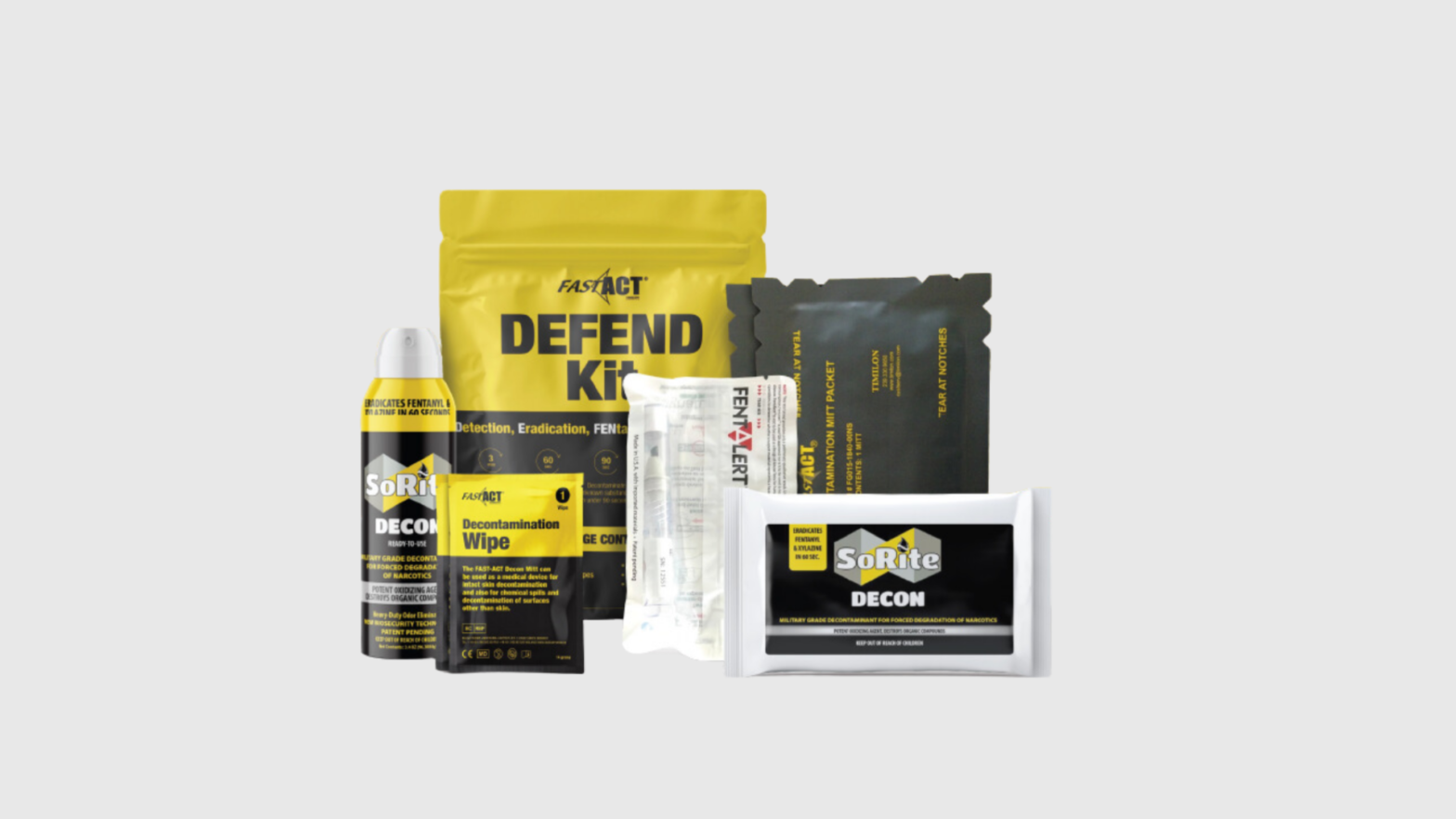
In December 2025, the White House issued an executive order designating illicit fentanyl and its core precursor chemicals as a weapon of mass destruction (WMD). This designation reflects a growing federal acknowledgment that fentanyl is not only a driver of the opioid crisis, but also a serious hazardous materials threat to first responders, including law enforcement, fire,… Continue reading Fentanyl Decontamination and Responder Safety: Why Federal Designation Matters for First Responders


Tag: chemical warfare agents
What Is Your Unidentified Hazardous Materials Response Strategy?

When a material is unknown, delaying action can increase exposure risk, allow contamination to spread, and endanger both responders and the public. An effective emergency response plan must account for this reality and prioritize immediate hazard reduction alongside identification efforts.
How Global Defense Investments Signal a Growing Need for Advanced Chemical Response Readiness

As nations increase defense funding and expand industrial production capacity, one reality is becoming clearer: modern threats require stronger advanced chemical response readiness across military forces, emergency responders, hospitals, and industrial sectors. The European Parliament’s approval of its first-ever defense industry program—aimed at boosting continental manufacturing and rapid-response capability—illustrates a global shift toward addressing evolving… Continue reading How Global Defense Investments Signal a Growing Need for Advanced Chemical Response Readiness
Understanding Lithium-Ion Battery Chemical Hazards: What Recent Incidents Teach Us About Preparedness

This blog explores why battery failure produces dangerous hazardous fumes, how these events escalate into hazardous areas, and why emergency response personnel need fast, water-free neutralization methods to reduce chemical exposure.
FAST-ACT November Event Highlights: Advancing CBRN Readiness Across the Nation
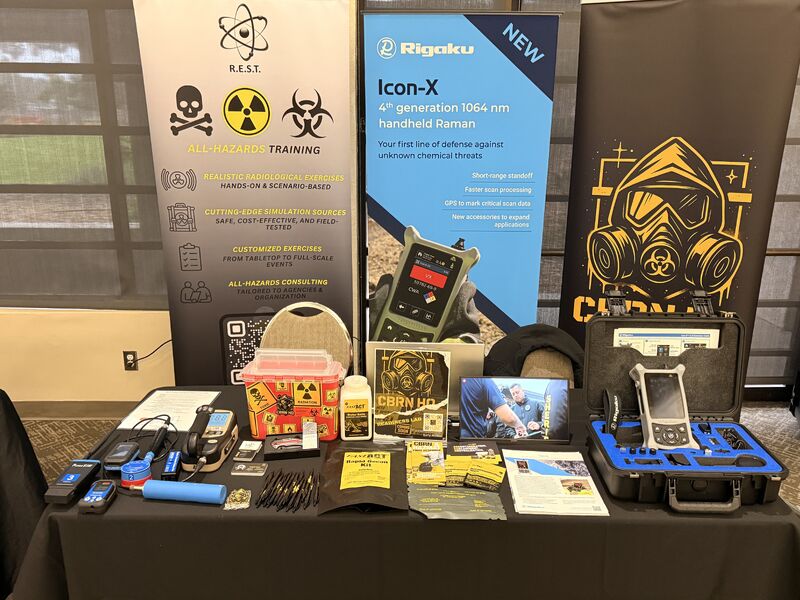
This November, the FAST-ACT team continued its commitment to advancing chemical preparedness and CBRN defense through nationwide engagement and collaboration. From Charleston to Los Angeles and Fort Campbell, FAST-ACT and its partners showcased how dry decontamination technology enhances operational readiness and response efficiency across military, emergency, and defense sectors.
Safe Hazardous Package Handling: Lithium, Opioids, and Chemical Spill Response
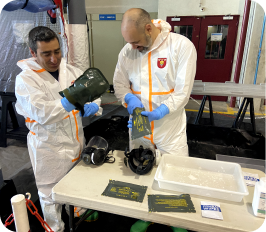
While campaigns like USPS Hazmat Awareness Month help reinforce safety practices, incidents related to hazardous package handling can happen at any time of the year, from chemical spills to opioid exposure or lithium battery leaks.
Ensuring employee safety requires a combination of awareness, proper handling protocols, and practical chemical decontamination tools that can neutralize threats quickly.
When Seconds Matter: Lessons in Chemical Incident Preparedness from the Tennessee Explosion

The U.S. Chemical Safety Board (CSB) has launched an investigation into the October 10, 2025 explosion at Accurate Energetic Systems in McEwen, Tennessee, where 24,000–28,000 pounds of explosive material detonated, killing 16 workers and damaging the industrial chemical facility. Early findings suggest the blast began during heating operations and triggered secondary detonations in nearby storage areas. The incident underscores the ongoing need for robust chemical safety measures, emergency planning, and readiness for large-scale chemical incidents.
Eyes on the Zone: Securing FIFA 2026 Fan Areas Against Emerging CBRN Threats
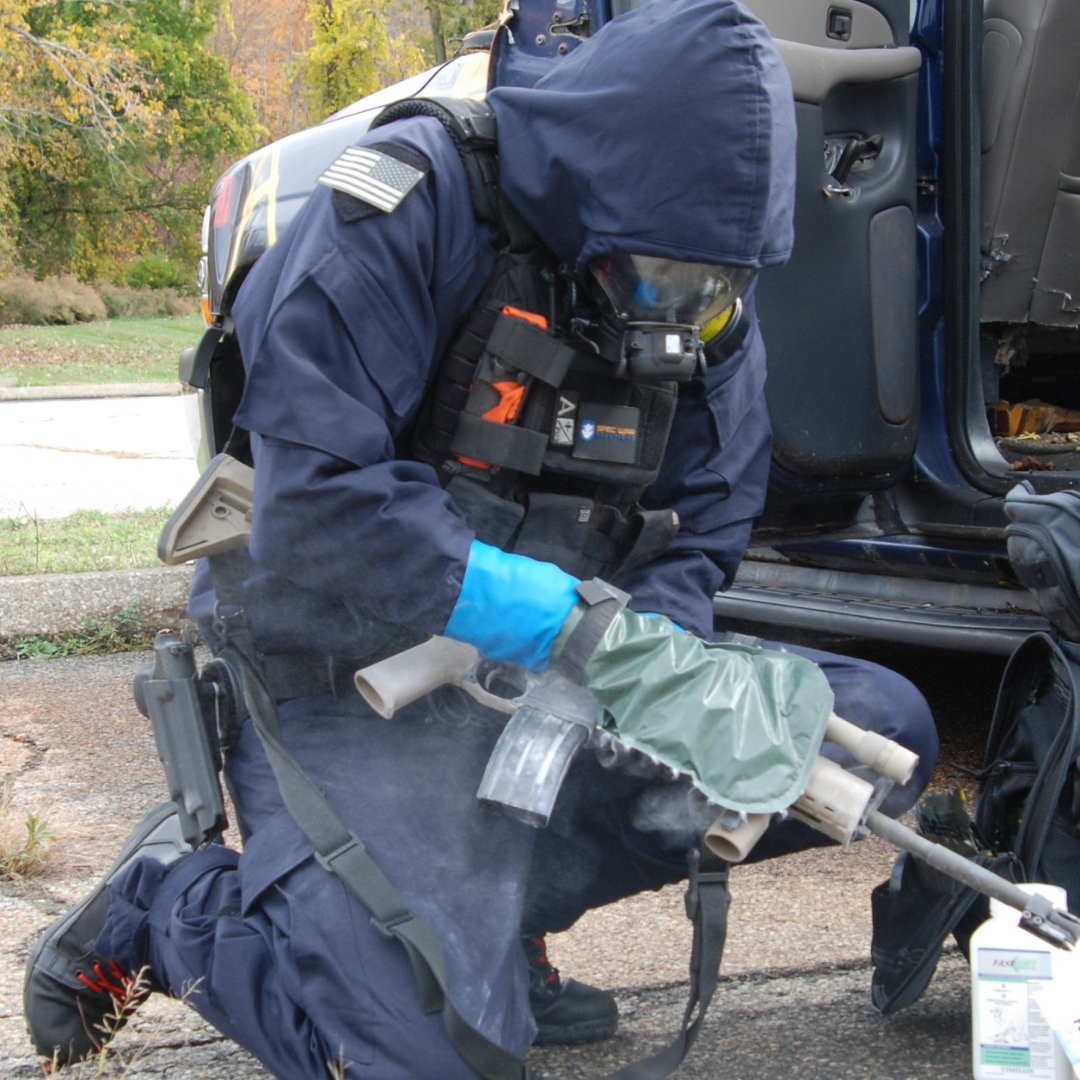
This blog will cover how Emergency Response Teams, security sector professionals, and regional governments can integrate dry decontamination technologies and vapor threat neutralization strategies into their event playbooks to ensure safe, efficient, and scalable response to Chemical Warfare Agents, Biological attacks, terror incidents, or lithium-ion battery fires that may arise in high-density environments.
FAST-ACT Dry Decontamination Demo Strengthens Chemical Response Readiness in Dallas, TX
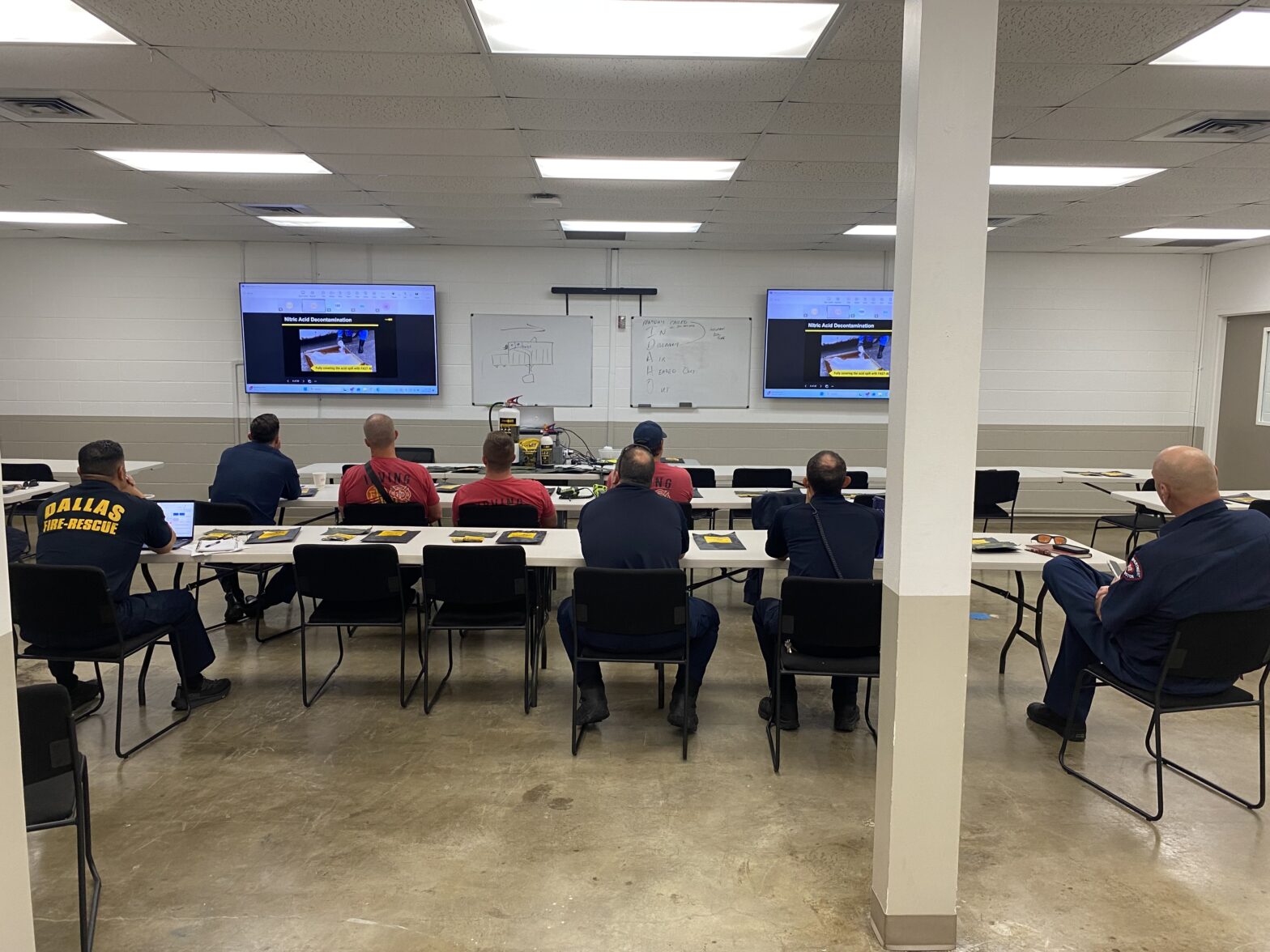
FAST-ACT conducted a live dry decontamination demonstration with the Dallas Fire Department and multiple Dallas-area agencies, showcasing how first responders can rapidly and safely neutralize chemical threats using FAST-ACT technology.
The Shift Toward Dry Decontamination: Funding, Adoption, and the Future of CBRN Preparedness
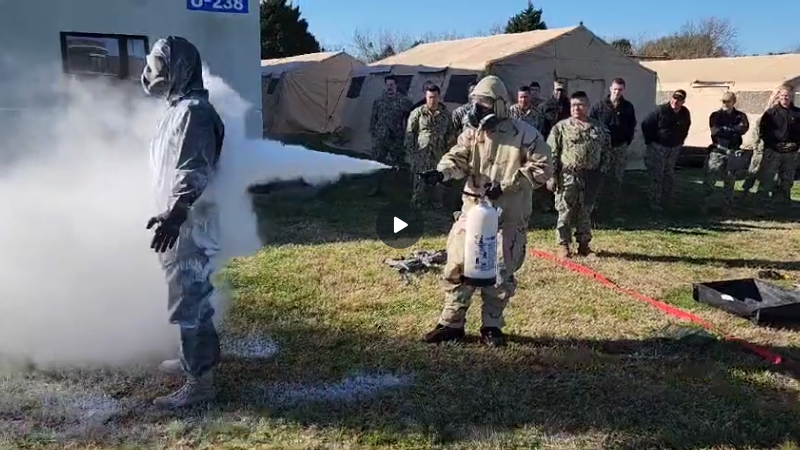
In this blog, we’ll examine why dry decontamination is gaining momentum, highlight Europe’s leadership and funding efforts, and explore how global organizations—including FAST-ACT—are adopting these solutions to strengthen preparedness for CBRN threats. standard.