Hospitals today face increasing risks from hazardous materials, chemical incidents, toxic industrial chemicals (TICs), and chemical warfare agents (CWAs). These events require specialized safety protocols, appropriate Personal Protective Equipment (PPE), and established decontamination protocols to protect both staff and patients. Yet most facilities remain underprepared to manage a chemical release or mass chemical exposure during a mass casualty event. A recent report revealed that nearly 70% of hospitals are unprepared for chemical and biological emergencies. Additional research supports this trend: many emergency departments lack operational readiness for chemical emergency medical management or hospital patient decontamination.


Tag: FAST-ACT dry decon powder
FAST-ACT November Event Highlights: Advancing CBRN Readiness Across the Nation
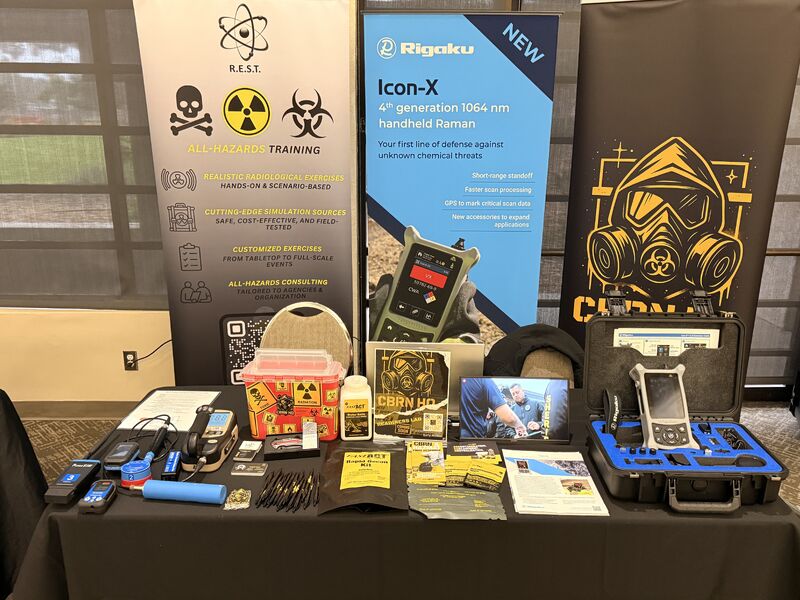
This November, the FAST-ACT team continued its commitment to advancing chemical preparedness and CBRN defense through nationwide engagement and collaboration. From Charleston to Los Angeles and Fort Campbell, FAST-ACT and its partners showcased how dry decontamination technology enhances operational readiness and response efficiency across military, emergency, and defense sectors.
Safe Hazardous Package Handling: Lithium, Opioids, and Chemical Spill Response
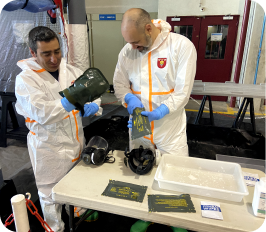
While campaigns like USPS Hazmat Awareness Month help reinforce safety practices, incidents related to hazardous package handling can happen at any time of the year, from chemical spills to opioid exposure or lithium battery leaks.
Ensuring employee safety requires a combination of awareness, proper handling protocols, and practical chemical decontamination tools that can neutralize threats quickly.
FAST-ACT Expands Global Reach with Decontamination Tender Win in Croatia
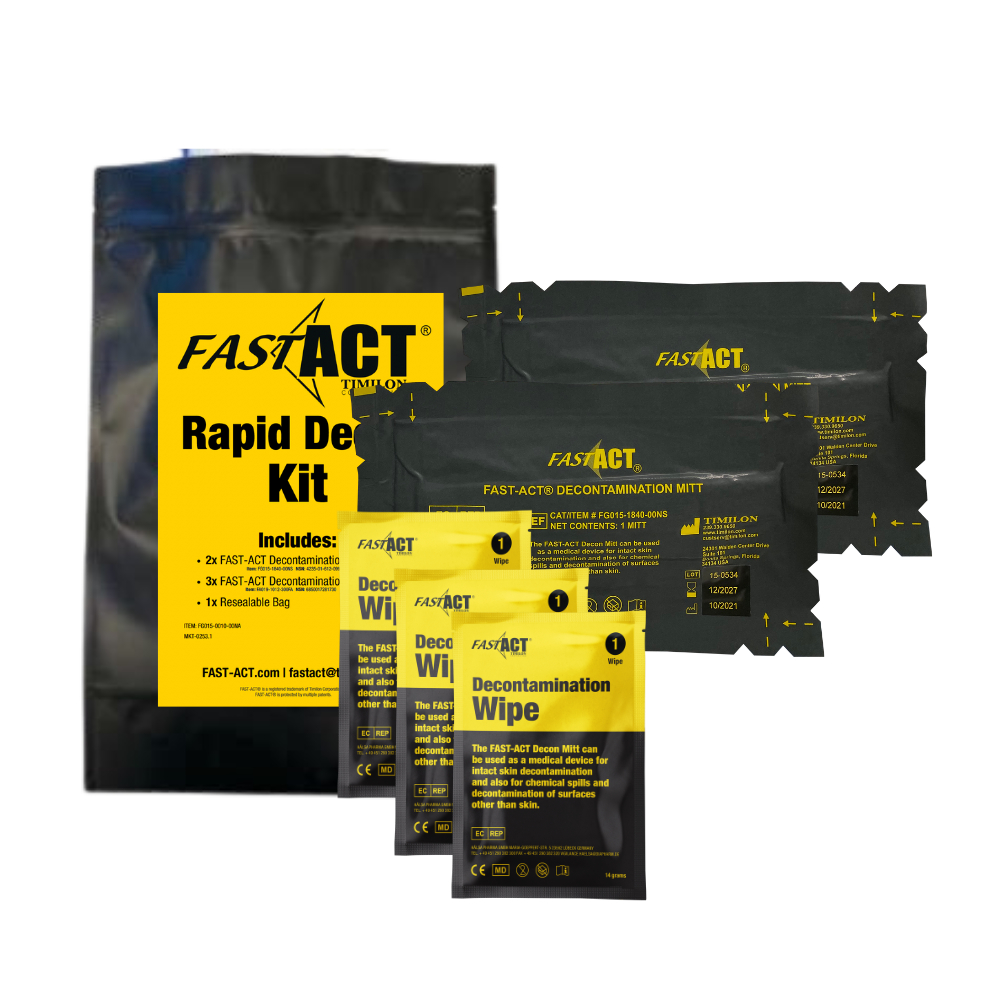
FAST-ACT is proud to announce its recent success in securing a tender with the Ministry of Interior (MoI) in Croatia for specialized decontamination equipment.
FAST-ACT Dry Decontamination Demo Strengthens Chemical Response Readiness in Dallas, TX
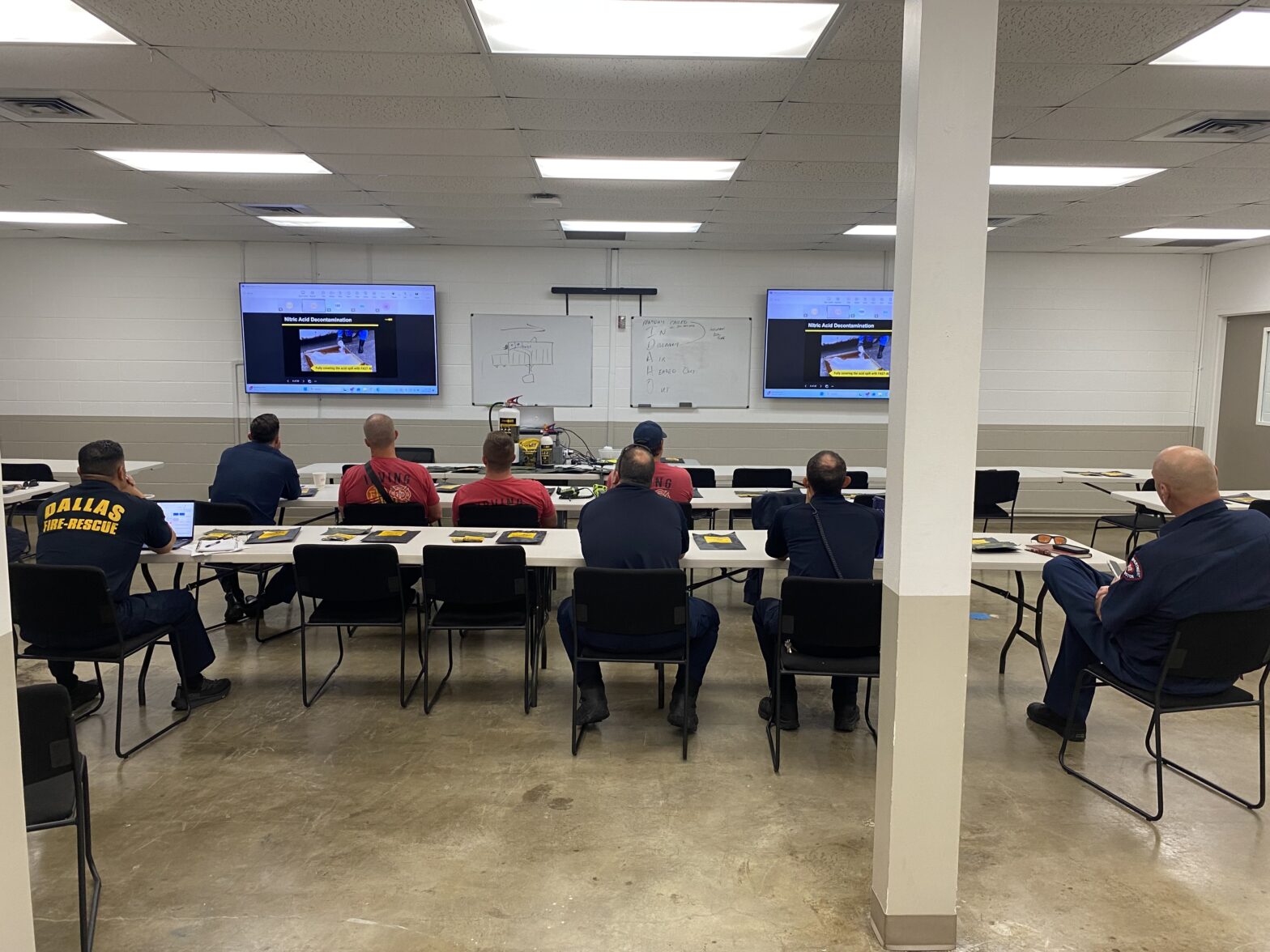
FAST-ACT conducted a live dry decontamination demonstration with the Dallas Fire Department and multiple Dallas-area agencies, showcasing how first responders can rapidly and safely neutralize chemical threats using FAST-ACT technology.
Securing 2026 Mega-Event Dry Decontamination Procedures: Why Chemical Decontamination Must Be Part of the Playbook

This blog will explain the scale and stakes of these events, highlight why chemical decontamination and decontamination methods are essential to safety, and reaffirm how FAST-ACT’s solutions merge with personal protective equipment (PPE) and multiagency workflow to deliver readiness, efficiency, and confidence.
Hospital Dry Decontamination: A Faster, More Efficient Approach to Emergency Response
During a mass casualty incident involving chemical agents or hazardous materials, every second counts. Hospitals must act quickly to protect patients, staff, and infrastructure while maintaining operations within the hospital environment. Traditional wet decontamination systems, which rely on large volumes of water and extended setup, can slow down an emergency response when speed is critical. … Continue reading Hospital Dry Decontamination: A Faster, More Efficient Approach to Emergency Response
FAST-ACT’s Hospital SOP: Advancing Chemical Decontamination Preparedness

In this blog, we will cover the essential steps of the FAST-ACT hospital SOP, explain how the FAST-ACT Pressurized Cylinders, FAST-ACT Decontamination Mitts, and FAST-ACT Decontamination Wipes are applied, and highlight the supporting science behind these hospital-focused decontamination protocols.
The Shift Toward Dry Decontamination: Funding, Adoption, and the Future of CBRN Preparedness
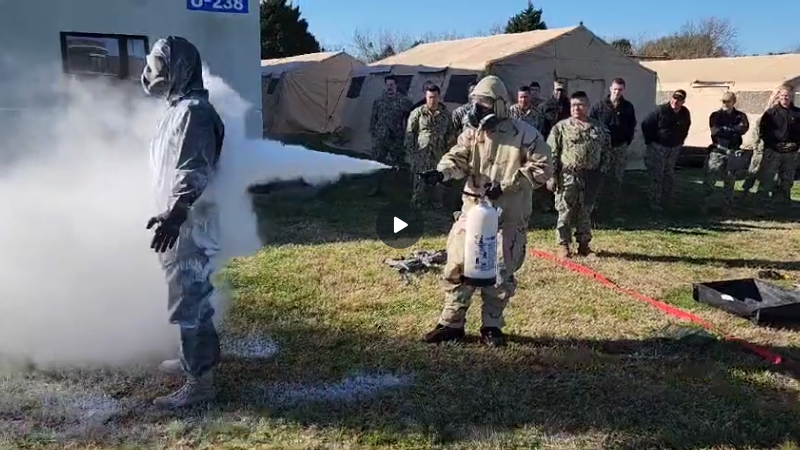
In this blog, we’ll examine why dry decontamination is gaining momentum, highlight Europe’s leadership and funding efforts, and explore how global organizations—including FAST-ACT—are adopting these solutions to strengthen preparedness for CBRN threats. standard.
Inside the Protocol: A Hospital SOP for Dry Chemical Decontamination
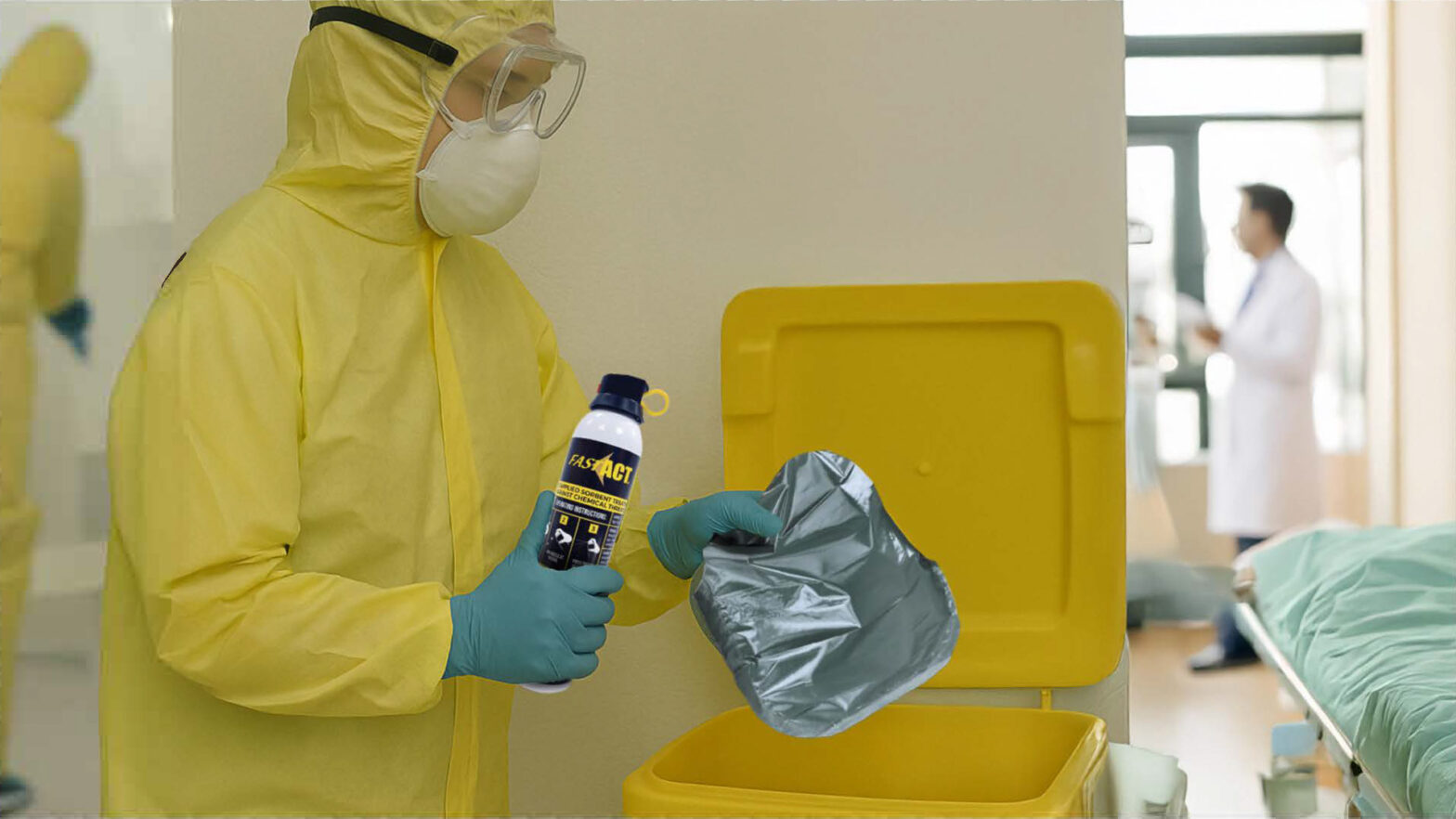
In the face of chemical incidents, hospitals are often the first point of contact—before any decontamination protocols have been applied. For regional emergency department staff, this poses immediate risks: volatile chemicals, systemic toxicity, and potential secondary contamination that could impact both patients and staff. A fast, reliable, and adaptable protocol becomes essential.