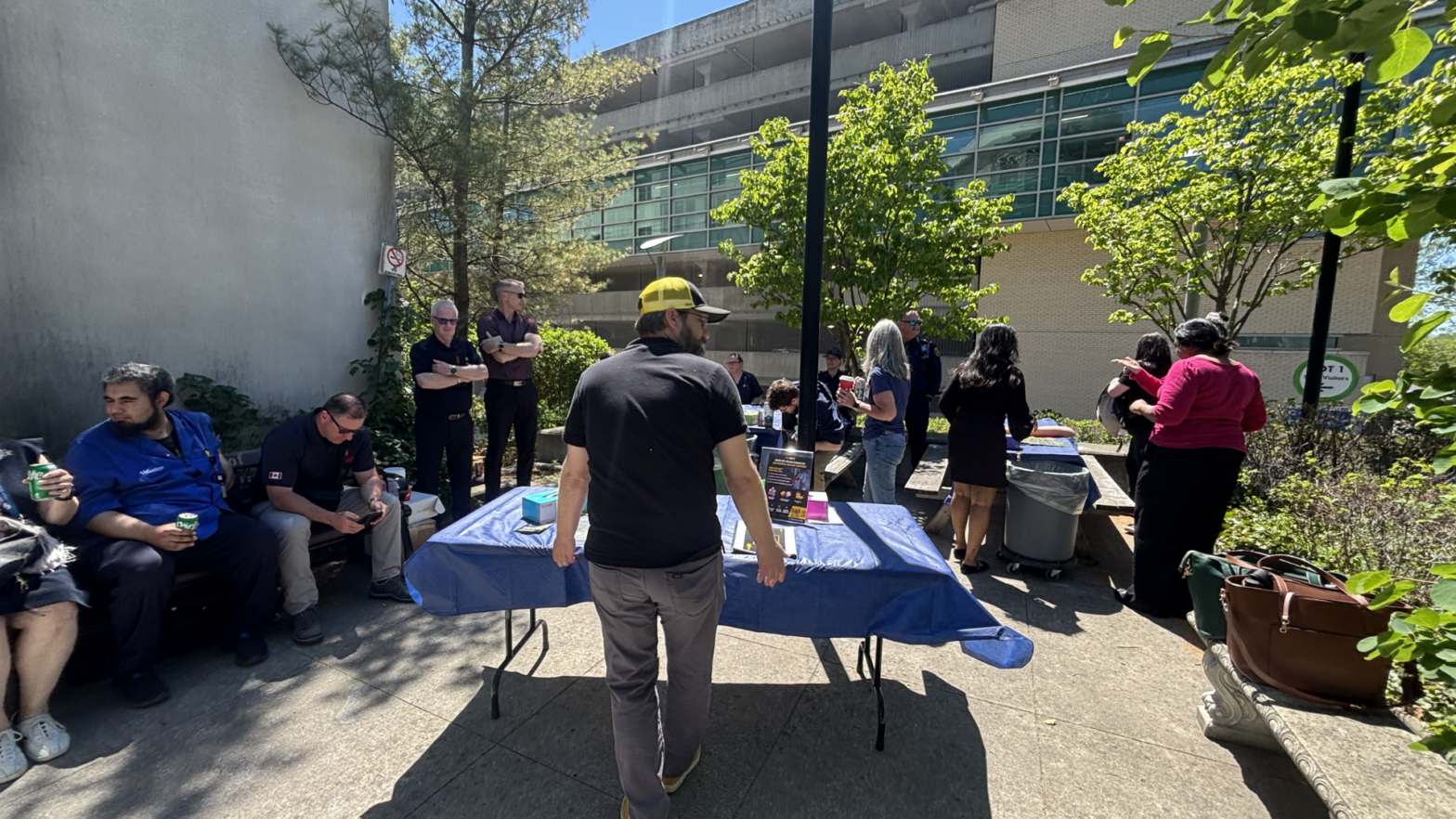
FAST-ACT® partnered with Southlake Health and Allied Medical to demonstrate rapid dry decontamination techniques for healthcare, HAZMAT, and emergency response professionals.


Tag: FAST-ACT dry decon powder
Chemical Preparedness Beyond Stadiums: Fan Zones, Watch Parties, and Opening Ceremonies at the 2026 World Cup

Fan zones, watch parties, and opening ceremonies create unique operational challenges involving crowd safety, hazard recognition, and emergency response coordination during the 2026 FIFA World Cup. Learn how FAST-ACT® supports chemical preparedness and decontamination planning for large public gathering environments.
Chemical Spill Response and Decontamination Challenges in Stadium Environments

Large sporting venues create unique challenges involving crowd safety, contamination spread, and operational continuity. This article explores chemical preparedness for stadiums, decontamination challenges, and how FAST-ACT® supports hazardous materials response during large-scale events.
Managing Chemical and CBRN Threats at the 2026 FIFA World Cup: What Response Teams Need to Know

Chemical emergency preparedness for the 2026 World Cup presents unique challenges across stadiums, fan zones, transportation systems, and public gathering environments. This article explores CBRN threats, public safety considerations, and how FAST-ACT® supports rapid decontamination and hazardous materials response during large-scale events.
Unknown Chemical Exposure in Hospitals: Preparedness for Self-Presenting Patients
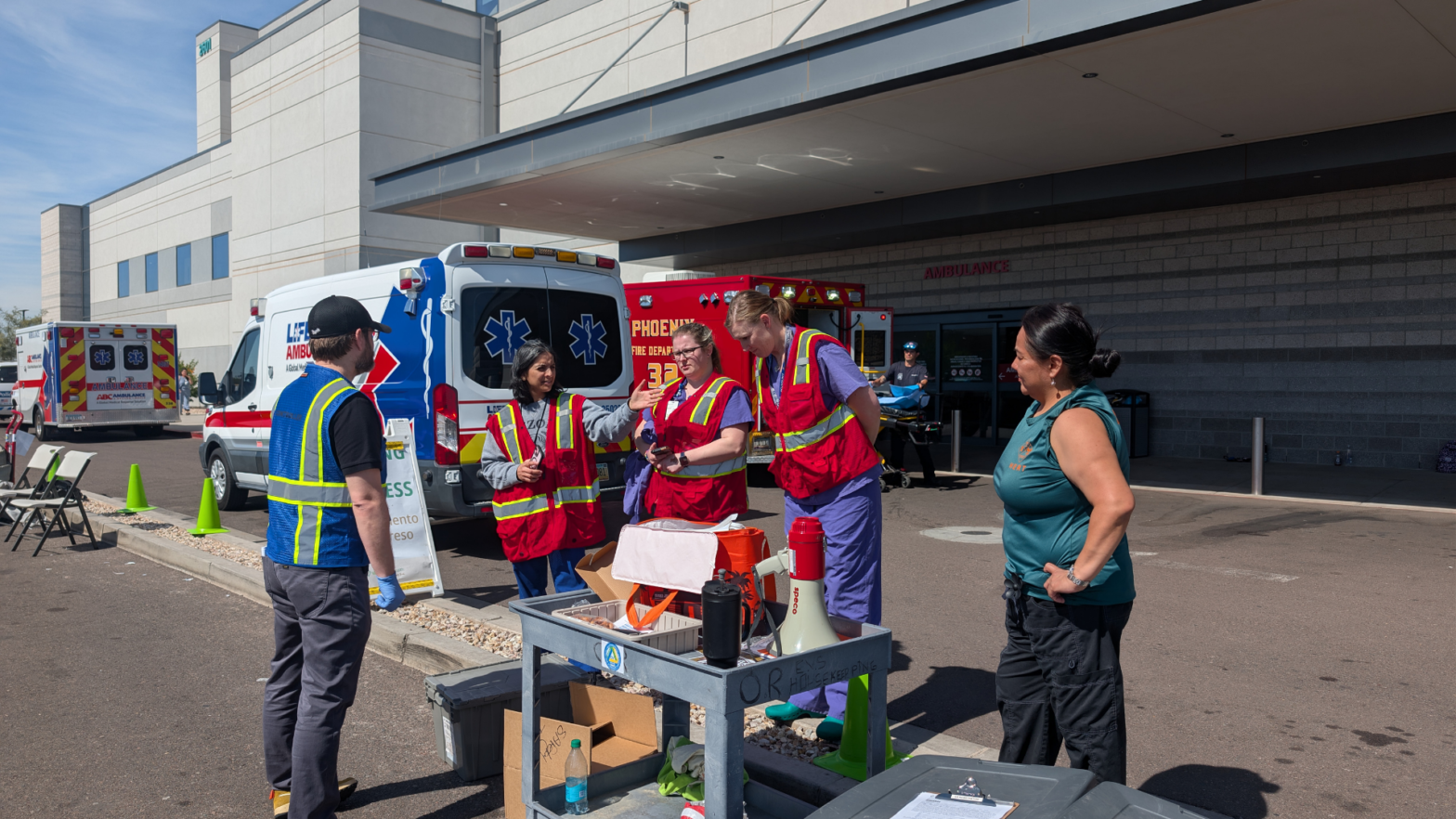
Unknown chemical exposure in hospitals creates urgent uncertainty for emergency department teams. This article outlines how healthcare professionals can manage hazardous materials during intake, reduce health risks, and strengthen hospital preparedness using early decontamination procedures and equipment-safe dry decontamination solutions like FAST-ACT®.
How to Manage Chemical Spills in Laboratories: Safe Neutralization and Decontamination Procedures
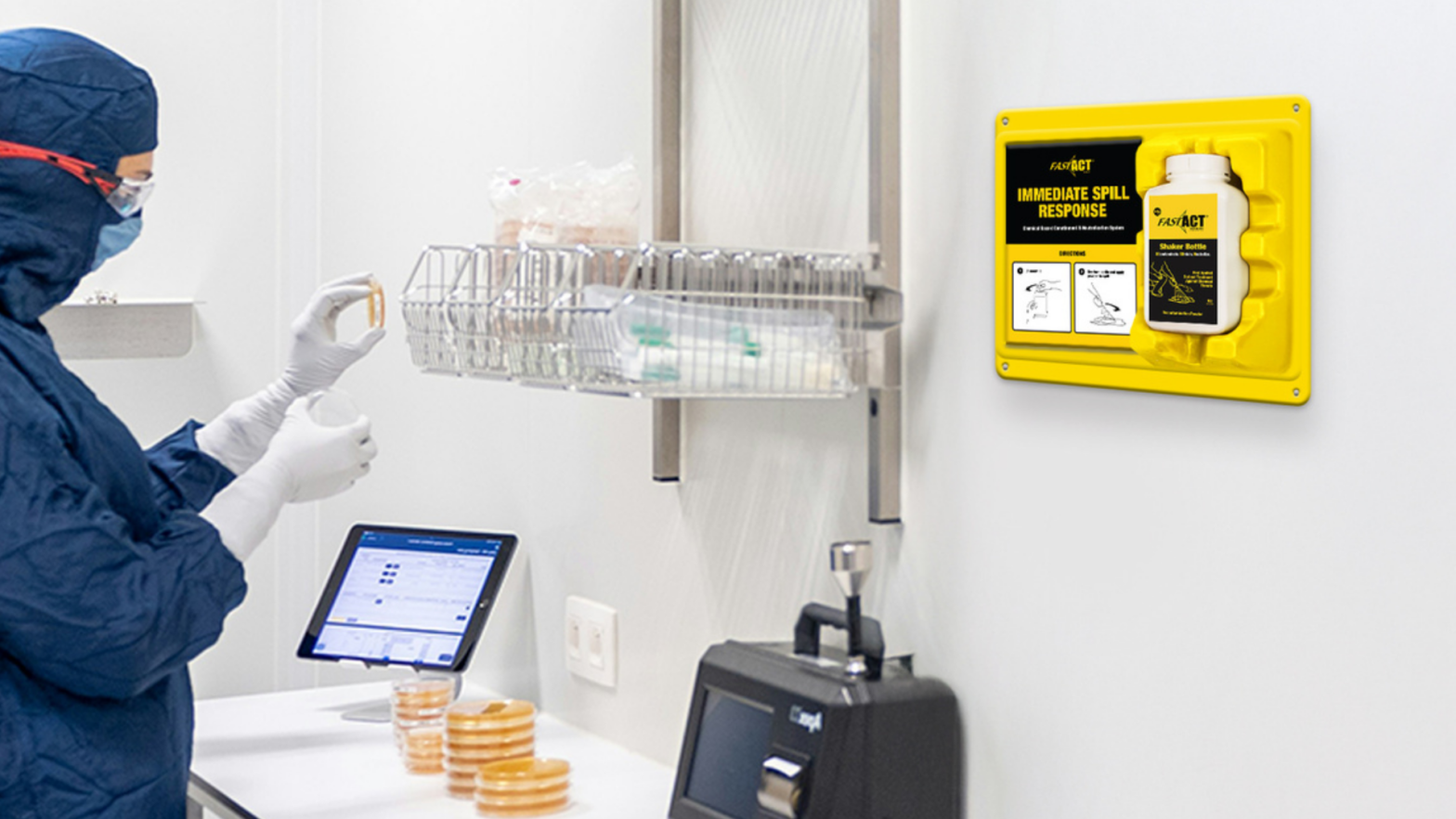
Laboratory chemical spills require fast, safe, and equipment‑friendly response. This blog explains how early neutralization and dry decontamination strengthen laboratory safety and how FAST-ACT® supports rapid containment, vapor reduction, and personnel protection during real-world chemical incidents.
Hospital Decontamination Procedures: Zones, Triage, and the Importance of Early Response
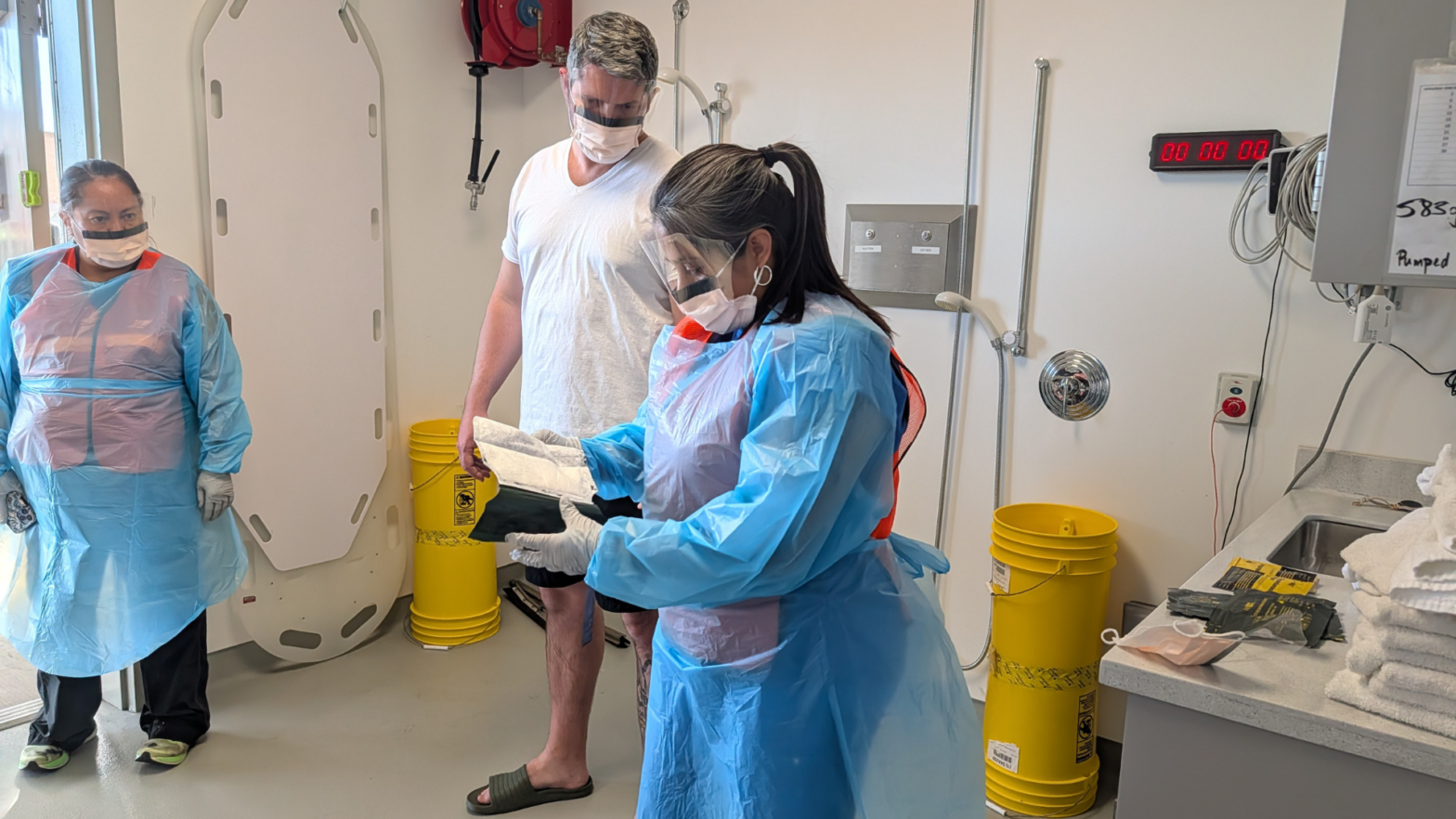
Hospital decontamination procedures are critical during chemical incidents, but the highest risk often occurs before systems are fully in place. This blog explores zones, triage, and the importance of early response.
Hazardous Materials Shipping by Air: Why Compliance Matters and What Happens When It Fails

Hazardous materials shipping by air carries serious risks when compliance fails. This blog explores common failures and how FAST-ACT supports rapid response to chemical spills, vapor hazards, and unknown exposures in transportation environments.
Chemical Emergency Response Equipment for Airports: What’s Needed for Effective Response

Airports face unique risks from chemical incidents, requiring fast, effective response. This blog outlines the essential chemical emergency response equipment needed to manage both liquid and vapor hazards in dynamic airport environments.
The Science Behind The FAST-ACT® Dry Decontamination Technology
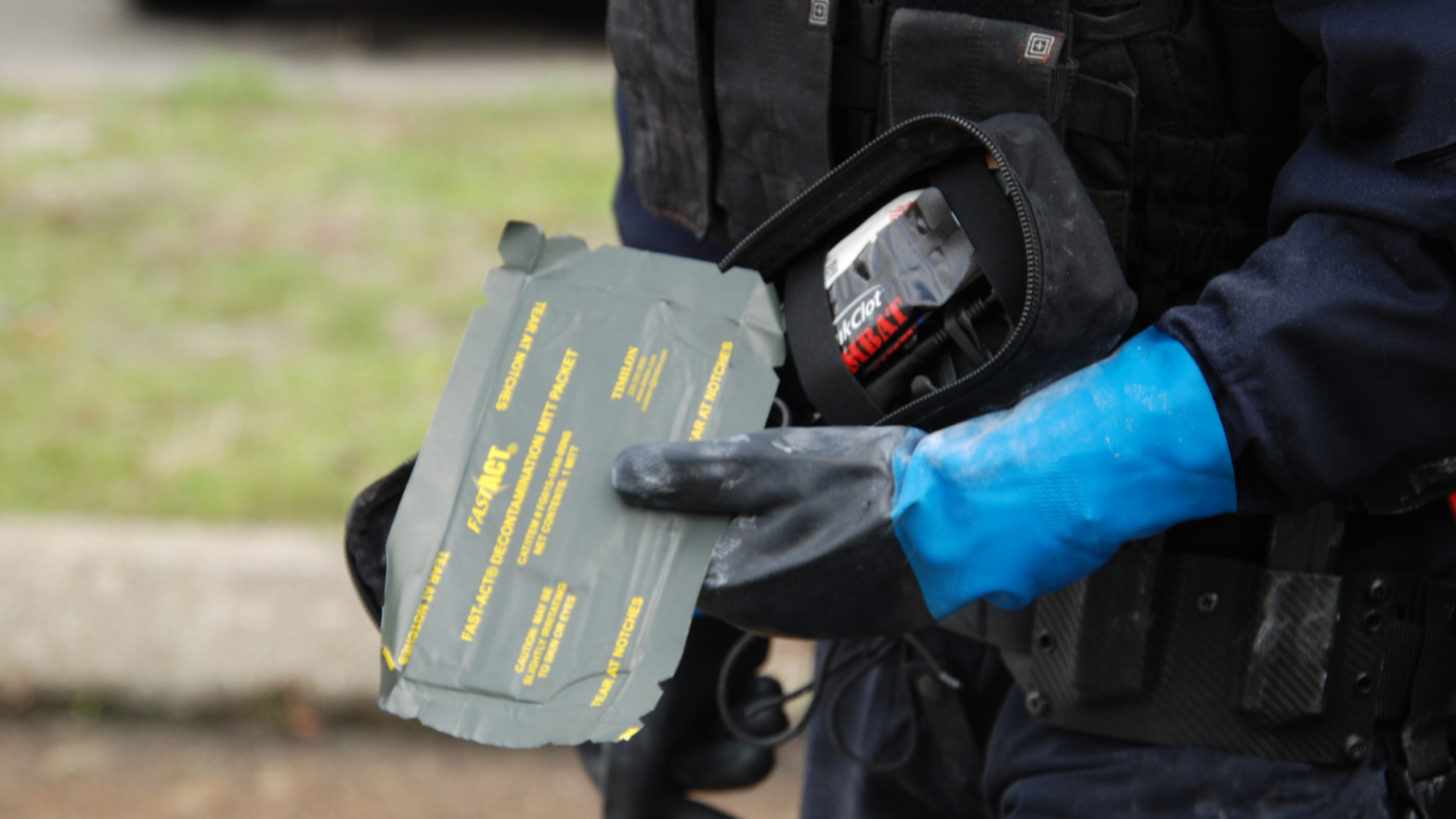
FAST-ACT® dry decontamination technology supports rapid response by combining physical removal with chemical neutralization. Learn how this approach differs from traditional methods and why it’s increasingly relevant in modern decontamination procedures.