Chemical hazard response across industrial operations requires rapid action to protect personnel, equipment, and continuity. Effective strategies focus on neutralization, exposure reduction, and minimizing downtime in environments where hazardous materials are part of daily operations.


Tag: FAST-ACT training
FAST-ACT November Event Highlights: Advancing CBRN Readiness Across the Nation
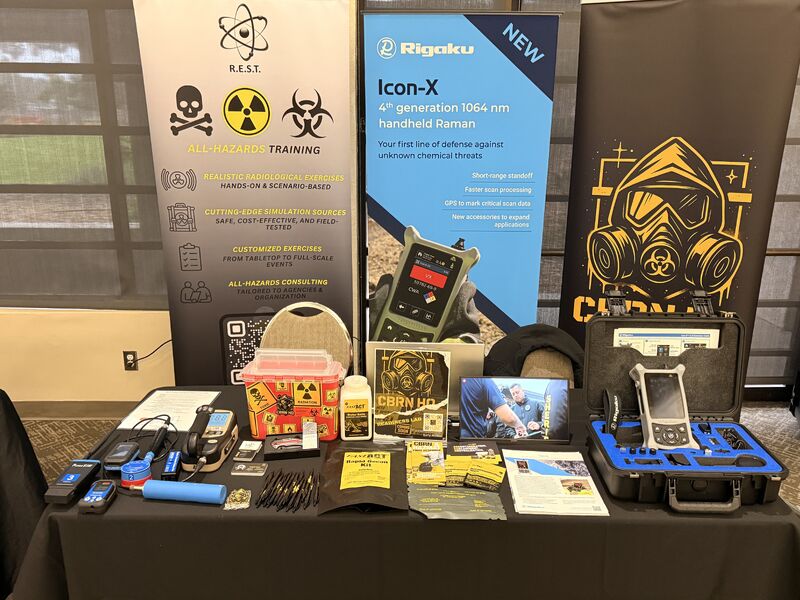
November event highlights showcase FAST-ACT®’s role in advancing CBRN readiness through nationwide training, demonstrations, and collaboration. These engagements strengthen coordination, improve operational preparedness, and support more effective response across emergency and defense sectors.
Why Combined Wet and Dry Decontamination Is the New Gold Standard for Hospital Emergency Preparedness
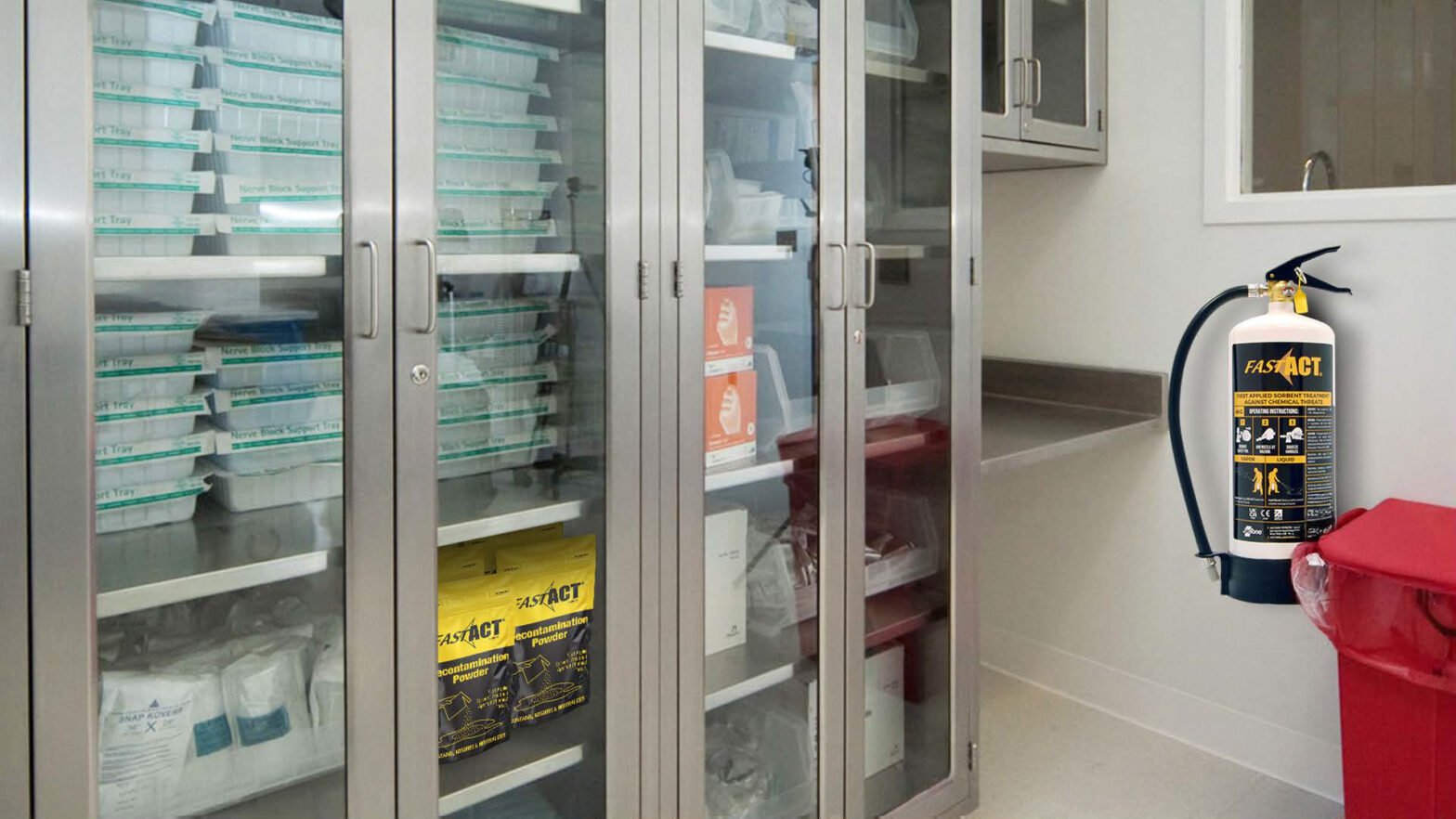
Combining wet and dry decontamination improves hospital response by addressing a wider range of chemical hazards. This integrated approach enhances speed, reduces exposure risks, and supports more effective patient care during complex incidents.
Eyes on the Zone: Securing FIFA 2026 Fan Areas Against Emerging CBRN Threats
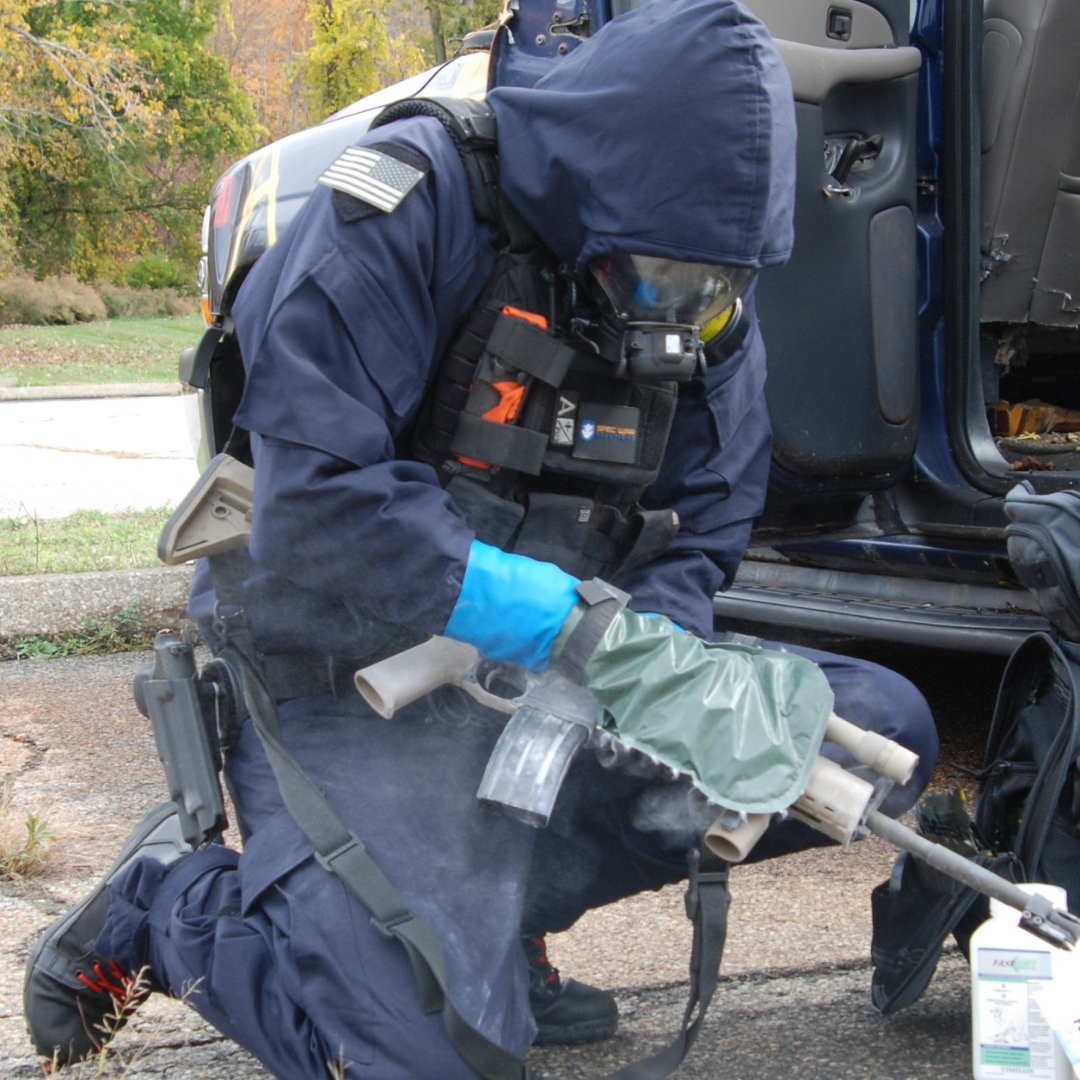
Securing FIFA 2026 requires coordinated planning to address complex CBRN and large-scale event risks. Effective strategies focus on multi-agency collaboration, rapid response capabilities, and scalable solutions to protect fans, infrastructure, and host cities.
Hospital Dry Decontamination: A Faster, More Efficient Approach to Emergency Response
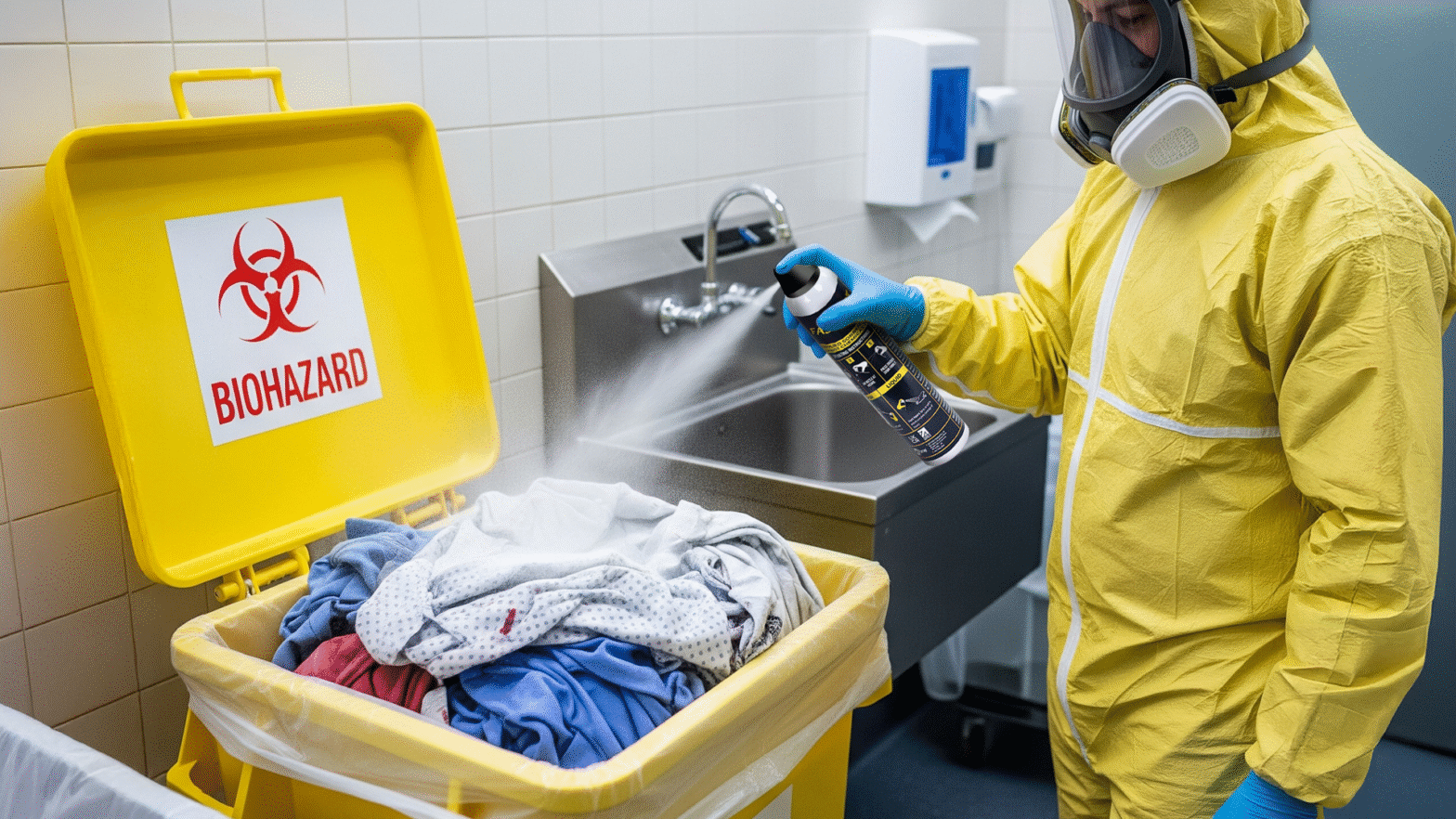
Hospital dry decontamination enables faster emergency response by eliminating delays associated with traditional water-based systems. This approach improves efficiency, reduces resource demands, and supports safer patient and staff management during chemical incidents.
The Shift Toward Dry Decontamination: Funding, Adoption, and the Future of CBRN Preparedness
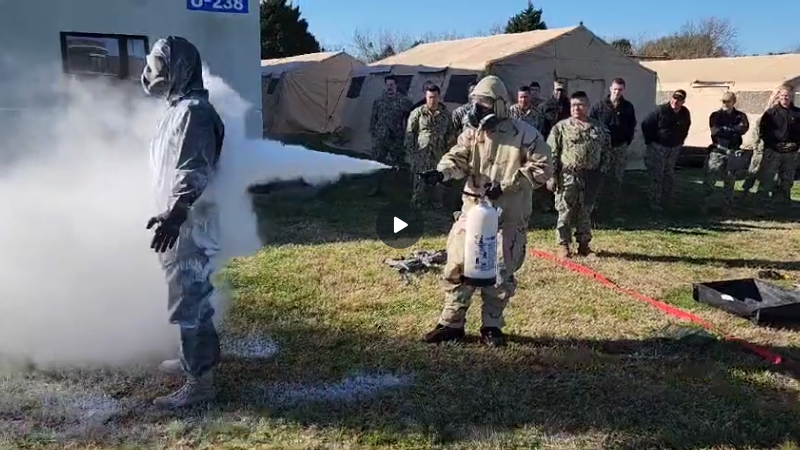
In this blog, we’ll examine why dry decontamination is gaining momentum, highlight Europe’s leadership and funding efforts, and explore how global organizations—including FAST-ACT—are adopting these solutions to strengthen preparedness for CBRN threats. standard.
Why Effective Chemical Spill Response Matters in Industrial Settings
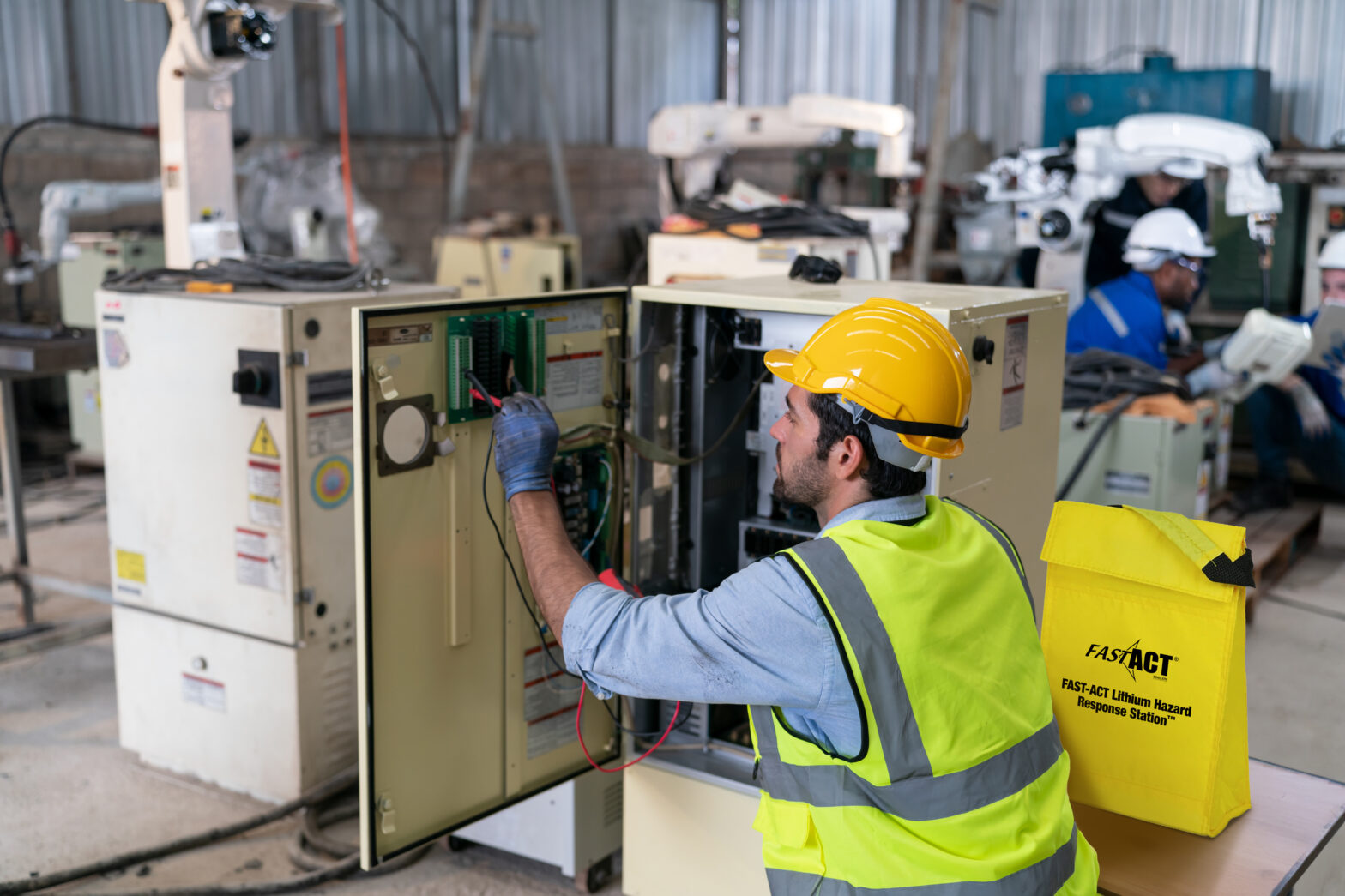
We’ll look at several industries where chemical spills are a pressing concern—including lithium-ion battery facilities, mining operations, and transportation hubs such as airports and ports—and explore how the right tools and response strategies can protect workers, reduce risks, and keep operations running safely.
Rapid Decontamination: Why Speed and Preparedness Save Lives
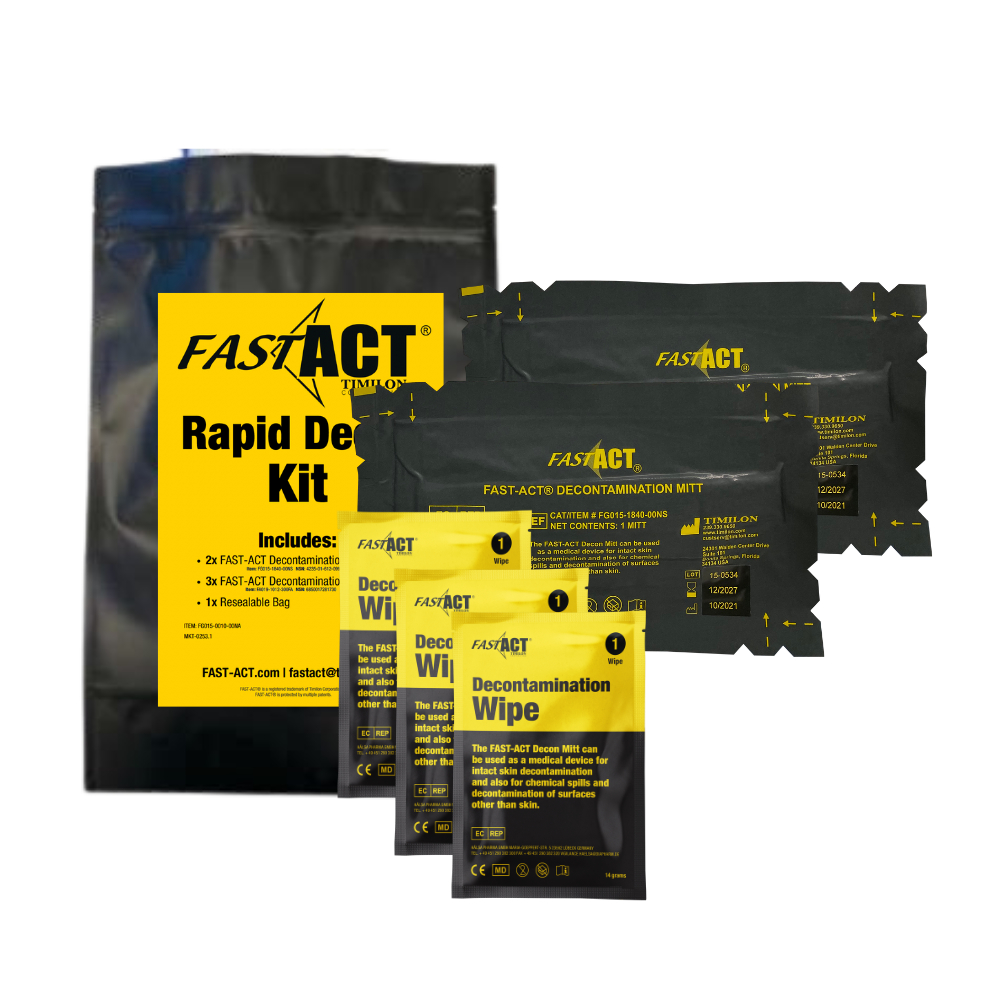
When hazardous materials are released—during a chemical spill, civil unrest, or exposure to unknown powders—time is critical. Rapid decontamination can dramatically reduce the risk of chemical exposure, limiting health threats to responders and the public.
FAST-ACT® Decontamination Products Receive National Stock Numbers (NSN)

FAST-ACT® is excited to announce that its 1kg Decontamination Powder and Decontamination Wipes (3-Pack) have been assigned National Stock Numbers (NSNs), read more.
What First Responders Need to Know About Bear Spray Incidents—and How to Decontaminate Safely
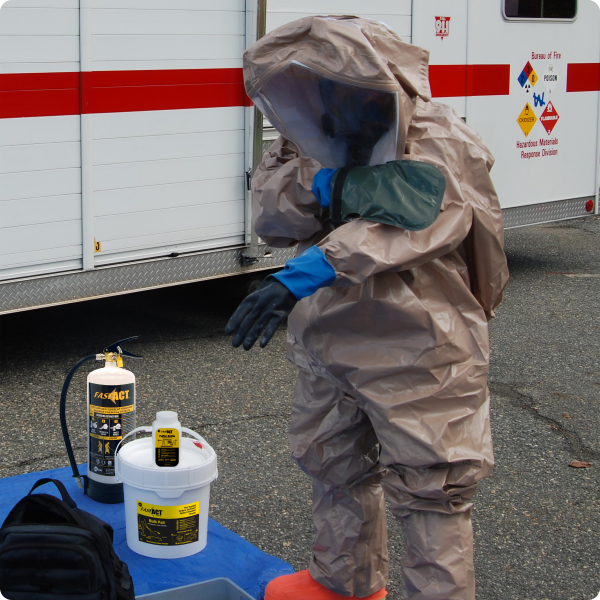
In today’s blog, we will explore essential steps to take during bear spray incidents and how FAST-ACT dry decontamination can serve as an effective solution for ensuring safety for first responders.