This blog summarizes what was shared publicly through HazmatNation and provides operational context based on FAST-ACT’s experience supporting emergency preparedness and response across transportation, industrial, and healthcare environments.


Tag: Sensitive equipment
How Global Defense Investments Signal a Growing Need for Advanced Chemical Response Readiness

As nations increase defense funding and expand industrial production capacity, one reality is becoming clearer: modern threats require stronger advanced chemical response readiness across military forces, emergency responders, hospitals, and industrial sectors. The European Parliament’s approval of its first-ever defense industry program—aimed at boosting continental manufacturing and rapid-response capability—illustrates a global shift toward addressing evolving… Continue reading How Global Defense Investments Signal a Growing Need for Advanced Chemical Response Readiness
FAST-ACT December Event Highlights: Strengthening Chemical Response Readiness Across Agencies

This month, FAST-ACT continued advancing chemical preparedness through demonstrations and follow-up engagements with emergency response and military units.
Hospital Chemical Decontamination Readiness: Why Many Facilities Are Still Unprepared

Hospitals today face increasing risks from hazardous materials, chemical incidents, toxic industrial chemicals (TICs), and chemical warfare agents (CWAs). These events require specialized safety protocols, appropriate Personal Protective Equipment (PPE), and established decontamination protocols to protect both staff and patients. Yet most facilities remain underprepared to manage a chemical release or mass chemical exposure during a mass casualty event. A recent report revealed that nearly 70% of hospitals are unprepared for chemical and biological emergencies. Additional research supports this trend: many emergency departments lack operational readiness for chemical emergency medical management or hospital patient decontamination.
National Environmental Awareness Month: Strengthening Environmental Chemical Hazard Response Across Industrial Operations

This blog will cover how key industries—including mining, oil and gas, environmental remediation, and battery manufacturing—manage chemical hazards and strengthen their emergency response capabilities for National Environmental Awareness Month.
Why Combined Wet and Dry Decontamination Is the New Gold Standard for Hospital Emergency Preparedness
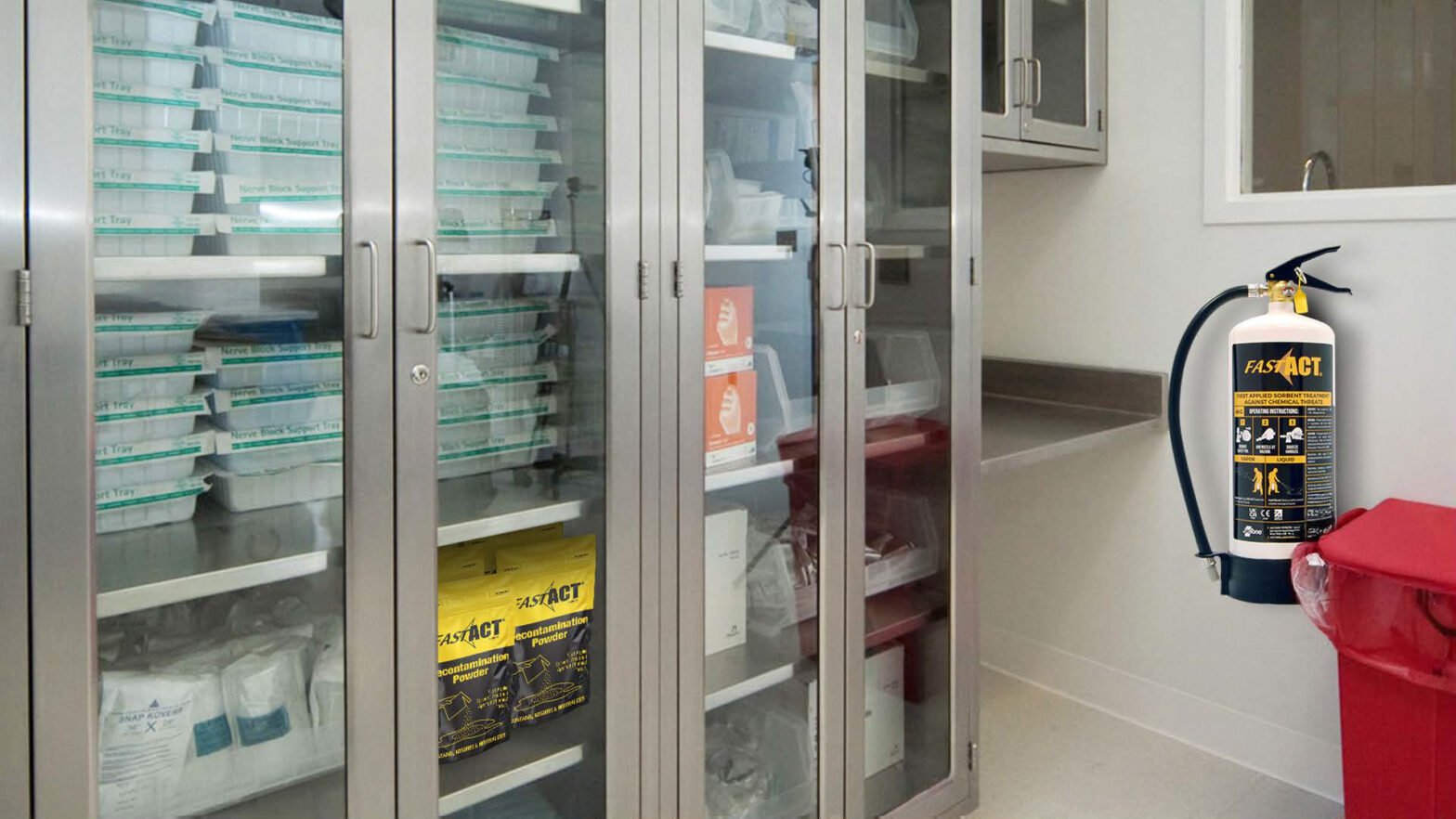
Across Level 1 trauma centers in the U.S., Sweden, Canada, and Singapore, teams now deploy combined decontamination methods—a hybrid model proven to improve outcomes, optimize speed, and reduce risks from hazardous chemicals. This approach aligns with hospital emergency preparedness standards that prioritize rapid, safe, and patient-centered decontamination workflows.
The Science of Safe Decontamination: Protecting Sensitive Equipment from CWAs

Decontamination is essential for neutralizing Chemical Warfare Agents (CWAs) and protecting sensitive equipment from hazardous exposure. Traditional methods can be too harsh for delicate materials like electronics and optical devices, making specialized solutions necessary. Learn more about effective decontamination solutions and download our test report today.