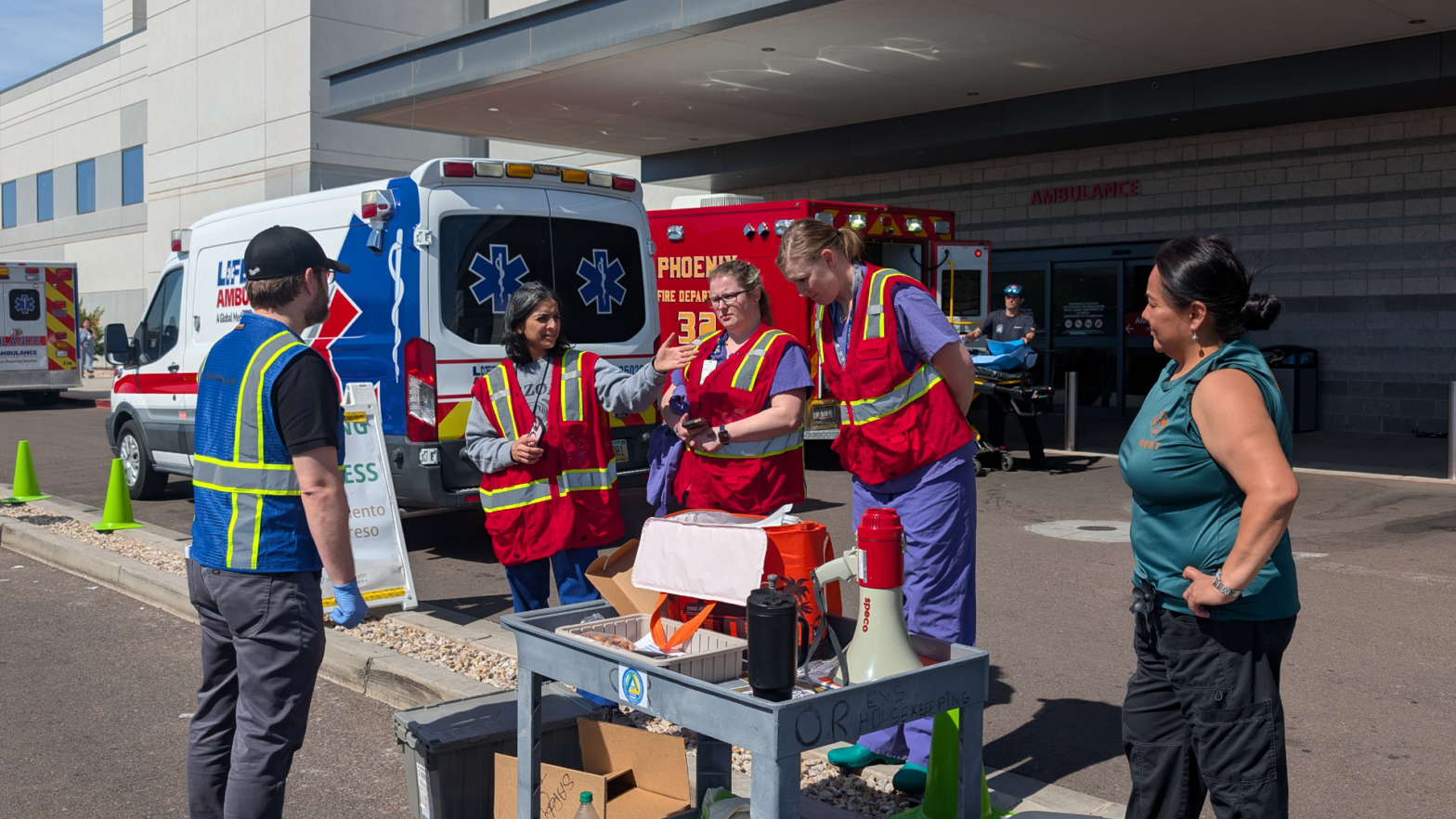
Hospitals prepare extensively for trauma, infectious disease, and natural disasters. Yet when a hazardous materials incident or chemical exposure event occurs, even well-equipped healthcare facilities can make preventable errors. These common hospital decontamination mistakes often happen in the first critical minutes, when patient safety, staff protection, and operational continuity are most vulnerable. Decontamination in a hospital setting… Continue reading Common Hospital Decontamination Mistakes (And How to Avoid Them During Chemical Incidents)


Tag: Skin Decontamination
CBRN Threat Preparedness Amid Rising Global Tensions
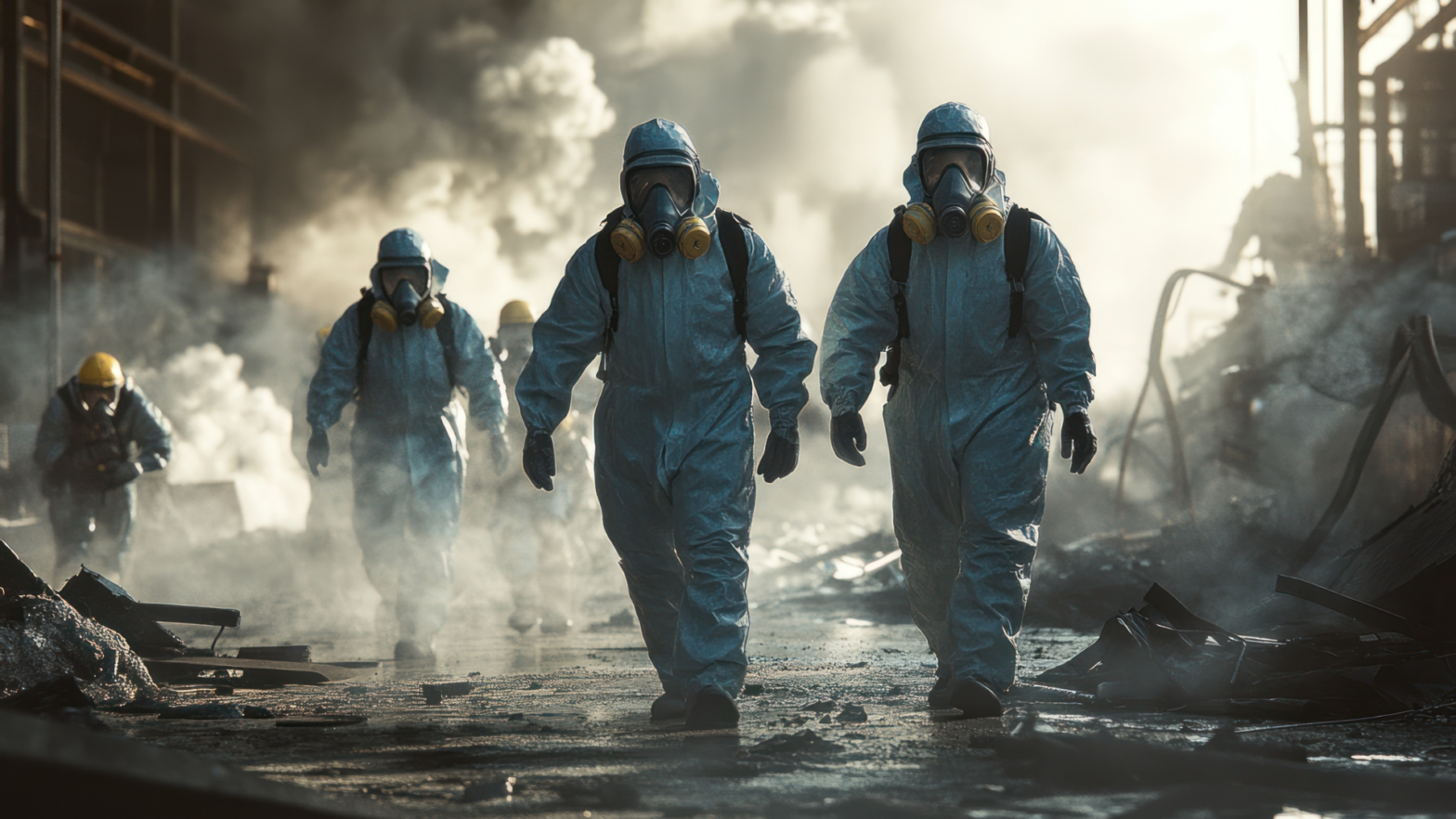
Recent military exchanges involving Iran, Israel, and the United States — including missile strikes and retaliatory actions — have increased instability across parts of the Middle East. Public reporting from NBC News and the BBC describes expanding cross-border activity and heightened military alert levels. As tensions rise, defense sectors reinforce preparedness across the full Chemical – Biological – Radiological – Nuclear (CBRN) spectrum to ensure readiness against both conventional and unconventional threats.
Hospital Decontamination Planning: 4 Key Factors Every Facility Should Consider
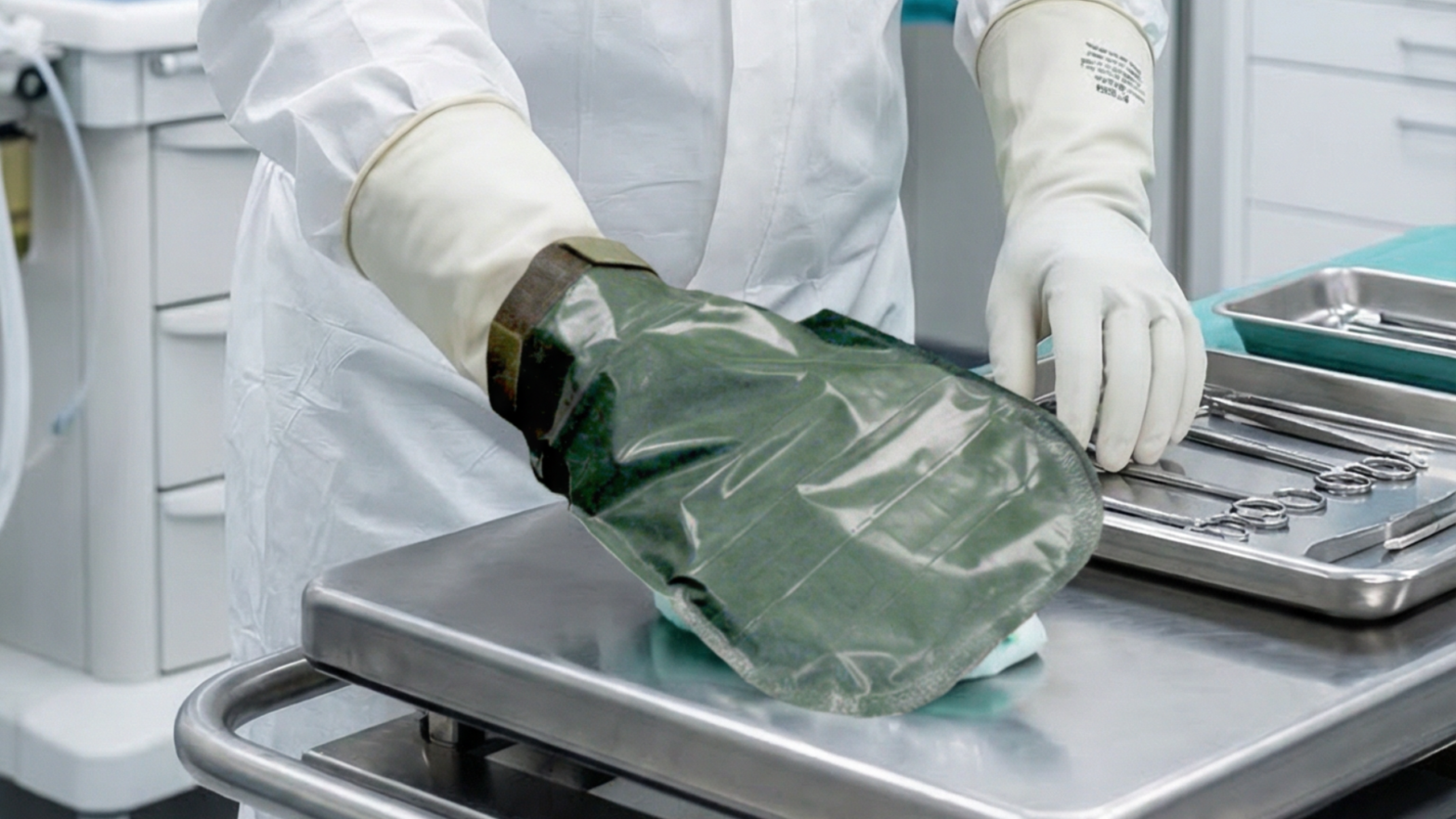
Hospitals preparing for chemical incidents face a difficult and fast-moving reality: patients may arrive without warning, exposure details may be unclear, and staff must rapidly balance patient care with workplace safety. This makes hospital decontamination planning a critical part of disaster response for any emergency department, especially during events involving hazardous materials or chemical contaminants.
Early Hospital Chemical Decontamination: How PRISM and the 15 ’til 50 Framework Help Hospitals Act in the First Minutes

This article explores why early hospital chemical decontamination matters, how these frameworks guide response, and how early dry decontamination tools can support hospital preparedness.
Top 5 Most Common Decontamination Pitfalls Between Hospitals and First Responders

Chemical incidents rarely arrive at hospitals in an orderly sequence. In many hazardous materials incidents, patients self-present before scene control is established, before responder decontamination is complete, and before hospital systems are fully activated. This places hospitals into an immediate operational role that blends clinical medical care, hazardous materials management, and facility protection.
FAST-ACT February Highlights: Advancing Dry Decontamination Readiness Through Training and Global Engagement
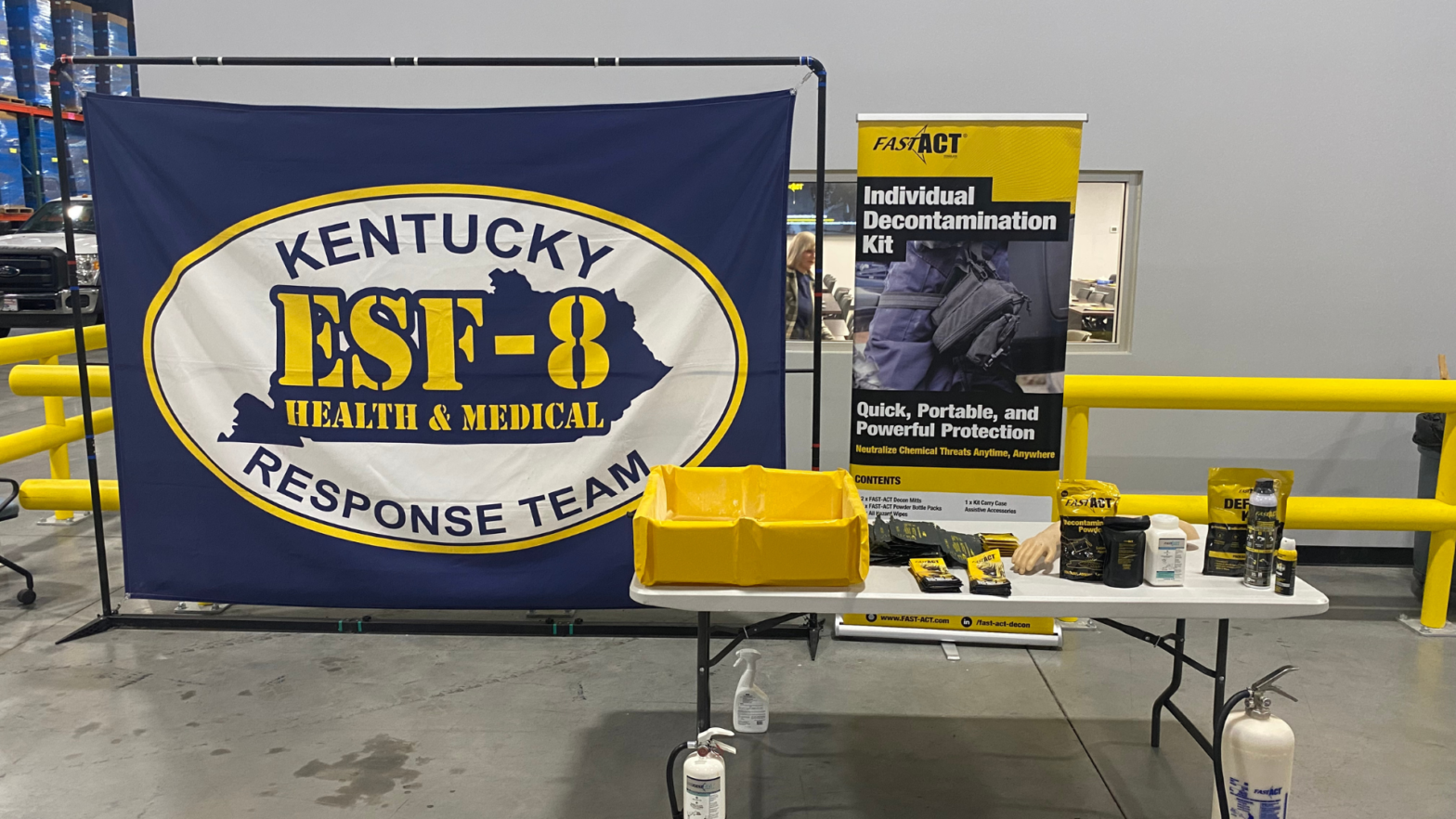
February was a strong month for FAST-ACT as our team continued supporting responder preparedness through hands-on demonstrations and international engagement.
DOT HazMat Inspection Priorities: What PHMSA’s New Focus Means for Hazardous Materials Transport
This blog summarizes what was shared publicly through HazmatNation and provides operational context based on FAST-ACT’s experience supporting emergency preparedness and response across transportation, industrial, and healthcare environments.
What Is Your Unidentified Hazardous Materials Response Strategy?

When a material is unknown, delaying action can increase exposure risk, allow contamination to spread, and endanger both responders and the public. An effective emergency response plan must account for this reality and prioritize immediate hazard reduction alongside identification efforts.
How Global Defense Investments Signal a Growing Need for Advanced Chemical Response Readiness

As nations increase defense funding and expand industrial production capacity, one reality is becoming clearer: modern threats require stronger advanced chemical response readiness across military forces, emergency responders, hospitals, and industrial sectors. The European Parliament’s approval of its first-ever defense industry program—aimed at boosting continental manufacturing and rapid-response capability—illustrates a global shift toward addressing evolving… Continue reading How Global Defense Investments Signal a Growing Need for Advanced Chemical Response Readiness
FAST-ACT December Event Highlights: Strengthening Chemical Response Readiness Across Agencies

This month, FAST-ACT continued advancing chemical preparedness through demonstrations and follow-up engagements with emergency response and military units.