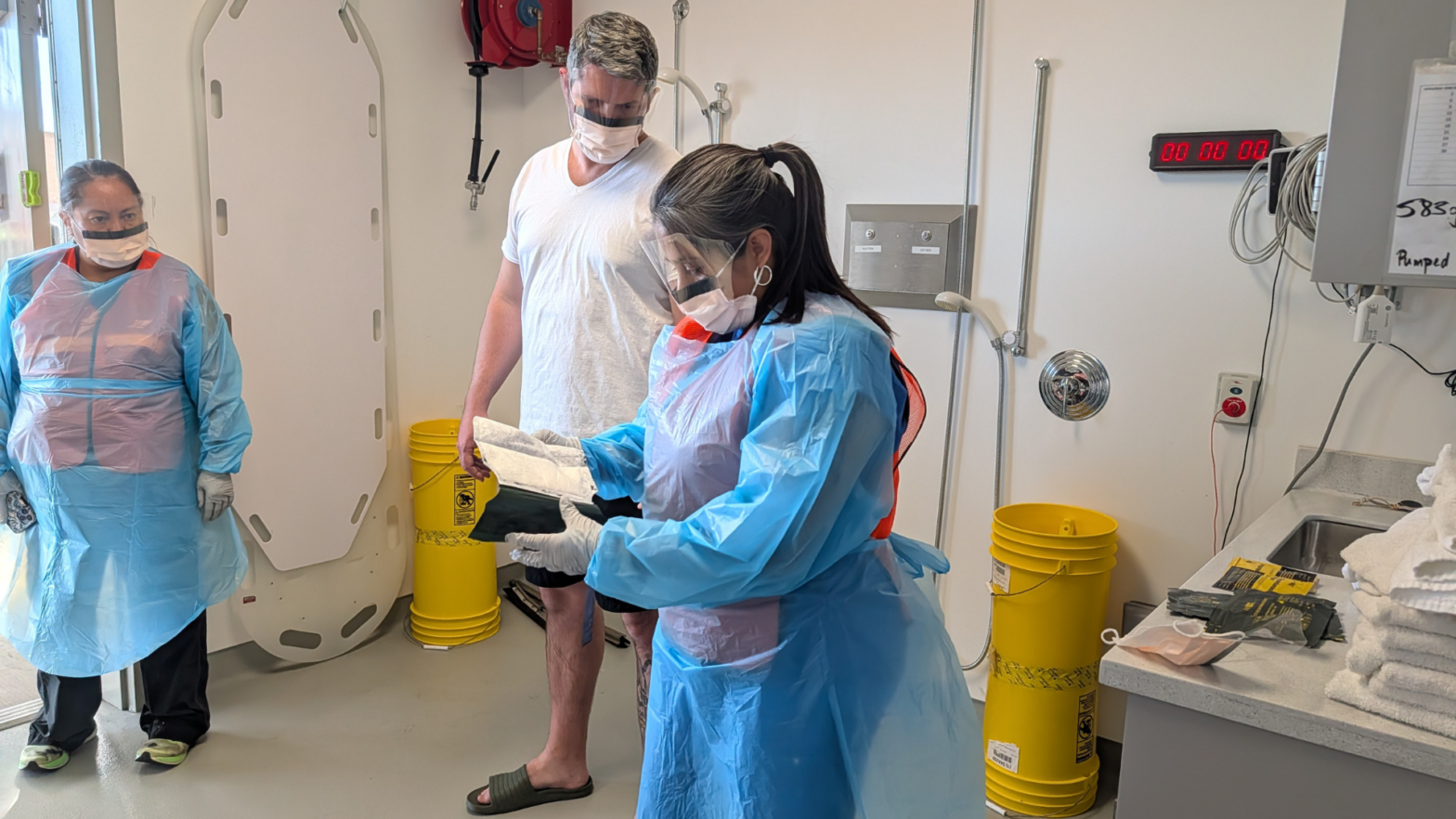
Hospital decontamination procedures are critical during chemical incidents, but the highest risk often occurs before systems are fully in place. This blog explores zones, triage, and the importance of early response.


Author: Samantha Deppert
Hazardous Materials Shipping by Air: Why Compliance Matters and What Happens When It Fails

Hazardous materials shipping by air carries serious risks when compliance fails. This blog explores common failures and how FAST-ACT supports rapid response to chemical spills, vapor hazards, and unknown exposures in transportation environments.
Chemical Emergency Response Equipment for Airports: What’s Needed for Effective Response

Airports face unique risks from chemical incidents, requiring fast, effective response. This blog outlines the essential chemical emergency response equipment needed to manage both liquid and vapor hazards in dynamic airport environments.
The Science Behind The FAST-ACT® Dry Decontamination Technology
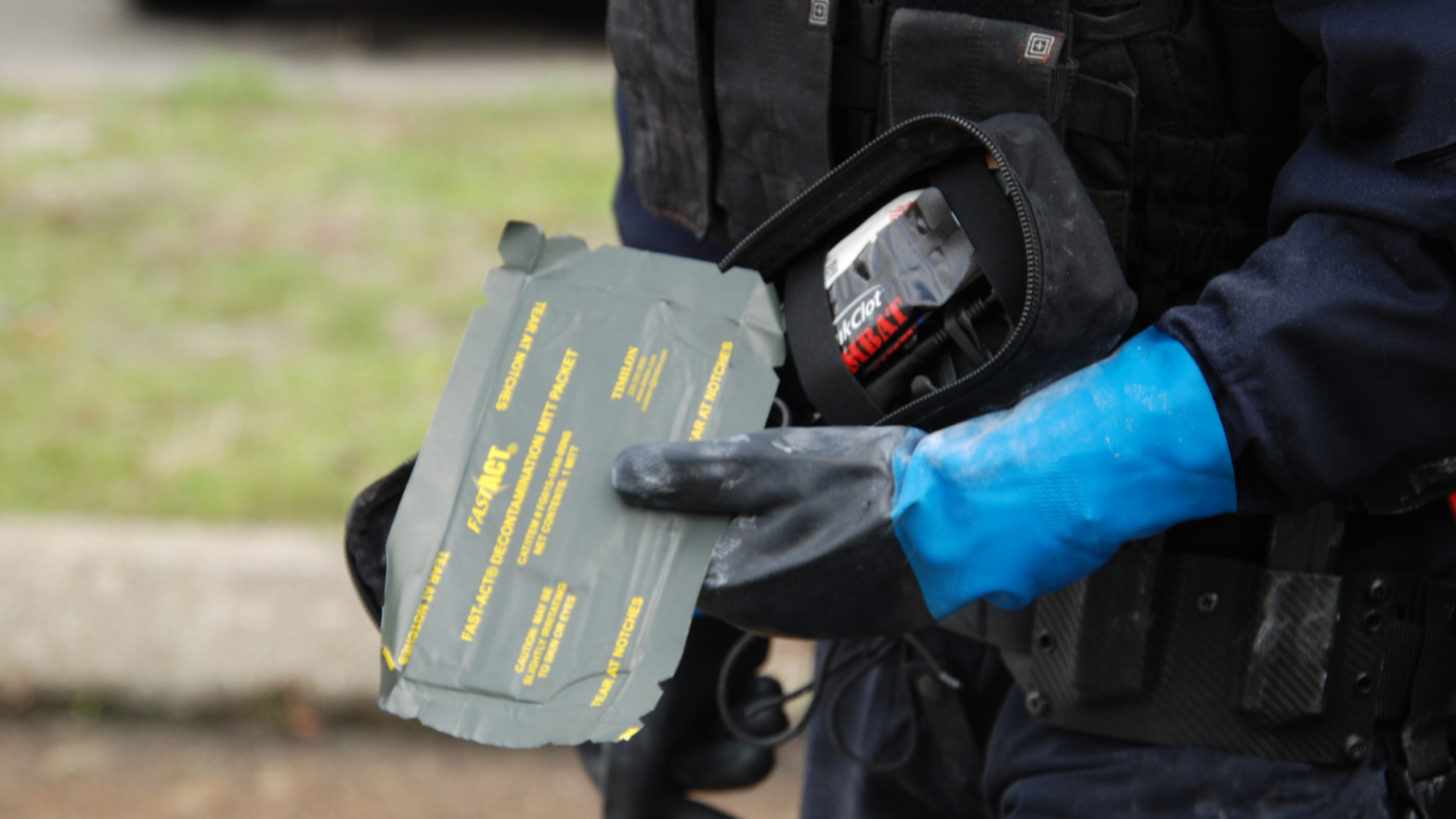
FAST-ACT® dry decontamination technology supports rapid response by combining physical removal with chemical neutralization. Learn how this approach differs from traditional methods and why it’s increasingly relevant in modern decontamination procedures.
Improving Hospital Chemical Decontamination Preparedness: Insights from a U.S. Healthcare Facility Demonstration
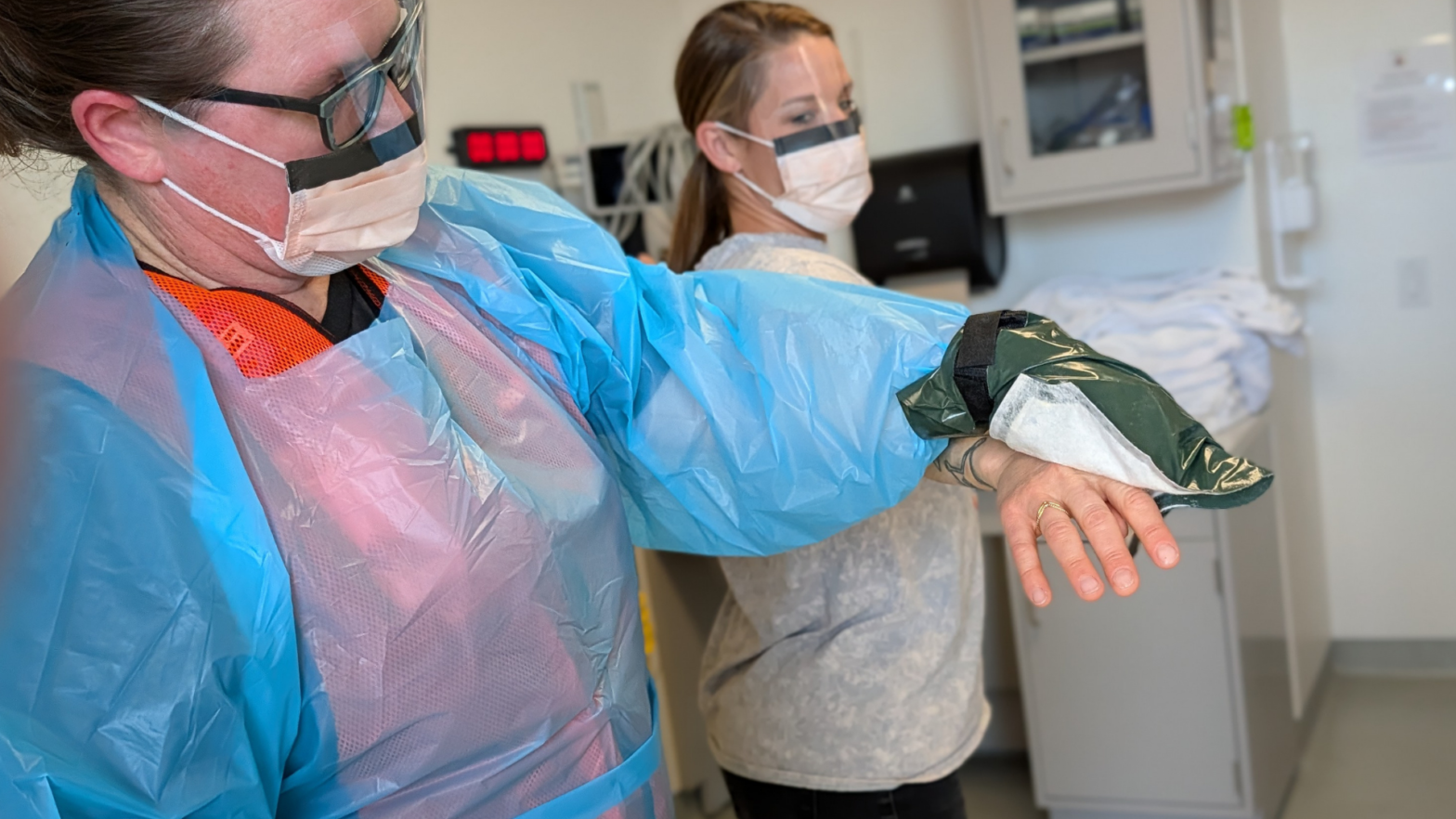
A U.S. healthcare facility demonstration highlights key gaps in hospital chemical decontamination preparedness. Learn how integrating FAST-ACT® dry decontamination supports faster response, improves safety, and strengthens overall readiness during chemical incidents.
Common Hospital Decontamination Mistakes (And How to Avoid Them During Chemical Incidents)
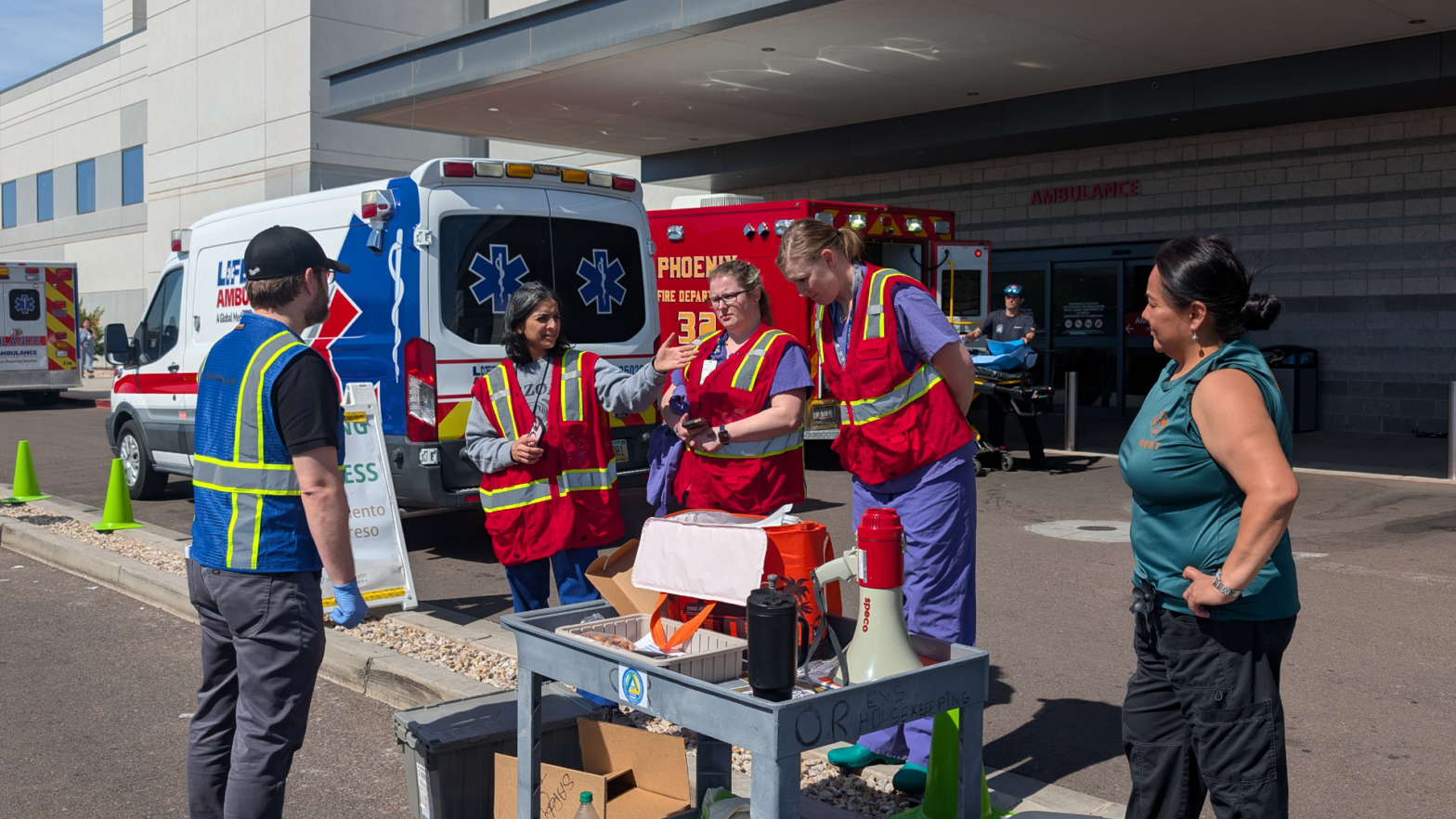
Hospitals can make critical decontamination mistakes during chemical incidents, especially in the first minutes of response. Learn how FAST-ACT® dry decontamination helps reduce risk, improve safety, and strengthen hospital preparedness.
CBRN Threat Preparedness Amid Rising Global Tensions
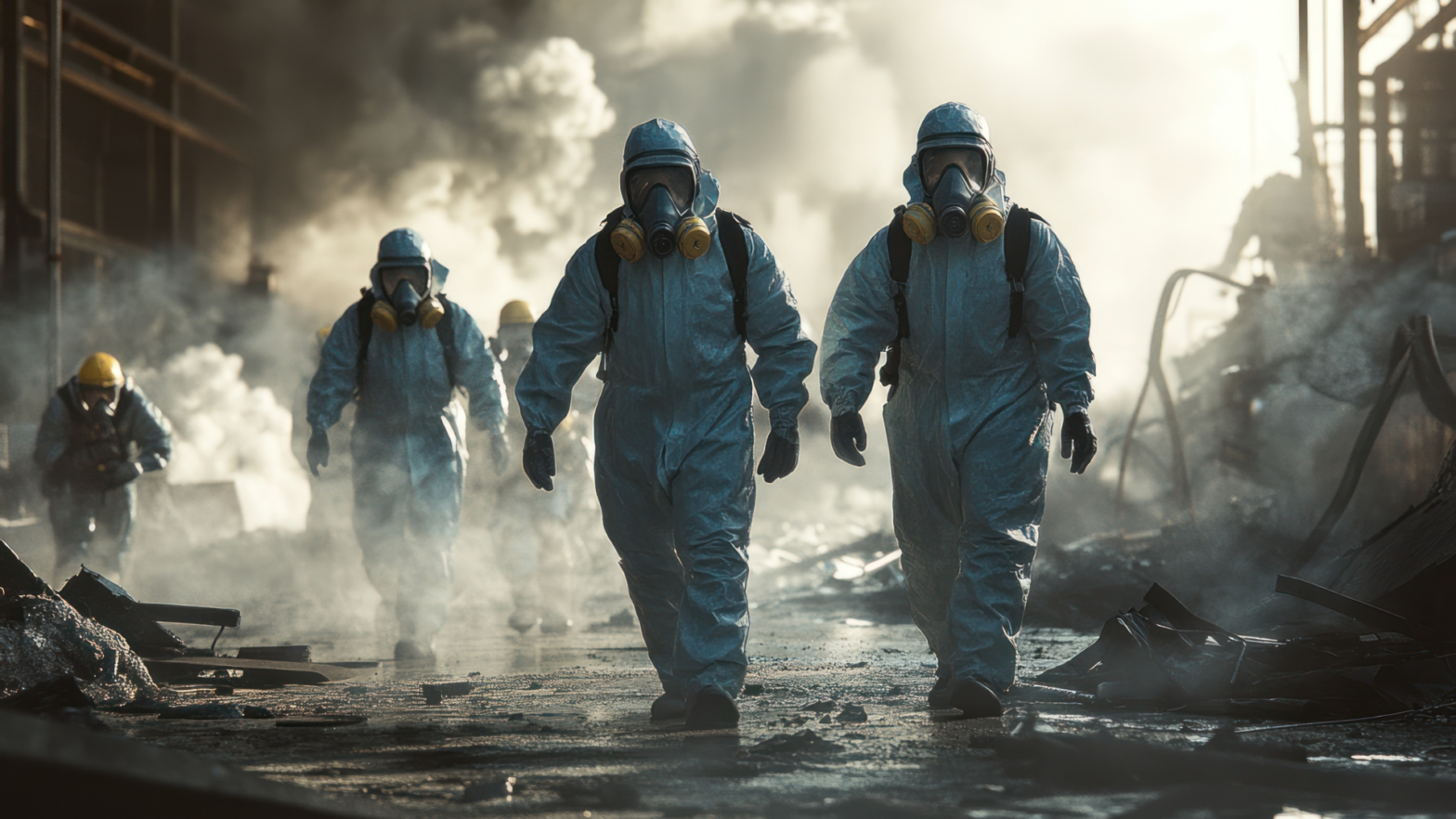
Rising global tensions are increasing awareness of CBRN threats across defense and emergency response sectors. Learn how preparedness strategies, including FAST-ACT® dry decontamination, support faster response and strengthen resilience in evolving risk environments.
Hazmat Safety at Large Events: What the Olympics and World Cup Teach Us About Preparedness

Large-scale public events create unique hazmat safety challenges in crowded environments. Learn how preparedness strategies and FAST-ACT® dry decontamination support rapid response, reduce risk, and enhance safety during high-attendance events.
Hospital Decontamination Planning: 4 Key Factors Every Facility Should Consider
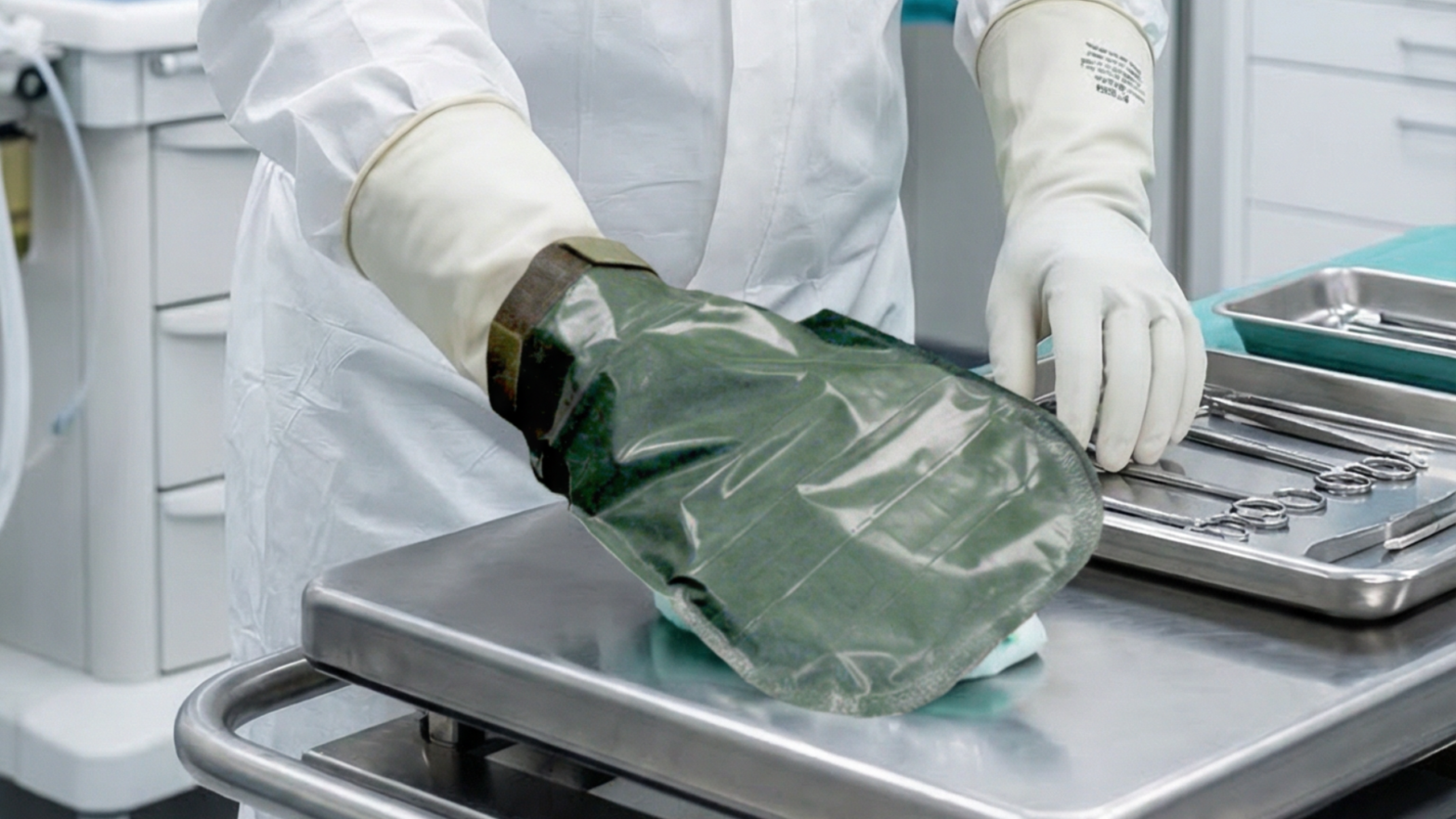
Effective hospital decontamination planning is critical for managing chemical incidents and protecting staff and patients. Learn the four key factors every facility should consider, including layout, equipment, methods, and training readiness.
Early Hospital Chemical Decontamination: How PRISM and the 15 ’til 50 Framework Help Hospitals Act in the First Minutes
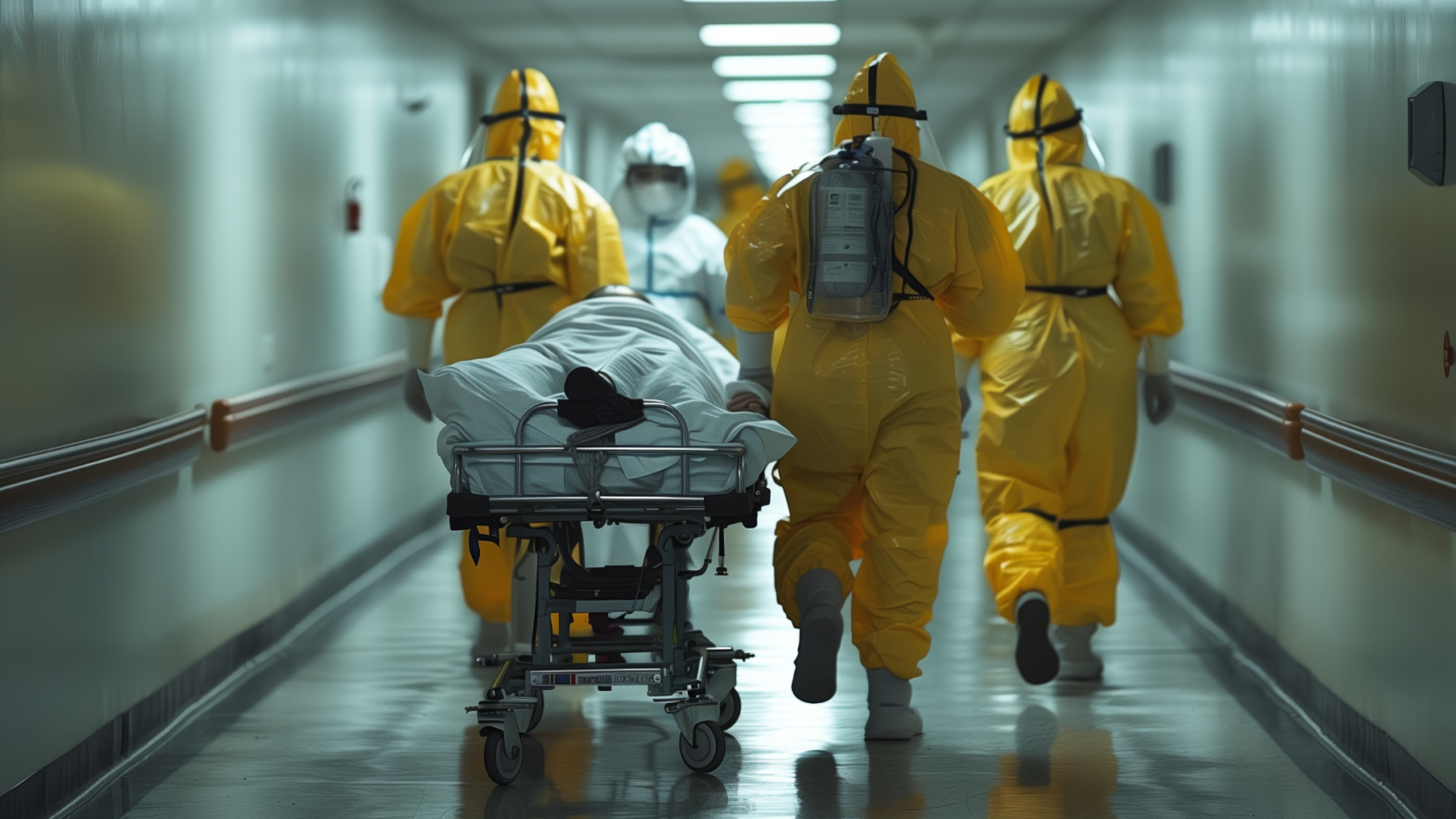
Early hospital chemical decontamination is critical in the first minutes of a chemical incident. Learn how PRISM and the “15 ’til 50” framework guide rapid, scalable response and support safer patient and staff outcomes.