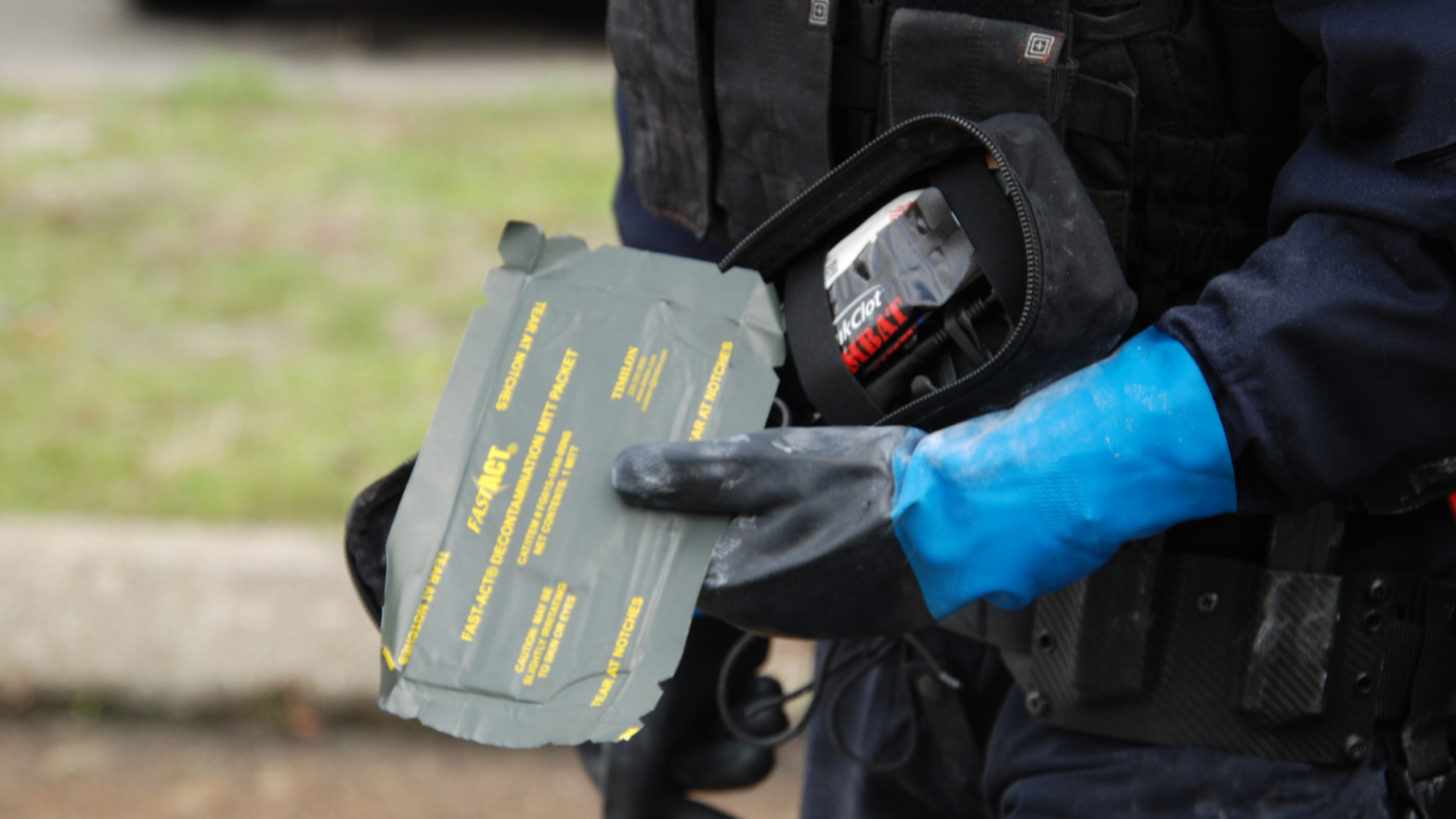
FAST-ACT® dry decontamination technology is designed to support rapid response by combining physical removal with chemical neutralization. Understanding the science behind this approach helps explain how it differs from traditional decontamination techniques and why it is increasingly relevant in modern decontamination procedures.


Tag: chemical warfare agents
Common Hospital Decontamination Mistakes (And How to Avoid Them During Chemical Incidents)
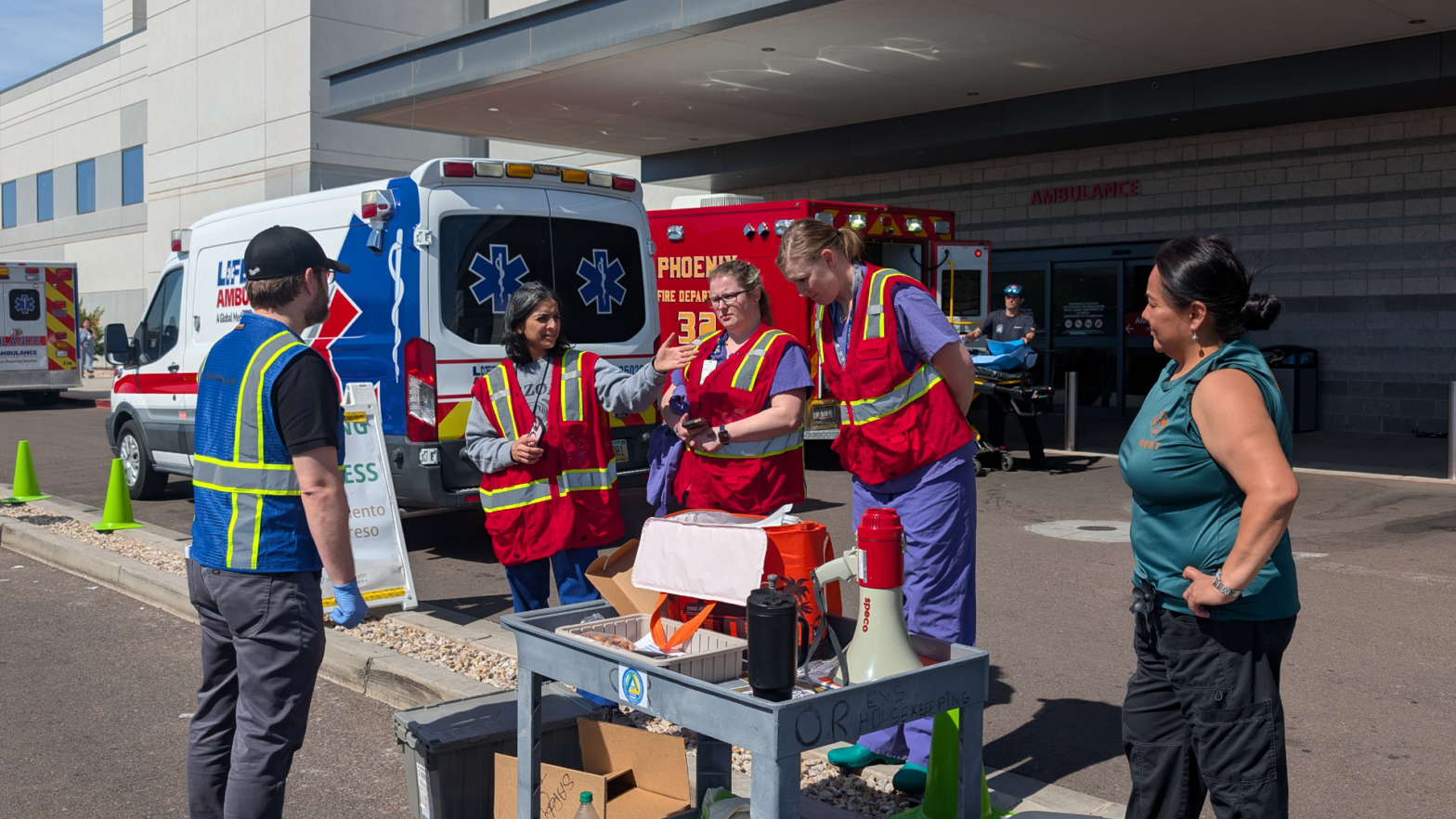
Hospitals prepare extensively for trauma, infectious disease, and natural disasters. Yet when a hazardous materials incident or chemical exposure event occurs, even well-equipped healthcare facilities can make preventable errors. These common hospital decontamination mistakes often happen in the first critical minutes, when patient safety, staff protection, and operational continuity are most vulnerable. Decontamination in a hospital setting… Continue reading Common Hospital Decontamination Mistakes (And How to Avoid Them During Chemical Incidents)
CBRN Threat Preparedness Amid Rising Global Tensions
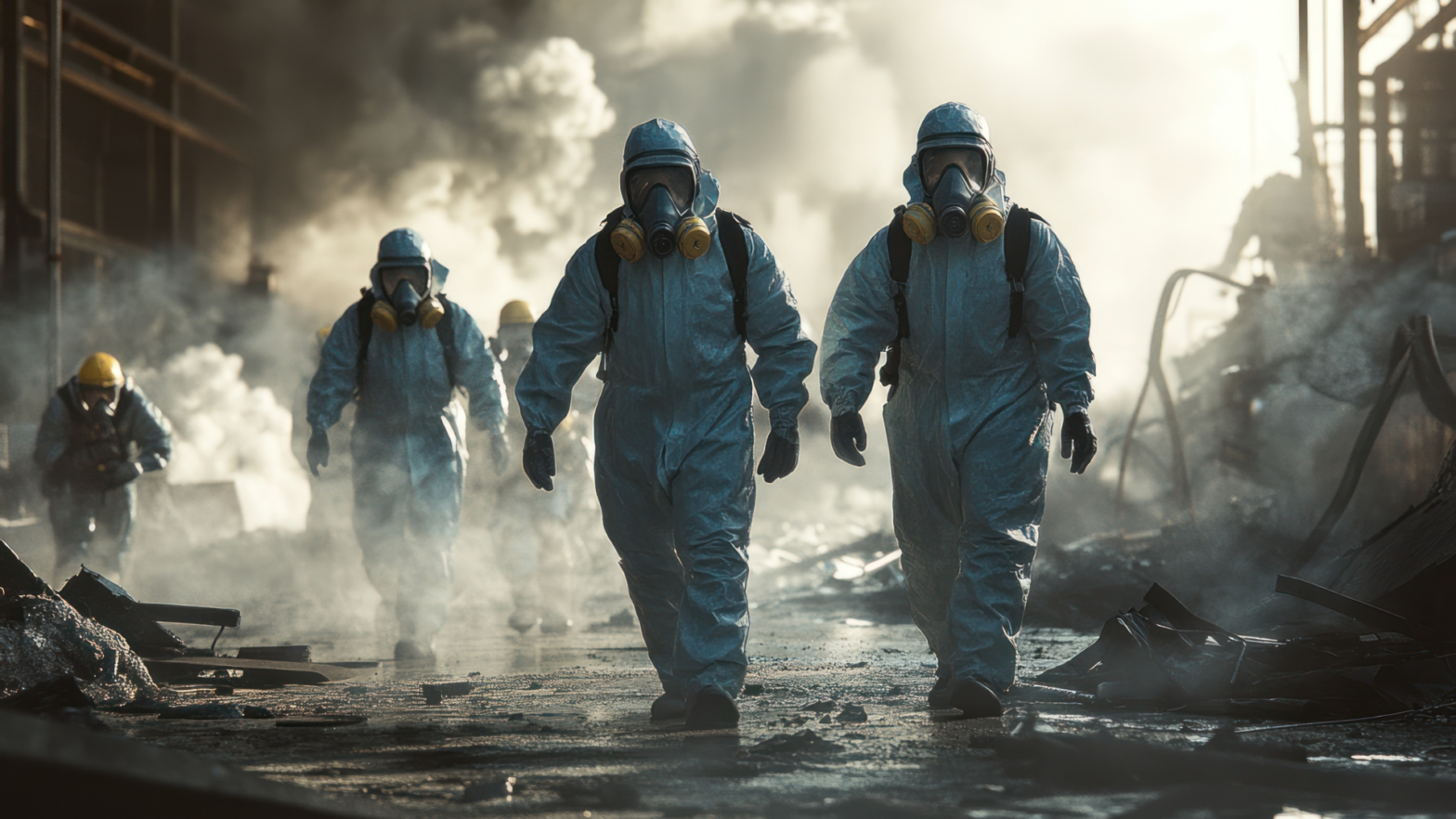
Recent military exchanges involving Iran, Israel, and the United States — including missile strikes and retaliatory actions — have increased instability across parts of the Middle East. Public reporting from NBC News and the BBC describes expanding cross-border activity and heightened military alert levels. As tensions rise, defense sectors reinforce preparedness across the full Chemical – Biological – Radiological – Nuclear (CBRN) spectrum to ensure readiness against both conventional and unconventional threats.
Hazmat Safety at Large Events: What the Olympics and World Cup Teach Us About Preparedness

From opening ceremonies to packed stadiums and global audiences, major public events like the Olympic Games and the 2026 FIFA World Cup present extraordinary opportunities—and unique safety challenges. One of those challenges is ensuring hazmat safety at large events, particularly in crowded environments, where hazardous materials incidents, infrastructure failures, or intentional threats could pose serious risks.
Hospital Decontamination Planning: 4 Key Factors Every Facility Should Consider
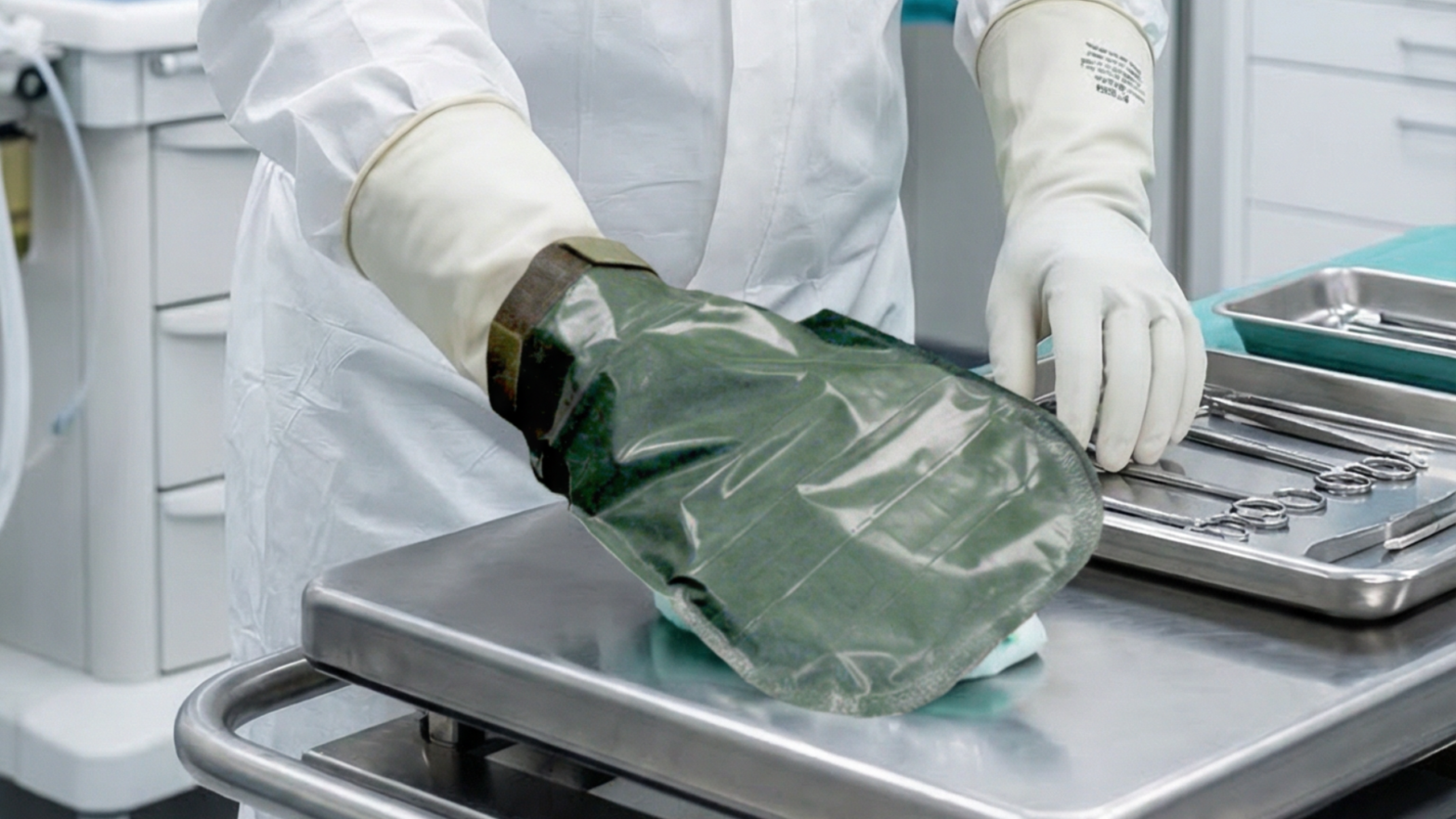
Hospitals preparing for chemical incidents face a difficult and fast-moving reality: patients may arrive without warning, exposure details may be unclear, and staff must rapidly balance patient care with workplace safety. This makes hospital decontamination planning a critical part of disaster response for any emergency department, especially during events involving hazardous materials or chemical contaminants.
Early Hospital Chemical Decontamination: How PRISM and the 15 ’til 50 Framework Help Hospitals Act in the First Minutes

This article explores why early hospital chemical decontamination matters, how these frameworks guide response, and how early dry decontamination tools can support hospital preparedness.
FAST-ACT February Highlights: Advancing Dry Decontamination Readiness Through Training and Global Engagement
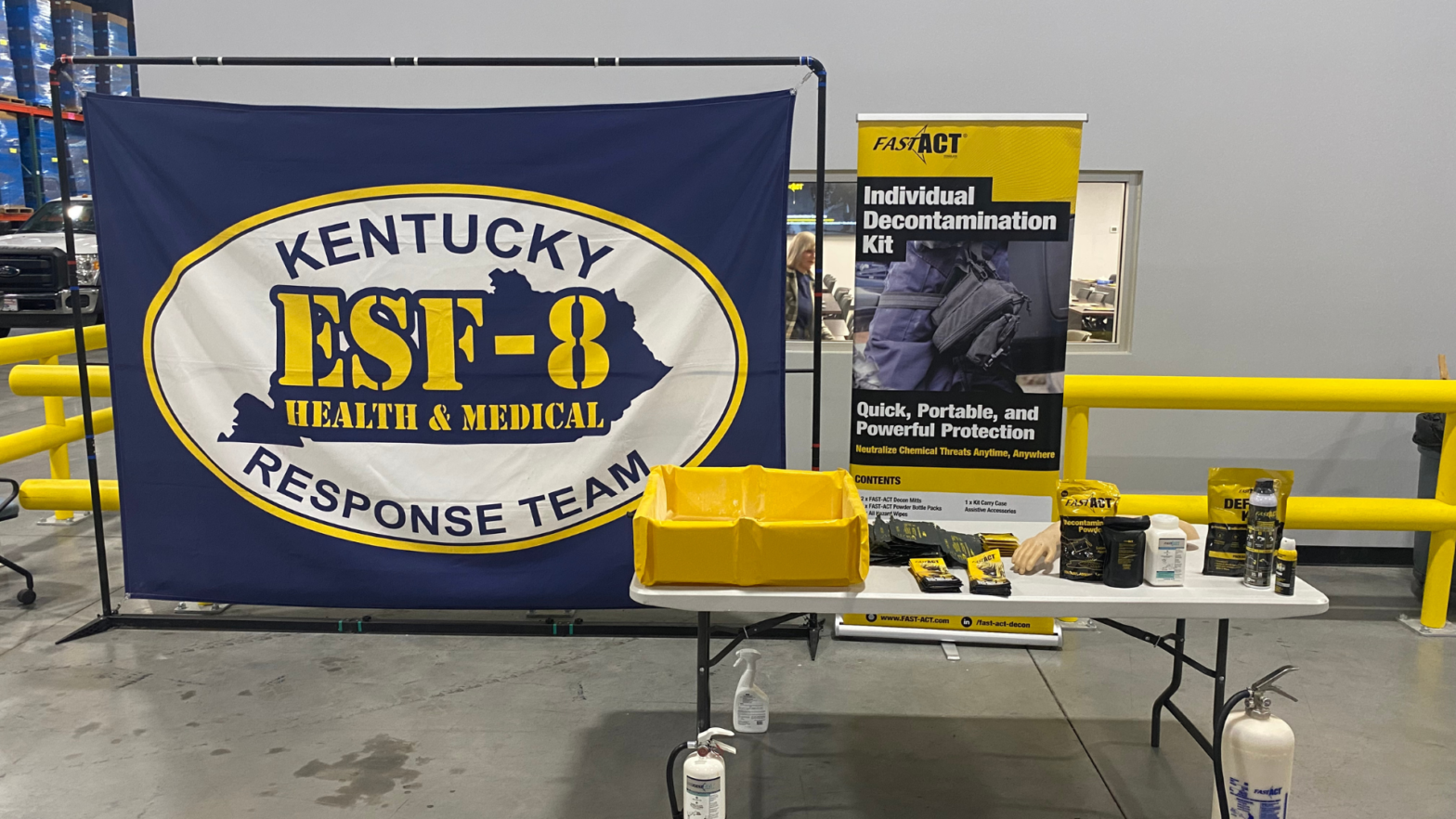
February was a strong month for FAST-ACT as our team continued supporting responder preparedness through hands-on demonstrations and international engagement.
Decontamination in High-Risk Environments: Operational Realities Across Critical Sectors
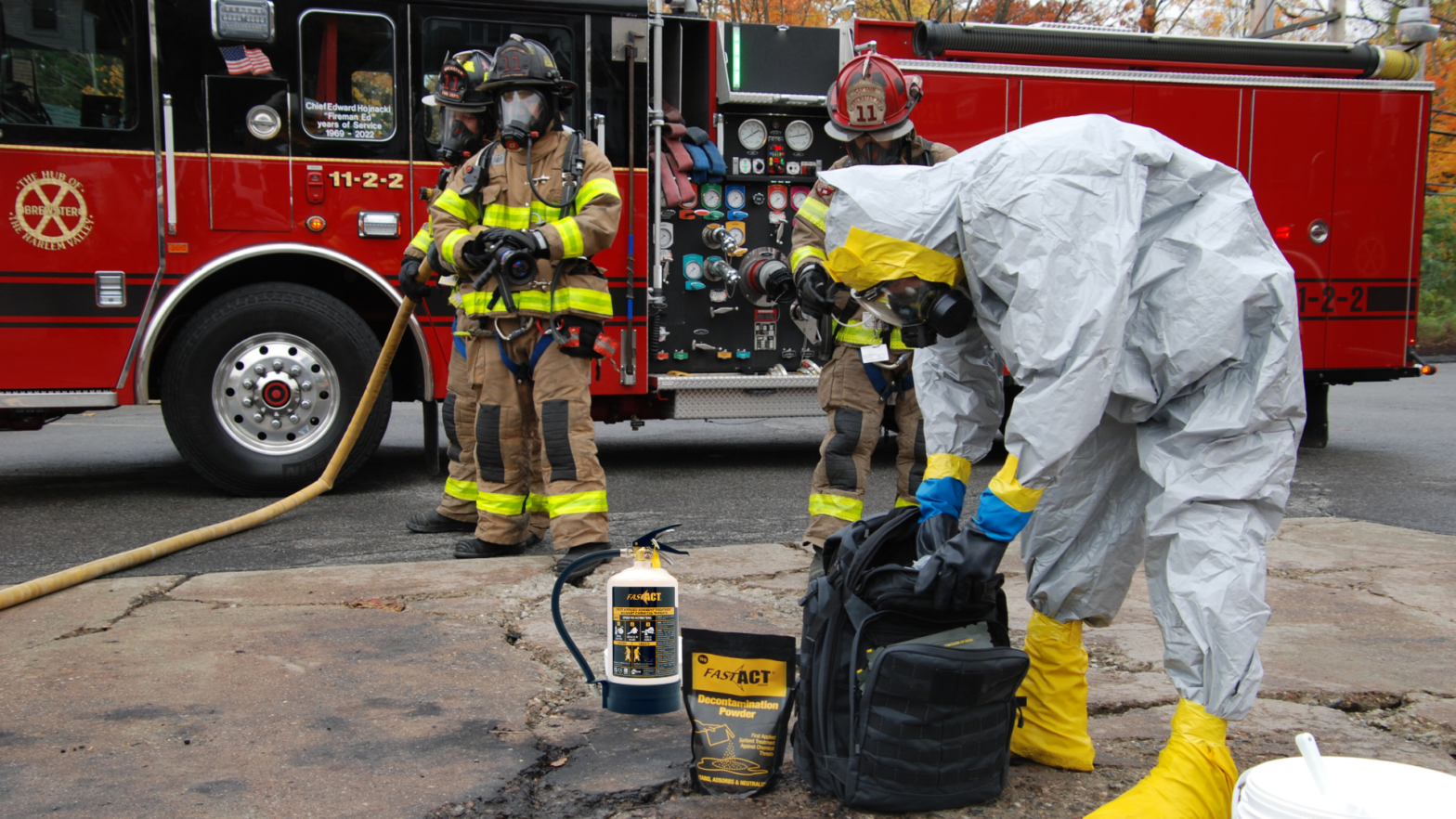
Across FAST-ACT’s supported environments, the consequences of delayed or ineffective decontamination are significant — ranging from patient and responder exposure to operational shutdowns, equipment damage, and large-scale public safety impacts. Understanding decontamination in high-risk environments helps organizations align response planning, decontamination procedures, and the overall decontamination process with real-world conditions involving chemical hazards and environmental contamination.
Dry Decontamination in Cold Weather: Managing Chemical and Vapor Hazards When Temperatures Drop
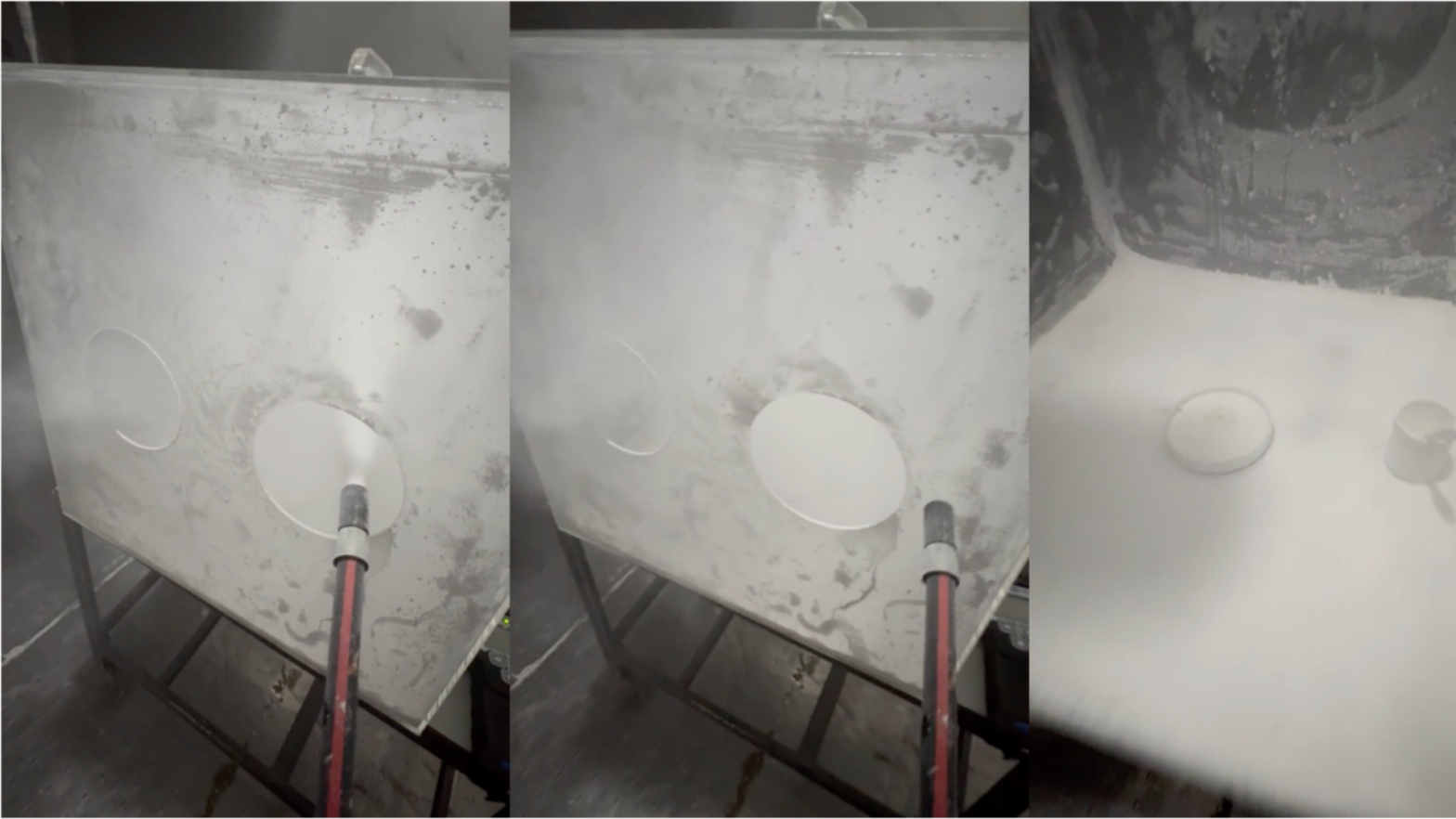
Extreme cold weather creates a significant cold weather challenge for hazardous materials response. When chemical spills, chemical releases, or vapor threats occur in cold-weather environments, traditional decontamination methods—especially water-based decontamination—can become ineffective or unsafe.
Dry decontamination in cold weather provides an alternative approach that supports emergency decontamination when freezing risk and ambient conditions limit conventional options.
DOT HazMat Inspection Priorities: What PHMSA’s New Focus Means for Hazardous Materials Transport
This blog summarizes what was shared publicly through HazmatNation and provides operational context based on FAST-ACT’s experience supporting emergency preparedness and response across transportation, industrial, and healthcare environments.