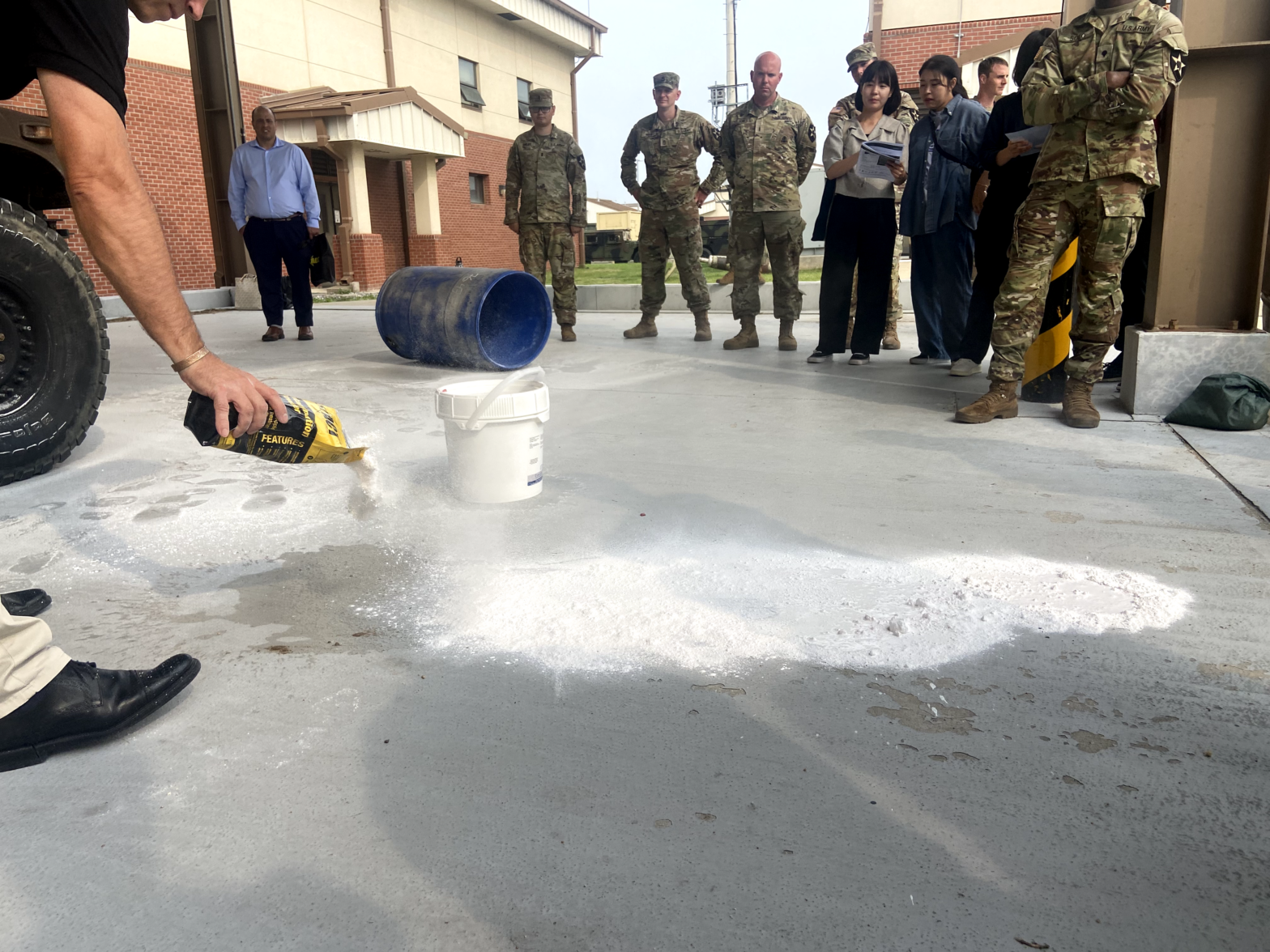
This month, FAST-ACT continued advancing chemical preparedness through demonstrations and follow-up engagements with emergency response and military units.


Tag: Surface Decontamination
Hospital Chemical Decontamination Readiness: Why Many Facilities Are Still Unprepared

Hospitals today face increasing risks from hazardous materials, chemical incidents, toxic industrial chemicals (TICs), and chemical warfare agents (CWAs). These events require specialized safety protocols, appropriate Personal Protective Equipment (PPE), and established decontamination protocols to protect both staff and patients. Yet most facilities remain underprepared to manage a chemical release or mass chemical exposure during a mass casualty event. A recent report revealed that nearly 70% of hospitals are unprepared for chemical and biological emergencies. Additional research supports this trend: many emergency departments lack operational readiness for chemical emergency medical management or hospital patient decontamination.
National Environmental Awareness Month: Strengthening Environmental Chemical Hazard Response Across Industrial Operations

This blog will cover how key industries—including mining, oil and gas, environmental remediation, and battery manufacturing—manage chemical hazards and strengthen their emergency response capabilities for National Environmental Awareness Month.
Understanding Lithium-Ion Battery Chemical Hazards: What Recent Incidents Teach Us About Preparedness

This blog explores why battery failure produces dangerous hazardous fumes, how these events escalate into hazardous areas, and why emergency response personnel need fast, water-free neutralization methods to reduce chemical exposure.
Safe Hazardous Package Handling: Lithium, Opioids, and Chemical Spill Response
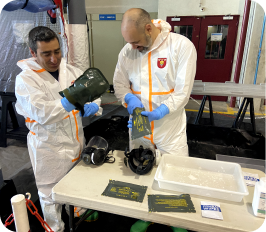
While campaigns like USPS Hazmat Awareness Month help reinforce safety practices, incidents related to hazardous package handling can happen at any time of the year, from chemical spills to opioid exposure or lithium battery leaks.
Ensuring employee safety requires a combination of awareness, proper handling protocols, and practical chemical decontamination tools that can neutralize threats quickly.
Why Combined Wet and Dry Decontamination Is the New Gold Standard for Hospital Emergency Preparedness
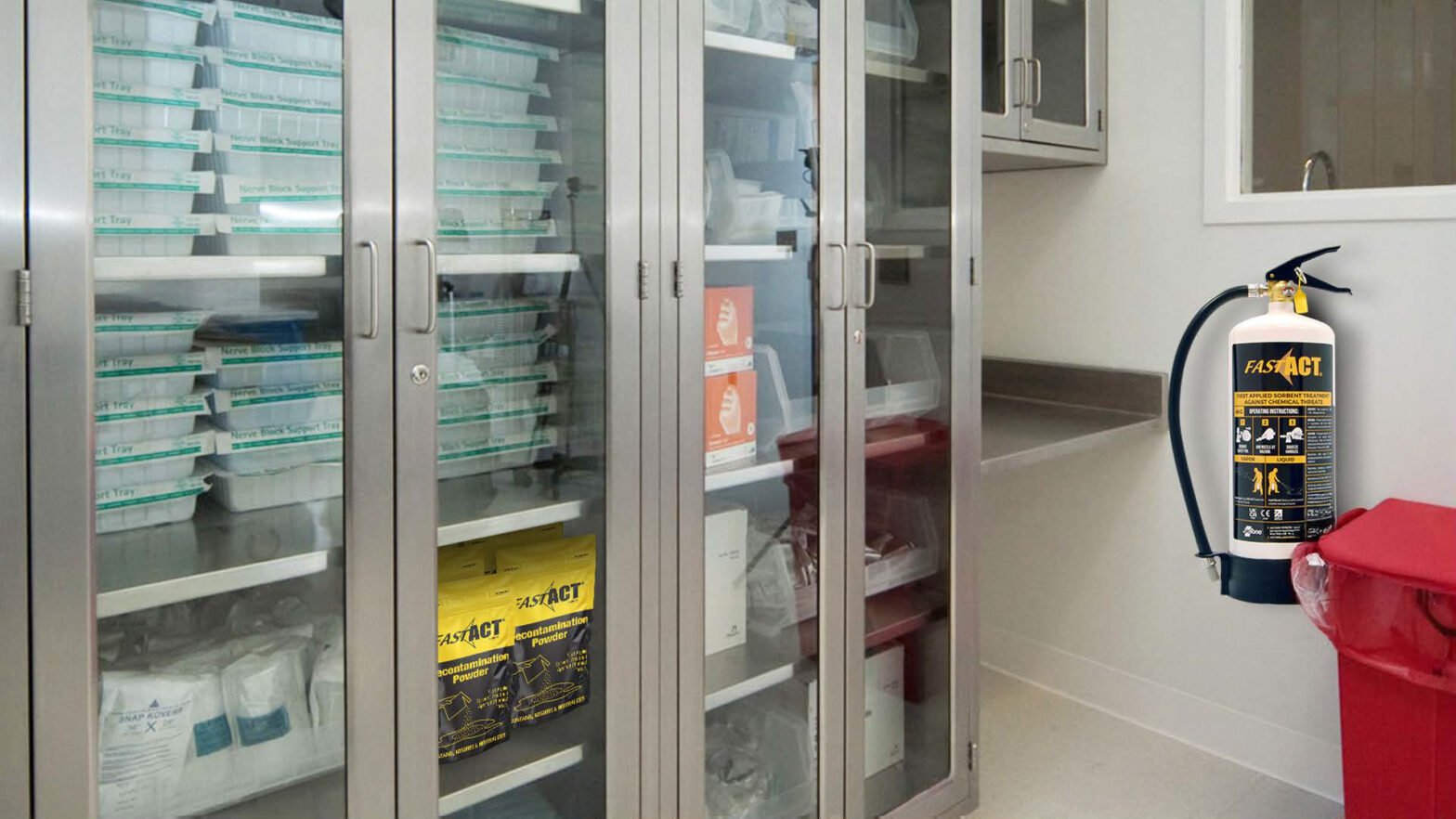
Across Level 1 trauma centers in the U.S., Sweden, Canada, and Singapore, teams now deploy combined decontamination methods—a hybrid model proven to improve outcomes, optimize speed, and reduce risks from hazardous chemicals. This approach aligns with hospital emergency preparedness standards that prioritize rapid, safe, and patient-centered decontamination workflows.
Hospital Dry Decontamination: A Faster, More Efficient Approach to Emergency Response
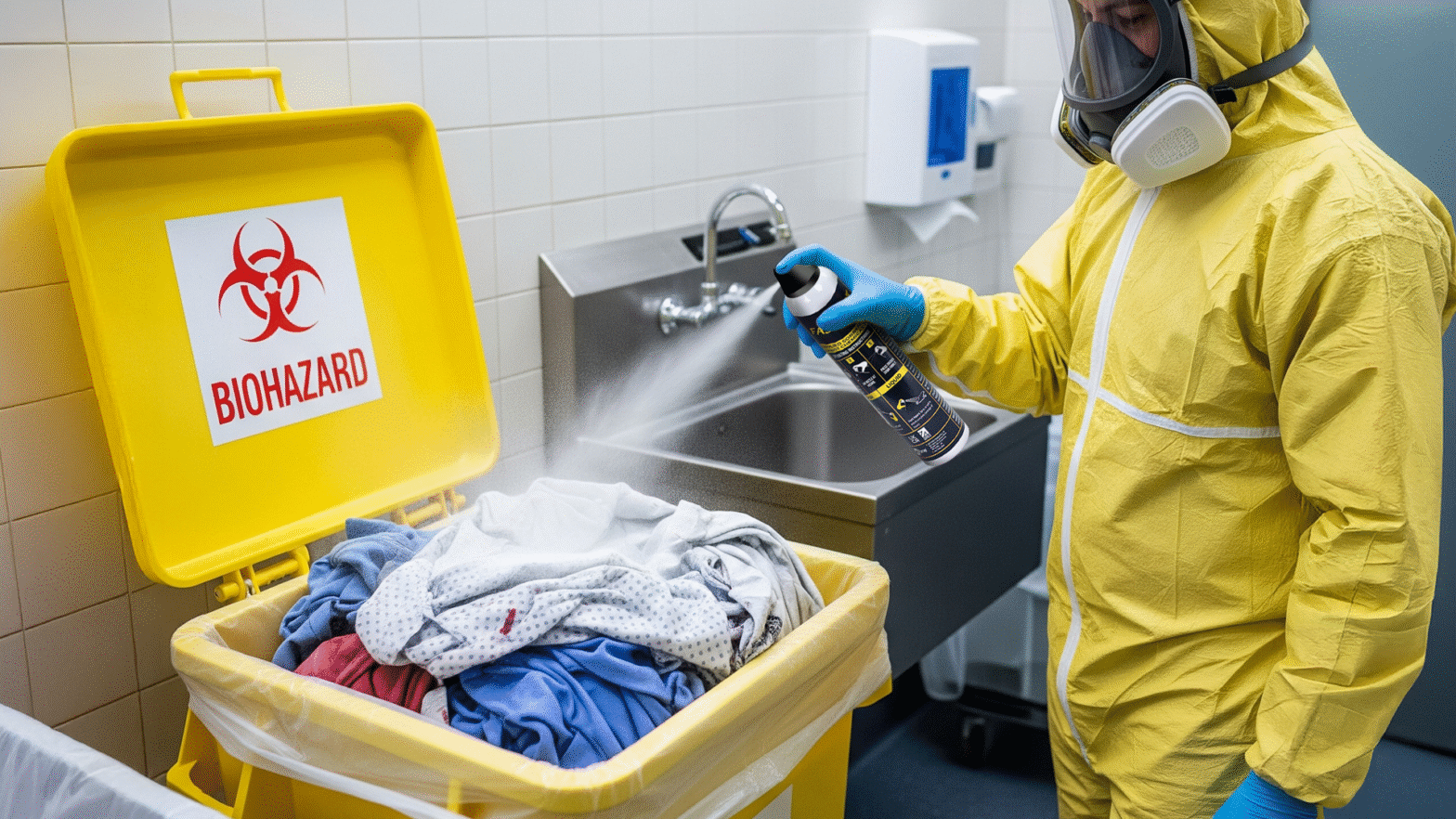
During a mass casualty incident involving chemical agents or hazardous materials, every second counts. Hospitals must act quickly to protect patients, staff, and infrastructure while maintaining operations within the hospital environment. Traditional wet decontamination systems, which rely on large volumes of water and extended setup, can slow down an emergency response when speed is critical. … Continue reading Hospital Dry Decontamination: A Faster, More Efficient Approach to Emergency Response
FAST-ACT’s Hospital SOP: Advancing Chemical Decontamination Preparedness

In this blog, we will cover the essential steps of the FAST-ACT hospital SOP, explain how the FAST-ACT Pressurized Cylinders, FAST-ACT Decontamination Mitts, and FAST-ACT Decontamination Wipes are applied, and highlight the supporting science behind these hospital-focused decontamination protocols.
Defending Against the Unknown: Why the FAST-ACT DEFEND Kit is Critical for First Responders
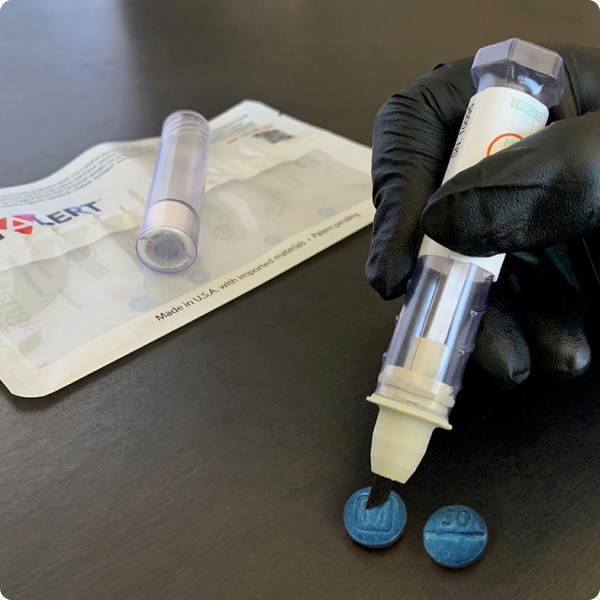
The rise of fentanyl and other illicit drugs has amplified these risks. For those on the front lines, having a reliable, field-ready solution for both detection and decontamination is no longer optional—it’s essential.
Understanding Cyclosarin: A Comprehensive Guide to Its Chemical Properties and Effects
This guide breaks down cyclosarin’s chemical properties, health effects, and environmental behavior, while also showing how FAST-ACT decontamination solutions protect communities against these toxic chemicals.