This month, FAST-ACT continued advancing chemical preparedness through demonstrations and follow-up engagements with emergency response and military units.


Tag: Tools for First Responders
FAST-ACT November Event Highlights: Advancing CBRN Readiness Across the Nation
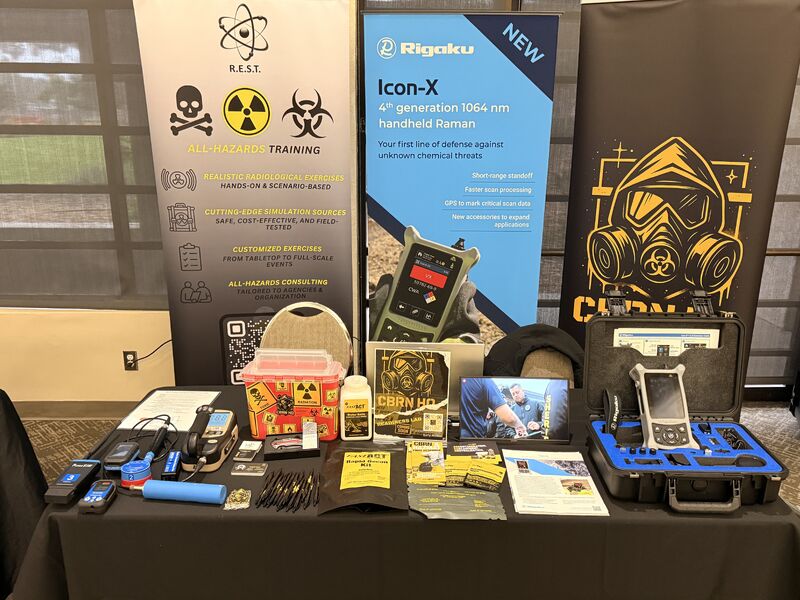
November event highlights showcase FAST-ACT®’s role in advancing CBRN readiness through nationwide training, demonstrations, and collaboration. These engagements strengthen coordination, improve operational preparedness, and support more effective response across emergency and defense sectors.
When Seconds Matter: Lessons in Chemical Incident Preparedness from the Tennessee Explosion

The Tennessee explosion highlights how quickly chemical incidents can escalate, causing widespread damage and loss of life. These events reinforce the need for immediate response, effective containment, and preparedness strategies to reduce risk and improve outcomes.
Why Combined Wet and Dry Decontamination Is the New Gold Standard for Hospital Emergency Preparedness
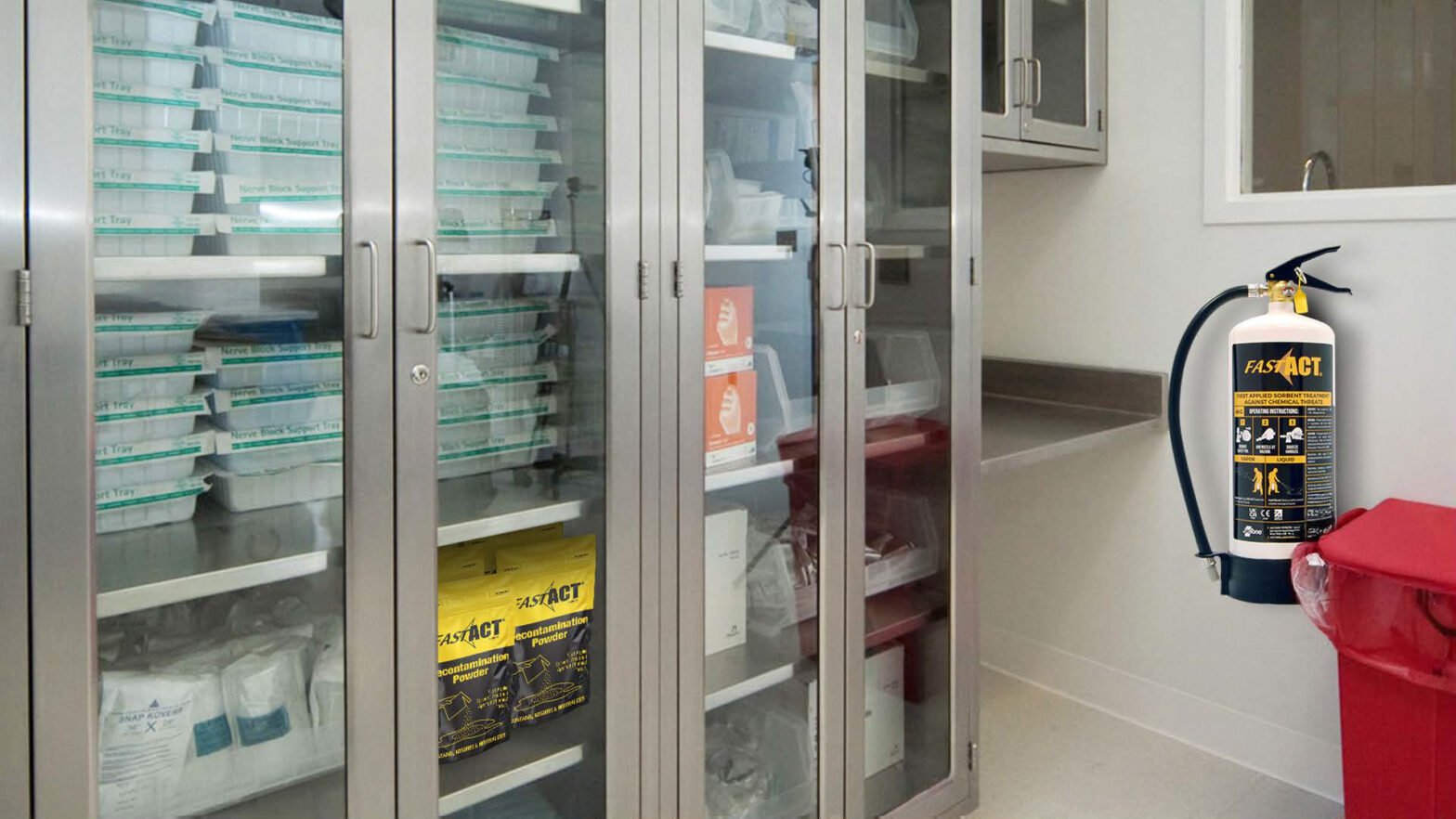
Combining wet and dry decontamination improves hospital response by addressing a wider range of chemical hazards. This integrated approach enhances speed, reduces exposure risks, and supports more effective patient care during complex incidents.
Securing 2026 Mega-Event Dry Decontamination Procedures: Why Chemical Decontamination Must Be Part of the Playbook

This blog will explain the scale and stakes of these events, highlight why chemical decontamination and decontamination methods are essential to safety, and reaffirm how FAST-ACT’s solutions merge with personal protective equipment (PPE) and multiagency workflow to deliver readiness, efficiency, and confidence.
Hospital Dry Decontamination: A Faster, More Efficient Approach to Emergency Response
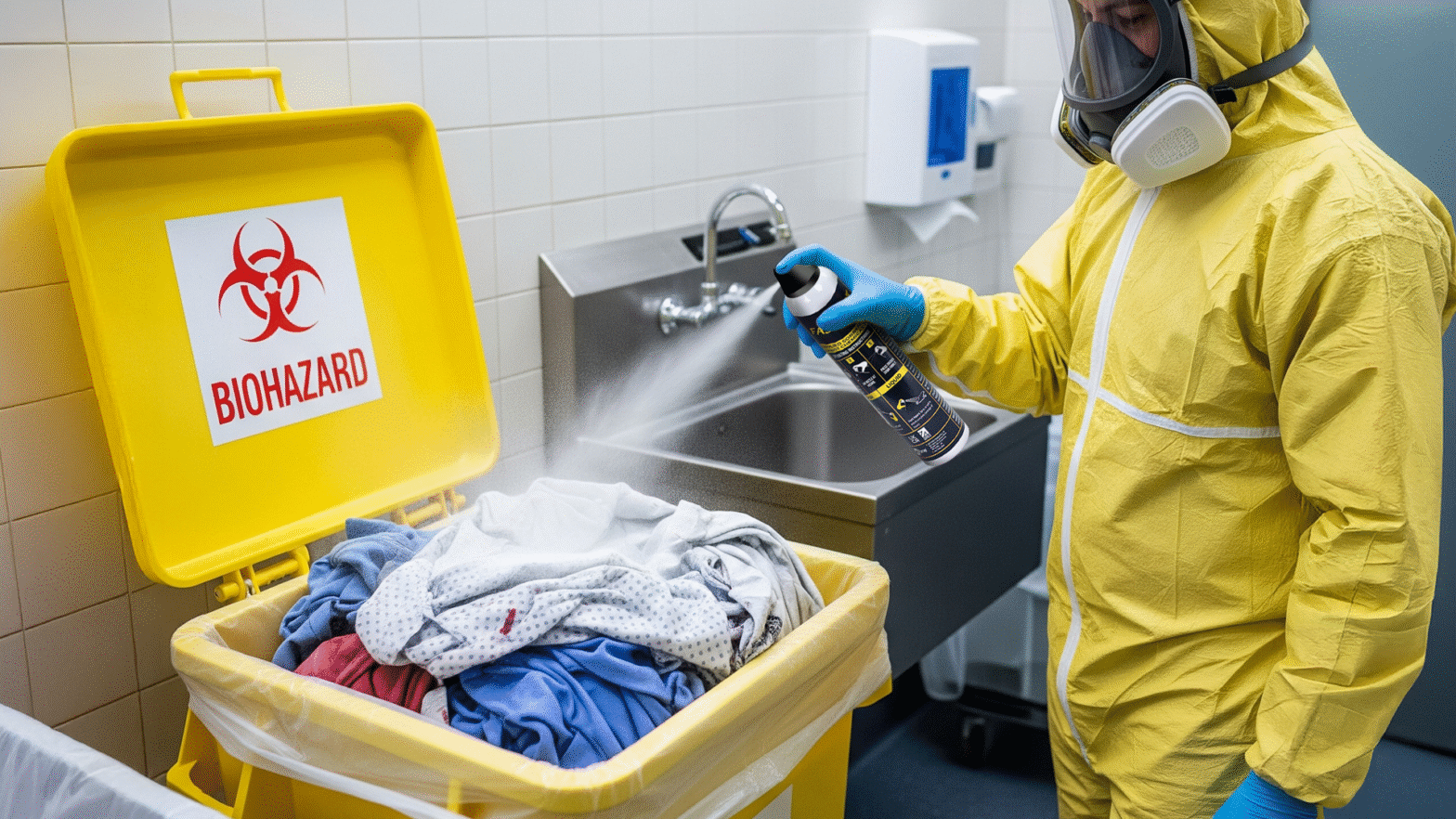
Hospital dry decontamination enables faster emergency response by eliminating delays associated with traditional water-based systems. This approach improves efficiency, reduces resource demands, and supports safer patient and staff management during chemical incidents.
The Shift Toward Dry Decontamination: Funding, Adoption, and the Future of CBRN Preparedness
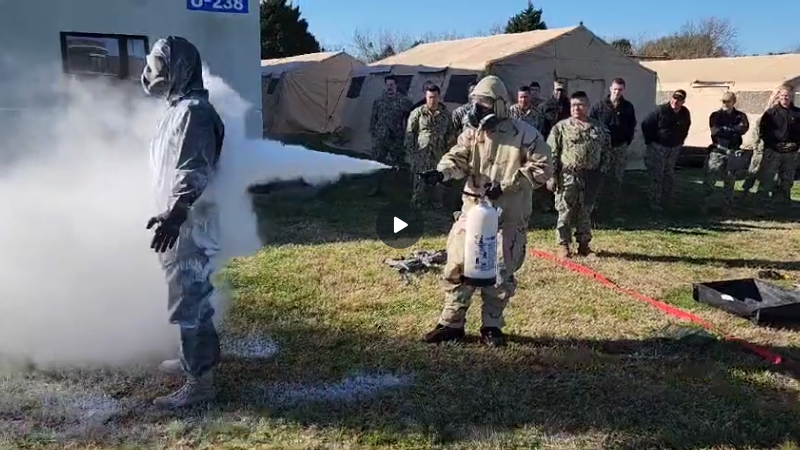
In this blog, we’ll examine why dry decontamination is gaining momentum, highlight Europe’s leadership and funding efforts, and explore how global organizations—including FAST-ACT—are adopting these solutions to strengthen preparedness for CBRN threats. standard.
Defending Against the Unknown: Why the FAST-ACT DEFEND Kit is Critical for First Responders
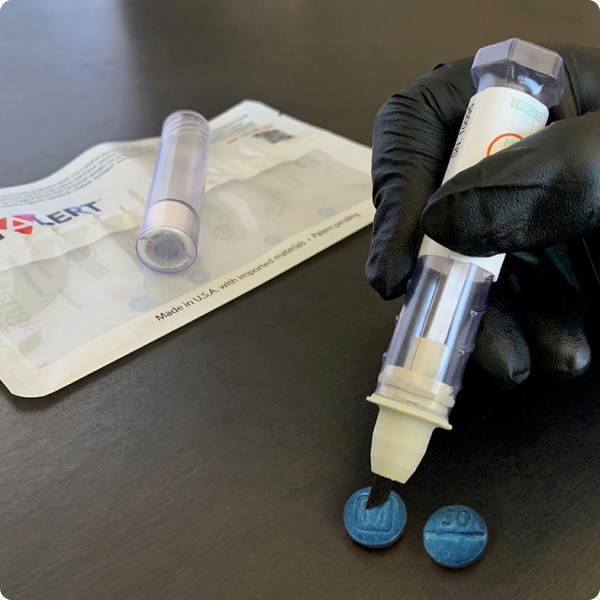
The rise of fentanyl and other illicit drugs has amplified these risks. For those on the front lines, having a reliable, field-ready solution for both detection and decontamination is no longer optional—it’s essential.
FAST-ACT September Event Highlights: Expanding Training & Global Engagement
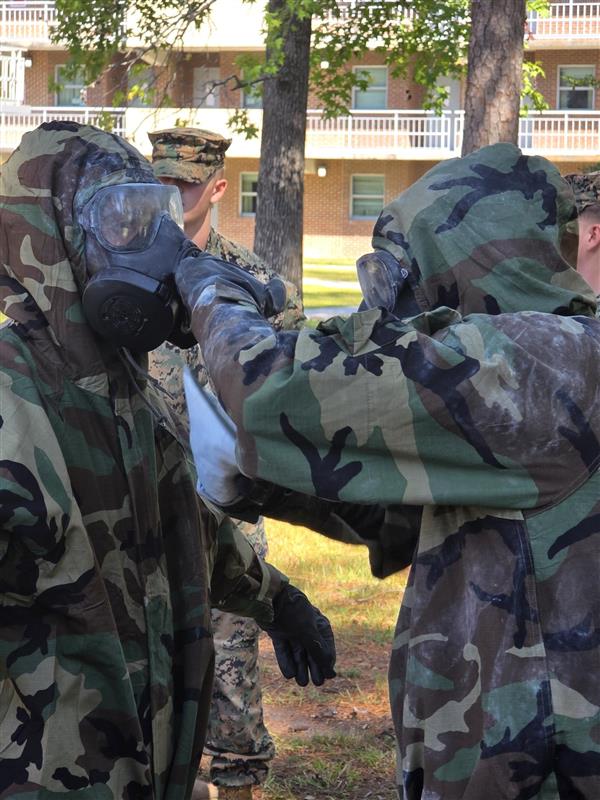
This September, FAST-ACT continues its mission of equipping first responders and defense partners with proven chemical decontamination solutions.
Rapid Decontamination: Why Speed and Preparedness Save Lives
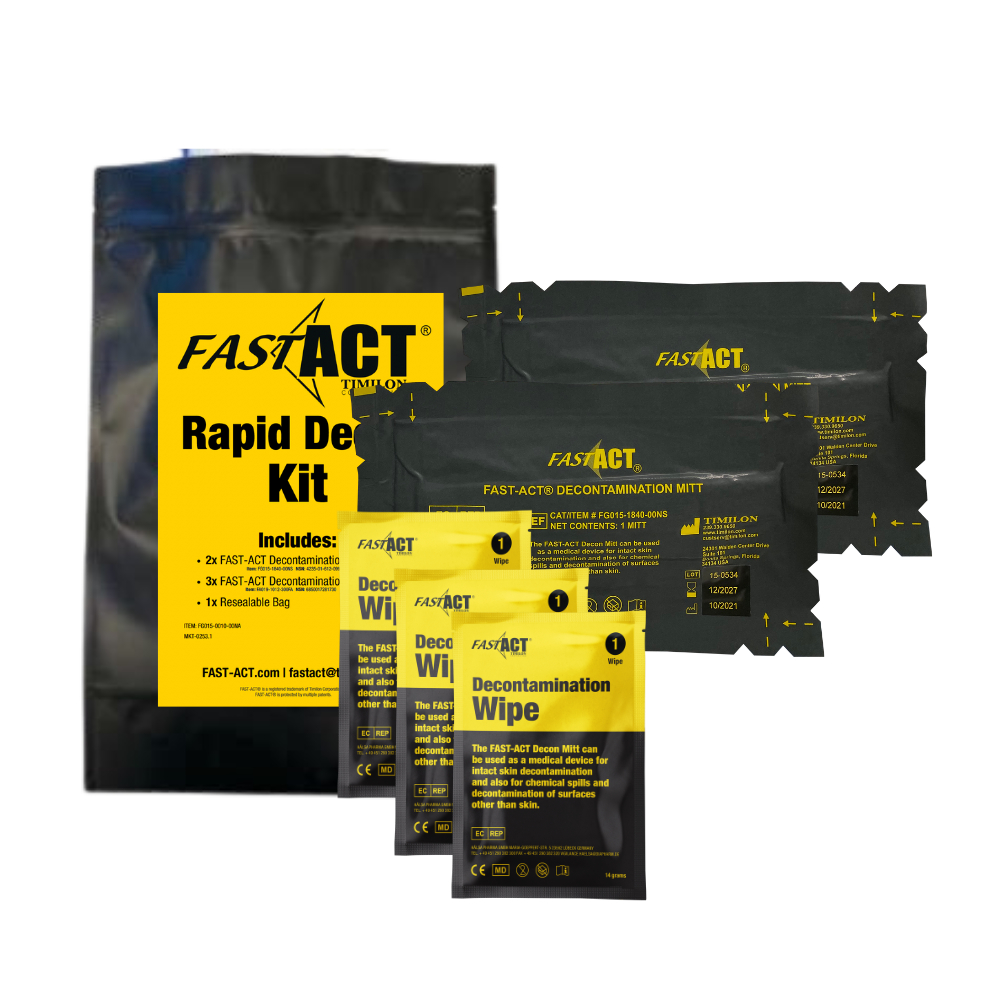
When hazardous materials are released—during a chemical spill, civil unrest, or exposure to unknown powders—time is critical. Rapid decontamination can dramatically reduce the risk of chemical exposure, limiting health threats to responders and the public.