
Learn how hospitals and first responders can use dry decontamination during the critical first 15 minutes of a chemical incident to reduce contamination before full decontamination operations are established.


Category: Decontamination Insights
What the Longview Paper Mill Disaster Teaches Us About Industrial Chemical Spill Preparedness
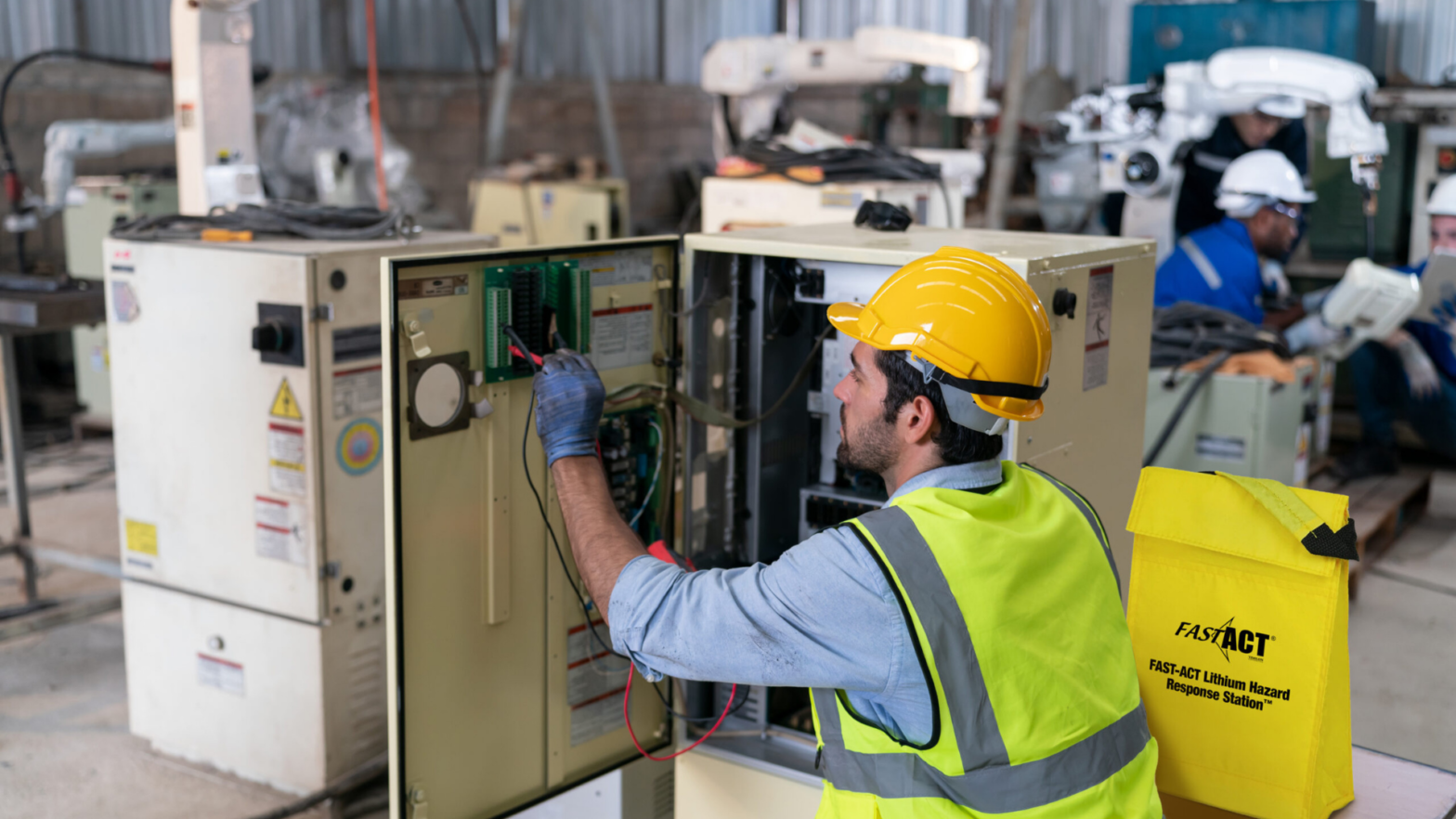
The Longview paper mill disaster highlights why industrial chemical spill preparedness is critical. Learn how facilities can improve chemical spill response, contamination management, and worker safety before an incident occurs.
What the 2026 FIFA World Cup Is Teaching Emergency Management and Response Teams About Chemical Preparedness

The 2026 FIFA World Cup is providing valuable lessons in large-scale event preparedness. Explore how coordination, chemical preparedness, and operational resilience are shaping future emergency response planning.
Environmental Remediation and Cleanup Lessons from Large-Scale Public Events
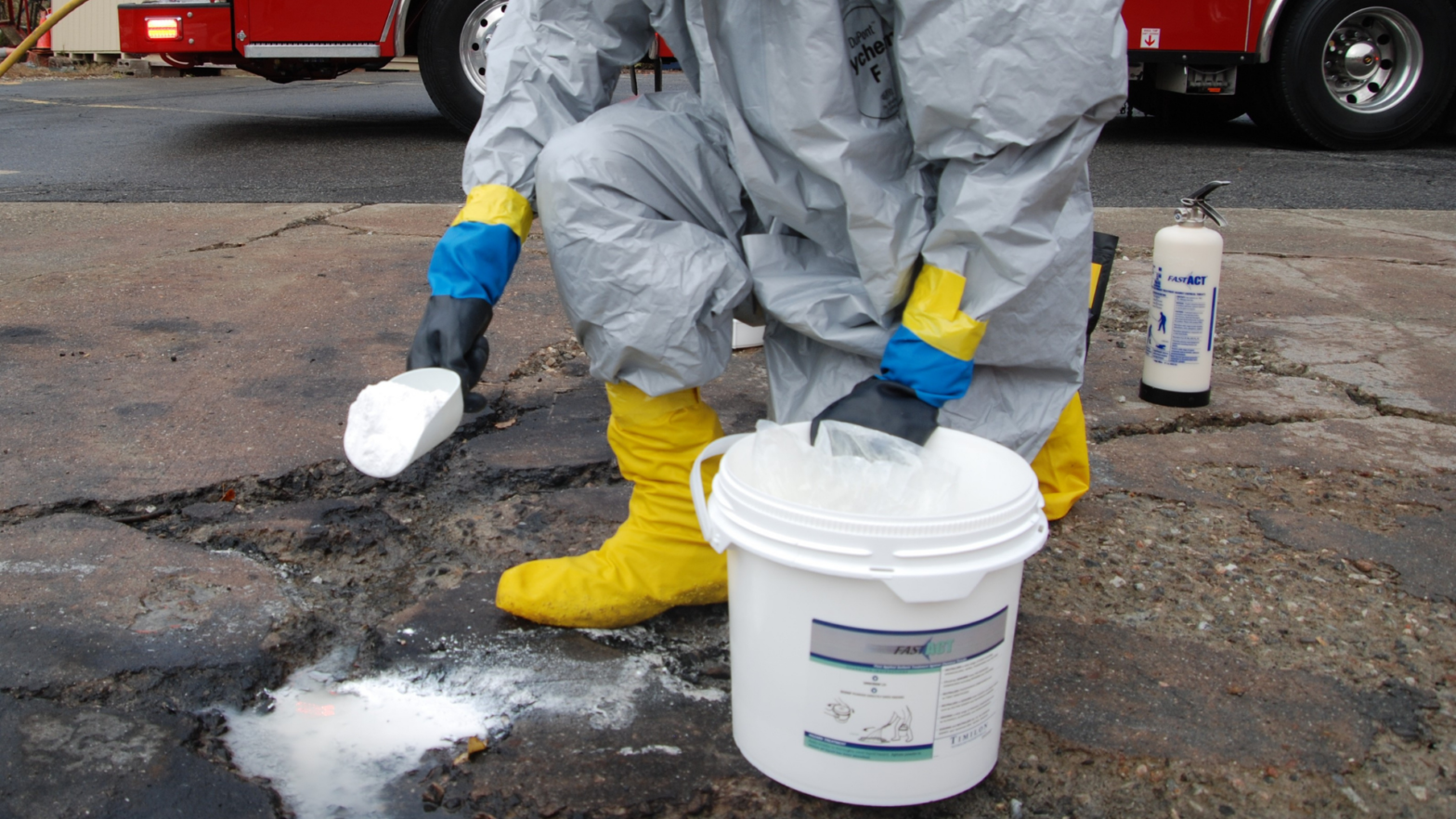
Environmental remediation is often the longest and most complex phase of a chemical incident. Learn how contamination management, infrastructure restoration, waste handling, and modern decontamination technologies influence recovery efforts following large-scale public events such as the 2026 FIFA World Cup.
Airport and Transportation Chemical Preparedness During Large-Scale Public Events

Transportation systems play a critical role in large-scale event preparedness. Learn how airports, transit hubs, rail systems, and emergency response teams are preparing for chemical incidents, contamination risks, and operational continuity during the 2026 FIFA World Cup.
Hospital Preparedness for Chemical Exposure Incidents During the 2026 World Cup
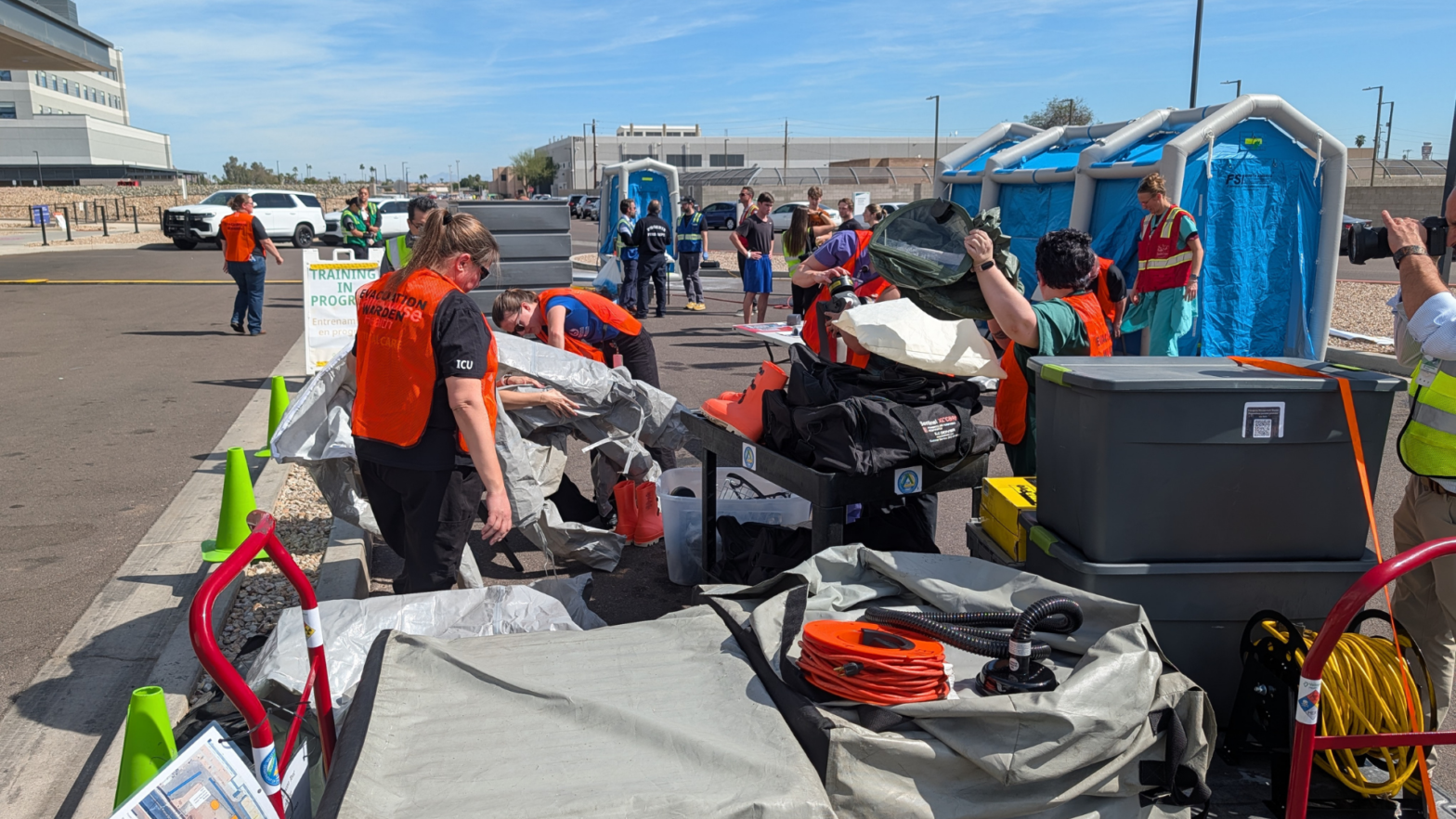
Hospitals play a critical role in consequence management during chemical exposure incidents. Learn how healthcare systems are preparing for self-presenting patients, secondary contamination risks, and decontamination challenges during the 2026 FIFA World Cup.
Chemical Preparedness Beyond Stadiums: Fan Zones, Watch Parties, and Opening Ceremonies at the 2026 World Cup

Fan zones, watch parties, and opening ceremonies create unique operational challenges involving crowd safety, hazard recognition, and emergency response coordination during the 2026 FIFA World Cup. Learn how FAST-ACT® supports chemical preparedness and decontamination planning for large public gathering environments.
Chemical Spill Response and Decontamination Challenges in Stadium Environments

Large sporting venues create unique challenges involving crowd safety, contamination spread, and operational continuity. This article explores chemical preparedness for stadiums, decontamination challenges, and how FAST-ACT® supports hazardous materials response during large-scale events.
Managing Chemical and CBRN Threats at the 2026 FIFA World Cup: What Response Teams Need to Know

Chemical emergency preparedness for the 2026 World Cup presents unique challenges across stadiums, fan zones, transportation systems, and public gathering environments. This article explores CBRN threats, public safety considerations, and how FAST-ACT® supports rapid decontamination and hazardous materials response during large-scale events.
Chemical Spill Response: Reducing Risk and Cleanup Complexity from the Start
Chemical spill response requires more than containment alone. This article explores the challenges of managing unknown hazardous chemical spills, the risks of active contamination, and how FAST-ACT® supports rapid containment, neutralization, and cleanup efficiency across complex response environments.