New DOT hazmat inspection priorities are shifting focus toward high-risk materials, data-driven enforcement, and stricter oversight. Learn how FAST-ACT® dry decontamination supports preparedness, reduces risk, and strengthens response capabilities across hazardous materials transport operations.


Tag: first responder safety
Fentanyl Decontamination and Responder Safety: Why Federal Designation Matters for First Responders
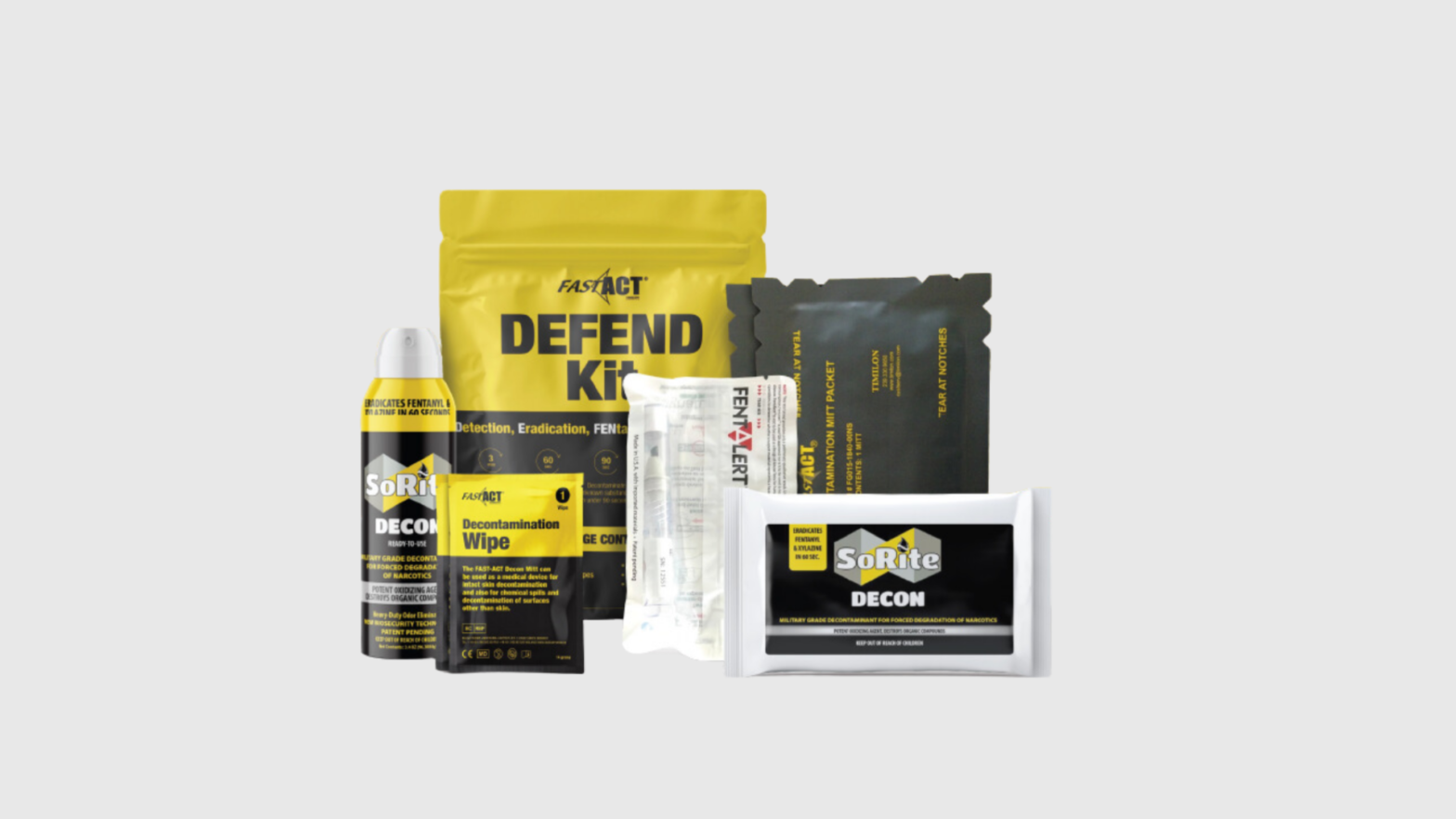
Federal designation of fentanyl as a WMD highlights its risks as a hazardous material for first responders. Learn how FAST-ACT® dry decontamination supports safer handling, reduces exposure risk, and strengthens response protocols.
National Environmental Awareness Month: Strengthening Environmental Chemical Hazard Response Across Industrial Operations

Chemical hazard response across industrial operations requires rapid action to protect personnel, equipment, and continuity. Effective strategies focus on neutralization, exposure reduction, and minimizing downtime in environments where hazardous materials are part of daily operations.
FAST-ACT November Event Highlights: Advancing CBRN Readiness Across the Nation
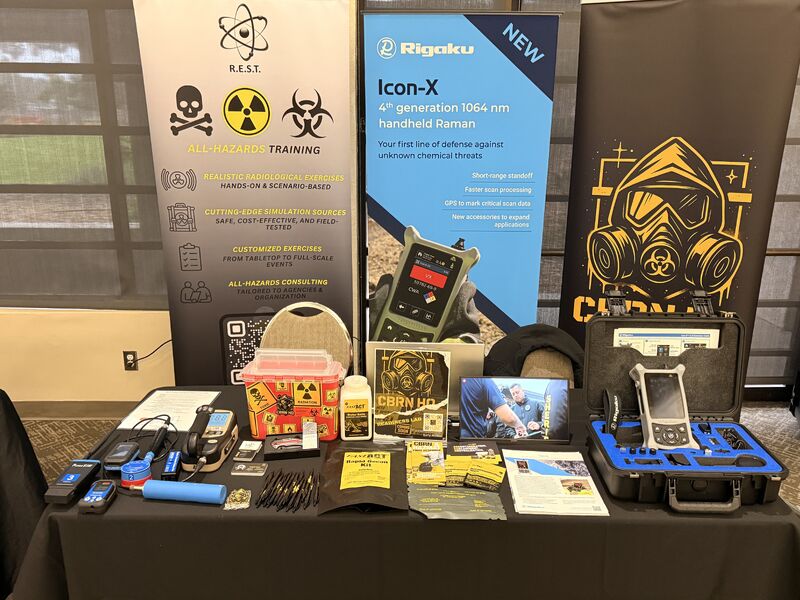
November event highlights showcase FAST-ACT®’s role in advancing CBRN readiness through nationwide training, demonstrations, and collaboration. These engagements strengthen coordination, improve operational preparedness, and support more effective response across emergency and defense sectors.
Why Combined Wet and Dry Decontamination Is the New Gold Standard for Hospital Emergency Preparedness
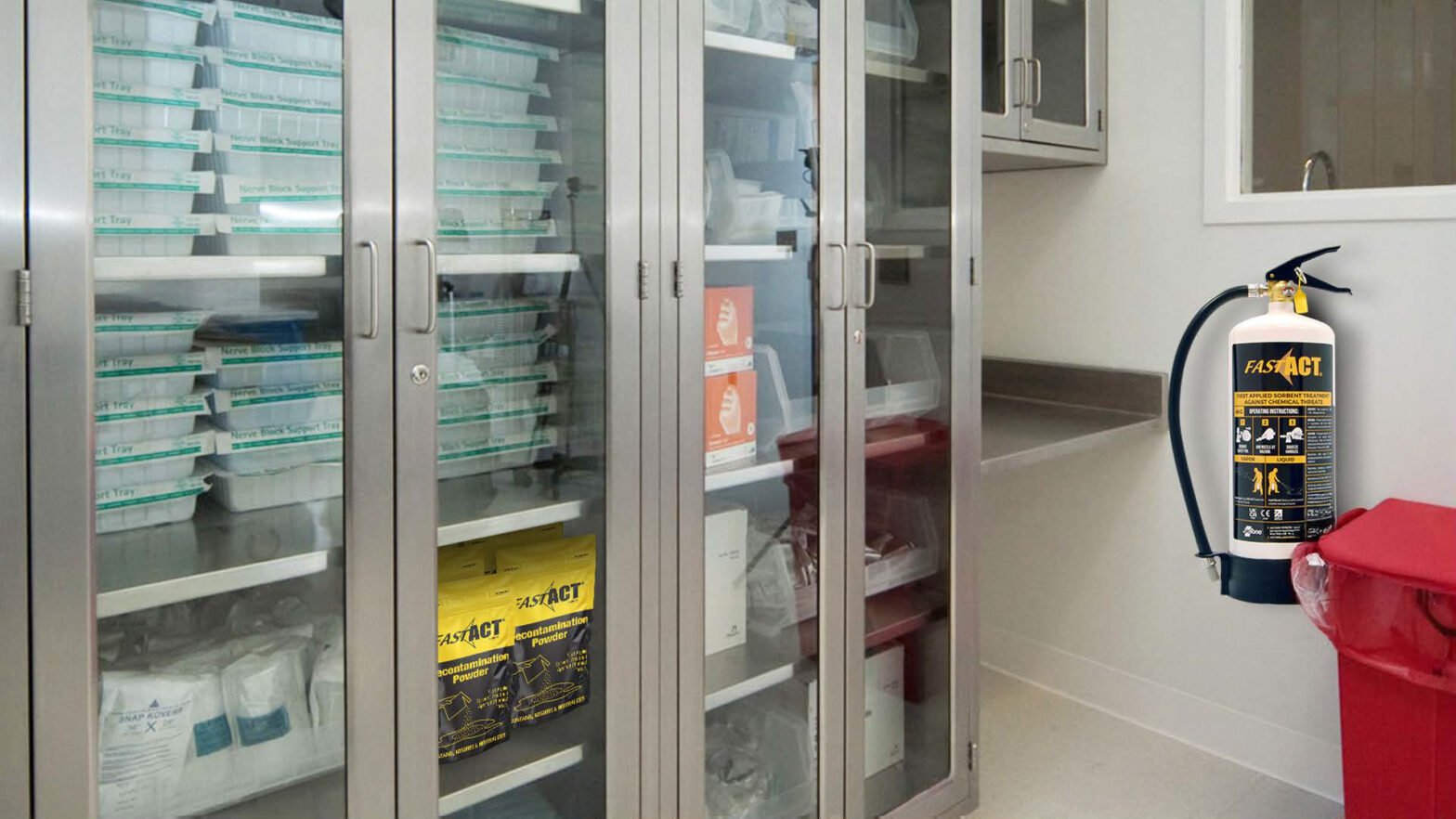
Combining wet and dry decontamination improves hospital response by addressing a wider range of chemical hazards. This integrated approach enhances speed, reduces exposure risks, and supports more effective patient care during complex incidents.
Eyes on the Zone: Securing FIFA 2026 Fan Areas Against Emerging CBRN Threats
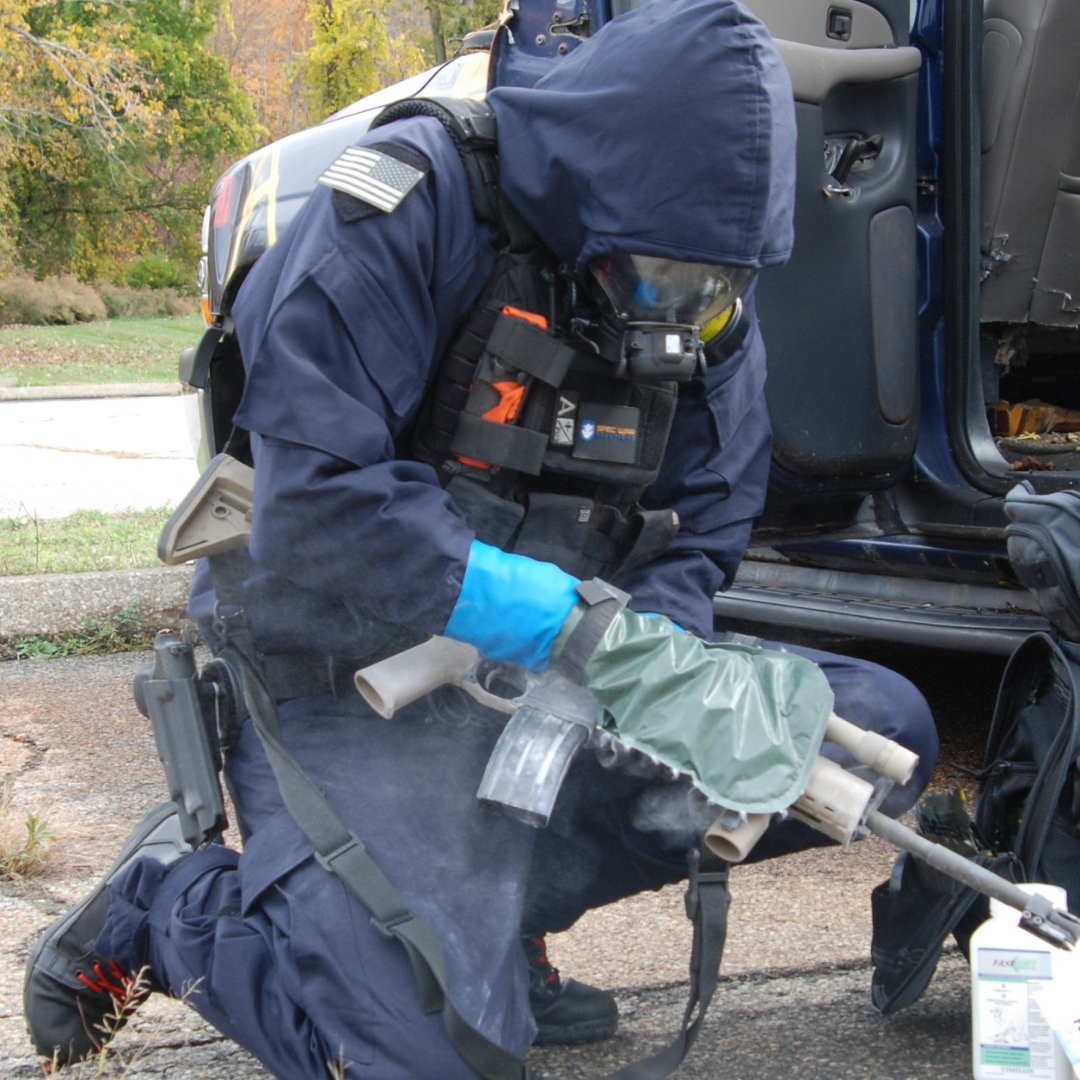
Securing FIFA 2026 requires coordinated planning to address complex CBRN and large-scale event risks. Effective strategies focus on multi-agency collaboration, rapid response capabilities, and scalable solutions to protect fans, infrastructure, and host cities.
FAST-ACT Dry Decontamination Demo Strengthens Chemical Response Readiness in Dallas, TX
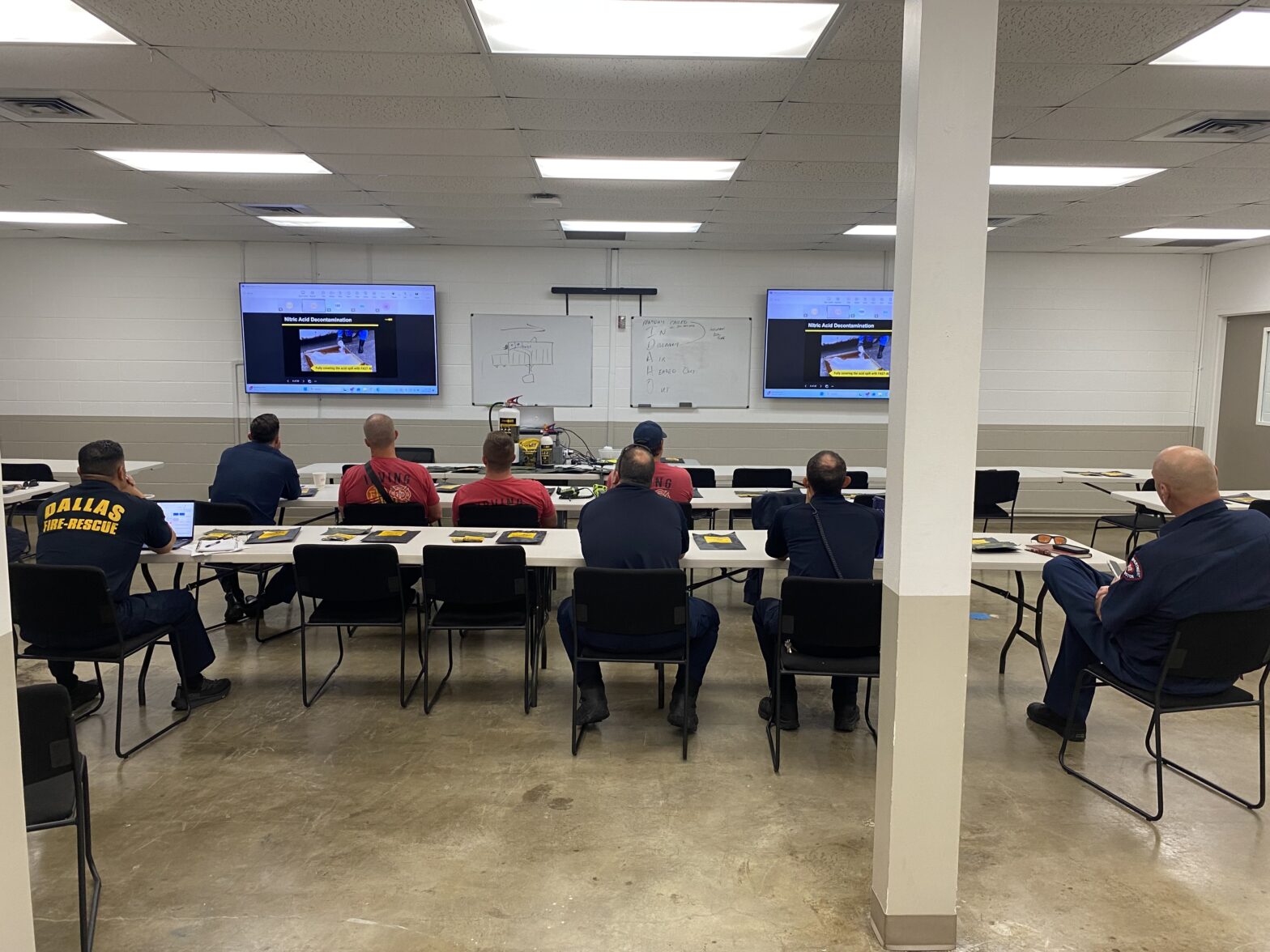
FAST-ACT conducted a live dry decontamination demonstration with the Dallas Fire Department and multiple Dallas-area agencies, showcasing how first responders can rapidly and safely neutralize chemical threats using FAST-ACT technology.
Securing 2026 Mega-Event Dry Decontamination Procedures: Why Chemical Decontamination Must Be Part of the Playbook

This blog will explain the scale and stakes of these events, highlight why chemical decontamination and decontamination methods are essential to safety, and reaffirm how FAST-ACT’s solutions merge with personal protective equipment (PPE) and multiagency workflow to deliver readiness, efficiency, and confidence.
Defending Against the Unknown: Why the FAST-ACT DEFEND Kit is Critical for First Responders
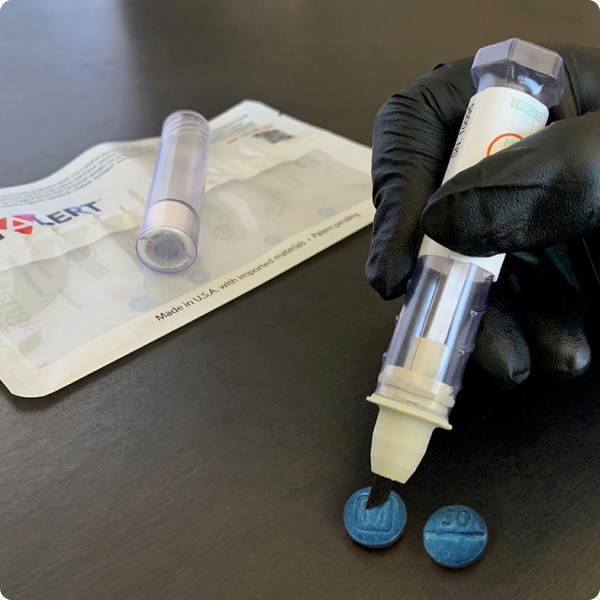
The rise of fentanyl and other illicit drugs has amplified these risks. For those on the front lines, having a reliable, field-ready solution for both detection and decontamination is no longer optional—it’s essential.
Hospital Decontamination Without Compromise: Protecting Patients, Staff, and Equipment
This post concludes our hospital decontamination blog series, following Part 1: Rethinking Hospital Decontamination and Part 2: Inside the Protocol: A Hospital SOP for Dry Chemical Decontamination.