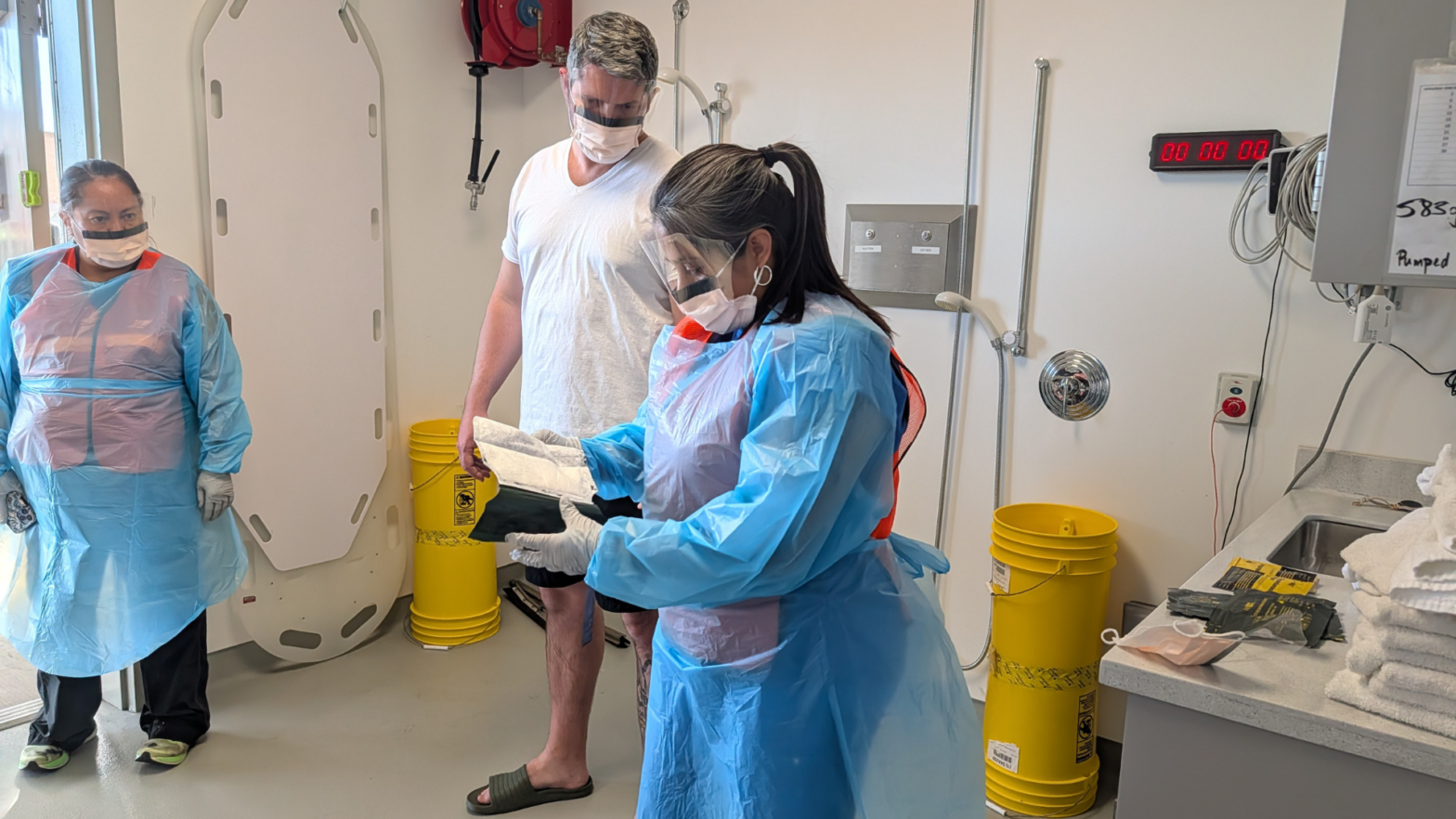
When a potentially contaminated patient walks into an emergency department before EMS or HAZMAT arrives, hospitals need to act quickly. Learn how recognition, isolation, communication, and dry decontamination can support the first 15 minutes of a chemical incident.


Author: Samantha Deppert
Hazardous Materials Emergency Response: What Recent Incidents Teach First Responders
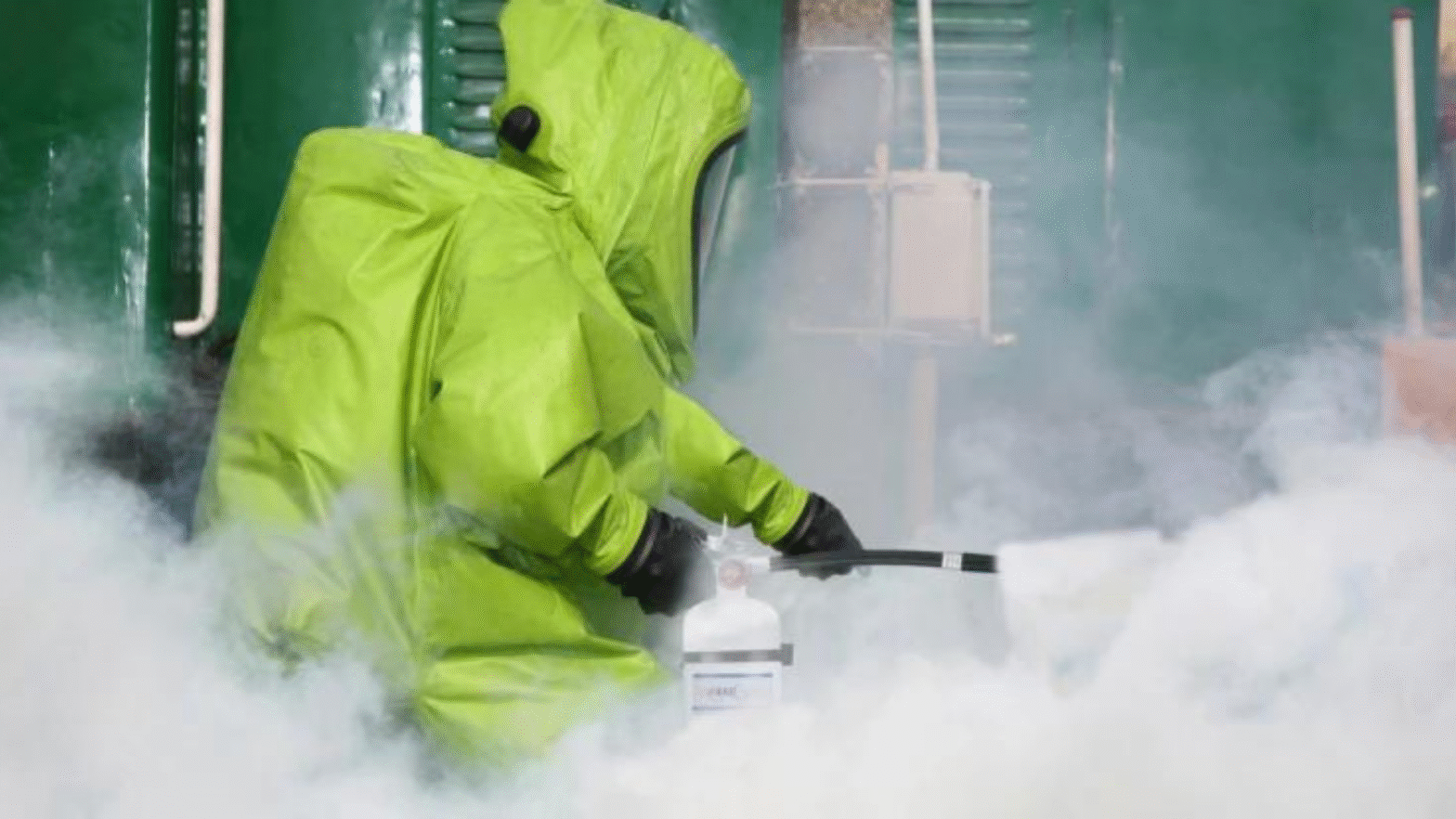
Hazardous materials emergencies can develop quickly from unexpected chemical reactions, equipment failures, unknown substances, or toxic vapor releases. Learn how first responders can prepare for chemical hazards, manage vapor threats, reduce secondary contamination, and strengthen decontamination capabilities.
Who Responds to a Chemical Spill? Understanding the Role of Every Agency During a HAZMAT Incident
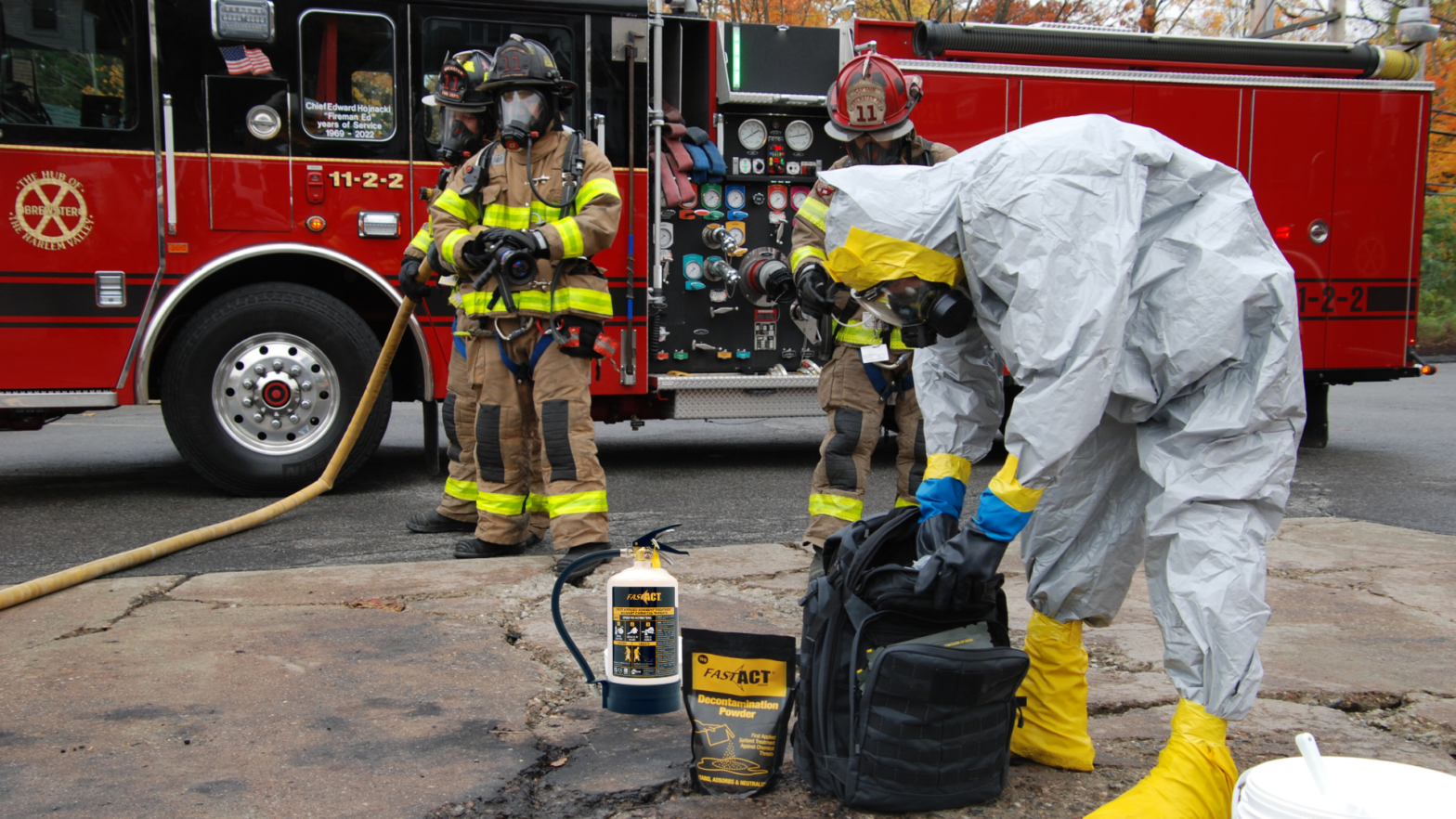
When a hazardous materials incident occurs, most people expect the local fire department to handle the emergency. In reality, chemical spill response often requires a coordinated effort between multiple agencies, each bringing specialized training, equipment, and expertise to safely manage the incident. A recent response in Lexington, Massachusetts demonstrates why. On July 20, 2026, the Lexington Fire Department responded after a… Continue reading Who Responds to a Chemical Spill? Understanding the Role of Every Agency During a HAZMAT Incident
Join Our FREE Expert Panel Discussion on Standardizing Rapid Hazardous Materials Response
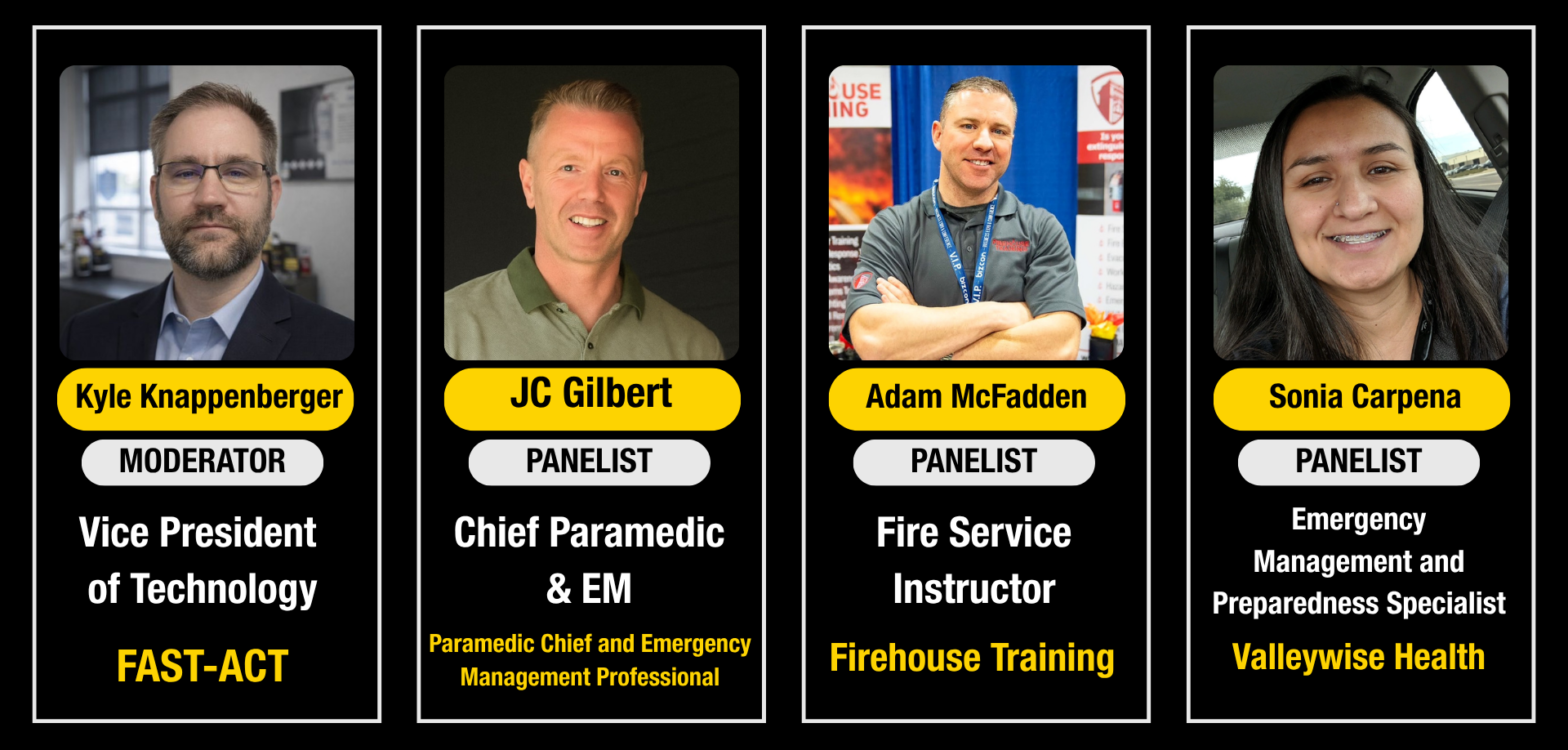
Join FAST-ACT for a FREE live expert panel discussion exploring how hospitals, EMS, fire, and HAZMAT teams can strengthen coordination during the critical first 15 minutes of a hazardous materials incident. Gain practical insights from industry experts on emergency preparedness, dry decontamination, and interagency response.
When Wildfires Cross the Border, Chemical Risk Follows: What First Responders and Facilities Need to Know
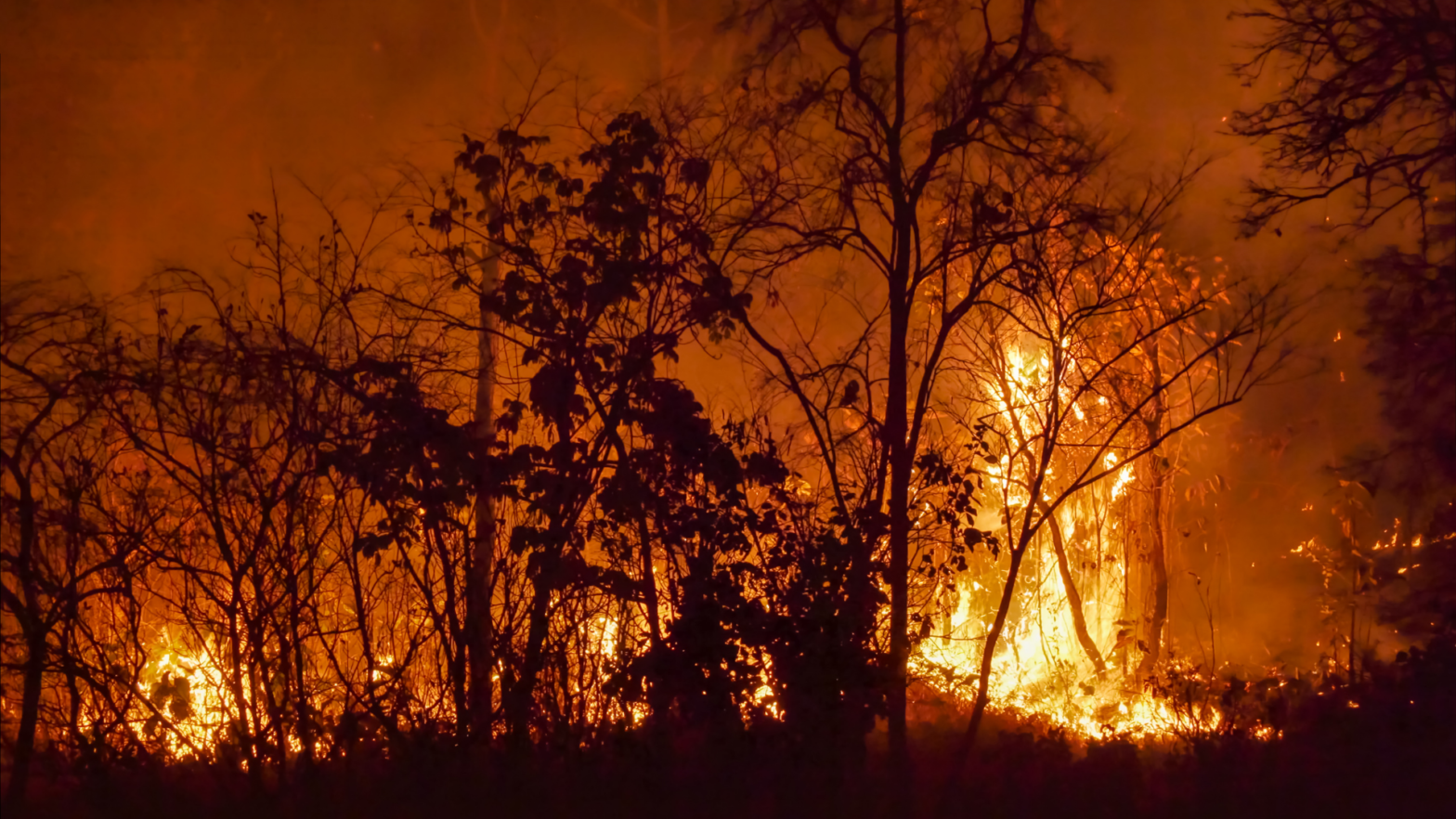
As wildfires increasingly threaten industrial facilities, energy infrastructure, and transportation systems, responders must prepare for more than fire. Learn how hazardous chemical releases, contaminated wildfire debris, and damaged lithium-ion batteries are reshaping emergency response, and how FAST-ACT dry decontamination technology supports safer HAZMAT operations.
What the Latest HAZMAT Study Teaches Us About Hazardous Materials Response
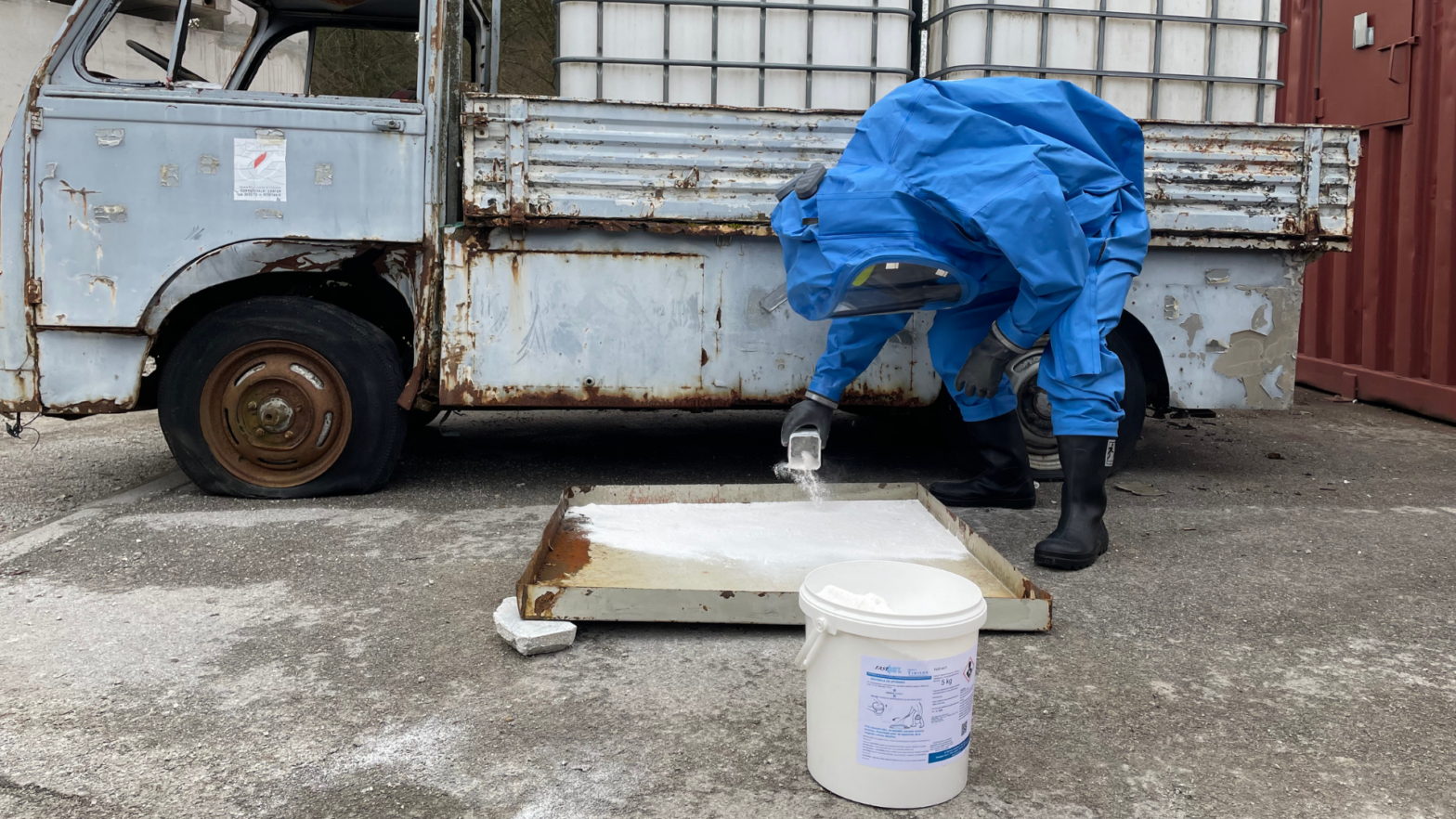
Learn what the latest hazardous materials incident data reveals about chemical response, decontamination, and emergency preparedness—and how organizations can improve responder safety.
What Are the Five Most Common Hazardous Materials Encountered by First Responders?
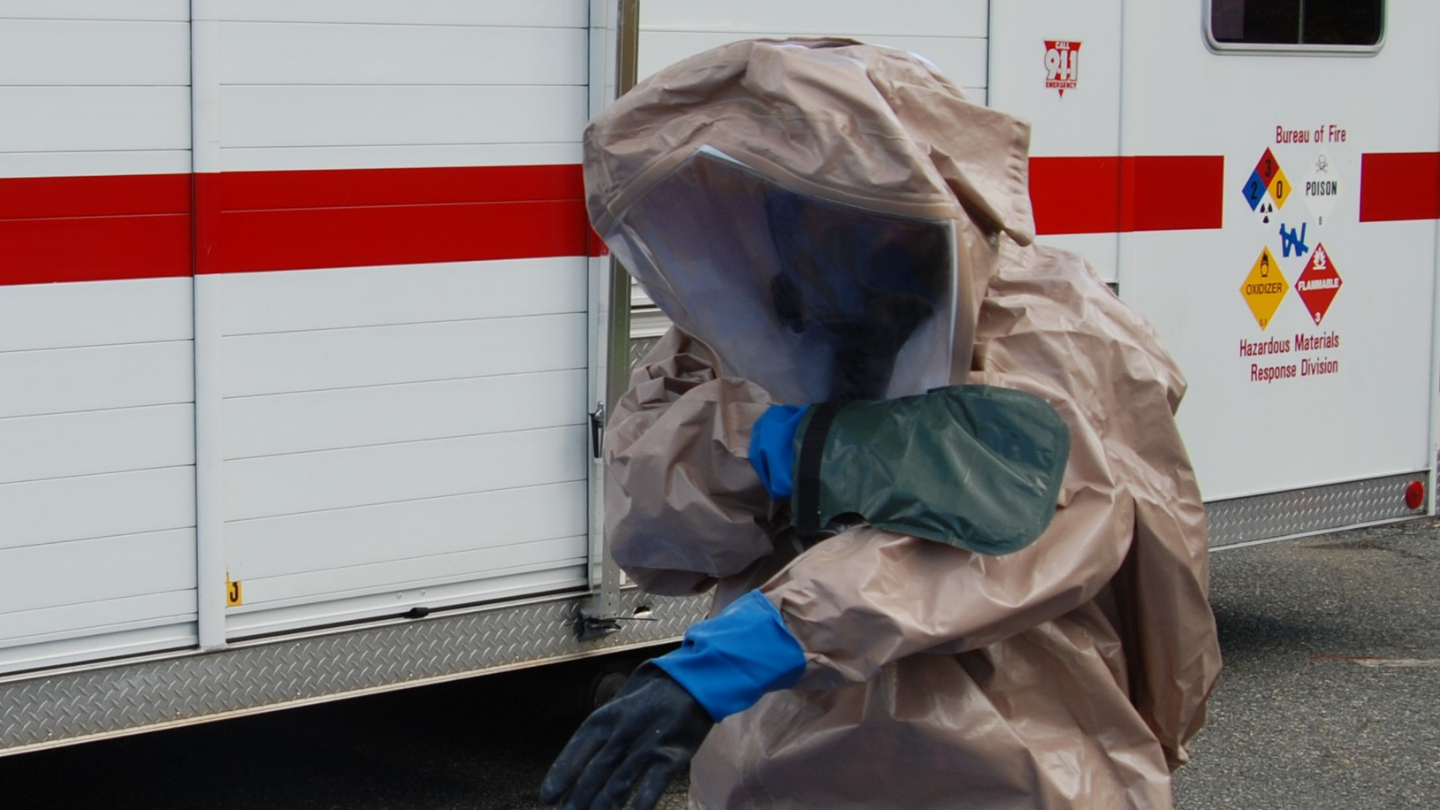
First responders face a wide range of hazardous materials, each requiring a rapid and informed response. Learn about five of the most common HAZMAT threats and key considerations for protecting personnel, limiting contamination, and supporting effective incident response.
How Can Hospitals and First Responders Begin Dry Decontamination Before Full Decon Is Established?

Learn how hospitals and first responders can use dry decontamination during the critical first 15 minutes of a chemical incident to reduce contamination before full decontamination operations are established.
What the Longview Paper Mill Disaster Teaches Us About Industrial Chemical Spill Preparedness
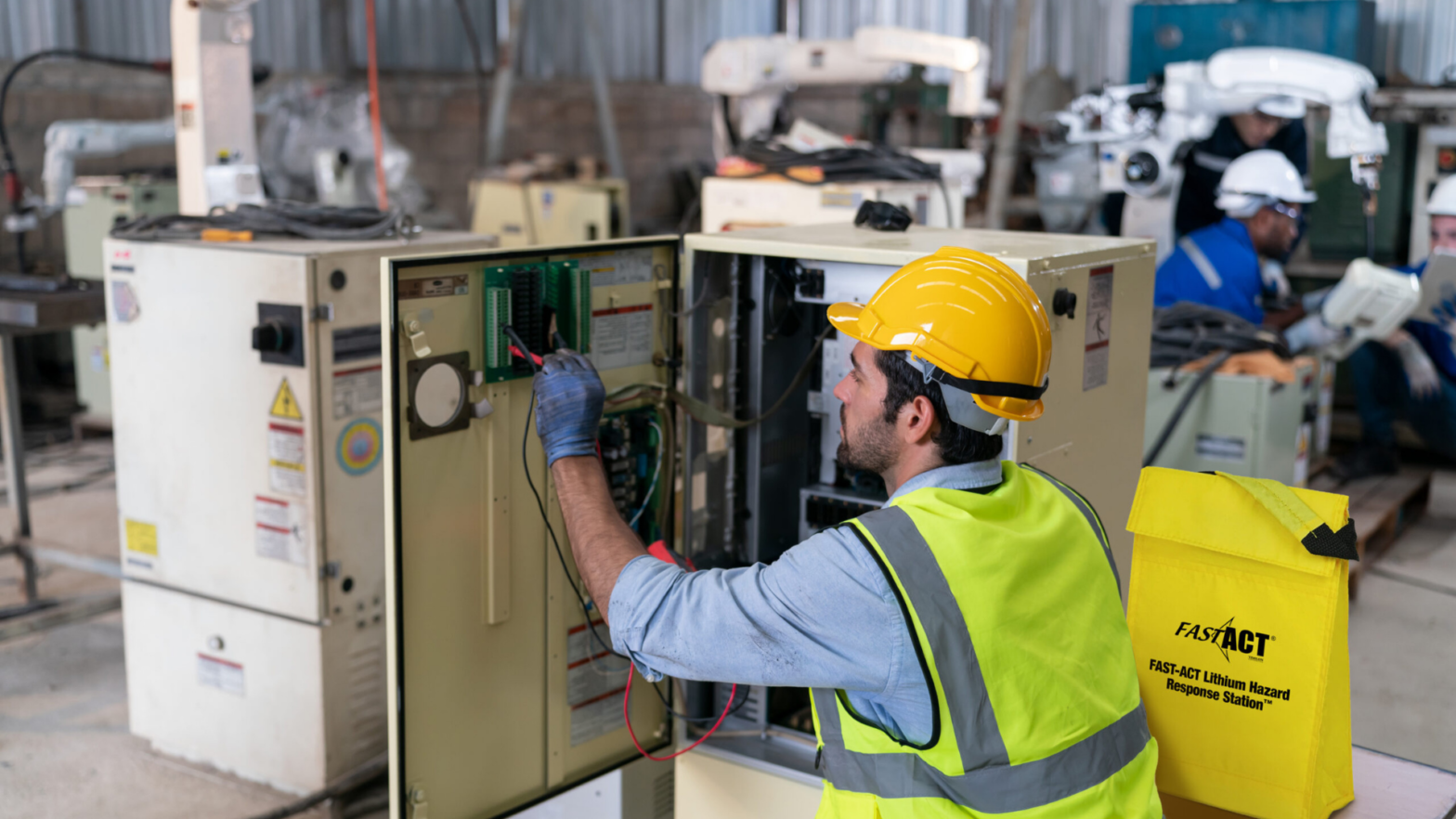
The Longview paper mill disaster highlights why industrial chemical spill preparedness is critical. Learn how facilities can improve chemical spill response, contamination management, and worker safety before an incident occurs.
What the 2026 FIFA World Cup Is Teaching Emergency Management and Response Teams About Chemical Preparedness

The 2026 FIFA World Cup is providing valuable lessons in large-scale event preparedness. Explore how coordination, chemical preparedness, and operational resilience are shaping future emergency response planning.